
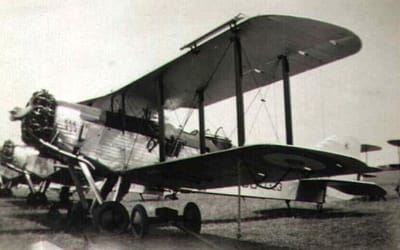
En diciembre de 1931, un arrogante piloto de la RAF de 21 años llamado Douglas Bader intentó una maniobra acrobática con su biplano, rozó la punta de un ala con la hierba y se estrelló. Los cirujanos le amputaron la pierna derecha por encima de la rodilla ese mismo día, y la izquierda por debajo de la rodilla meses después. Todos coincidieron en que su carrera como piloto había terminado.
Se equivocaron. Con dos piernas artificiales se convertiría en uno de los ases de la aviación más famosos de la Batalla de Inglaterra, y en uno de los fugitivos más incorregibles de la guerra.
Datos rápidos
- Piloto: Capitán de grupo Sir Douglas Bader, RAF
- Perdió las piernas: 1931, en un accidente acrobático a baja altura, ambos sufrieron amputaciones.
- Regresar: Se las ingenió para volver a pilotar cazas de la RAF al estallar la guerra.
- Victorias: Se le atribuyen alrededor de 22 derribos aéreos.
- Derribado: En Francia en 1941; capturado y finalmente enviado a Colditz.
- Leyenda: Tema del libro y la película “Reach for the Sky”
De vuelta sobre patas de hojalata
Bader llamaba a sus prótesis sus "piernas de hojalata" y las atacó con la misma tenacidad con la que se enfrentaba a todo. En cuestión de meses caminaba sin bastón; al cabo de un año ya conducía e incluso volaba de nuevo. Aun así, la RAF, en tiempos de paz, lo dio de baja por invalidez: las normas no contemplaban a un piloto sin piernas. Bader tenía una opinión muy particular sobre las normas.
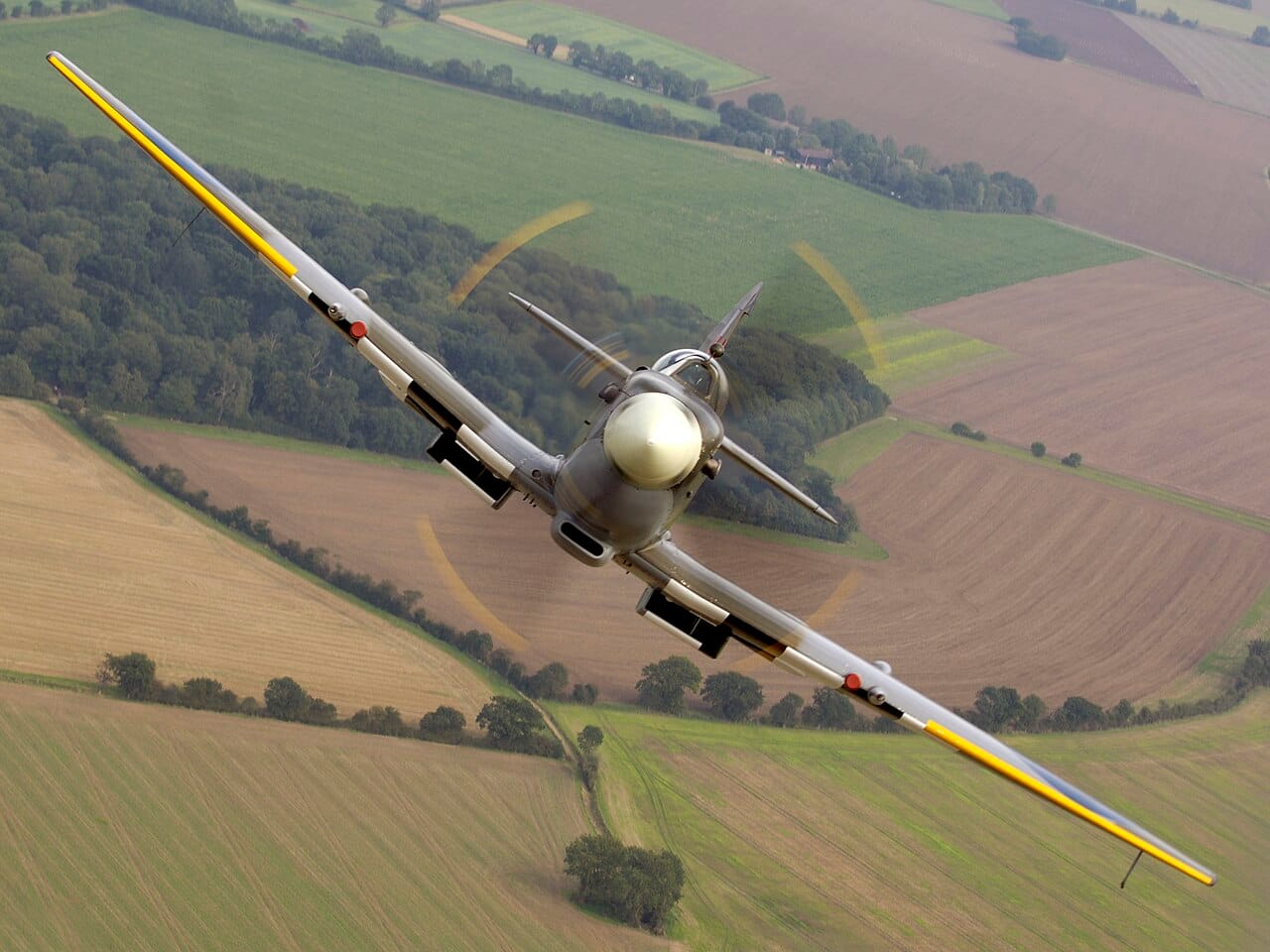
Cuando estalló la guerra en 1939 y Gran Bretaña de repente necesitó a todos los pilotos que pudo encontrar, tuvo su oportunidad. Volando el Supermarine Spitfire Tras pilotar el Hurricane, se convirtió en uno de los principales ases de la Batalla de Inglaterra y en un ferviente defensor de las formaciones masivas de "Gran Ala", un hombre al que la Luftwaffe finalmente tuvo que derribar simplemente para deshacerse de él.

Operación Pierna
En agosto de 1941, finalmente lo lograron. Derribado sobre la Francia ocupada, Bader escapó de su caza en caída libre abandonando una pierna protésica que había quedado atrapada en la cabina. Capturado, fue tan persistente en sus intentos de fuga que los alemanes llegaron a amenazar con amputarle las piernas por la noche.
También hubo un gesto de cortesía inusual. La RAF solicitó permiso para entregarle a Bader una pierna de repuesto, y los alemanes accedieron a un lanzamiento aéreo seguro, una misión que las tripulaciones bautizaron como "Operación Pierna". Equipado con la nueva extremidad, Bader la usó de inmediato para intentar escapar de nuevo, y siguió intentándolo hasta que los exasperados alemanes lo encarcelaron en Colditz.
La medida del hombre

Tras la guerra, Bader fue nombrado caballero y dedicó décadas a la defensa de los derechos de las personas con discapacidad, insistiendo en que la pérdida de una extremidad era un obstáculo que superar, no una excusa. Incluso escribió el prólogo de las memorias del as alemán del Stuka, Hans-Ulrich Rudel, un homenaje de un aviador sin piernas a la destreza aérea de otro en las antiguas líneas del frente.
Siguió volando casi hasta el final de su vida, en 1982; aquel joven cuya carrera se dio por terminada a los 21 años, respondió escribiendo uno de los capítulos más improbables de la historia de la aviación.
Fuentes: Paul Brickhill, “Reach for the Sky”; War History Online; Sky HISTORY; Blesma; Wikipedia.
0 Comentarios