
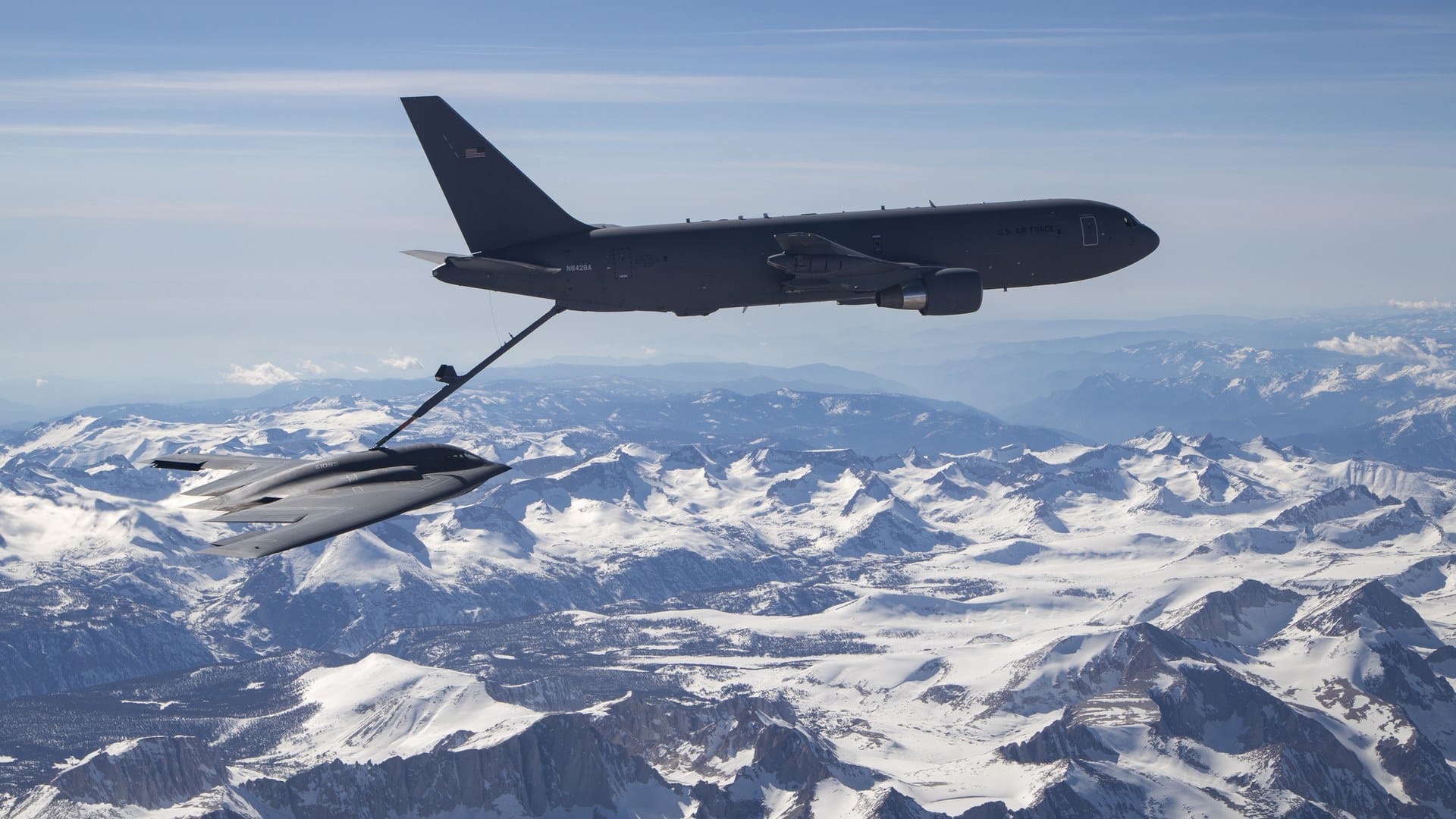
Era viernes por la tarde en el Pentágono, 29 de febrero de 2008, un día bisiesto, curiosamente, para una decisión que casi nadie preveía. Los oficiales de la Fuerza Aérea comparecieron ante la prensa para anunciar al ganador del programa de aviones cisterna KC-X, 179 aeronaves y aproximadamente 35 mil millones de dólares, y el nombre que anunciaron no fue Boeing. En Mobile, Alabama, donde se ensamblarían los aviones ganadores, las celebraciones se prolongaron hasta la noche. En Everett y Wichita, territorio de Boeing, reinaba un silencio atónito.
Los vencedores fueron Northrop Grumman y EADS, la empresa matriz europea de Airbus. Por primera vez, la Fuerza Aérea de los Estados Unidos había seleccionado una aeronave europea, el avión cisterna basado en el A330, al que denominaría KC-45A, para uno de los mayores contratos de defensa de su historia.
La victoria duró 110 días. Lo que sigue es la historia de la guerra que Washington libró durante una década consigo mismo por una gasolinera voladora: una guerra que incluyó una condena por soborno, una protesta histórica, una repetición cancelada y una incursión europea solitaria contra las joyas de la corona estadounidense. La política no era una subtrama. La política era la historia principal.
Datos clave: La guerra de los petroleros KC-X
| Programa | KC-X: 179 nuevos aviones cisterna para reemplazar al KC-135, con un valor aproximado de 1.040.350 millones de dólares. |
| 2001–2004 | El acuerdo de arrendamiento del Boeing KC-767 se desmorona tras el escándalo de Darleen Druyun. |
| 29 de febrero de 2008 | El KC-45 (A330 MRTT) de Northrop Grumman/EADS supera a Boeing. |
| 18 de junio de 2008 | La GAO da la razón a Boeing en su protesta, alegando “errores significativos”.” |
| Marzo de 2010 | Northrop se retira de la nueva licitación; EADS continúa sola. |
| 24 de febrero de 2011 | El KC-46A de Boeing, basado en el 767, gana la ronda final. |
| Secuelas | KC-46: años de problemas técnicos · A330 MRTT: un éxito de exportación mundial |
Un contrato de arrendamiento demasiado bueno para ser verdad.
La saga comenzó de forma bastante inocente. Tras el 11-S, cuando la flota de KC-135 se acercaba a su quinta década, la Fuerza Aérea propuso arrendar 100 aviones cisterna Boeing 767 en lugar de comprarlos, un acuerdo financiero por valor de más de 20.000 millones de dólares que los críticos, encabezados por el senador John McCain, atacaron como un regalo apenas disimulado a Boeing.
Luego la situación empeoró. Darleen Druyun, la segunda funcionaria de adquisiciones de la Fuerza Aérea y la mujer que estaba dando forma al acuerdo de los aviones cisterna, había estado negociando discretamente un contrato de $250.000 dólares al año con el director financiero de Boeing, Michael Sears, incluyendo una reunión discreta en el aeropuerto de Orlando en octubre de 2002, mientras aún supervisaba las negociaciones.
En octubre de 2004, Druyun fue condenada a nueve meses de prisión federal. Admitió haber aceptado un precio superior al que consideraba apropiado, según sus propias palabras, como un “regalo de despedida” para su futuro empleador, y haber filtrado a Boeing información confidencial sobre la oferta de Airbus. Sears recibió una condena de cuatro meses. El director ejecutivo de Boeing, Phil Condit, dimitió. El contrato de arrendamiento se canceló y, en su lugar, el Pentágono prometió una licitación pública y transparente denominada KC-X.
Un petrolero estadounidense con acento francés
Cuando se recibieron las ofertas en 2007, Boeing ofreció un avión cisterna basado en su modelo 767, más pequeño. Northrop Grumman, como contratista principal, se asoció con EADS para ofrecer el Airbus A330 Multi Role Tanker Transport: un avión más grande con mayor capacidad de combustible, carga y pasajeros. Los evaluadores de la Fuerza Aérea calificaron al avión más grande como superior en varios aspectos clave, y el 29 de febrero de 2008, Northrop y EADS ganaron la licitación.
El equipo había preparado meticulosamente su estrategia política. El KC-45 se ensamblaría en una nueva planta en Mobile, Alabama, con la promesa de miles de empleos estadounidenses en decenas de estados. Sería, insistían sus defensores, un avión cisterna estadounidense con ascendencia europea.

El Congreso estalla
La reacción en los estados de origen de Boeing fue explosiva. “Al adjudicar este contrato a Airbus, el gobierno estadounidense está condenando esos empleos a la guillotina”, declaró la senadora Patty Murray de Washington en el pleno del Senado. Los legisladores mostraron mapas de empleo contrapuestos —los empleos de Airbus en Alabama y Misisipi frente a los de Boeing en Washington y Kansas—, mientras que la prolongada disputa entre Estados Unidos y la Unión Europea en la Organización Mundial del Comercio sobre las subvenciones a Airbus dio al debate un matiz transatlántico.
Boeing presentó una protesta formal ante la Oficina de Responsabilidad Gubernamental (GAO) el 11 de marzo de 2008. El 18 de junio, la GAO dio una noticia bomba: la protesta fue admitida.
El secretario de Defensa, Robert Gates, ordenó primero una nueva licitación acelerada; luego, en septiembre de 2008, canceló la competencia por completo y entregó todo el expediente sobre material radiactivo a la siguiente administración. Siete años después de que comenzara el proceso, la Fuerza Aérea no tenía un nuevo avión cisterna ni un plan para conseguir uno.
La nueva oferta y la carrera en solitario
La convocatoria de propuestas de 2009 reescribió las reglas: 372 requisitos obligatorios y una estructura que, en esencia, se reducía a una competencia de precios. Northrop Grumman concluyó que las nuevas condiciones favorecían al avión Boeing, más pequeño, y se retiró en marzo de 2010. Entonces llegó lo extraordinario: EADS decidió presentar una oferta en solitario; un gigante europeo, sin un contratista principal estadounidense, compitiendo directamente con Boeing por el premio más importante de la Fuerza Aérea de EE. UU.
El 24 de febrero de 2011, el subsecretario de Defensa, William Lynn, anunció que Boeing era "el claro ganador" según la fórmula de evaluación. Esta vez le tocó a Alabama protestar. El avión propuesto por EADS "ofrece claramente una aeronave más capaz. Si esta decisión se mantiene, nuestros soldados no recibirán el equipo superior que merecen", declaró el senador Richard Shelby, quien culpó a la "política de Chicago" —ciudad sede de Boeing— del resultado. EADS, cuyo precio final era un diez por ciento más elevado, declinó presentar una protesta.
Ambos bandos perdieron, ambos bandos ganaron.
Boeing había presentado una oferta muy baja para un contrato de desarrollo a precio fijo, y lo pagó caro. El KC-46A Pegasus realizó su primer vuelo el 25 de septiembre de 2015, y el primer avión llegó a la Fuerza Aérea en enero de 2019, con años de retraso. Su sistema de visión remota (el sistema de cámaras que usa el operador de la pértiga en lugar de una ventana) presentaba deficiencias tan graves que requirieron un rediseño completo, y a mediados de la década de 2020, Boeing había asumido más de siete mil millones de dólares en gastos relacionados con el programa. Ganar, al final, resultó ser la parte más cara.
El A330 MRTT perdió a Estados Unidos y conquistó a casi todos los demás. Australia, el Reino Unido, Francia, Arabia Saudita, Singapur, Corea del Sur, los Emiratos Árabes Unidos, una flota conjunta de la OTAN y más de una docena de fuerzas aéreas en total eligieron el gran avión cisterna de Airbus; la aeronave que la disputa con la GAO impidió que luche por los colores de la Fuerza Aérea de EE. UU. se convirtió en el estándar de facto de Occidente en todas partes.

¿Y Mobile, Alabama? Aun así, consiguió su fábrica de Airbus. La línea de montaje construida para un avión cisterna que nunca llegó ahora produce aviones de la familia A320: aviones Airbus, fabricados por trabajadores de Alabama, que vuelan para aerolíneas estadounidenses. El acuerdo de paz más silencioso de la guerra de los aviones cisterna se firmó en una fábrica.
Fuentes: Wikipedia (KC-X, EADS/Northrop Grumman KC-45, Boeing KC-46 Pegasus, Darleen Druyun), Oficina de Responsabilidad Gubernamental de EE. UU. (18 de junio de 2008), The Spokesman-Review, TIME, Aviation International News, Federal News Network, comunicados de prensa de Northrop Grumman
Preguntas relacionadas
¿En qué consistió la competición de buques cisterna KC-X?
El concurso KC-X fue el prolongado esfuerzo de la Fuerza Aérea de EE. UU. para adquirir 179 nuevos aviones cisterna de reabastecimiento en vuelo, por un valor aproximado de 1.400 millones de dólares, para reemplazar a los antiguos KC-135. Enfrentó a Boeing con un equipo formado por Northrop Grumman y EADS (Airbus). Tras un escándalo, la anulación de la adjudicación y una nueva licitación, Boeing finalmente ganó en 2011 con su KC-46A, basado en el 767.
¿Por qué fue tan controvertido el contrato del buque cisterna KC-X?
El contrato del KC-X fue controvertido porque abarcó una década de escándalos y reversiones. Un acuerdo de arrendamiento inicial de Boeing se derrumbó en medio del escándalo ético de Darleen Druyun. En 2008, un avión cisterna Airbus de Northrop Grumman/EADS ganó, solo para que la GAO respaldara la protesta de Boeing por "errores significativos". La saga se convirtió en un caso de estudio sobre cómo competiciones de defensa Mezclar ingeniería con política.
¿Quién ganó el contrato del buque cisterna KC-X?
Boeing finalmente ganó el contrato del avión cisterna KC-X el 24 de febrero de 2011 con su KC-46A, basado en el 767, después de que Northrop Grumman se retirara de la nueva licitación en 2010 y EADS continuara en solitario. Una adjudicación anterior de 2008 al avión cisterna de Northrop/EADS basado en el A330 había sido anulada tras la exitosa protesta de Boeing. Posteriormente, el KC-46 sufrió años de problemas técnicos.
¿Qué es el KC-46 Pegasus?
El KC-46 Pegasus es un avión cisterna de reabastecimiento aéreo de Boeing basado en el avión de pasajeros 767, elegido para reemplazar parte de la flota KC-135 de la Fuerza Aérea de los Estados Unidos. Ganó la ronda final KC-X en 2011, pero ha enfrentado problemas técnicos prolongados, especialmente con su sistema de reabastecimiento de combustible por visión remota. Los aviones cisterna siguen siendo multiplicadores de fuerza vitales, un papel que ahora se extiende a drones como el MQ-25 Stingray.
¿Qué fue el escándalo de Darleen Druyun?
El escándalo de Darleen Druyun involucró a una alta funcionaria de adquisiciones de la Fuerza Aérea de EE. UU. que favoreció indebidamente a Boeing, incluso en un acuerdo de arrendamiento propuesto para el avión cisterna KC-767, antes de incorporarse a la compañía. El caso derivó en condenas penales y en el colapso del acuerdo de arrendamiento alrededor de 2004. El escándalo empañó el programa de aviones cisterna y marcó la polémica competencia por el KC-X que le siguió.
¿En qué avión cisterna se convirtió el Airbus A330?
El Airbus A330 se desarrolló hasta convertirse en el A330 MRTT (Multi Role Tanker Transport), que el equipo Northrop Grumman/EADS ofreció como el KC-45A para la Fuerza Aérea de los Estados Unidos. Aunque perdió la ronda final del KC-X frente a Boeing, el A330 MRTT se convirtió en un gran éxito de exportación en todo el mundo. Las conversiones anteriores de aviones cisterna incluyen el de Gran Bretaña. Handley Page Victor.
0 Comentarios