
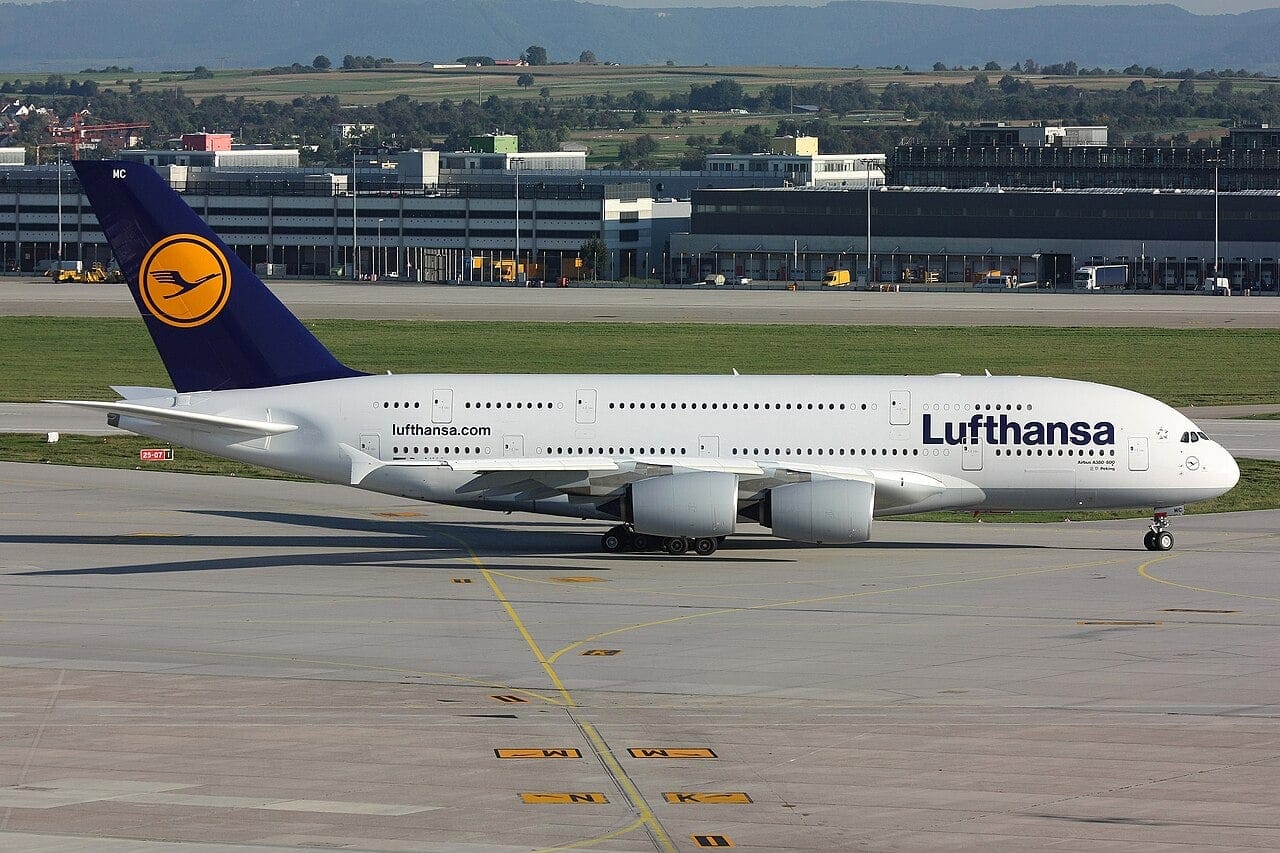
Munich Airport has had a nervous week. On the evening of 17 August 2026, a Lufthansa Airbus A380 arriving from San Francisco touched down short of its runway and ploughed through the approach lighting at the threshold. All 351 people on board were unhurt, and the giant jet rolled to a safe stop — but it was the second serious runway incident on the very same strip in barely two days.
Two of the largest and most modern airliners in the world, a superjumbo and a Dreamliner, both got into trouble on Munich's Runway 26L within 48 hours of each other. Investigators are now trying to work out whether that is a grim coincidence, or something more.
Datos rápidos
Vuelo: Lufthansa LH459, Airbus A380 (D-AIML), San Francisco to Munich
Qué pasó: touched down short of Runway 26L and struck the threshold approach lighting
Cuando: evening of 17 August 2026
A bordo: 351 passengers, no injuries; normal disembarkation
Investigation: Germany's BFU (Federal Bureau of Aircraft Accident Investigation) on site; flight recorders secured
Two days earlier: a Vietnam Airlines Boeing 787-9 suffered a tail strike and runway overrun on the same runway
An A380 Lands Too Soon
Lufthansa flight LH459 had been in the air for about eleven hours when it lined up for Munich's Runway 26L. Somewhere in the final seconds of the approach, the aircraft came down before the paved surface began, and its wheels made contact in the threshold area — clipping the lights that mark where the runway starts. The A380 stayed on its gear and stopped safely, and the 351 passengers walked off as normal.
Germany's Federal Bureau of Aircraft Accident Investigation, the BFU, moved quickly. Investigators are on site and have secured the flight data and cockpit voice recorders. What they have not yet said is why a serviceable A380 with an experienced crew touched down short — whether the aircraft was below the intended glide path, a visual misjudgement, weather, or some other factor.
The Same Runway, 48 Hours Earlier
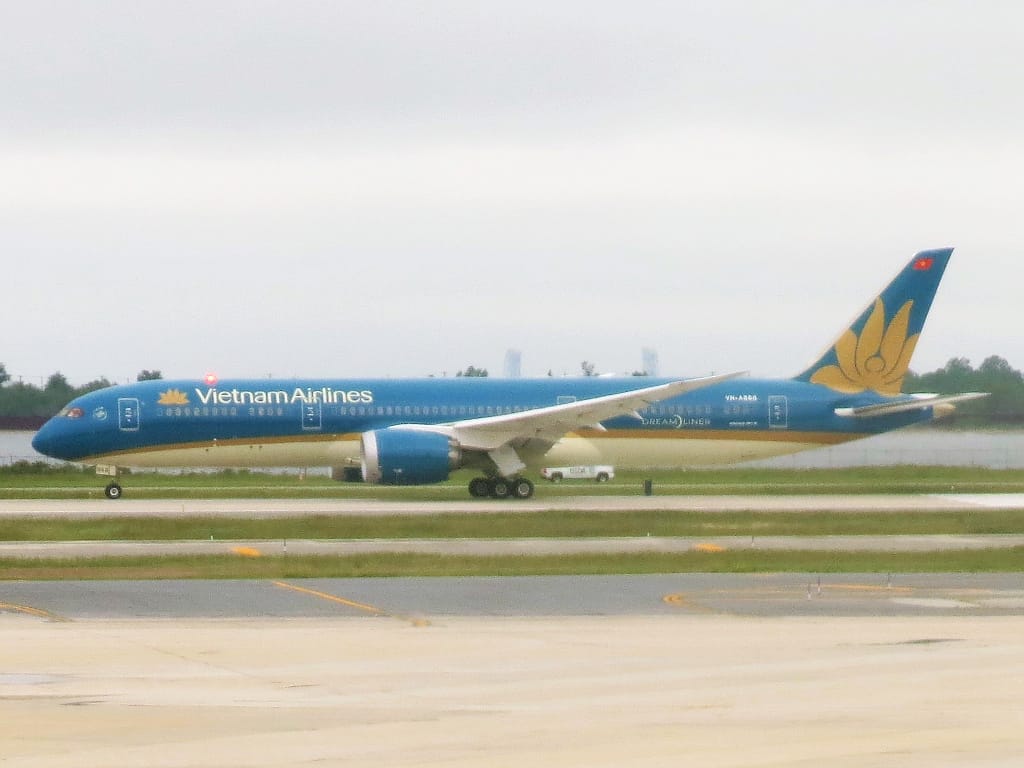
What makes the A380 landing so uncomfortable is what happened on 15 August. Vietnam Airlines flight VN34, a Boeing 787-9 bound for Hanoi with 271 passengers and 16 crew, began its take-off roll on the same Runway 26L. According to preliminary reporting, the aircraft's acceleration faltered partway down the four-kilometre runway. It rotated dangerously late, struck its tail on the ground in a cloud of dust and debris, and ran off the end of the paved surface before clawing its way into the air with almost no runway to spare.
The crew declared an emergency, reported a tyre-pressure warning, and returned to Munich. The Dreamliner was substantially damaged. That everyone walked away from such a late, tail-scraping departure was, by any measure, fortunate.
Airline pilots break down the Vietnam Airlines 787's near-disaster at Munich.
Why Munich Is Asking Questions
The two events are, mechanically, very different. One aircraft landed short; the other rotated late on take-off. There is no obvious single cause linking a superjumbo's approach to a Dreamliner's departure. But two serious runway incidents on the same runway at a major European hub inside 48 hours is the kind of pattern safety investigators do not ignore, and both are now under formal investigation.
For passengers, the reassuring part is that both aircraft ended their dramas intact and everyone aboard was safe. The BFU's job now is to make sure the coincidence stays a coincidence — and that Runway 26L's difficult week does not become a trend.
Sources: 20 Minuten; RTL; Simple Flying; AVHerald; Aviation Safety Network; One Mile at a Time.
0 Comentarios