
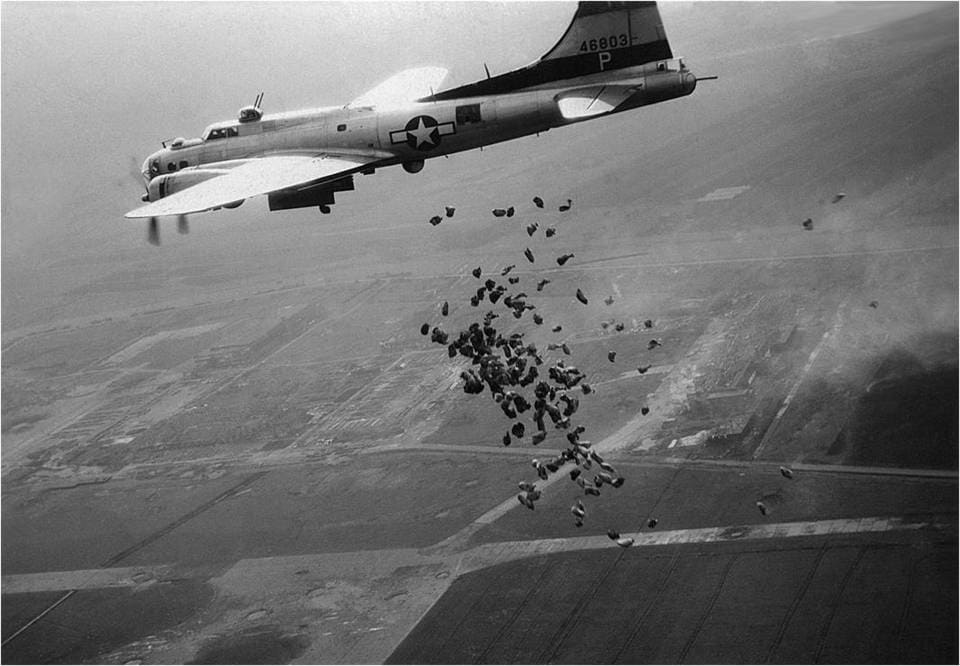
In the last spring of the Second World War, Dutch children ran into the open fields as British bombers roared overhead, not to hide, but to wave. Because these Lancasters were not carrying bombs. They were raining down bread, tinned meat and chocolate on a nation that was quietly starving to death.
The operation was called Manna, after the food that fell from the sky to save the Israelites in the Book of Exodus. Together with its American twin, Operation Chowhound, it became one of the first great humanitarian airlifts in history, flown by the very bomber crews who had spent years destroying German cities.
Quick Facts: Operations Manna & Chowhound
- Cuando: 29 April to 8 May 1945
- OMS: RAF Bomber Command (Manna) and the US 8th Air Force (Chowhound)
- Aeronave: Avro Lancasters, Mosquitoes and B-17 Flying Fortresses
- Food dropped: Roughly 11,000 tons in about ten days
- Altitud: As low as 300 to 500 feet
- Background: The Dutch “Hunger Winter,” which killed around 20,000 people
The Hunger Winter
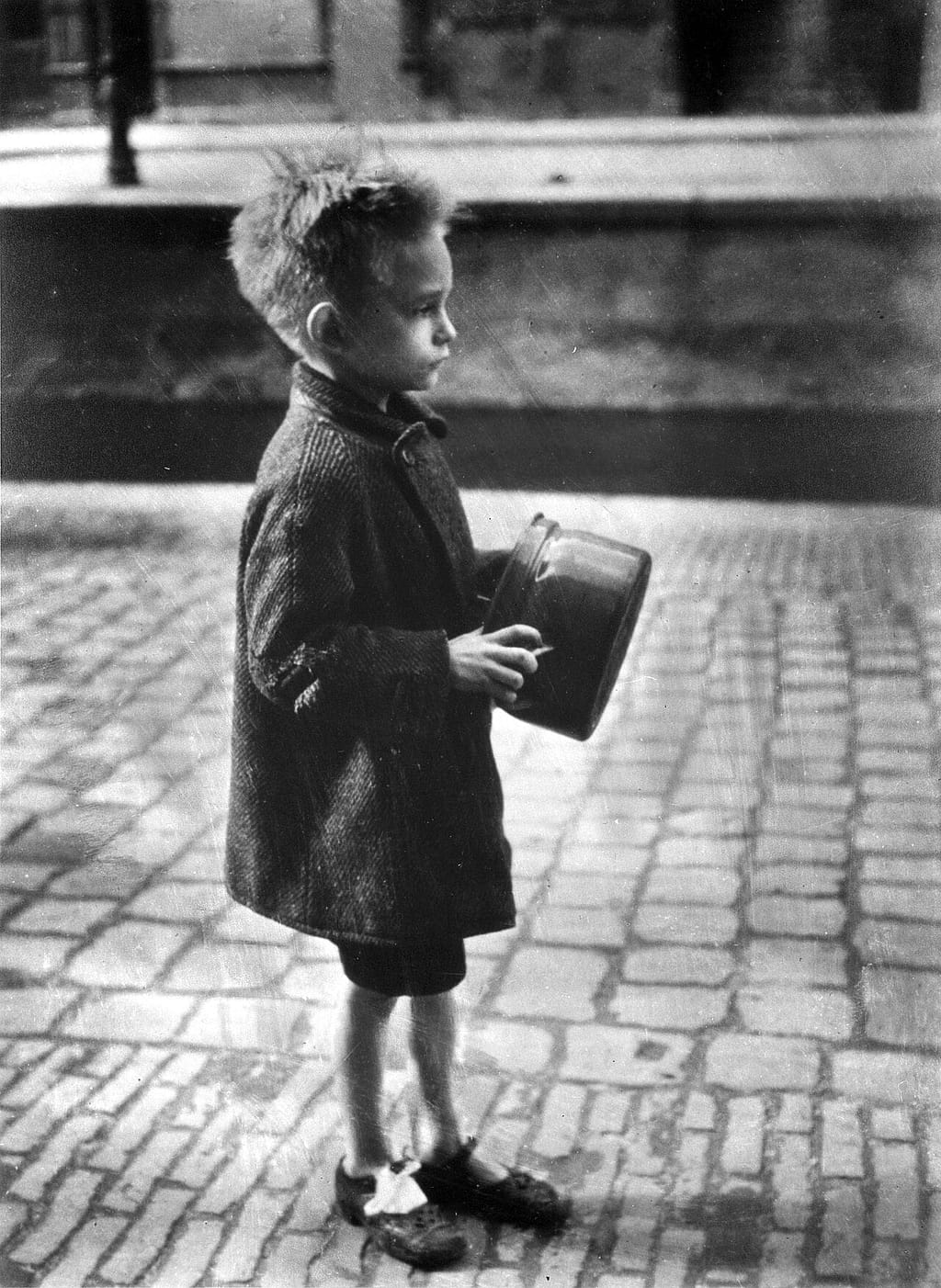
By early 1945, the western Netherlands was dying. After the failed Allied airborne assault at Arnhem in September 1944, the region remained under German occupation, and a Dutch railway strike in support of the Allies triggered brutal reprisals: the Germans blocked food transport and flooded farmland. Through the bitter winter that followed, city dwellers boiled tulip bulbs and sugar beet and made soup from nettles. An estimated 20,000 people died of hunger.
The Dutch government-in-exile begged the Allies to act. With the war in Europe clearly in its final days, Bomber Command was handed an extraordinary assignment: not to flatten a target, but to feed a population.
A truce and a gamble
There was one enormous problem: the countryside beneath the flight paths was still held by German troops. So the Allies struck an uneasy, largely informal truce. The bombers would fly agreed corridors at low level, in daylight so the food could be found and gathered, and the German gunners would hold their fire. The very first Lancasters went in on 29 April, before the ceasefire had even been fully settled, trusting that the guns below would stay silent. Mostly they did, though some German soldiers still took the occasional pot-shot.
Food from heaven
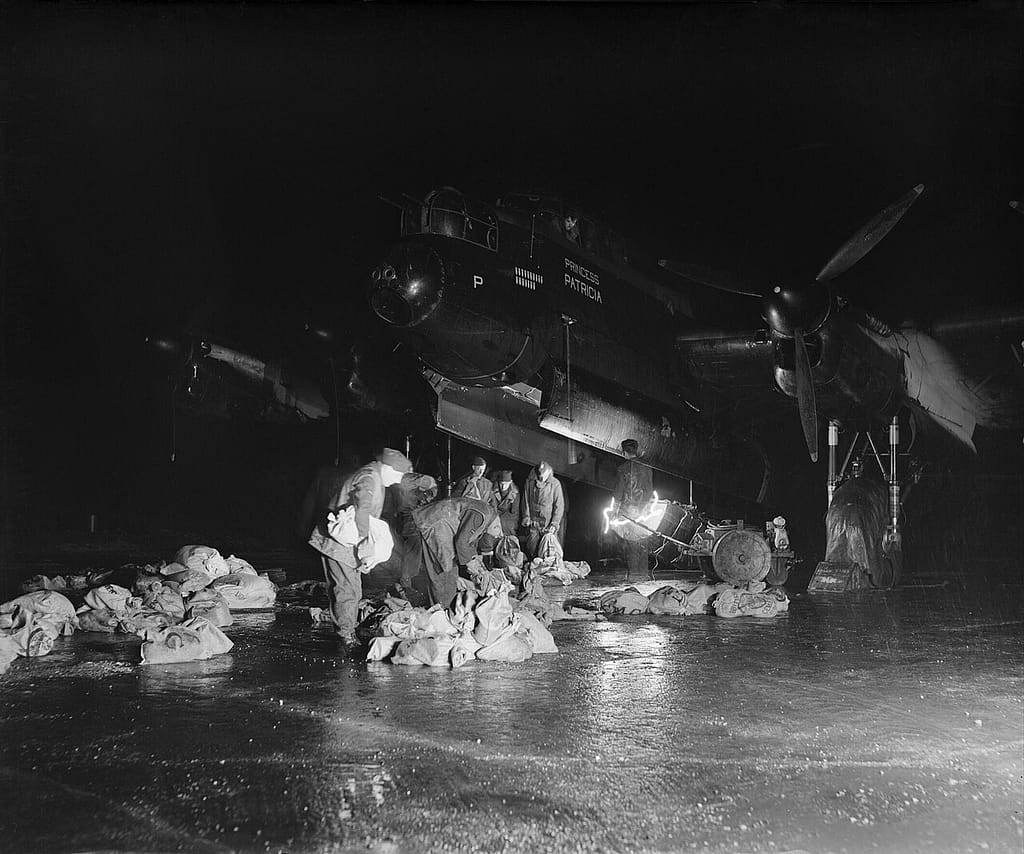
The scale was staggering for such a short campaign. Over roughly ten days, RAF Manna sent some 300 Lancasters and 145 Mosquitoes across the Channel on more than 3,000 sorties, dropping close to 6,700 tons of food from panniers packed into their bomb bays. From 1 May, American B-17s of the 8th Air Force joined in with Operation Chowhound, adding thousands of tons more. All told, the two operations delivered on the order of 11,000 tons.
The gratitude below was impossible to miss. Dutch families laid out messages in the fields and on rooftops, spelled in whatever they had, including tulip beds, that read “THANK YOU BOYS” and “MANY THANKS.” For crews who had spent the war amid flak and fire, the sight of people waving from the streets was overwhelming.
The mission they never forgot
Manna and Chowhound flew right up to VE Day on 8 May, and even continued briefly after the German surrender. Ask the veterans decades later which operation meant the most, and many would not name a famous bombing raid. They would name the fortnight they spent feeding the Dutch. It is remembered on both sides of the North Sea as the moment the bombers came, for once, purely to save lives.
Sources: RAF Museum, Wikipedia (Operations Manna, Chowhound and Faust), War History Online, The National WWII Museum.
0 Comentarios