
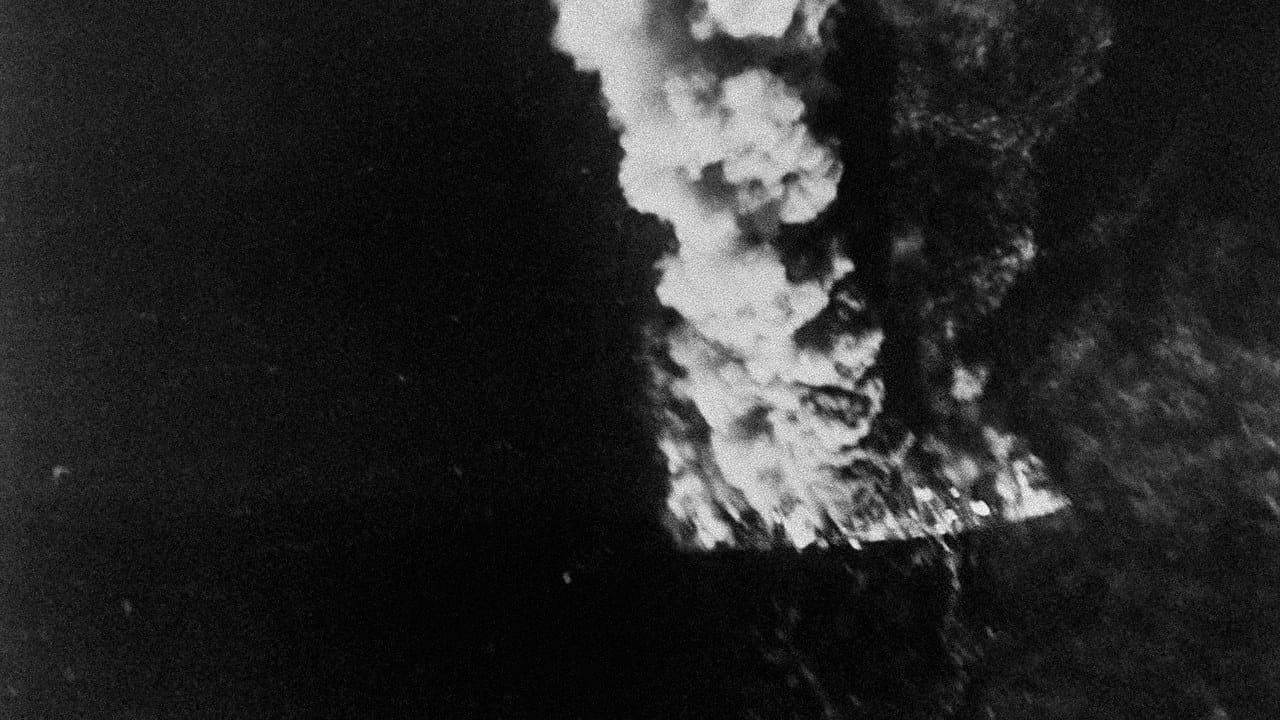
A las 7:55 de la mañana del 18 de abril de 1988, una voz resonó desde el destructor USS Merrill a través de la banda VHF, primero en persa y luego en inglés: los ocupantes de la plataforma de separación de gas y petróleo Sassan tenían cinco minutos para evacuar. En las cubiertas de acero sobre las aguas verdosas del Golfo Pérsico, los hombres se apresuraron a subir a los remolcadores amarrados a los costados. Otros corrieron en dirección contraria, hacia un cañón bitubo de 23 mm, y lo apuntaron al destructor estadounidense, situado a 4600 metros (5000 yardas) de distancia.
A las 08:04, el tiempo se agotó. El cañón de 127 mm (5 pulgadas) del Merrill disparó. El cañón iraní de 23 mm respondió con fuego, pero fue silenciado por un impacto directo. La guerra de un día había comenzado, y al atardecer la Armada estadounidense libraría su mayor batalla naval de superficie desde 1945.
Datos rápidos
- 18 de abril de 1988, Golfo Pérsico — Represalia estadounidense cuatro días después de que el USS Samuel B. Roberts (FFG-58) chocara con una mina iraní el 14 de abril.
- La mina abrió un agujero de 4,6 m (15 pies) en el casco y rompió la quilla de la fragata; la tripulación salvó el barco sin que se produjeran bajas.
- Tres grupos de acción de superficie más aviones A-6E Intruder del escuadrón VA-95 del USS Enterprise (CVN-65).
- Pérdidas iraníes: la fragata Sahand hundida, el barco lanzamisiles Joshan hundido, la fragata Sabalan dañada, dos plataformas petrolíferas militarizadas destruidas.
- Bajas estadounidenses: dos aviadores de la Infantería de Marina murieron en el accidente de un helicóptero AH-1T Sea Cobra cerca de Abu Musa.
- El mayor enfrentamiento naval de superficie de la Armada estadounidense desde la Segunda Guerra Mundial, y su primer intercambio de misiles antibuque entre buques.
- En 2003, la Corte Internacional de Justicia desestimó la demanda de indemnización de Irán, pero criticó los ataques a la plataforma.
La Sala de Operaciones reconstruye, minuto a minuto, la guerra de un solo día que tuvo lugar el 18 de abril de 1988.
El camino hacia aquella mañana transcurrió en el marco de la Guerra de los Petroleros. Desde 1987, bajo la Operación Earnest Will, la Armada estadounidense había escoltado petroleros kuwaitíes, que habían cambiado su bandera, a través de un Golfo plagado de minas y patrullado por pequeñas embarcaciones iraníes. El 14 de abril de 1988, la fragata de misiles guiados USS Samuel B. Roberts, que transitaba por aguas internacionales, chocó contra una mina de contacto M-08. La explosión abrió un agujero de 4,6 m (15 pies) en su casco, inundó la sala de máquinas y rompió su quilla. Su tripulación luchó contra el fuego y la inundación durante horas y logró salvar el barco. No hubo víctimas mortales. Fue una tragedia.
Los buzos hallaron más minas en las cercanías. Sus números de serie coincidían con los de minas incautadas el septiembre anterior a un minador iraní. Washington ordenó una respuesta proporcional, y los planificadores a bordo del buque de mando USS Coronado, en Bahréin, trabajaron durante la noche del 16 al 17 de abril. Los objetivos eran precisos: neutralizar las plataformas militarizadas Sassan y Sirri, y hundir la fragata iraní Sabalan o una alternativa adecuada.
Tres grupos de acción superficial
El contralmirante Anthony Less, al mando de la Fuerza de Tarea Conjunta del Medio Oriente, dividió su fuerza en tres Grupos de Acción de Superficie (SAG). El SAG Bravo, con los destructores Merrill y Lynde McCormick y el buque anfibio Trenton que transportaba una fuerza de tarea aeroterrestre de la Infantería de Marina, capturó el Sassan. El SAG Charlie, formado alrededor del crucero USS Wainwright con las fragatas Simpson y Bagley y un pelotón SEAL, capturó el Sirri. El SAG Delta, con Jack Williams, O'Brien y Joseph Strauss, persiguió al Sabalan. En el cielo esperaban los aviones del Ala Aérea Embarcada 11 del USS Enterprise, que mantenían su posición a 220 km (120 millas náuticas) del estrecho de Ormuz.
En Sassan, tras cesar el fuego, los helicópteros AH-1T Sea Cobra de la Infantería de Marina neutralizaron la última resistencia, y los helicópteros CH-46 y UH-1 desplegaron una fuerza de asalto en la plataforma. Los infantes de marina rescataron a un superviviente herido, armas e información, y luego prepararon aproximadamente 680 kg (1500 lb) de explosivo plástico. La detonación remota convirtió la plataforma en llamas.
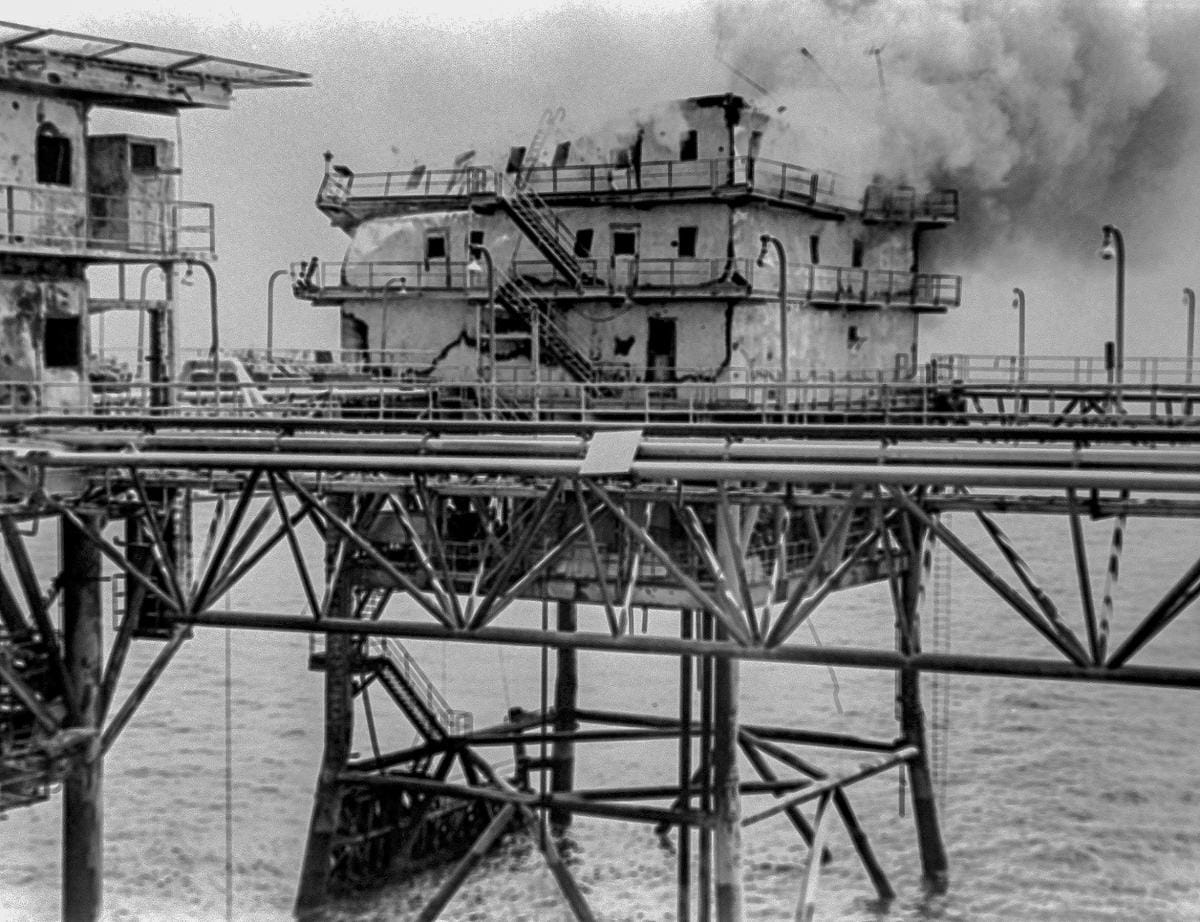
En Sirri, los proyectiles del SAG Charlie alcanzaron un tanque de gas comprimido y la plataforma se elevó sin necesidad de los SEAL. Hasta ese momento, la operación se había desarrollado al minuto. Entonces Irán respondió. Lanchas rápidas Boghammar salieron a toda velocidad para ametrallar objetivos en el campo petrolífero de Mubarak, alcanzando el buque de suministro Willie Tide, de bandera estadounidense, la plataforma Scan Bay, de bandera panameña, y el petrolero británico York Marine.
Guiados por una fragata, dos A-6E Intruder del escuadrón de ataque VA-95 del portaaviones Enterprise atacaron las lanchas rápidas con bombas de racimo Rockeye, hundiendo una y obligando a las demás a vararse en la playa de la isla Abu Musa. Era la tónica del día: ante cualquier acción de Irán, la fuerza aérea naval la contrarrestaba primero. Entonces, el Joshan, un crucero lanzamisiles de la clase Kaman, salió y apuntó su proa hacia el Wainwright. El crucero emitió una serie de advertencias, cada una menos diplomática que la anterior.
El capitán del Joshan respondió con el único misil Harpoon de fabricación estadounidense que le quedaba, un vestigio del arsenal del Shah. El misil pasó rozando el costado de estribor del Wainwright, engañado por las contramedidas. La respuesta fue contundente: cuatro misiles Standard del Simpson y uno del Wainwright dieron en el blanco. El casco en llamas fue rematado a tiros. Once marineros iraníes murieron con él.
Minutos después, un iraní F-4 El Phantom se abalanzó sobre el grupo. El Wainwright disparó dos misiles Standard de largo alcance; uno detonó cerca del avión, destrozando parte de un ala. El piloto del Phantom, a bordo de los restos del avión, logró recuperarlo en Bandar Abbas.
Los intrusos encuentran su fragata
Por la tarde, la fragata Sahand, de fabricación británica, zarpó de Bandar Abbas y navegó a toda velocidad hacia el suroeste. Un A-6E del escuadrón VA-95, que realizaba patrullas aéreas de combate de superficie para el destructor Joseph Strauss, descendió a baja altura para ser identificado visualmente y fue recibido con fuego antiaéreo y misiles. Los Intruder respondieron con misiles Harpoon y bombas Skipper guiadas por láser; el Joseph Strauss lanzó un Harpoon propio, sincronizado con el avión, en el primer ataque coordinado de Harpoon aéreo y naval en combate.
Casi todo quedó destrozado. El fuego se propagó por la cubierta del Sahand hasta alcanzar los pañoles de municiones, y la explosión lo hundió con 45 tripulantes a bordo. Sigue siendo el mayor buque de guerra hundido por la Armada estadounidense desde la Segunda Guerra Mundial.
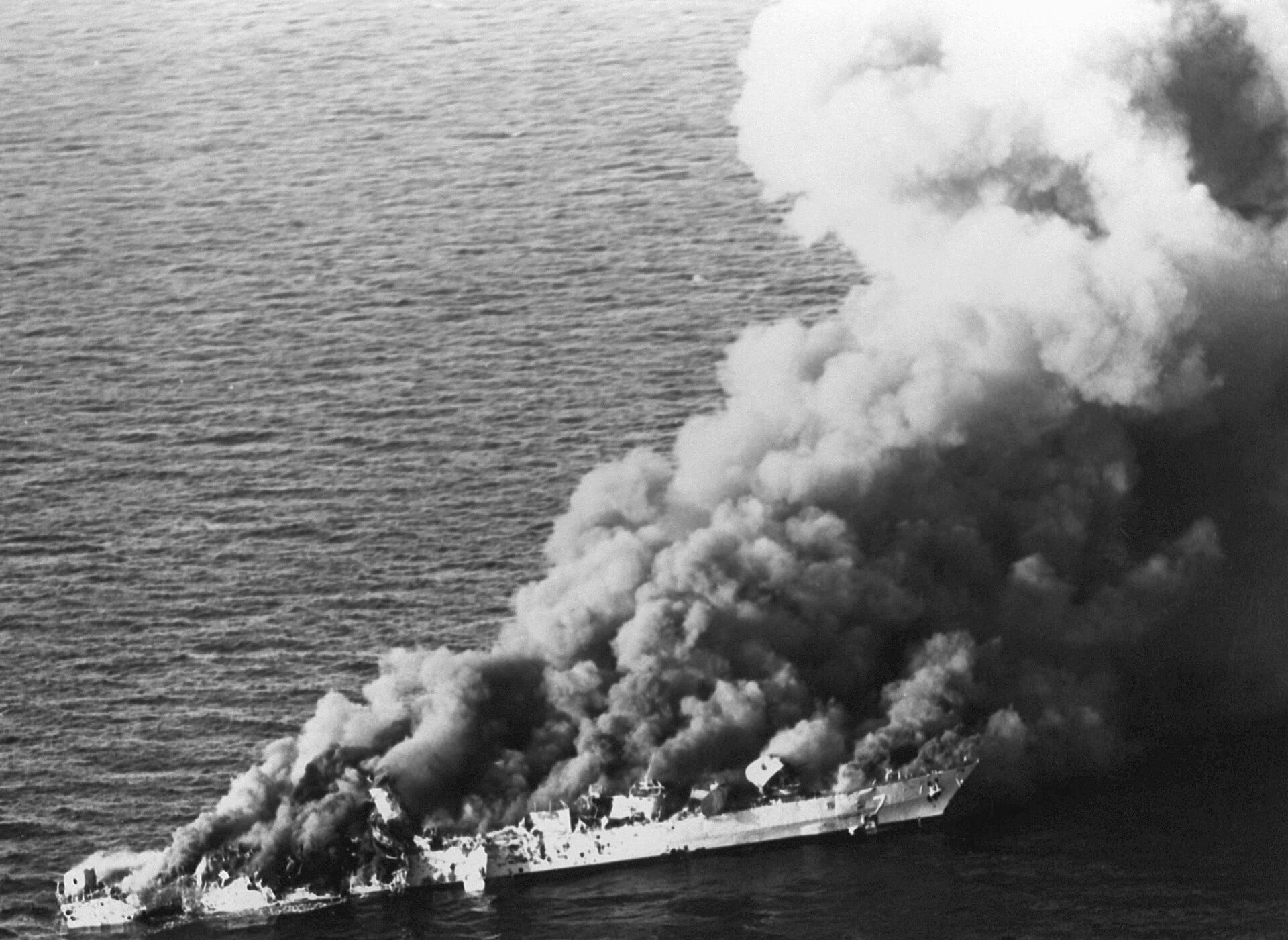
Al final del día, el Sabalan, el objetivo original de la operación, finalmente salió y abrió fuego contra los A-6E que orbitaban la zona. Un Intruder lanzó una bomba guiada por láser de 227 kg (500 lb) directamente por su chimenea. La fragata quedó dañada y en llamas, con la popa sumergida. Washington tomó entonces una decisión deliberada: detenerse. Se permitió que el Sabalan fuera remolcado a puerto, señal de que la lección había terminado. Fue reparado y presta servicio en la armada iraní hasta el día de hoy.
La Armada estadounidense no salió indemne. Al anochecer, un helicóptero AH-1T Sea Cobra del portaaviones Trenton, que realizaba una misión de reconocimiento a unos 24 km (15 millas) al suroeste de Abu Musa, se estrelló contra el mar. Sus dos aviadores, infantes de marina, fallecieron. Buzos de la Armada recuperaron sus cuerpos en mayo; los restos del helicóptero, una vez reflotados, no presentaban daños confirmados de combate. Fueron los únicos estadounidenses fallecidos en la operación.
Imágenes de archivo de la Operación Mantis Religiosa, tal como se informó en abril de 1988.
Irán también lanzó ese día misiles antibuque Silkworm desde tierra contra buques estadounidenses, pero todos fallaron debido a las maniobras de distracción y a las maniobras evasivas. Al anochecer, ambas partes cesaron las hostilidades. En un solo día, aproximadamente la mitad de los principales buques de guerra de superficie operativos de Irán fueron hundidos o dañados.
Las consecuencias trascendieron el Golfo. Tres meses después, Irán, exhausto y ahora seguro de que Estados Unidos entraría en guerra, aceptó el alto el fuego que puso fin a la guerra Irán-Irak, que duró ocho años. La cara oculta del despliegue se hizo presente pocas semanas después: el 3 de julio de 1988, el crucero USS Vincennes, enviado al Golfo tras el conflicto, derribó el vuelo 655 de Iran Air, causando la muerte de 290 civiles.
Ajuste de cuentas y consecuencias
Irán llevó su caso ante la Corte Internacional de Justicia, argumentando que los ataques a la plataforma violaron el Tratado de Amistad de 1955. Quince años de litigio concluyeron el 6 de noviembre de 2003 con un veredicto dividido: la demanda de Irán por reparaciones fue desestimada, al igual que la contrademanda estadounidense. Sin embargo, la corte no dejó pasar la operación sin comentarios: su sentencia sostuvo que los ataques:
Para los historiadores navales, el balance táctico es menos ambiguo. La Operación Mantis Religiosa validó los misiles Harpoon y Standard en combate, demostró el valor de los ataques aire-superficie coordinados y evidenció lo que un ala aérea embarcada y nueve buques de guerra de superficie podían lograr en ocho horas de escalada disciplinada. Fue una operación mesurada, breve e irrepetible: ninguna armada ha combatido a la Armada de los Estados Unidos en la superficie desde entonces.
Fuentes: Actas del Instituto Naval de los Estados Unidos, Comando de Historia y Patrimonio Naval, Wikipedia, Military.com
Preguntas relacionadas
¿Qué fue la Operación Mantis Religiosa?
La Operación Mantis Religiosa fue un ataque de la Armada estadounidense contra las fuerzas navales iraníes en el Golfo Pérsico el 18 de abril de 1988. Se lanzó en represalia cuatro días después de que la fragata USS Samuel B. Roberts chocara con una mina iraní. Se convirtió en el mayor enfrentamiento naval de superficie de la Armada estadounidense desde la Segunda Guerra Mundial.
¿Por qué Estados Unidos lanzó la Operación Mantis Religiosa?
El 14 de abril de 1988, la fragata de misiles guiados USS Samuel B. Roberts chocó contra una mina iraní que abrió un boquete de 4,6 metros (15 pies) en su casco y rompió su quilla; la tripulación logró salvar el barco sin que se produjeran bajas. El ataque con mina tuvo lugar durante la Guerra de los Petroleros, y Estados Unidos respondió cuatro días después.
¿Qué destruyó Estados Unidos en la Operación Mantis Religiosa?
Las fuerzas estadounidenses hundieron la fragata iraní Sahand y el barco lanzamisiles Joshan, inutilizaron la fragata Sabalan y destruyeron dos plataformas petrolíferas militarizadas. La acción involucró a tres Grupos de Acción de Superficie más un A-6E Intruder. aviones de ataque embarcados volando desde el USS Enterprise.
¿Sufrió alguna baja Estados Unidos en la Operación Mantis Religiosa?
Sí. Dos aviadores de la Infantería de Marina estadounidense murieron cuando su helicóptero AH-1T Sea Cobra se estrelló cerca de la isla de Abu Musa. Fue la única baja estadounidense del día, frente a las numerosas bajas navales iraníes. La batalla marcó el primer intercambio de misiles antibuque entre buques de la Armada estadounidense.
¿Qué fue la Guerra de los Petroleros?
La Guerra de los Petroleros fue una fase de la guerra Irán-Irak en la década de 1980, en la que ambos bandos atacaron buques mercantes en el Golfo Pérsico. A partir de 1987, en el marco de la Operación Earnest Will, la Armada estadounidense escoltó petroleros kuwaitíes con bandera extranjera, lo que provocó un enfrentamiento directo entre las fuerzas estadounidenses e Irán, que culminó en la Operación Praying Mantis.
¿Cuáles fueron las consecuencias de la Operación Mantis Religiosa?
La batalla de un día demostró la abrumadora superioridad naval estadounidense y puso fin de manera efectiva a los principales desafíos iraníes al transporte marítimo del Golfo. En 2003, la Corte Internacional de Justicia desestimó la demanda de indemnización de Irán, pero criticó los ataques estadounidenses contra las plataformas petrolíferas. Esto se enmarcó en un patrón más amplio de ataques de represalia estadounidenses, como el Incursión en Trípoli.
Publicaciones relacionadas
El CENTCOM ataca 80 objetivos en una ofensiva nocturna contra Irán.
0 Comentarios