
No Parachutes, No Problem (Sort Of)
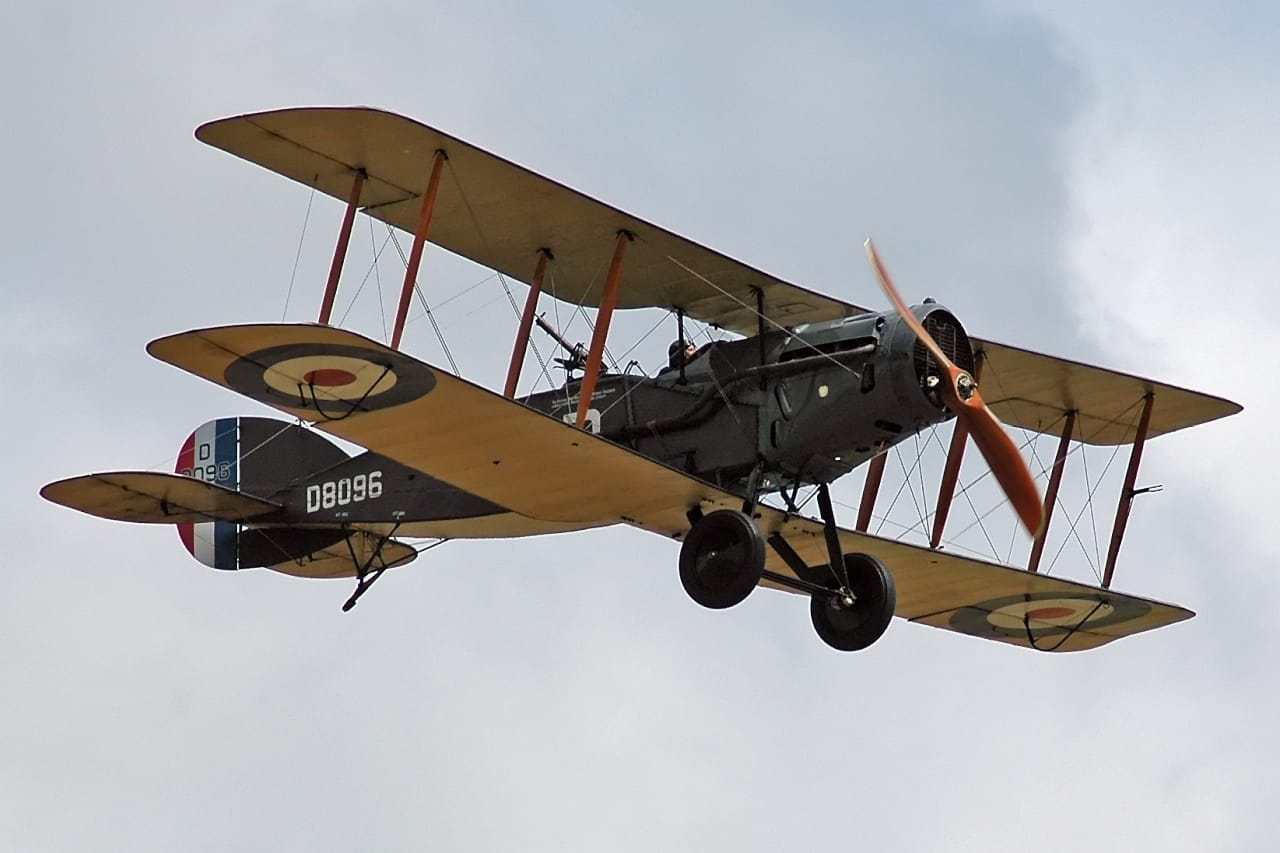
On January 4, 1918, somewhere over the Western Front, a Bristol F.2B fighter crewed by pilot Captain Reginald "Jimmy" Makepeace and observer/gunner Captain John H. Hedley was jumped by German fighters. In those days, RFC airmen flew without parachutes — command believed they would encourage pilots to abandon perfectly flyable aircraft. So when the shooting started, your only option was to fight, evade, or die. Makepeace, an experienced and aggressive pilot, chose to evade. He threw the Bristol into a screaming nosedive — the kind that pressed you hard into your seat and sent the aircraft's speed needle spinning into the red. For the pilot in the front cockpit, those negative G-forces were uncomfortable. For Hedley in the rear cockpit, they were catastrophic. Because Hedley wasn't strapped in.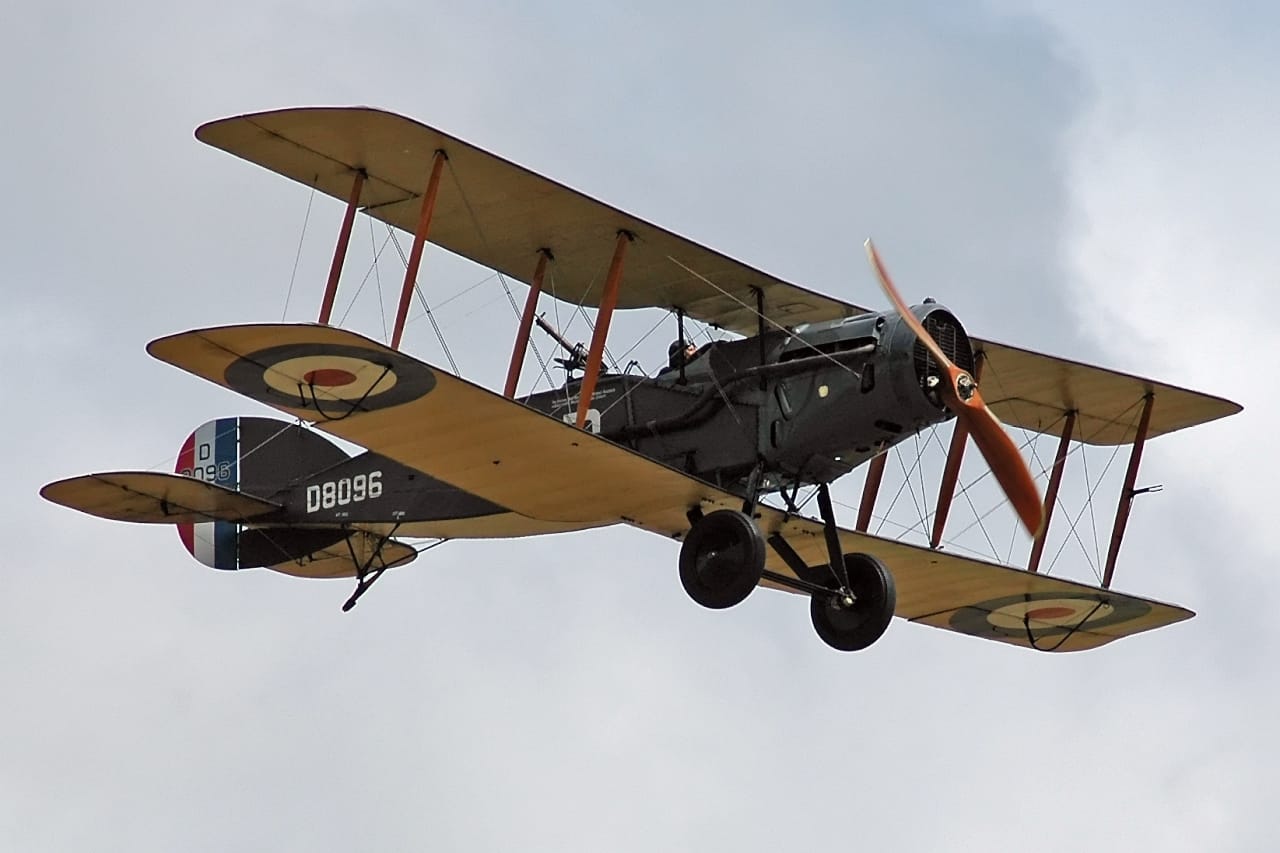
One Moment In, One Moment Out
As the Bristol plunged earthward, negative G-forces lifted Hedley clean out of his seat and flung him into the open air. No parachute. No harness. Just a man in a leather flying coat, tumbling through the January sky above France. What happened next defies rational explanation — and has been debated by aviation historians ever since. As Makepeace leveled out from the dive, Hedley — somehow — connected with the aircraft's aft fuselage. One theory holds that the Bristol's slipstream created enough aerodynamic lift to carry him alongside the aircraft as it descended, allowing him to reconnect with the tail section. Another is that sheer instinct and grip strength let him grab part of the plane as it fell past him. Either way, he found himself clinging to the flat-topped rear fuselage of a moving biplane. Then he crawled forward. That's right — Captain John H. Hedley crawled back into his cockpit while the aircraft was in flight, resumed his position at the gun ring, and continued the mission. A log entry by Lieutenant R.C. Purvis, recorded just two days later, states it matter-of-factly: "Captain J.H. Hedley accidentally thrown into the air, afterwards alighted on tail of same machine and rescued." The RAF equivalent of "nothing to report."The Luckiest Man Alive
Chicago Tribune war correspondent Floyd Gibbons heard the story and gave Hedley a title that would define the rest of his life: The Luckiest Man Alive. Makepeace, for his part, went on to score 17 aerial victories. Hedley accumulated 11 of his own before being shot down and captured two months later — a far more conventional ending to an unconventional war career. After the Armistice, Hedley emigrated to the United States, where he became a popular figure on the 1920s and '30s lecture circuit, retelling his impossible story to packed halls across America. He eventually settled into a quiet career as an accountant in Los Angeles, where he lived until 1977.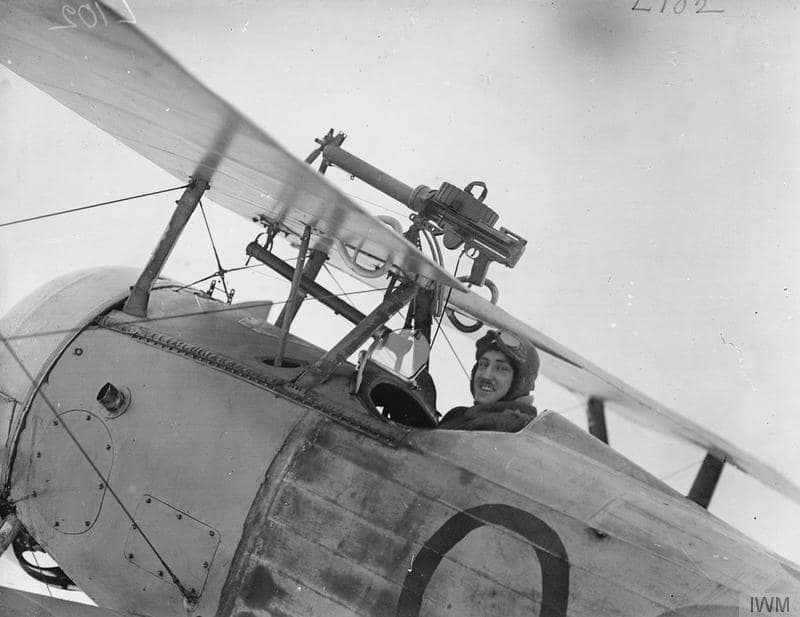
What This Story Tells Us About Aviation Safety
It's easy to look at this story and see only the miracle. But it also illustrates something important: the aviation world learns from every close call. The fact that RFC airmen weren't issued parachutes was a known risk — one that was eventually corrected. Within months of the war's end, parachutes became standard equipment. Within decades, ejection seats, G-suits, harness systems, and pressurized cabins had turned the terrifying art of early flight into one of the statistically safest forms of transportation in human history. At MiGFlug, we're passionate about both the thrill and the safety of aviation. Modern military jets like the MiG-29 or the L-39 Albatros are equipped with state-of-the-art ejection seats, pressurized cockpits, and safety systems that would have been pure science fiction to Captain Hedley. The spirit of adventure is the same. The safety standards? Light-years ahead. Captain Hedley's incredible story is a testament to the human will to survive — and a reminder of how seriously modern aviation takes the responsibility of bringing everyone home safely. Because the best aviation story is always the one that ends with the crew climbing out of the cockpit, smiling. Ready to experience the thrill of flight in a real military jet — with every modern safety system on your side? Explore our jet flight experiences and find out what it feels like to slip the surly bonds of Earth.Related Questions
Did a WWI gunner really fall out of his plane and survive?
Yes. On January 4, 1918, British observer-gunner Captain John H. Hedley was thrown from his Bristol F.2B fighter at altitude during a violent evasive dive. As the aircraft descended, he landed back on its tail, crawled into his cockpit, and continued the mission — earning the nickname "The Luckiest Man Alive."
Who was John Hedley?
John H. Hedley was a Royal Flying Corps observer and gunner in World War I who survived being thrown out of his aircraft and landing back on it. He was credited with 11 aerial victories before later being shot down and captured, becoming one of the war's most remarkable survival stories.
Why did WWI pilots fly without parachutes?
Early in the war, RFC command refused to issue parachutes, fearing they would tempt pilots to abandon repairable aircraft. So airmen like Hedley had only the choice to fight, evade or die — a grim reality shared by later aviators such as the Soviet Night Witches.
What was the Bristol F.2B?
The Bristol F.2B was a British two-seat biplane fighter of World War I, carrying a pilot and a rear observer-gunner like Hedley. Rugged and effective, it was flown aggressively as a true fighter and served in the same skies as legends such as the Red Baron.
How did Hedley get back into his aircraft?
Accounts suggest that as pilot Captain Reginald Makepeace dived, the aircraft descended onto the falling Hedley, who grabbed the rear fuselage and clung on. He then crawled forward into his cockpit and resumed his gun position. A squadron log recorded the event with matter-of-fact understatement two days later.
0 commentaire