
L'après-midi du 26 octobre 2001, Phil Condit, président de Boeing, et Frank Statkus, directeur du programme Joint Strike Fighter, se tenaient devant un téléviseur diffusant en direct les informations du Pentagone. Le plus important contrat de défense de l'histoire – un avion de combat furtif pour les quatre armées, d'une valeur potentielle de plus de 200 milliards de dollars – allait être attribué, et seuls deux noms étaient en lice. Lorsque le verdict tomba, Statkus posa la seule question qui comptait : “ Phil, est-ce un contrat où le gagnant rafle tout ? ” “ À ce stade, la réponse est oui ”, répondit Condit. Le nom annoncé était celui de Lockheed Martin.
Voilà ce que ressent l'équipe perdante lors d'une compétition aéronautique : des années de travail, des milliers de carrières et l'avenir industriel d'une entreprise réduits à une simple phrase prononcée du haut d'une tribune. Les États-Unis règlent ainsi leurs plus grandes questions aéronautiques depuis un demi-siècle : construire les appareils concurrents, les faire s'affronter en vol, puis laisser un comité, une formule et, inévitablement, la politique trancher.
Voici l'histoire du fonctionnement de cette machine, racontée à travers les trois compétitions aériennes les plus importantes de l'ère moderne — que nous avons toutes analysées en détail et auxquelles vous pouvez accéder ci-dessous.
En bref : Les grandes compétitions aéronautiques
| Quoi | Comparatifs directs de prototypes en vol et sélection des fournisseurs d'avions militaires américains |
| ATF, 1986–1991 | Le YF-22 de Lockheed surpasse le YF-23 de Northrop. F-22 Raptor |
| JSF, 1996–2001 | Le X-35 de Lockheed surpasse le X-32 de Boeing. F-35 Éclair II |
| KC-X, 2001–2011 | Boeing l'emporte sur Northrop Grumman/EADS après un scandale, une manifestation et un nouvel appel d'offres pour le KC-46 |
| fil conducteur commun | La politique ne déforme pas le processus, elle en fait partie intégrante. |
| Ensuite | Le GCAP en Europe et au Japon, le F-47 et les avions de combat collaboratifs aux États-Unis |
Ce que décide réellement un duel aérien
Un concours d'avions de chasse est ce qui se rapproche le plus d'un duel dans le cadre d'un achat industriel. Au lieu de choisir entre des promesses sur papier, le client finance la construction de prototypes volants par deux équipes industrielles et leur démonstration en situation réelle. Le concours de chasseurs légers de 1974 a établi le modèle moderne : le YF-16 a battu le YF-17 et – ironie du sort qui console encore les soumissionnaires perdants – le perdant est devenu le chasseur de la Marine. F/A-18. Parfois même des navires arrivés en deuxième position.
Mais les avions ne représentent que la moitié du problème. Une sélection moderne prend en compte le coût, le risque, la gestion du programme et la crédibilité industrielle, en plus des performances brutes. Derrière ces critères se cachent des sénateurs soucieux des emplois dans leurs États, des alliés à l'affût de signaux et des services qui se disputent les budgets. Les trois compétitions présentées ci-dessous ont toutes, au final, été décidées par un mélange d'ingénierie et de politique. C'est précisément ce mélange qui est essentiel.
Furtivité contre furtivité : l'ATF, 1986-1991
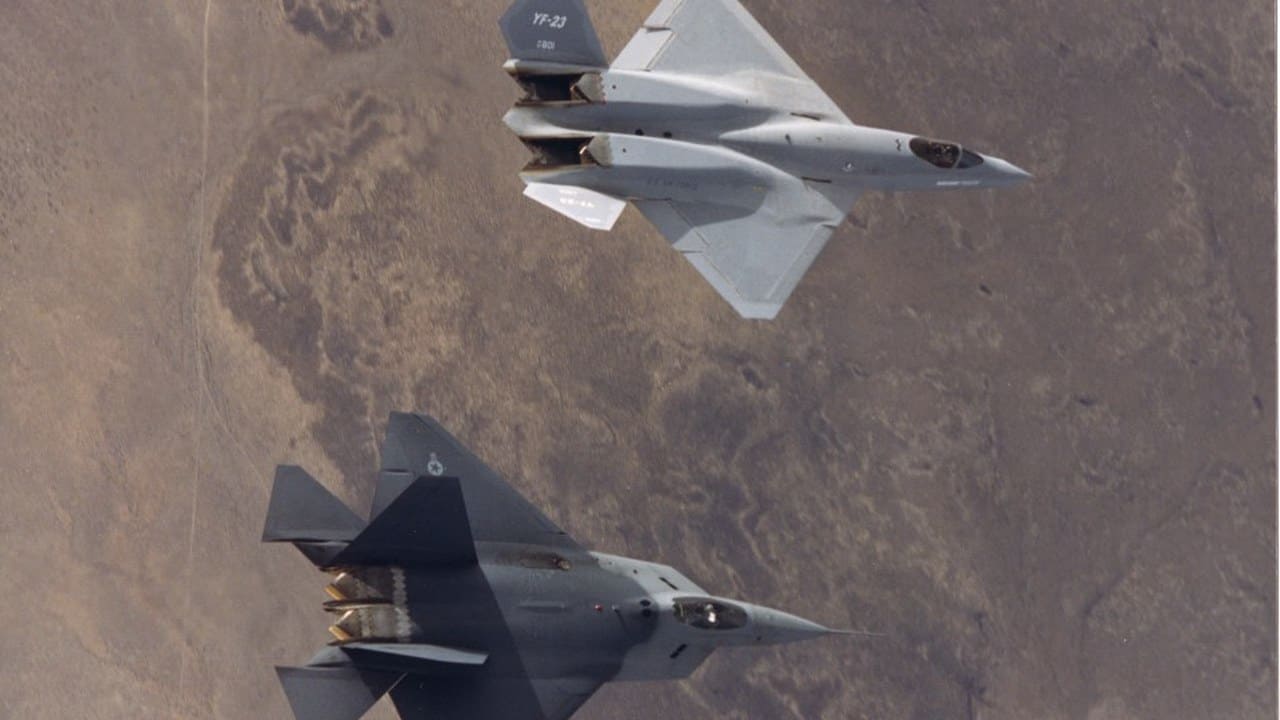
Le concours Advanced Tactical Fighter opposait le YF-23 de Northrop — un appareil à ailes en losange conçu pour la furtivité et la vitesse pure — au YF-22 de Lockheed, un avion agile et performant doté de tuyères à poussée vectorielle qui a tiré de véritables missiles lors de la démonstration. Les deux prototypes ont effectué leur premier vol en 1990 et ont tous deux satisfait aux exigences.
Le 23 avril 1991, le secrétaire à l'Air Force, Donald Rice, choisit Lockheed, se disant confiant que son équipe serait capable de respecter les coûts – une façon polie de souligner que Northrop B-2 Le programme avait terni sa réputation à Washington au moment même où la facture arrivait à échéance. Le pilote d'essai Paul Metz, qui a piloté le YF-23 en premier et a également effectué le premier vol du F-22, a soutenu que les deux avions étaient équivalents en vol et que Lockheed avait simplement mieux vendu que Northrop au sol.
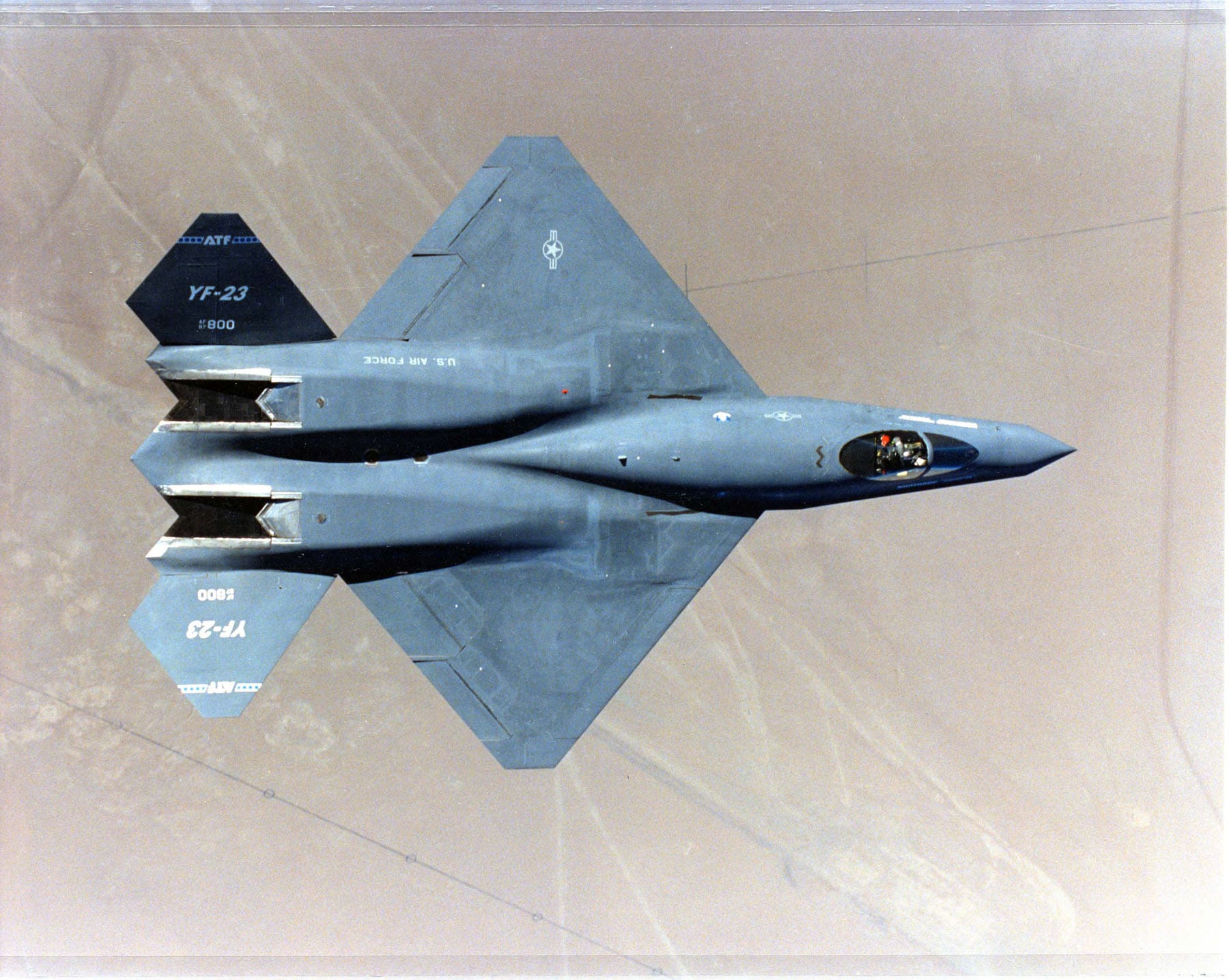
▸ Lire l'article complet : Le meilleur combattant qui n'a jamais existé (YF-23 contre YF-22)
La décennie des pétroliers : KC-X, 2001-2011
Aucune compétition n'illustre plus ouvertement les enjeux politiques que la lutte de dix ans pour remplacer le ravitailleur KC-135. Tout a commencé par un contrat de location qui a capoté lorsque le principal négociateur en matière d'acquisitions de l'US Air Force a été emprisonné pour avoir favorisé Boeing lors de négociations pour un poste au sein de cette entreprise. Le nouvel appel d'offres, mené dans des conditions optimales, a alors créé la surprise : en février 2008, Northrop Grumman et l'européen EADS ont remporté la mise face à Boeing avec un ravitailleur basé sur la plateforme d'Airbus.
Le Congrès s'est enflammé, Boeing a protesté et le Bureau de la responsabilité gouvernementale (GAO) a conclu que l'armée de l'air avait commis “ plusieurs erreurs importantes ”, annulant ainsi le contrat. La nouvelle offre, remaniée, a contraint Northrop à se retirer ; EADS a poursuivi la compétition seule et a finalement perdu face au KC-46 de Boeing en février 2011. Le sénateur de l'Alabama y voyait des manœuvres douteuses.
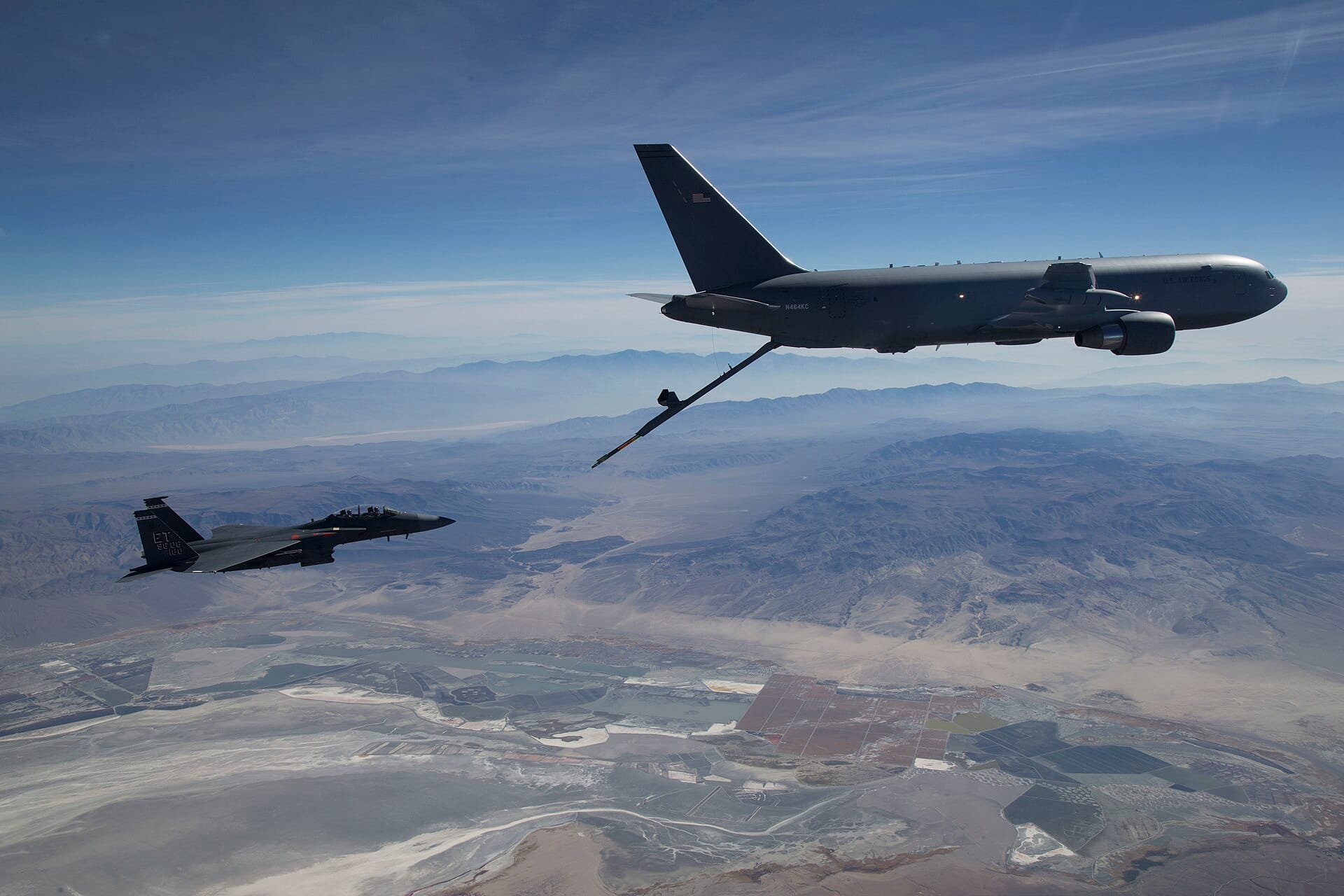
L'épilogue est d'une ironie pure : le ravitailleur A330, qui avait perdu la compétition, est devenu le champion des exportations du monde occidental, et l'usine de Mobile, en Alabama, construite pour lui, assemble désormais des avions de ligne Airbus pour les compagnies aériennes américaines.
▸ Lire l'article complet : La guerre des pétroliers que Washington a menée contre elle-même (KC-X)
Un seul avion pour les gouverner tous : JSF, 1996–2001
Le concours Joint Strike Fighter a mis Boeing et Lockheed Martin face à un défi de taille : concevoir un chasseur furtif abordable pour l’Armée de l’air, la Marine, les Marines et le Royaume-Uni, en misant l’intégralité de la production sur le vainqueur. Boeing a opté pour une sustentation directe, simple et éprouvée, pour la version à atterrissage vertical ; Lockheed a pris le risque d’un système à sustentation par arbre, une technologie inédite.
Le pari s'est avéré payant. En juillet 2001, le X-35B a décollé en moins de 150 mètres, a franchi le mur du son et a atterri verticalement en un seul vol – une première historique – tandis que le X-32 de Boeing, surnommé avec ironie “ Monica ”, volait encore avec une configuration que ses propres ingénieurs avaient déjà abandonnée. Le 26 octobre 2001, le Pentagone a officialisé la nouvelle.
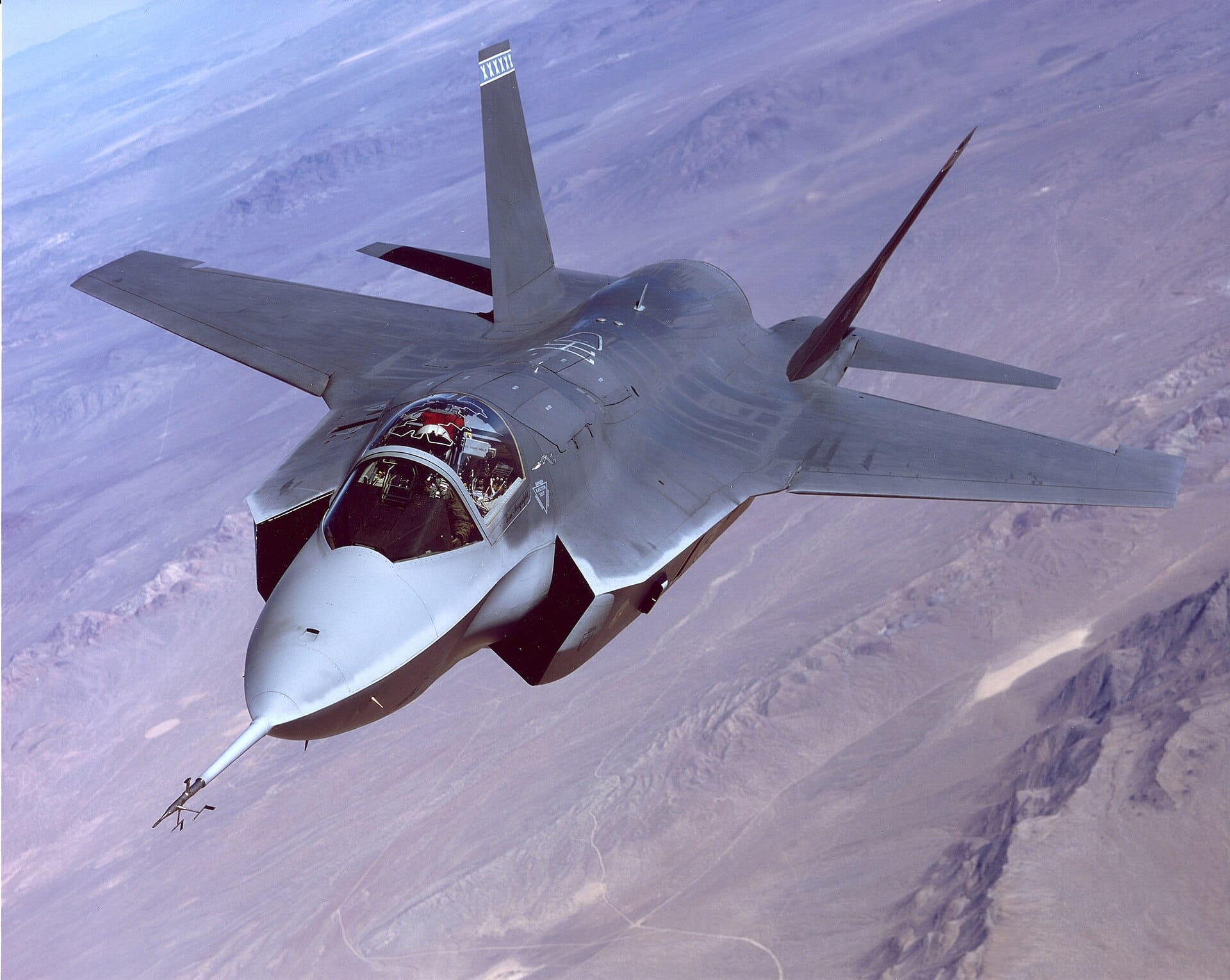
L'opportunité d'une stratégie où le vainqueur rafle tout fait l'objet de débats à chaque fois qu'une estimation du coût du F-35 arrive sur un bureau à Washington. Mais en tant qu'exercice d'ingénierie compétitive, le duel aérien du JSF demeure la référence absolue – et, grâce à une équipe de tournage de NOVA, le duel le mieux documenté de l'histoire de l'aviation.
▸ Lire l'article complet : Un avion pour les gouverner tous (X-32 contre X-35)
Les prochains duels
Le format évolue, il ne disparaît pas. Aux États-Unis, le chasseur de nouvelle génération F-47 a été attribué à Boeing en 2025 après un appel d'offres largement confidentiel, et la véritable compétition s'est déplacée vers les essaims : les équipes rivales pilotent désormais des aéronefs de combat collaboratifs concurrents — les drones ailiers qui combattront aux côtés des avions de chasse pilotés.
L'Europe, quant à elle, mène sa propre expérience sur la manière de ne pas être compétitive. Le programme franco-germano-espagnol FCAS s'est effondrée sous le poids de sa propre politique de partage du travail, tandis que le consortium GCAP, composé de la Grande-Bretagne, de l'Italie et du Japon a signé un contrat de plusieurs milliards de livres sterling avec sa coentreprise EdgeWing Et nous avons continué d'avancer. Différents continents, même leçon : l'avion ne représente jamais que la moitié du combat.
Quelque part dans un hangar repose actuellement un prototype qui perdra le prochain grand concours aérien – et, si l'on se fie à l'histoire, il pourrait bien devenir un modèle d'excellence, adulé et sujet à controverses pendant les quarante prochaines années. C'est aussi ainsi que se décide la suprématie aérienne.
Sources : Wikipédia (Advanced Tactical Fighter, Joint Strike Fighter program, KC-X), PBS NOVA “ Battle of the X-Planes ”, US GAO, The War Zone, Air & Space Forces Magazine, Aerospace America / AIAA
Questions connexes
Qu'est-ce qu'une séance d'essais en vol dans le cadre de l'acquisition d'aéronefs militaires ?
Un concours de prototypes est une compétition directe où le client finance la construction de prototypes volants par deux équipes industrielles, qui les font ensuite s'affronter lors de démonstrations techniques, plutôt que de choisir entre des propositions sur papier. L'armée américaine utilise cette méthode depuis un demi-siècle pour ses décisions les plus importantes concernant ses aéronefs, se servant des résultats pour sélectionner les lauréats de programmes de production de plusieurs milliards de dollars.
En quoi consistait le concours Advanced Tactical Fighter ?
Le concours Advanced Tactical Fighter (ATF) s'est déroulé de 1986 à 1991 afin de sélectionner le prochain chasseur furtif de l'US Air Force. Le YF-22 de Lockheed s'est opposé au YF-23 de Northrop. Lockheed a remporté la compétition et son appareil est entré en service sous la désignation F-22 Raptor, qui demeure la référence en matière de chasseur de supériorité aérienne et un précurseur des avions de combat furtifs actuels. programmes de sixième génération.
Quel avion a remporté le concours Joint Strike Fighter ?
Lockheed Martin a remporté le concours Joint Strike Fighter en 2001, lorsque son X-35 a battu le X-32 de Boeing. démonstration de concept en vol. Le projet retenu devint le F-35 Lightning II, aujourd'hui utilisé par une vingtaine de pays. Le programme était évalué à plus de 14 200 milliards de dollars, ce qui représentait à l'époque la plus importante acquisition d'armement de l'histoire.
En quoi consistait le concours de ravitailleurs KC-X ?
Le concours KC-X fut une compétition longue et âpre visant à remplacer les ravitailleurs en vol KC-135 vieillissants de l'US Air Force par 179 nouveaux appareils. Après un scandale, une protestation et un nouvel appel d'offres, Boeing a finalement gagné. avec son KC-46A basé sur le 767 en 2011. Cette saga a montré à quel point la politique et les acquisitions sont profondément imbriquées dans les grands programmes de défense.
Le YF-23 a-t-il été vaincu par le F-22 ?
Oui. Le YF-23 de Northrop a perdu le concours du chasseur tactique avancé face au YF-22 de Lockheed en 1991. Malgré la vitesse et la furtivité du YF-23, l'US Air Force a choisi le YF-22, qui est devenu le F-22 Raptor. Les prototypes du YF-23 sont conservés dans des musées et restent un sujet de prédilection pour les passionnés d'aviation.
Qu'était-ce que la compétition des poids légers de 1974 ?
La compétition des avions de chasse légers de 1974 opposait le YF-16 de General Dynamics au YF-17 de Northrop. Le YF-16 remporta la victoire et devint un appareil extrêmement populaire. F-16 Le Fighting Falcon. Ironie du sort qui console encore les enchérisseurs perdants, le YF-17 a ensuite été développé par l'US Navy pour devenir le F/A-18 Hornet ; ainsi, les deux prototypes ont finalement donné naissance à des chasseurs de première ligne.
Pourquoi la politique fait-elle partie des compétitions d'avions militaires ?
La politique est intrinsèquement liée aux appels d'offres dans le secteur aéronautique, car les contrats portent sur des dizaines de milliards de dollars, des milliers d'emplois et l'avenir industriel d'entreprises entières. L'intérêt du Congrès, l'implantation des usines dans l'État d'origine et les protestations auprès des instances de contrôle influencent tous les résultats. Comme l'a démontré la controverse autour du ravitailleur KC-X, la politique n'est pas une distorsion du processus, mais bien une composante essentielle.
0 commentaire