
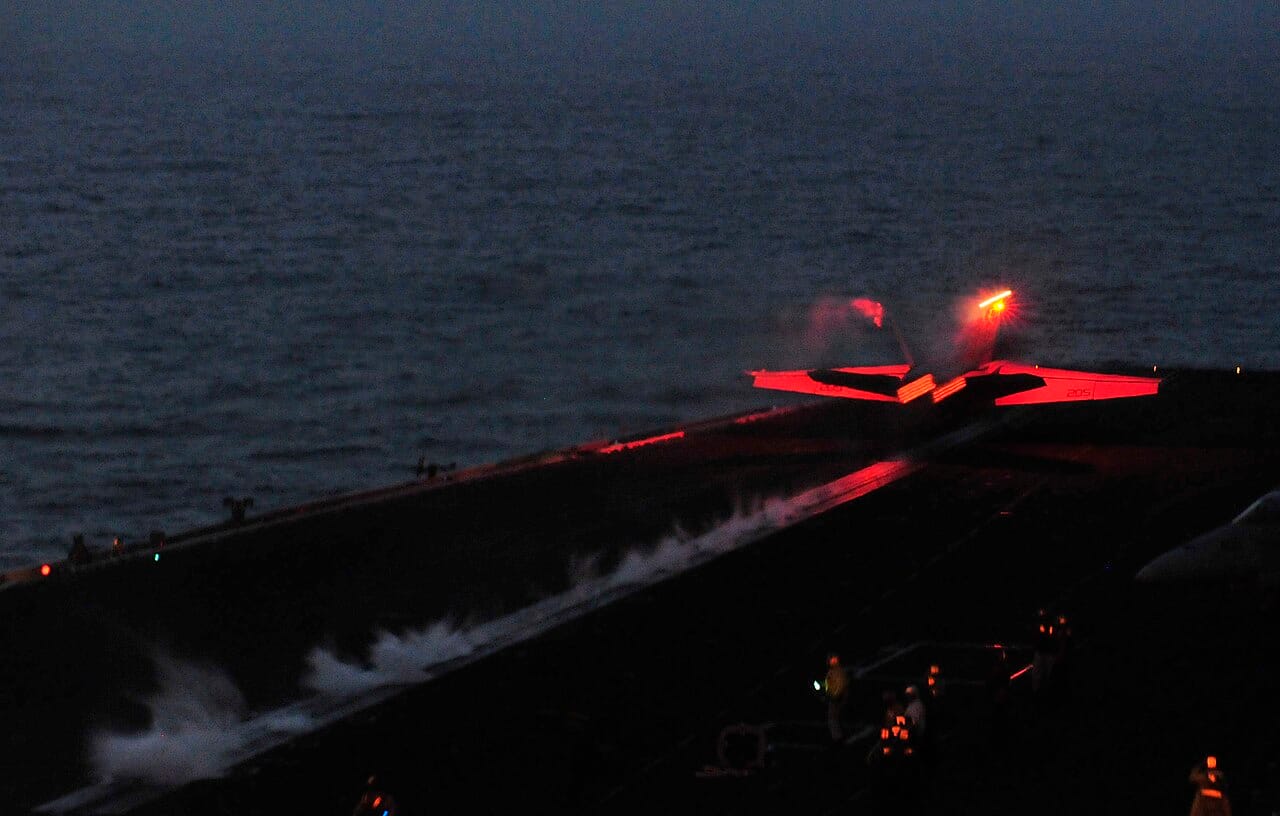
Ten nights in, the pattern has become grimly familiar. Shortly after 9:00 p.m. Eastern on 20 July, U.S. Central Command announced it had finished another round of strikes on Iran — the tenth consecutive night — hitting military command centres, missile and drone launch sites, air defence systems and maritime targets.
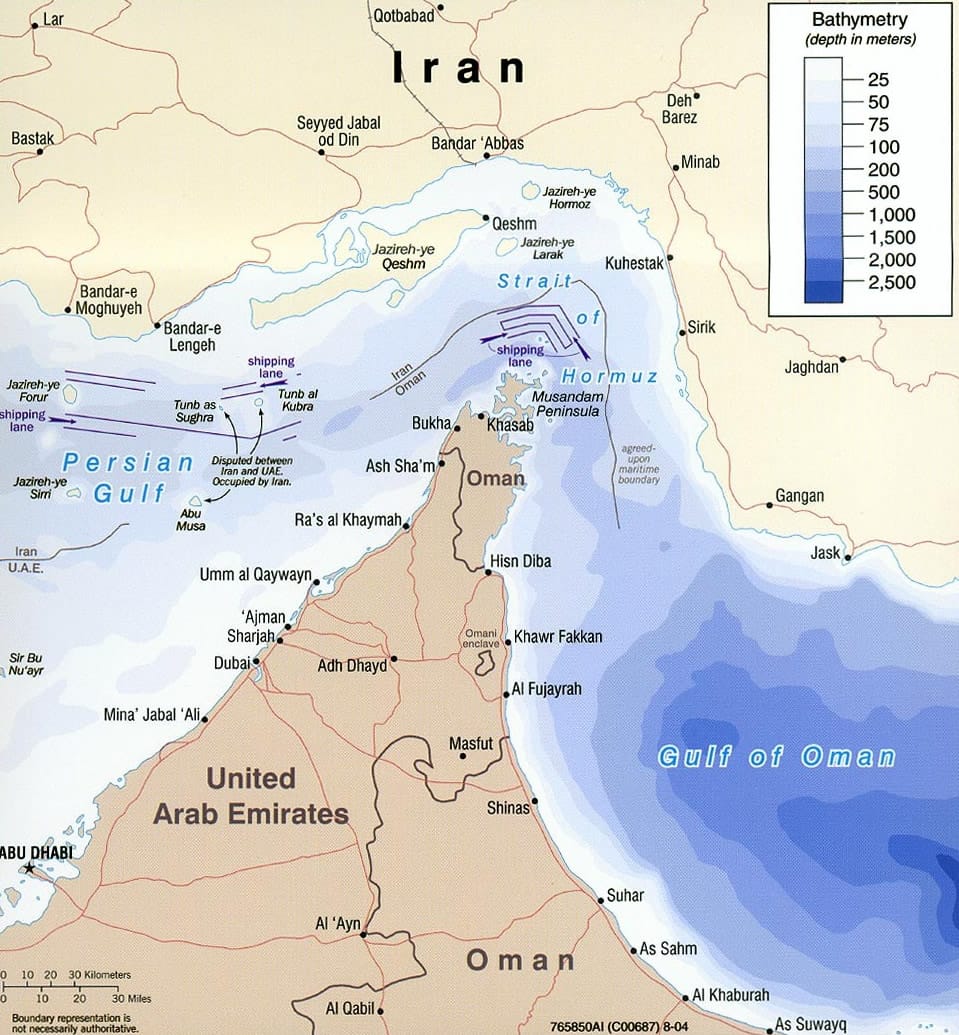
Iranian media reported explosions along the southern coast, from Bandar Abbas and Qeshm to Sirik Island, with further blasts said to have been heard as far inland as Shiraz and Isfahan. The strikes are the latest in a campaign that began in May 2026 and shows little sign of slowing.
| Événement | 10th consecutive night of U.S. strikes on Iran |
| Quand | Concluded ~9:00 p.m. ET, 20 July 2026 |
| OMS | U.S. Central Command (CENTCOM) |
| Targets | Command centres, missile & drone launch sites, air defences, maritime assets |
| Stated goal | Protect shipping in the Strait of Hormuz |
| Campaign start | May 2026 |
A war about a waterway
CENTCOM has been consistent about why. In its statement on the tenth night, the command said the strikes were meant to degrade the Iranian military capabilities being used to threaten commercial shipping in the Strait of Hormuz — the narrow chokepoint through which a large share of the world’s oil moves by sea.
By CENTCOM’s own accounting, U.S. forces have helped roughly 900 commercial vessels carrying an estimated 450 million barrels of crude transit the strait safely since early May. That figure is the campaign’s headline justification: keep the tankers moving, whatever it takes.
Why it keeps going night after night
Air defences and mobile missile and drone launchers are exactly the sort of targets that do not stay dead. Batteries move, launchers reload, command nodes are rebuilt. Sustaining pressure means going back — which is how a campaign turns into a nightly ritual of degrade, reassess, repeat.
The cost has not been one-sided. The strikes come against a backdrop of American casualties in the wider confrontation, including a U.S. service member killed in the region, and Iranian retaliation reaching beyond its borders. Each loss raises the political temperature and, with it, the pressure to keep striking.
What the tenth night tells us
The significance of “ten in a row” is less about any single target than about tempo. A one-off raid is a message; ten consecutive nights is a campaign with staying power, and it signals that Washington intends to keep the strait open by force for as long as the threat to shipping persists.
CENTCOM released footage of the latest wave, shared widely on social media, as seen below.
How it ends is anyone’s guess. But for now the arithmetic is simple and unforgiving: as long as Iran can range the tankers, and as long as the tankers must sail, the strikes continue.
Sources: U.S. Central Command statements (20 July 2026); Al Jazeera; The Jerusalem Post; GlobalSecurity.org; reporting via OSINT accounts.
0 commentaire