
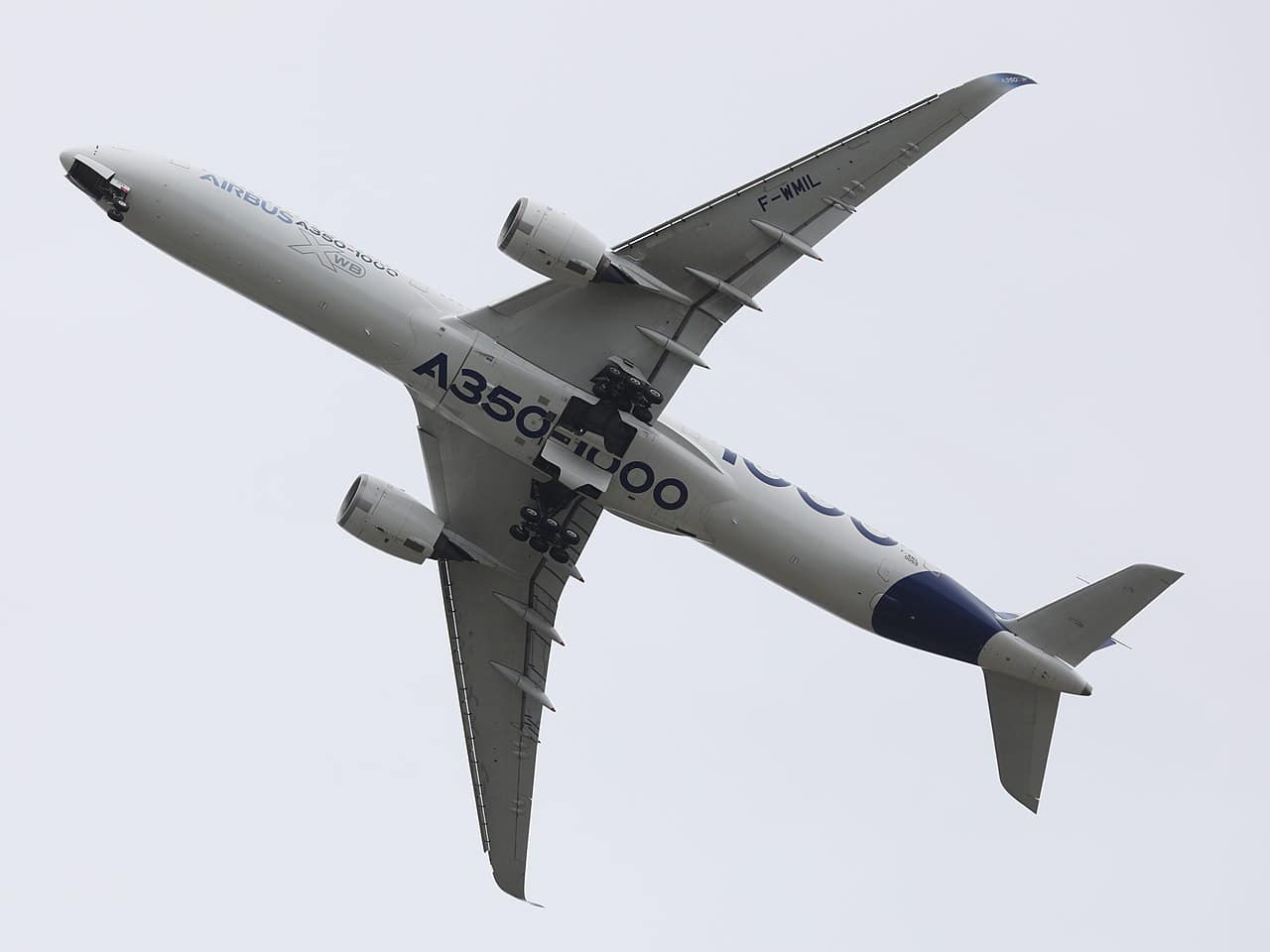
Atlas Air est le plus grand opérateur mondial de Boeing 747 cargo. La compagnie exploite plus de 747-8F et de 747-400 que toute autre compagnie aérienne au monde. Le 747 est, à bien des égards, son emblème. Aussi, lorsqu'Atlas arrive à Toulouse et signe une commande de 14 000 milliards de yuans pour 20 Airbus A350F fermes et 20 autres en option, cela représente un bouleversement majeur sur le marché du fret aérien.
La production du 747 s'est arrêtée en 2023. Son principal successeur, le 777-8F de Boeing, accuse plusieurs années de retard. Airbus, qui n'avait jamais proposé de gros cargo crédible auparavant, vient de séduire le client le plus fidèle de son rival et de l'intégrer à sa propre gamme.
Informations clés
Compagnie aérienne: Atlas Air Worldwide (Achat, NY)
Aéronef: Airbus A350F (variante cargo de l'A350-1000)
Taille de la commande : 20 actions fermes + 20 options
Valeur approximative : $7 milliards de dollars pour l'entreprise, ~$14 milliards de dollars si toutes les options sont exercées
Charge utile: 109 tonnes — comparable au 777F, 25%, consommation de carburant inférieure à celle du 747-400F
Première livraison : 2029 (prévu)
Contexte stratégique : Première commande importante d'Atlas auprès d'Airbus ; remplacement des 747-400F au cours de la prochaine décennie

La fin de l'ère du 747F
Le Boeing 747 cargo a été l'épine dorsale du fret aérien mondial pendant cinquante ans. Le 747-8F, dernière version produite, a établi la norme avec une charge utile de 134 tonnes et un système de chargement par le nez permettant d'y glisser facilement des marchandises hors gabarit. Mais sa production est arrêtée. Le 747-8F le plus récent a été construit en 2023 et la plupart des exemplaires appartiennent à Atlas.
Le 777-8F était censé être le remplaçant naturel. Il le sera, à terme. Boeing a repoussé à plusieurs reprises la date d'entrée en service et vise désormais 2029 au plus tôt. C'est trop tard pour Atlas, dont les 747-400F atteindront leur fin de vie économique entre 2028 et 2030. Airbus a proposé un appareil, avec un calendrier de livraison compatible avec le plan de flotte d'Atlas, et Atlas a signé.
Ce que l'A350F apporte
L'A350F est, en substance, un A350-1000 doté d'un plancher renforcé, d'une porte cargo avant sur le pont principal et de systèmes optimisés pour le fret. Sa capacité de chargement est de 109 tonnes, inférieure aux 134 tonnes du 747-8F, mais largement suffisante pour les principales liaisons porte-conteneurs qui représentent 80 % du marché mondial du fret. Sa consommation de carburant est environ 25 % inférieure à celle d'un 747-400F par tonne-kilomètre et 15 % inférieure à celle d'un 777F.

Pourquoi cela est important au-delà d'Atlas
Air Lease Corporation et CMA CGM ont été les premières à signer pour l'A350F. Singapore Airlines a suivi. C'est maintenant au tour d'Atlas. Dès qu'une compagnie cargo se tourne vers Airbus, ses programmes de formation, ses contrats de maintenance et de recrutement de pilotes s'orientent également vers Airbus. La domination quasi totale de Boeing sur le marché des avions-cargos, qui a duré un demi-siècle, ne prend pas fin avec l'arrêt de la production du 747, mais avec ce contrat.
Les analystes du secteur aéronautique s'attendent désormais à ce que Boeing accélère drastiquement le programme 777-8F, sous peine de perdre également les commandes ultérieures de FedEx, UPS et Cargolux au profit d'Airbus. Quoi qu'il en soit, le marché du fret aérien est redevenu véritablement concurrentiel pour la première fois depuis 1970.
Sources : Reuters, Aviation Week, communiqué de presse d'Airbus, réunion d'information des investisseurs d'Atlas Air.
Questions connexes
Qu'a commandé Atlas Air à Airbus ?
Atlas Air Worldwide a signé une commande ferme d'environ 14 000 milliards de livres sterling pour 20 Airbus A350F cargo, assortie de 20 options, pouvant atteindre une valeur d'environ 14 000 milliards de livres sterling si toutes les options sont levées. Il s'agit de la première commande importante d'Atlas auprès d'Airbus et d'une victoire majeure pour Airbus sur le marché des gros-porteurs. La première livraison est prévue pour 2029.
Qu'est-ce que l'Airbus A350F ?
L'A350F est la version cargo dédiée de l'A350-1000. Il transporte une charge utile d'environ 109 tonnes, comparable à celle du Boeing 777F, tout en consommant environ 251 tonnes de carburant en moins que l'ancien 747-400F, ce qui en fait un remplaçant efficace pour les avions cargo quadriréacteurs vieillissants.
Pourquoi la commande d'Atlas Air est-elle importante pour Airbus ?
Atlas Air est le plus grand opérateur mondial de Boeing 747 cargo. Son passage à l'A350F amène donc le client cargo le plus fidèle de Boeing à rejoindre le camp d'Airbus. Avec l'arrêt de la production du 747 et le retard du 777-8F de Boeing, Airbus a pris l'ascendant – une des raisons de ce changement. Airbus a dépassé Boeing en 2026..
Pourquoi Boeing a-t-il arrêté la production du 747 ?
Boeing a mis fin à la production du 747 en 2023 suite à l'effondrement de la demande pour les gros avions quadrimoteurs, au profit des bimoteurs plus économes en carburant. Le 747 a révolutionné le transport aérien et de marchandises à l'échelle mondiale pendant plus de cinq décennies ; vous pouvez lire l'histoire complète sur [lien vers l'article]. l'avion qui a rendu le transport aérien abordable pour tous.
Quand Atlas Air recevra-t-elle ses avions-cargos A350F ?
La première livraison des A350F d'Atlas Air est prévue pour 2029, ces appareils remplaçant progressivement sa flotte de 747-400F au cours de la décennie suivante. Cette introduction progressive permet à Atlas de moderniser sa capacité de fret tout en continuant d'exploiter ses gros-porteurs cargo existants.
Les compagnies aériennes passent-elles de Boeing à Airbus ?
Airbus a remporté des commandes prestigieuses dans tous les segments, des avions-cargos d'Atlas Air aux contrats pour avions de passagers comme AirAsia détient le record de 150 A220. Les retards de livraison et l'arrêt de programmes clés de Boeing ont permis à Airbus de se constituer une solide avance en matière de commandes au milieu des années 2020.


0 commentaire