Chez MiGFlug, nous avons réalisé plusieurs essais avec des drones pour créer des vidéos exceptionnelles d'avions de chasse. Pour les prises de vue aériennes, nous avons toujours besoin d'avions réels, mais nous avons testé des prises de vue par drone pendant le roulage de l'appareil. Forts de cette expérience, nous souhaitons partager les principes de base acquis avec notre partenaire drone. Les drones, également appelés véhicules aériens, offrent de nouvelles perspectives spectaculaires pour la capture de vidéos.
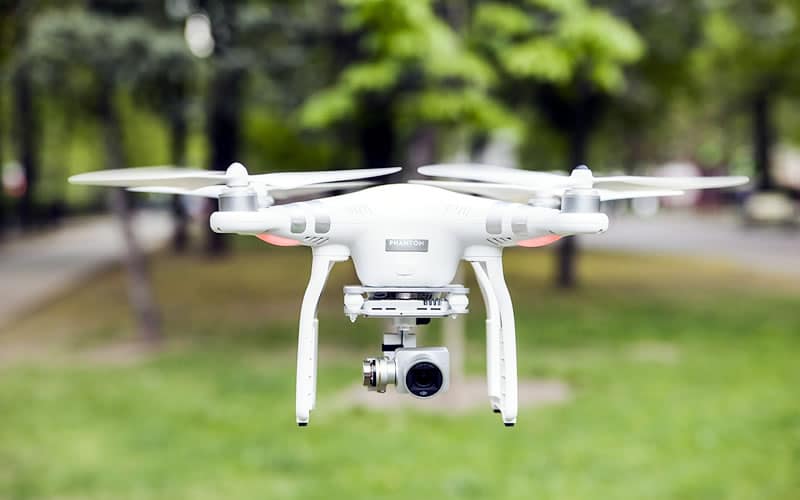
de superbes prises de vue aériennes et tout le reste. Prendre des photos et des vidéos aériennes avec un drone est une idée géniale et originale. La photographie par drone joue un rôle clé et a le pouvoir d'émerveiller le public avec des photos et des vidéos époustouflantes. Les drones ont immortalisé certains des plus beaux paysages du monde. Utiliser un drone personnel pour prendre des photos aériennes peut donner des résultats fabuleux. 1) Entraînement : Piloter un drone peut être délicat pour un débutant, car le pilotage n'est pas la seule partie complexe ; il faut aussi filmer et prendre des photos. Un débutant peut facilement faire s'écraser un drone lors de son premier vol. Pour éviter cela, il est essentiel de comprendre le fonctionnement de votre drone avant de l'utiliser. Ne prenez pas de photos si vous n'êtes pas encore familiarisé avec les commandes de votre émetteur. 2) Équipement nécessaire : La plupart des drones sont fournis avec un émetteur, qui sert de panneau de contrôle, et une caméra intégrée. L'émetteur possède deux commandes : l'une contrôle la rotation et l'altitude du drone, l'autre sa direction. Certains émetteurs intègrent un moniteur vidéo permettant de visionner la vidéo en direct pendant le vol.
nacelle Un stabilisateur de caméra est un accessoire indispensable pour votre drone. Il s'agit d'un système de stabilisation qui maintient la caméra stable lorsque le drone prend de la vitesse. Il est généralement situé sous le drone. Les stabilisateurs améliorent considérablement la qualité vidéo en garantissant des enregistrements fluides. Heureusement, la plupart des drones, même les plus abordables, sont équipés d'un stabilisateur intégré. Ce dernier offre une grande flexibilité car il permet de déplacer la caméra directement sur le drone. Vous pouvez même l'incliner en plein vol. Certaines télécommandes sont dotées d'une molette permettant de modifier la position du stabilisateur. Cependant, même si les drones offrent des vues imprenables du ciel, rien ne vaut un vol en avion pour profiter pleinement de ces panoramas exceptionnels.
MiG-29 Vols aux confins de l'espace🙂 3) Qualité d'image : Pour les photos, il est essentiel de piloter votre drone à une vitesse réduite. Même équipé d'une nacelle stabilisée, il est important que votre drone reste immobile ; la vitesse rendra vos images floues. De plus, privilégiez les photos par temps clair. 4) Économie de batterie : En cas d'urgence, le drone retourne automatiquement à son point de départ. Cette fonction est très pratique, notamment en situation d'urgence. Cependant, si la batterie est déchargée, le drone ne retourne pas à son point de décollage. S'il tombe en panne de batterie en vol, il atterrit immédiatement, même au-dessus de l'eau. Il est donc primordial de surveiller attentivement le niveau de batterie de votre drone. Pensez à toujours vérifier votre temps de vol restant, car il est facile de se laisser emporter par la prise de photos et d'oublier la batterie qui se décharge. Pour éviter les pannes de batterie, surtout pour la photographie, commencez à faire voler le drone précisément dans la zone où vous souhaitez prendre des photos. 5) Légalité et respect de la vie privée : Ne prenez pas de photos aériennes qui portent atteinte à la vie privée des personnes. Évitez de prendre des photos ou des vidéos de personnes dans leurs jardins, usines, installations militaires ou tout autre lieu où la prise de photos est interdite. De plus, vous devez enregistrer votre drone auprès de la Federal Aviation Administration (FAA).
FAA si vous vivez aux États-Unis.
Questions connexes
Comment un débutant peut-il apprendre à piloter un drone ?
Commencez par vous entraîner en espace ouvert, car piloter, cadrer et gérer la caméra simultanément est difficile et les débutants s'écrasent souvent lors de leur premier vol. Apprenez à utiliser la radiocommande avant de vous intéresser à la photographie : un manche gère la rotation et l'altitude, l'autre la direction. Développez d'abord vos compétences de pilotage de base, puis concentrez-vous sur la prise de vue.
De quel matériel avez-vous besoin pour la photographie par drone ?
Au minimum, un drone équipé d'une radiocommande (le panneau de contrôle) et d'une caméra. Les deux commandes de la radiocommande permettent de contrôler la rotation/l'altitude et la direction, et certaines radiocommandes intègrent un moniteur vidéo en direct. Une nacelle stabilisée (un système de stabilisation qui maintient la caméra stable pendant les accélérations du drone) est indispensable pour des prises de vue fluides ; la plupart des drones, même les moins chers, en sont équipés.
Qu'est-ce qu'une nacelle stabilisée sur un drone ?
Un stabilisateur de nacelle est un dispositif de stabilisation de caméra, généralement fixé sous le drone, qui maintient la caméra stable lorsque l'appareil accélère ou effectue des manœuvres. Il améliore considérablement la qualité vidéo en atténuant les vibrations et les mouvements, et permet d'incliner ou de déplacer la caméra indépendamment pendant le vol du drone, pour des prises de vue plus flexibles.
Comment obtenir des photos nettes prises avec un drone ?
Volez lentement et maintenez le drone aussi immobile que possible pour prendre des photos : les images se floutent à mesure que vous accélérez, même avec une nacelle stabilisée. Photographiez par temps clair pour une lumière et un contraste optimaux. La patience et un vol stationnaire stable, plutôt que des mouvements rapides, permettent d’obtenir les photos aériennes les plus nettes.
Que se passe-t-il lorsqu'un drone tombe en panne de batterie en plein vol ?
De nombreux drones sont équipés d'une fonction de retour automatique au point de départ en cas d'urgence, à condition que la batterie soit suffisamment chargée. Si la batterie se décharge en vol, le drone atterrit immédiatement où qu'il se trouve, même au-dessus de l'eau. Surveillez toujours attentivement le niveau de la batterie, car il est facile de le perdre de vue pendant un tournage.
Les drones sont-ils utilisés dans l'aviation professionnelle et le tournage de films ?

Les drones, c'est génial ! Merci pour ce bel article !