
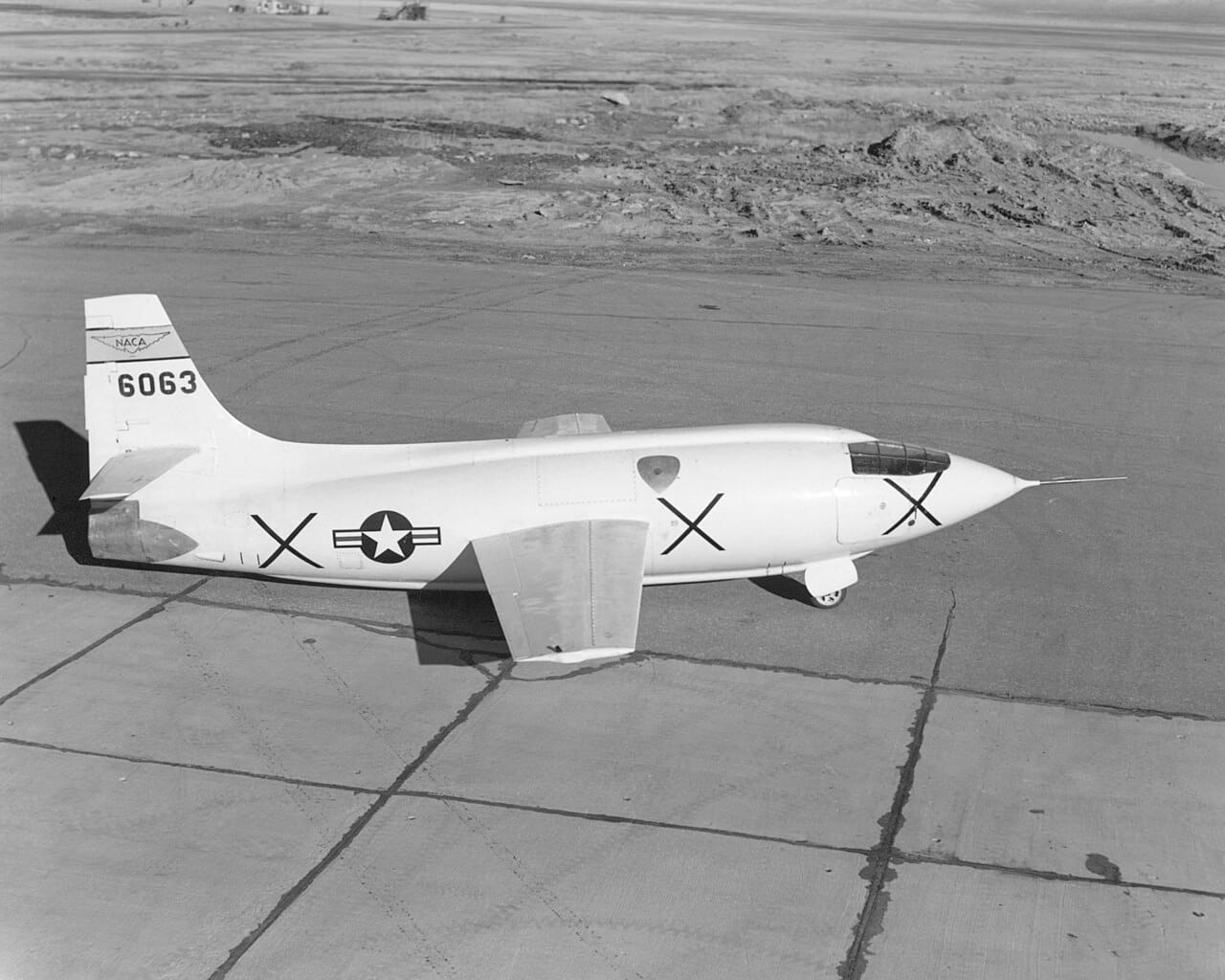
Everyone knows who first broke the sound barrier: Chuck Yeager, October 1947, the orange Bell X-1, a rib strapped up with a broom handle. It is one of the great stories in aviation. But there is a second name that belongs beside it — a quiet engineer from Tennessee who did something Yeager did not, and whom history has almost entirely forgotten.
His name was Herbert Hoover. Not the president — the test pilot. And on 10 March 1948, he became the first civilian ever to fly faster than sound.
FAITS RAPIDES
| Nom | Herbert Henry "Herb" Hoover (1912–1952) |
| Jalon | First civilian to break the sound barrier |
| Date | 10 March 1948 |
| Aéronef | Bell X-1 Ship #2 (46-063), reaching Mach 1.065 |
| Rôle | NACA test pilot; chief of flight operations, Langley |
| Destin | Killed in a 1952 B-45 Tornado break-up; his parachute never opened |
The other man in the orange rocket
Yeager flew for the Air Force. Hoover flew for the NACA — the National Advisory Committee for Aeronautics, the government research body that would one day become NASA. In the joint programme to conquer the sound barrier out at Muroc Dry Lake, the Air Force and the NACA ran in parallel: Yeager was the military’s man, Hoover was the civilian scientists’ lead pilot.
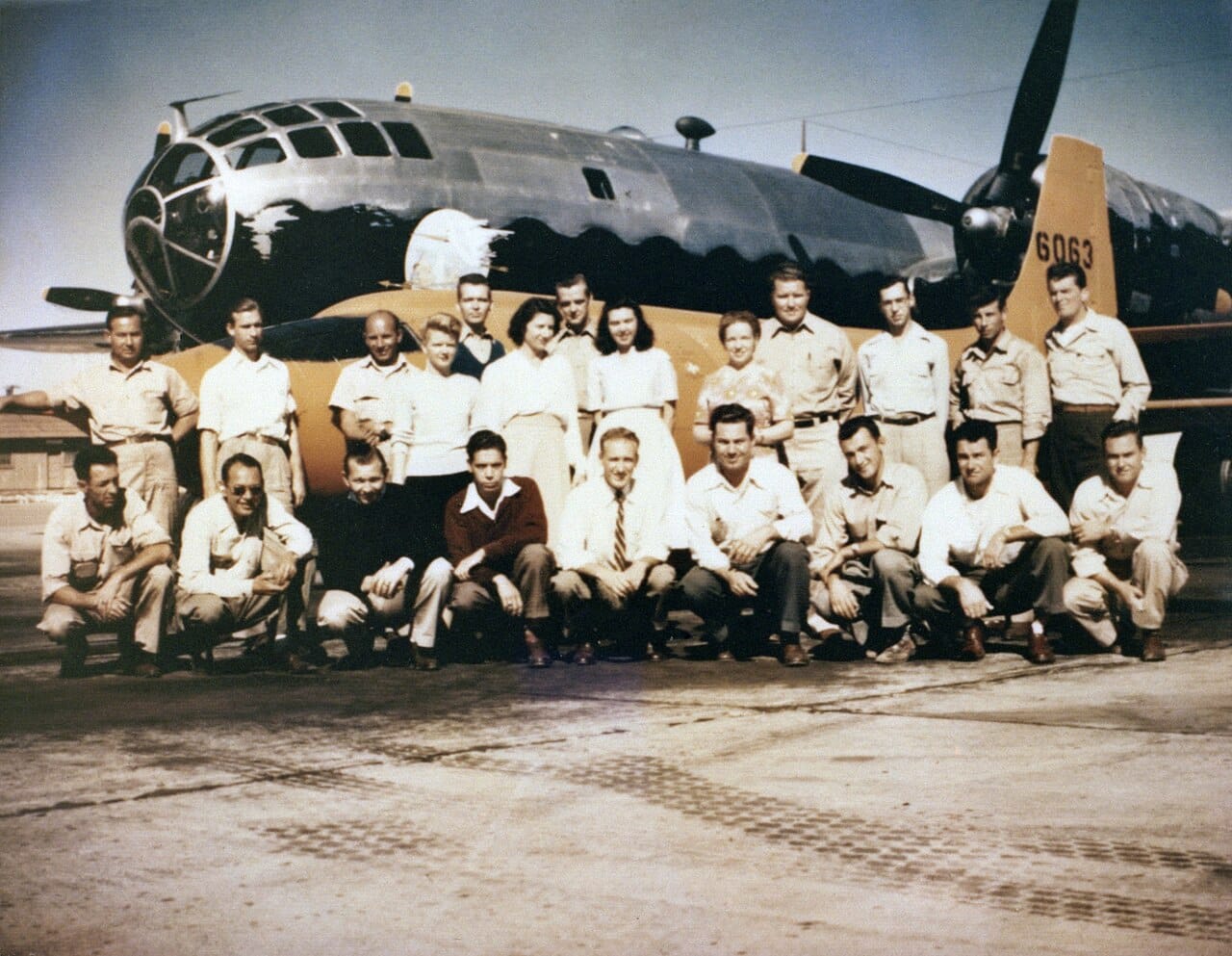
On 10 March 1948 — his eleventh flight in the X-1 — Hoover was dropped from the belly of a B-29, lit the rocket, and pushed through Mach 1 to about Mach 1.065. Yeager had been first; Hoover was the second human being ever to do it, and the first who was not in uniform. The data he brought back belonged to the whole of aviation.
President Truman pinned the Air Medal on him in 1950. The citation was dry, in the way such things always are.
A pilot who kept his head
Hoover was a University of Tennessee engineer who had joined the NACA in 1940 and flown more than a hundred types. He was famous among his peers for icy calm in emergencies — he once landed after a Helldiver’s canopy smashed into his face, and another time nursed home a Mustang whose cooling system had been punctured by a disintegrating test model. His work was so secret that his own family barely knew what he did.
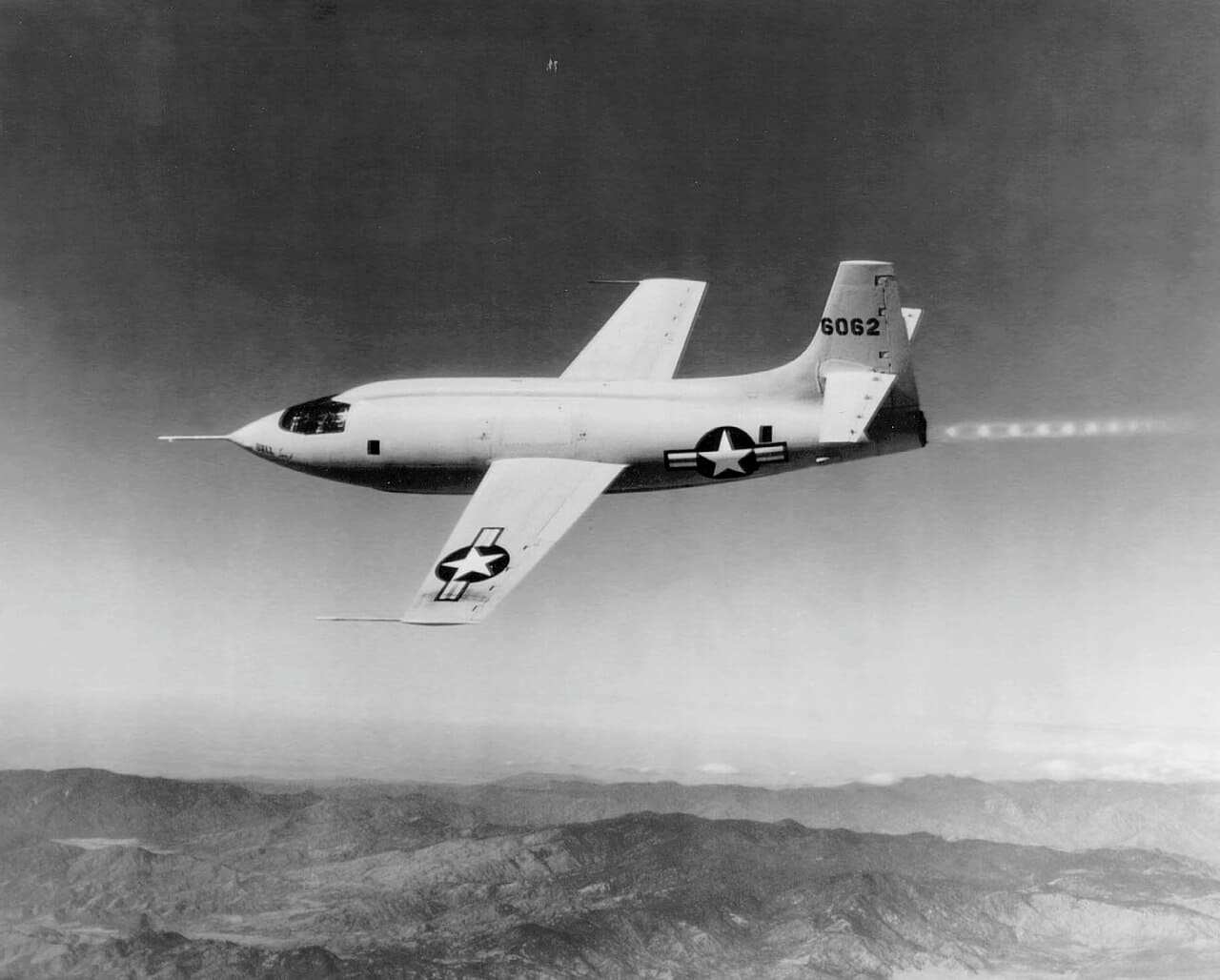
The end came fast and cruelly. On 14 August 1952, aged just 40, Hoover was flying a North American B-45 Tornado jet bomber when it broke apart in the air near Burrowsville, Virginia. He bailed out, but his parachute never opened. His co-pilot survived to tell what happened.
The man who beat the sound barrier as a civilian, who brought back the data that made supersonic flight safe, died testing yet another aircraft — and then slipped out of the story almost entirely. Yeager became a legend. Herbert Hoover became a footnote. He deserves better than that.
Sources: NASA; Vintage Aviation News; Wikipedia.
0 commentaire