
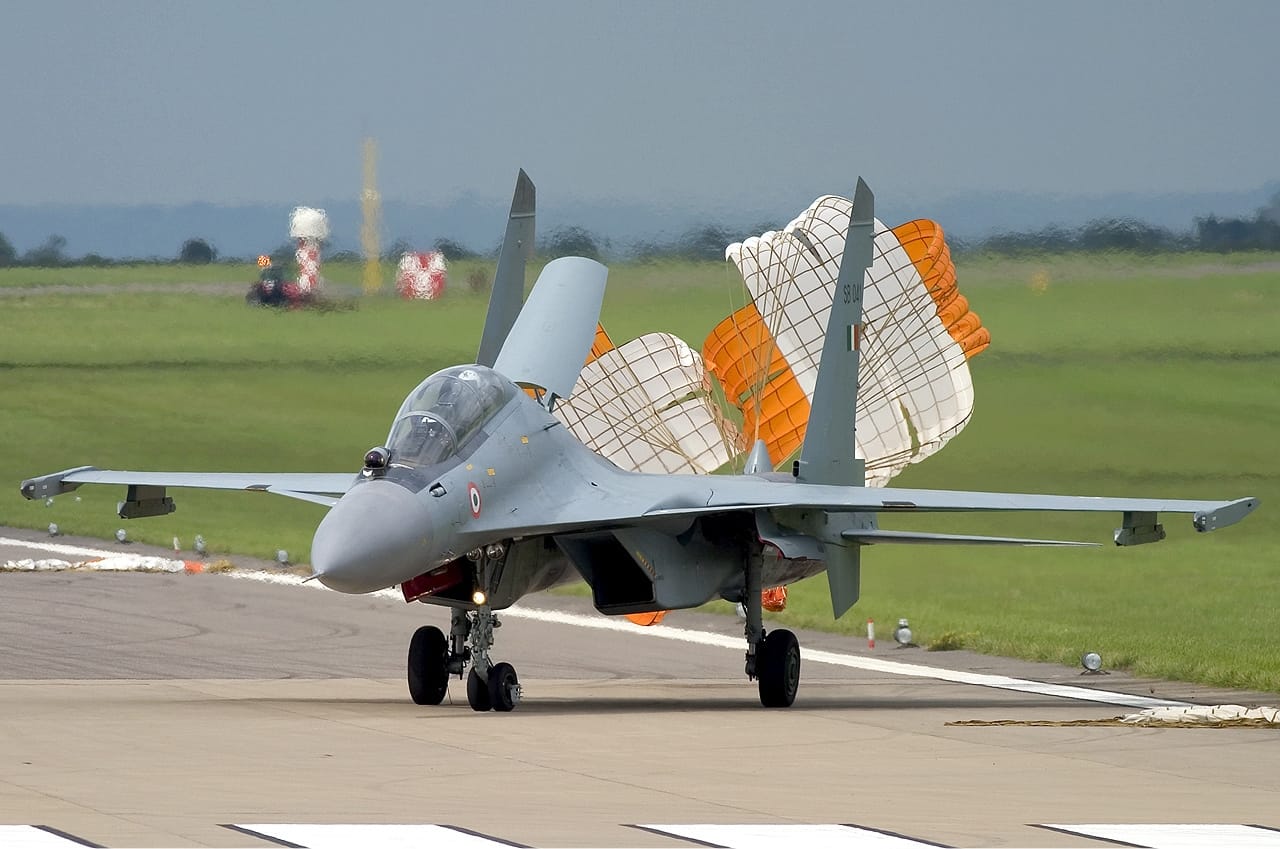
Pendant des années, l'armée de l'air indienne pouvait repérer l'ennemi bien avant qu'il ne puisse l'atteindre. Les chasseurs et avions radar aéroportés chinois emportent des missiles d'une portée supérieure à 200 kilomètres ; la flotte indienne de Su-30MKI, son armement le plus puissant, ne disposait d'aucun moyen de les égaler. Cet écart est sur le point de se combler grâce à un missile russe à la portée si longue que les analystes le surnomment tout simplement le “ tueur d'AWACS ”.”
Dans un contrat annoncé le 15 juillet 2026, New Delhi a accepté d'acquérir environ 300 missiles air-air à très longue portée R-37M (nom de code OTAN : AA-13 Axehead) pour un montant d'environ 1 400 milliards de dollars américains. Ces armes équiperont les Su-30MKI, dérivés du Flanker biplaces qui constituent l'épine dorsale de la force aérienne indienne. Les livraisons devraient débuter dans un délai de 12 à 18 mois.
C'est une solution provisoire, et l'Inde le reconnaît. Mais c'est une solution provisoire qui modifie la donne concernant l'Himalaya et la Ligne de contrôle.
FAITS RAPIDES
| Arme | Missile air-air à longue portée R-37M (OTAN : AA-13 Axehead) |
| Accord | Environ 300 missiles, pour une valeur d'environ 1,2 milliard de dollars américains (données du 15 juillet 2026). |
| Plate-forme | Su-30MKI de l'IAF (livraisons dans 12 à 18 mois) |
| Gamme | Portée jusqu'à environ 400 km (selon les Russes) ; environ 350 km pour le Su-30MKI. |
| vitesse maximale | Vitesse terminale approchant Mach 6 |
| Ogive | 60 kg de fragmentation explosive à haut pouvoir explosif |
| Conseils | Système inertiel + liaison de données en milieu de parcours + guidage radar actif |
Un missile conçu pour détruire les yeux d'une force aérienne
Le R-37M n'est pas une arme de combat aérien. C'est un fusil de précision pour le ciel, conçu pour neutraliser les appareils indispensables au fonctionnement d'une force aérienne moderne : les avions radar de détection et de contrôle aéroportés, les ravitailleurs en vol et les avions de guerre électronique qui patrouillent en retrait des lignes ennemies. En les détruisant, les chasseurs ennemis sont paralysés, aveugles et assoiffés.
Pour atteindre sa cible, le missile suit une trajectoire en altitude : il s’élève dans les hautes couches de l’air où la résistance de l’air est faible, puis plonge sur sa cible afin de conserver son énergie et d’optimiser sa portée. Selon des sources russes, la portée d’engagement peut atteindre près de 400 kilomètres dans des conditions idéales ; sur le Su-30MKI, une portée effective plus réaliste se situe autour de 350 kilomètres. Sa vitesse terminale avoisine Mach 6, ne laissant à la cible que quelques secondes pour réagir.
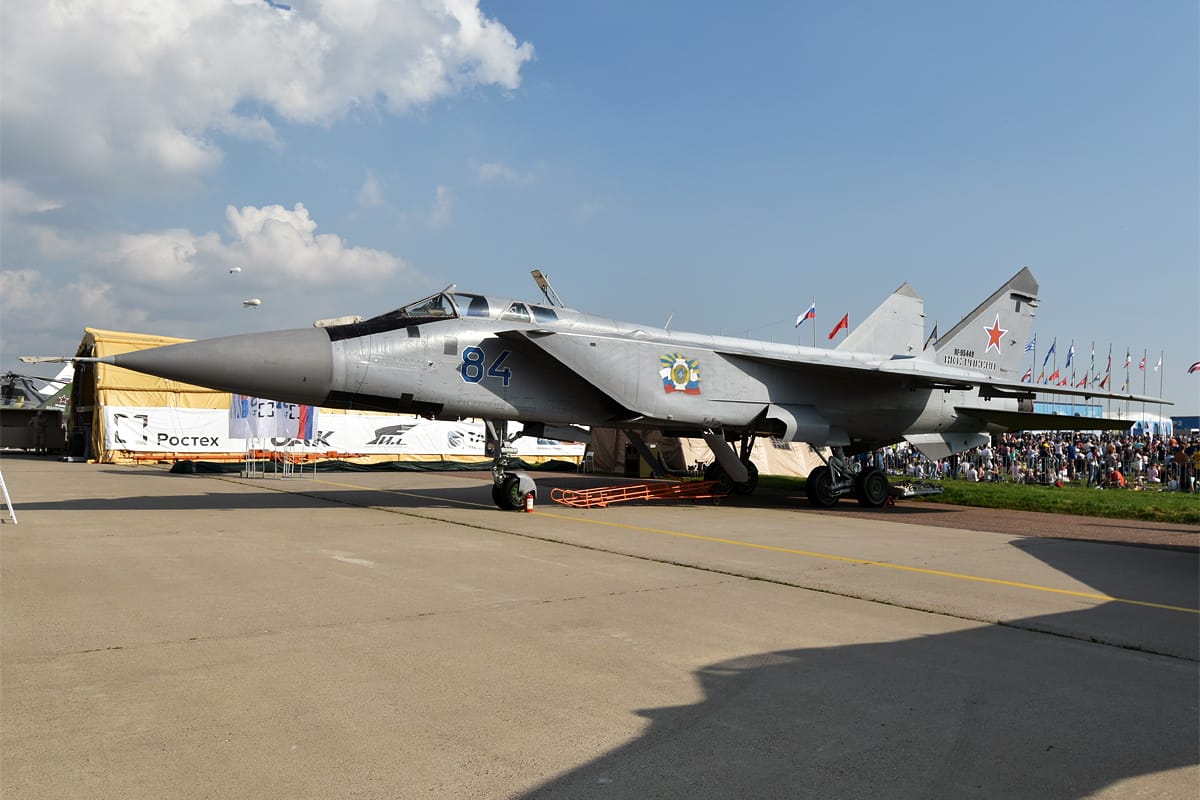
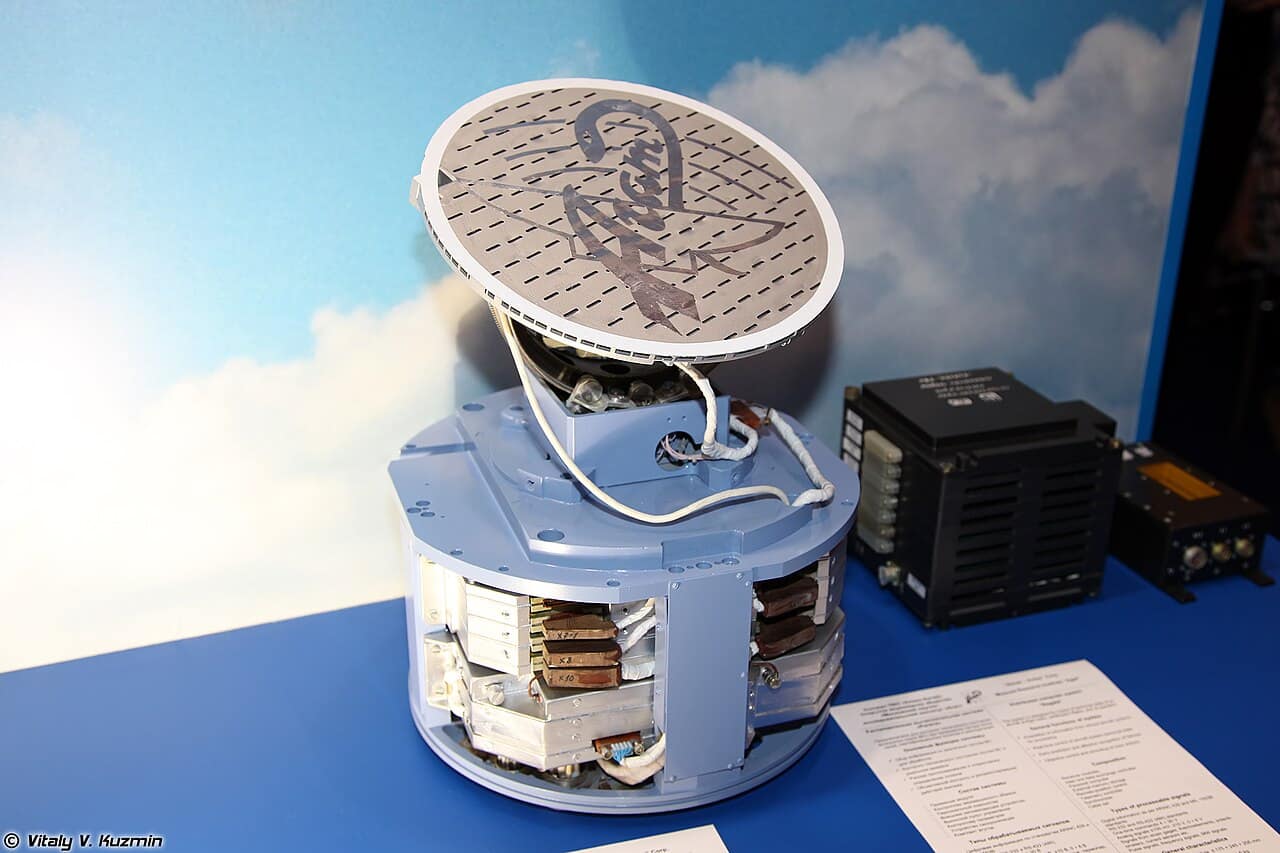
Le guidage se déroule en trois étapes : navigation inertielle à partir du champ radar de l’avion lanceur, mises à jour en cours de vol par liaison de données, et autodirecteur radar actif (de la famille 9B-1103M) qui s’active pour l’élimination finale, permettant ainsi au chasseur lanceur de s’éloigner. Le missile lui-même est un monstre : environ 4,2 mètres de long et près de 600 kilogrammes, avec une ogive à fragmentation de 60 kilogrammes conçue pour les gros porteurs.
Cette analyse découle du conflit armé en Ukraine, où les intercepteurs armés de missiles R-37M ont contraint les pilotes ukrainiens à voler à basse altitude et à rester vigilants, abattant les appareils à des distances où ils ne peuvent riposter. L'Inde en a manifestement pris note.
Pourquoi l'Inde achète maintenant
Ce timing n'est pas fortuit. Après les affrontements du printemps 2026 avec le Pakistan, et face au déploiement rapide par la Chine de ses propres missiles à longue portée — le PL-15 et le PL-17, encore plus long —, l'armée de l'air indienne s'est retrouvée en difficulté sur le point le plus crucial du combat aérien moderne : la capacité à tirer le premier de la plus grande distance.
La réponse indienne, les systèmes Astra Mk2 et Mk3 de conception nationale, est en cours de développement, mais n'est pas encore au point. Le R-37M permet de gagner du temps. Il s'agit d'une solution russe à un problème en partie causé par la diffusion de technologies adverses fournies par la Russie vers la Chine et le Pakistan – un exemple de la complexité du marché des systèmes d'armement air-air.
Pour le Su-30MKI — un appareil que les pilotes indiens connaissent parfaitement et que les passionnés de MiGFlug reconnaîtront comme un proche cousin des Flankers qui font sensation à chaque meeting aérien — le R-37M transforme un chasseur redoutable en une machine capable de menacer tout appareil volant dans un rayon de 300 kilomètres. Sur le sous-continent indien, c'est une portée considérable.
Sources : Militarnyi ; Defence Security Asia ; Times of Oman ; RUSI ; Wikipédia.

0 commentaire