
Sur le papier, chaque avion de cette liste semblait être une idée géniale. Chacun bénéficiait de financements importants, d'une ingénierie de pointe et d'une ambition démesurée. Et chacun a connu le même sort : annulé, mis au rebut ou discrètement enterré après avoir englouti une fortune, sans jamais avoir rempli sa mission.
Voici quelques-uns des échecs d'avions les plus coûteux jamais enregistrés — ou, dans certains cas, jamais réalisés — des programmes qui prouvent que le génie et le désastre peuvent se ressembler trait pour trait jusqu'à la réception de la facture.
Informations clés
| VH-71 Faucon crécerelle | Plus de 104 000 milliards de dollars – un hélicoptère présidentiel qui n'a jamais transporté de président |
| FCAS/NGF européen | Estimé à plus de 100 milliards d'euros — avion de chasse de sixième génération, effondrement prévu en 2026 |
| RAH-66 Comanche | ~$7 milliards — hélicoptère furtif, projet annulé après la création de deux prototypes |
| Boeing YAL-1 | ~$5 milliards+ — un 747 équipé d'un laser antimissile |
| A-12 Avenger II | ~$5 milliards — le jet furtif “ Dorito volant ” de la Marine |
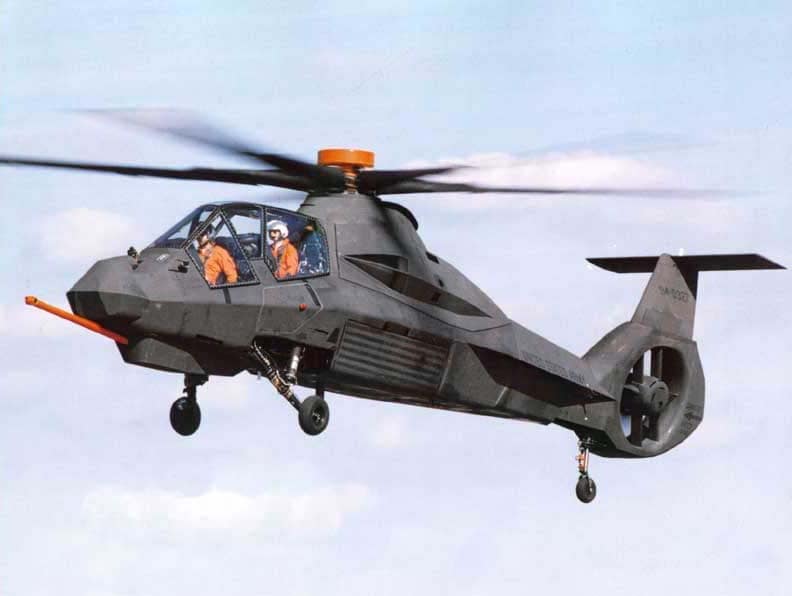
Le RAH-66 Comanche — $7 milliards, n'a jamais tiré un seul coup de feu
Le Boeing-Sikorsky RAH-66 Comanche était conçu comme l'hélicoptère de reconnaissance armé furtif de l'armée américaine, doté d'un camouflage radar maximal et d'un armement interne. Après près de vingt ans de développement et environ 14 milliards de dollars dépensés, l'armée l'a abandonné en 2004, alors que seuls deux prototypes avaient volé, préférant investir les fonds dans d'autres hélicoptères et drones. Un appareil véritablement avancé, tué avant même d'avoir pu entrer en service. Lisez l'histoire complète des Comanches ici.
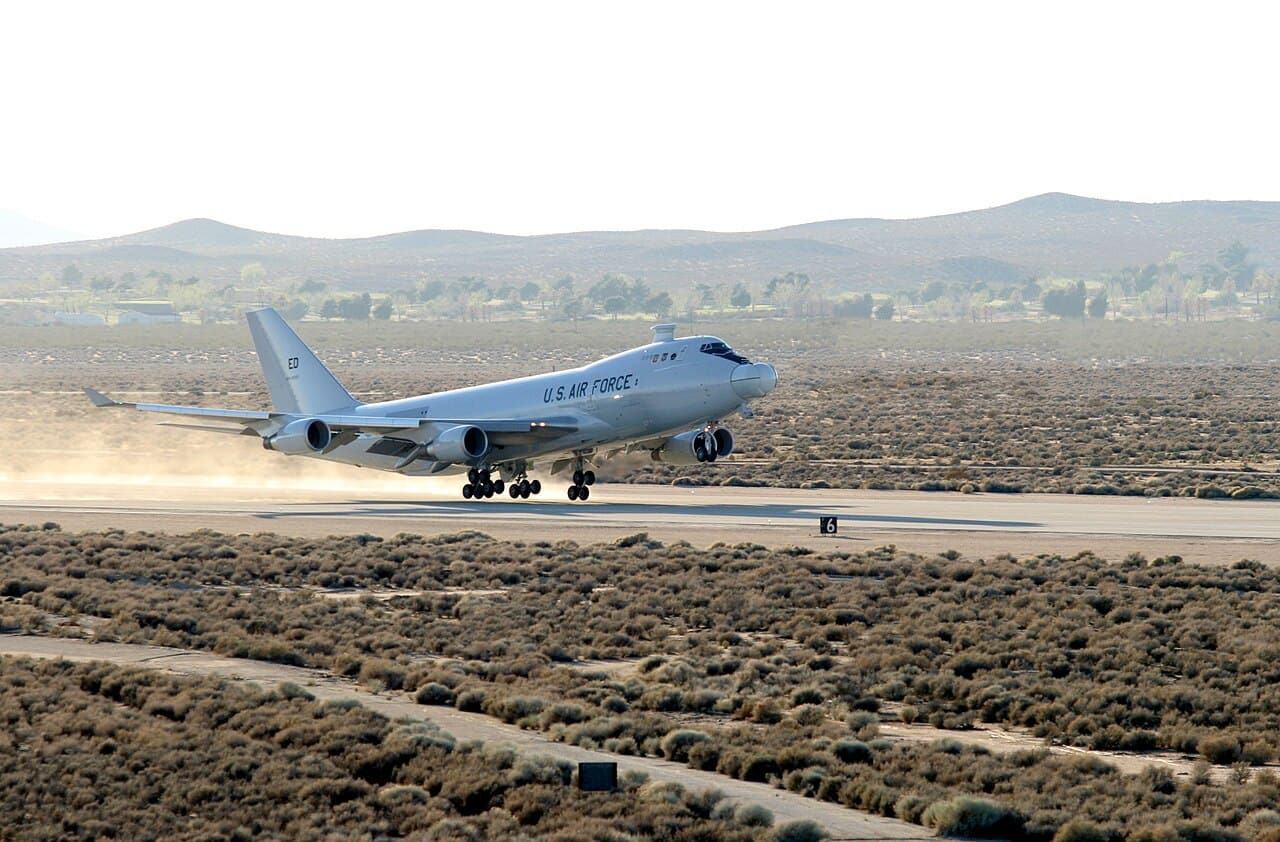
Le Boeing YAL-1 — un 747 équipé d'un canon laser
Le YAL-1 était un Boeing 747-400F équipé d'un laser chimique d'une puissance d'un mégawatt intégré à son nez, conçu pour abattre les missiles balistiques en phase d'ascension. Le projet a effectivement fonctionné – des missiles d'essai ont été détruits en 2010 – mais les lois de la physique étaient impitoyables : pour être utile, l'appareil aurait dû orbiter dangereusement près des sites de lancement ennemis. Après plusieurs milliards de dollars d'investissement, le programme a été annulé en 2011 et l'avion a été mis au rebut.
Le A-12 Avenger II — le “ Dorito volant ”
L'A-12 de la Marine était un avion d'attaque furtif à aile volante si triangulaire qu'on le surnommait le « Dorito volant ». Son poids et son coût ont explosé, le programme a pris des années de retard et, en 1991, le secrétaire à la Défense, Dick Cheney, l'a purement et simplement annulé après que quelque 14 500 milliards de dollars aient été dépensés, déclenchant ainsi l'une des plus longues batailles juridiques de l'histoire du Pentagone. Plus d'informations sur le Flying Dorito ici.
FCAS en Europe — 100 milliards d'euros, au point mort
Le dernier projet en date est potentiellement le plus coûteux de tous. Le Système européen de combat aérien futur (ECAS), un chasseur franco-germano-espagnol de sixième génération, a été abandonné en 2026 suite à un désaccord irréconciliable entre Dassault et Airbus quant à la répartition des tâches de construction. Ce programme, dont la valeur se chiffrait en dizaines de milliards d'euros, pourrait bien rester dans les annales comme l'annulation la plus onéreuse d'un programme de chasseur sans jamais avoir produit de prototype volant. L'histoire complète de l'effondrement de FCAS.
Et le champion en titre : le VH-71 Kestrel
En termes de coût unitaire, aucun appareil de cette liste ne surpasse le VH-71 Kestrel : un hélicoptère présidentiel dont le prix a dépassé les 14 130 milliards de dollars (plus de 4 400 millions de dollars l’unité) avant l’arrêt du projet en 2009, sans qu’aucun président n’ait jamais été transporté. Les cellules achevées ont finalement été vendues au Canada pour servir de pièces détachées. Voici comment l'hélicoptère $13 milliards a péri.
Le schéma est toujours le même : une idée ingénieuse, des exigences qui évoluent constamment, un budget qui double discrètement, et finalement un politicien qui annule tout. Ces avions ne sont pas vraiment des monuments à l’incompétence ; ce sont des monuments à une ambition démesurée, trop ambitieuse pour tenir compte des ressources. Et quelque part, à l’heure actuelle, le prochain est en train d’être testé en soufflerie.
Sources : Wikipédia ; Service de recherche du Congrès ; Defense News.
Questions connexes
Quel est le programme d'avions annulé le plus coûteux ?
Parmi les plus coûteux figure l'hélicoptère présidentiel VH-71 Kestrel, dont le prix a dépassé 14 000 milliards d'euros avant son annulation en 2009. Le chasseur européen FCAS, évalué à plusieurs dizaines de milliards d'euros, pourrait s'avérer encore plus cher après son retrait du service en 2026.
Pourquoi les programmes aéronautiques coûteux sont-ils annulés ?
Les causes fréquentes sont l'évolution des besoins, le développement et la production simultanés d'un aéronef, les difficultés techniques et l'explosion des coûts. Lorsque le budget croît plus vite que les capacités, les gouvernements annulent souvent le programme, parfois après avoir dépensé des milliards.
Qu'était-ce que le A-12 Avenger II ?
L'A-12 Avenger II était un avion d'attaque furtif de l'US Navy doté d'une forme d'aile volante triangulaire, surnommé le « Dorito volant ». Il a été annulé en 1991 après qu'environ 14,5 milliards de dollars aient été dépensés, en raison de dépassements de poids et de coûts.
Qu'était-ce que le laser aéroporté Boeing YAL-1 ?
Le YAL-1 était un Boeing 747 équipé d'un laser de classe mégawatt dans son nez, conçu pour abattre des missiles balistiques. Il a détruit des missiles d'essai en 2010, mais s'est avéré impraticable sur le plan opérationnel, et le programme a été annulé en 2011.
Le RAH-66 Comanche est-il jamais entré en service ?
Non. Le programme d'hélicoptère furtif RAH-66 Comanche a été abandonné en 2004 après près de deux décennies de développement et des dépenses avoisinant les 14 000 milliards de dollars. Seuls deux prototypes ont été construits, et aucun n'est entré en service opérationnel.
Qu’est-il arrivé au chasseur FCAS européen ?
Le Future Combat Air System, un projet commun franco-allemand et espagnol de chasseur de sixième génération, a été abandonné en 2026 en raison de différends entre Dassault et Airbus concernant le partage des tâches et les exigences, après des années de développement coûteux.
0 commentaire