
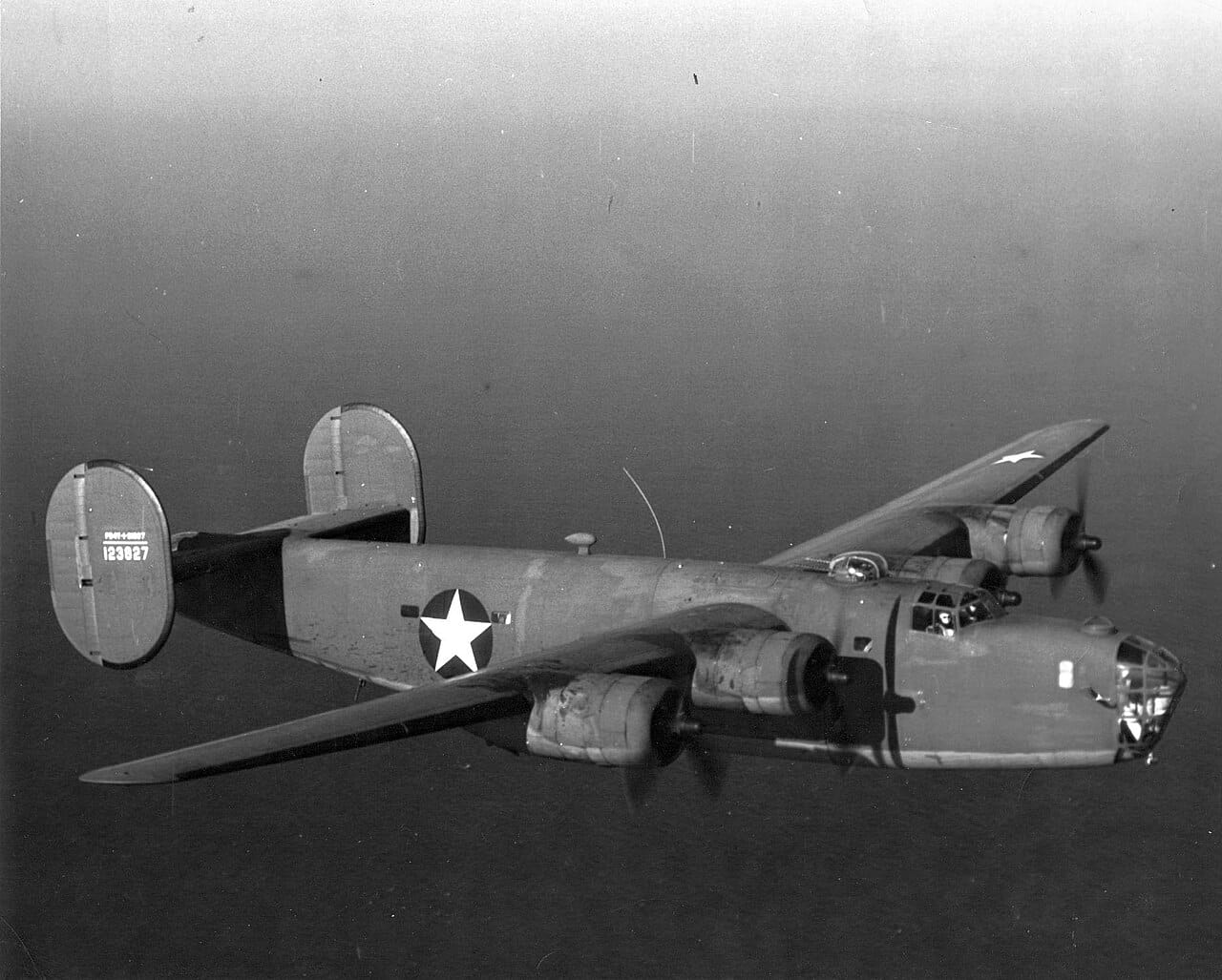
Le matin du 12 août 1944, un aviateur naval de 29 ans monta à bord d'un bombardier Liberator dépouillé de ses canons et rempli d'explosifs, d'une aile à l'autre. Il n'était pas obligé d'être là. Il avait accompli sa mission et mérité son billet de retour.
Il s'appelait Joseph P. Kennedy Jr., et c'était le fils que son père espérait envoyer à la Maison-Blanche. Dix-huit minutes après le décollage, il avait disparu, vaporisé au-dessus de la campagne anglaise lors de l'une des missions les plus secrètes et les plus désastreuses de la guerre.
Informations clés
- Opération: Aphrodite (USAAF) et son homologue de la Marine, le projet Anvil
- Aéronef: Un PB4Y-1 Liberator usé par la guerre, chargé d'environ 12 tonnes de Torpex
- Date: 12 août 1944
- Équipage: Le lieutenant Joseph P. Kennedy Jr. et le lieutenant Wilford J. Willy
- Cible: Le bunker de Mimoyecques, abritant une arme en V, dans le nord de la France.
- Résultat: Explosion prématurée dans le Suffolk ; les deux hommes sont tués ; la Croix de la Marine est décernée.
Une bombe à ailes
En 1944, les Alliés étaient confrontés à un problème : les sites de lancement de bombes V allemands étaient enfouis sous une telle masse de béton que les bombardements conventionnels les ébranlaient à peine. La solution, imaginée sous le nom de code Aphrodite, était d'une simplicité brutale. Prendre un bombardier trop usé pour le service normal, le dépouiller de toute charge explosive, puis le charger d'une quantité d'explosifs supérieure à ce que n'importe quelle soute à bombes pourrait contenir. Il suffisait ensuite de le piloter par radiocommande jusqu'à la cible.
Il y avait un hic. Le système de guidage était rudimentaire ; une équipe de deux hommes devait donc décoller, armer la charge manuellement et sauter en parachute au-dessus de l’Angleterre avant qu’un avion porteur ne prenne en charge la bombe volante et ne la fasse traverser la Manche. Tout reposait sur ces quelques minutes entre l’armement des explosifs et le saut, et sur le Torpex, un agent de remplissage plus puissant et moins prévisible que le TNT.
Le bénévole
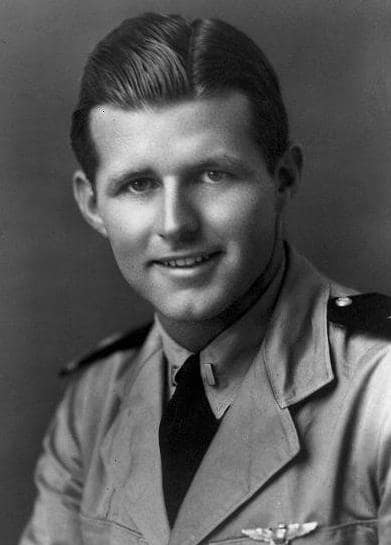
Joe Jr. était l'aîné des enfants Kennedy, celui sur qui son père avait fondé les ambitions politiques de la famille. Il avait déjà effectué plus d'une vingtaine de missions de patrouille et aurait pu rentrer chez lui. Au lieu de cela, il s'est porté volontaire pour Anvil.
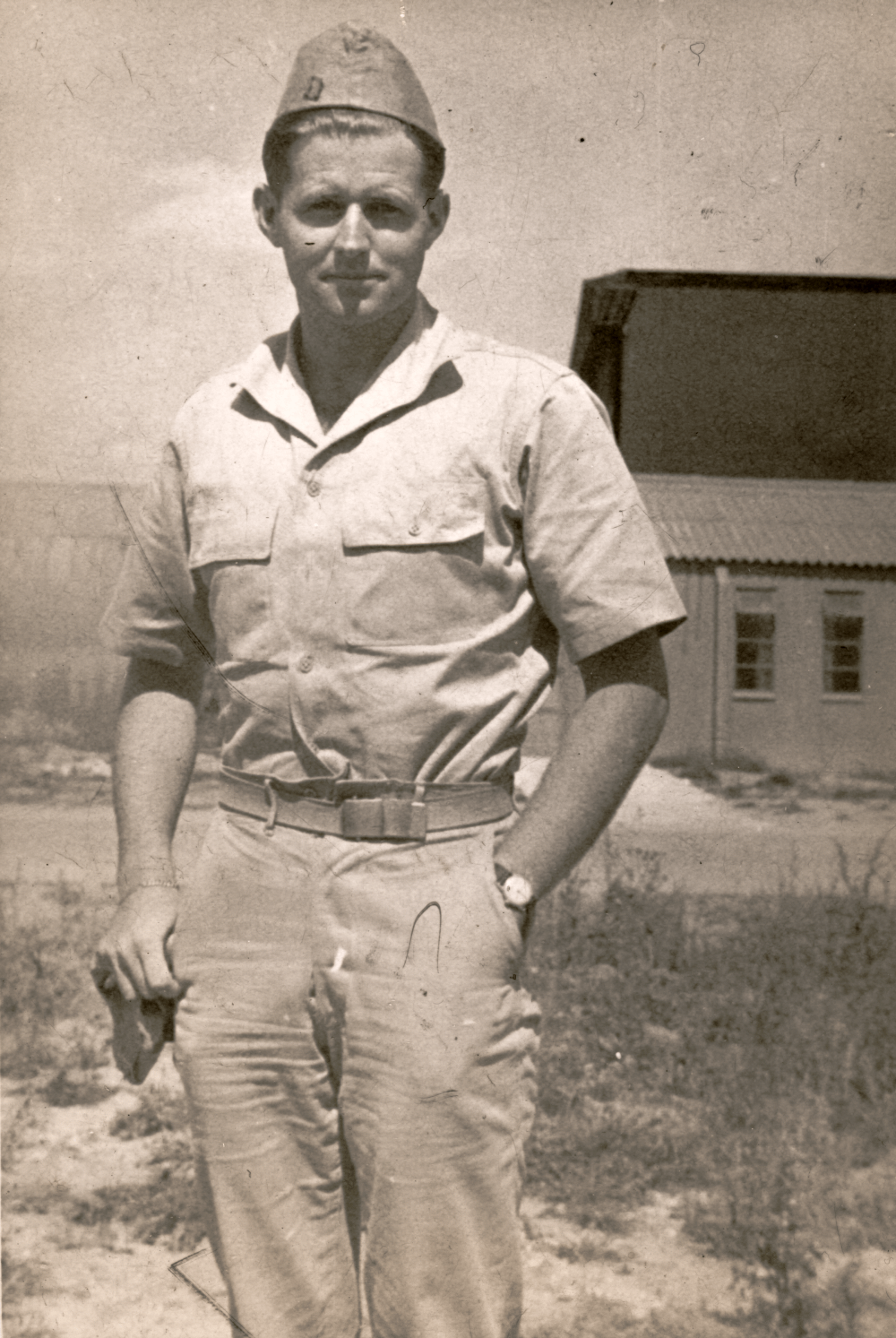
Le 12 août, il décolla avec le lieutenant Wilford Willy de la base aérienne de Fersfield, dans le Suffolk, à bord d'un Liberator transportant environ 9 500 kg de Torpex, à destination de Mimoyecques. Quelque part au sol, une caméra le photographia une dernière fois.
Dix-huit minutes
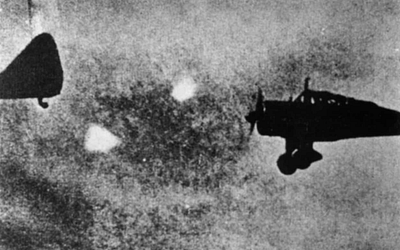
Environ dix-huit minutes après le décollage, alors que l'équipage s'apprêtait à céder les commandes au vaisseau porteur et à armer la charge, le Liberator explosa au-dessus du bois de Newdelight, près du village de Blythburgh, dans le Suffolk. Il ne restait presque rien. Des débris endommagèrent un avion photographique qui volait à une centaine de mètres de là.
Le fils qui n'était pas là
Kennedy et Willy ont tous deux reçu la Navy Cross, la deuxième plus haute distinction de la Marine. L'opération Aphrodite et le projet Anvil, quant à eux, n'ont quasiment rien donné : les bombes volantes étaient extrêmement imprécises et mortelles pour leurs équipages, et le programme a été discrètement abandonné.
L'impact le plus profond qu'il a laissé s'est fait sentir au sein d'une seule famille. Les ambitions que Joseph Kennedy Sr. nourrissait pour son fils aîné ne s'éteignirent pas avec lui au-delà du Suffolk. Elles furent transmises à son frère cadet, un jeune officier de marine nommé John F. Kennedy.
Sources : Smithsonian Magazine ; US Naval History and Heritage Command ; War History Online ; Wikipédia.
0 commentaire