
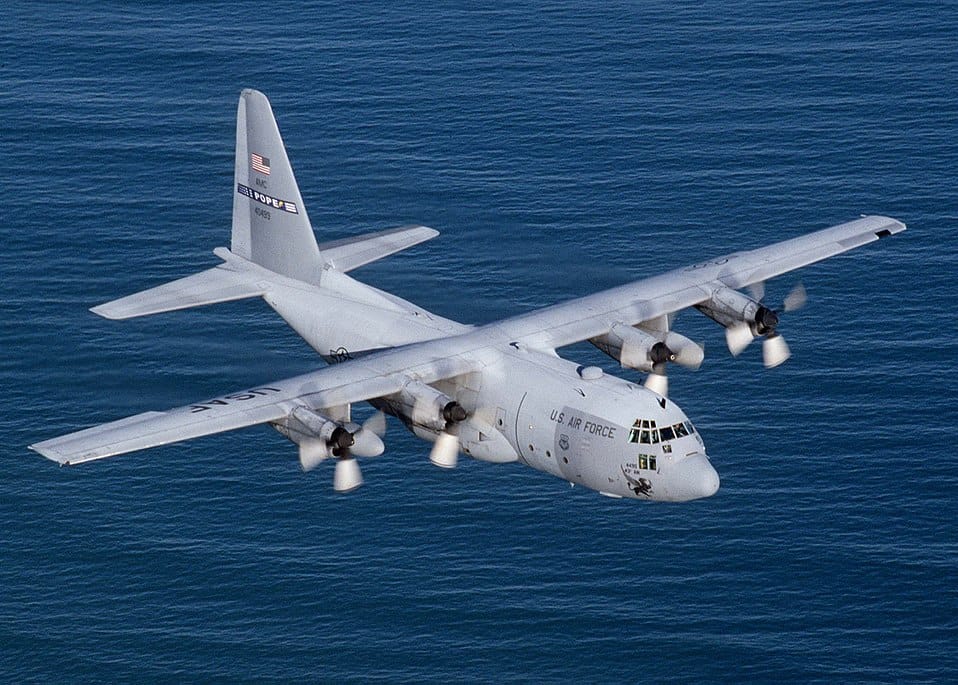
Le 27 février 2026, un C-130H Hercules de l'armée de l'air bolivienne, chargé de billets de banque neufs, atterrit à l'aéroport international d'El Alto, l'un des aéroports commerciaux les plus hauts du monde, à 4 061 mètres d'altitude. L'appareil ne s'arrête jamais. Il sort de la piste, traverse le périmètre et s'écrase sur une route très fréquentée, à l'extérieur de l'enceinte aéroportuaire. Vingt-quatre personnes périssent et quarante-trois sont blessées. Des millions de dollars en monnaie neuve jonchent les débris et la chaussée.
L'accident s'est produit en pleine tempête de grêle. L'appareil était chargé à pleine capacité. Selon un rapport technique publié ultérieurement, il était physiquement impossible pour le C-130H de se poser en toute sécurité à El Alto dans ces conditions. La question n'est pas de savoir ce qui s'est mal passé, mais qui a autorisé ce vol.

L'altitude nuit à la performance
El Alto se situe à 4 061 mètres d'altitude, soit plus de 13 000 pieds. À cette altitude, l'air est environ 401 µm plus raréfié qu'au niveau de la mer. Un air plus raréfié signifie une puissance moteur réduite, une portance des ailes diminuée et, surtout, une efficacité de freinage moindre. Toutes les performances du C-130, telles que décrites dans son manuel, se dégradent en altitude. Les distances de décollage s'allongent. Les distances d'atterrissage augmentent. Les inverseurs de poussée deviennent moins efficaces. C'est une question de physique, et la physique est implacable.
L'Hercules a été conçu pour des opérations de courte durée sur des terrains accidentés, mais même lui a ses limites. Un atterrissage à pleine charge au niveau de la mer est une tout autre affaire qu'un atterrissage à pleine charge à 4 000 mètres d'altitude, sous une averse de grêle et sur une piste mouillée. Les marges de manœuvre qui existent à basse altitude disparaissent tout simplement.
Le rapport technique de l'armée de l'air bolivienne après l'accident était sans appel. Les enquêteurs ont conclu que, compte tenu du poids de l'appareil et de l'altitude d'El Alto, il était physiquement impossible pour l'avion de s'arrêter sur la piste suffisamment longue. Les lois de l'aérodynamique rendaient la sortie de piste inévitable dès l'instant où l'équipage a accepté la charge et la destination.
Une autoroute transformée en lieu d'accident
Le C-130 n'a pas simplement glissé hors de la piste pour atterrir dans un champ. L'aéroport d'El Alto borde une grande autoroute. L'appareil a traversé la clôture périmétrique et percuté 15 véhicules. Sur les 24 victimes, 23 étaient des personnes au sol : des navetteurs, des familles, des enfants. Quatre des victimes étaient des enfants. Un seul des huit membres d'équipage du Hercules a péri.
L'appareil, immatriculé FAB-81, était un C-130H construit en 1977, soit près d'un demi-siècle. La flotte de transport militaire bolivienne vieillit depuis des décennies, faute de budget suffisant pour sa modernisation ou son remplacement. L'Hercules transportait une quantité non divulguée de billets de banque neufs pour le compte de la Banque centrale de Bolivie. Des photos prises sur les lieux de l'accident montrent des billets éparpillés sur l'autoroute et parmi les débris.
Deux catastrophes de C-130 en un mois
L'accident en Bolivie est survenu quelques semaines seulement après une catastrophe encore plus meurtrière impliquant un C-130 en Amérique du Sud. Le 23 mars, un C-130 de l'armée de l'air colombienne s'est écrasé peu après son décollage de l'aéroport de Caucaya avec 126 personnes à bord, soit bien au-delà de la capacité de sécurité de l'appareil. On a dénombré au moins 70 morts et 56 blessés.
Deux accidents de C-130 militaires survenus dans la même région à un mois d'intervalle soulèvent des questions préoccupantes quant à l'état des flottes de transport militaire vieillissantes en Amérique latine. Les deux appareils étaient des Hercules, des versions datant de plusieurs décennies. Tous deux évoluaient dans des conditions – haute altitude et charges lourdes – qui ont poussé les cellules au-delà de leurs limites de sécurité. Ces deux incidents révèlent un problème systémique : des forces armées effectuent des missions que leurs avions et infrastructures ne sont plus en mesure de garantir en toute sécurité.
Le C-130 Hercules est l'un des avions les plus fiables jamais construits. Plus de 2 500 exemplaires ont été produits depuis 1954 et sont en service dans plus de 60 pays. Cependant, fiabilité ne rime pas avec invulnérabilité. Lorsqu'un appareil ancien est surchargé, envoyé sur un aéroport à 4 000 mètres d'altitude, en pleine tempête de grêle, même la meilleure conception au monde ne saurait vous prémunir contre les erreurs de pilotage au sol.
Sources : Aviation Safety Network, Simple Flying, Al Jazeera, AeroTime, Aerospace Global News
Questions connexes
Qu'est-ce que le C-130 Hercules ?
Le C-130 Hercules est un avion de transport militaire quadrimoteur à turbopropulseurs fabriqué par Lockheed, utilisé dans le monde entier pour le transport de fret, de troupes et le transport aérien dans des conditions difficiles. Le C-130H est une variante largement utilisée. Sa conception robuste en fait un avion de transport essentiel aux côtés de jets plus gros comme le C-17 Globemaster.
Que s'est-il passé lors du crash du C-130 en Bolivie ?
Le 27 février 2026, un C-130H Hercules de l'armée de l'air bolivienne, transportant des billets de banque fraîchement imprimés, a raté son atterrissage à l'aéroport international d'El Alto, a traversé le périmètre de sécurité et s'est écrasé sur une autoroute très fréquentée. Vingt-quatre personnes ont trouvé la mort et quarante-trois ont été blessées. L'appareil était à pleine charge et l'accident s'est produit pendant un orage de grêle.
Pourquoi les vols à haute altitude sont-ils dangereux pour les avions ?
En altitude, l'air est plus raréfié, ce qui réduit la puissance des moteurs et la portance des ailes, allongeant ainsi les distances de décollage et d'atterrissage. L'aéroport d'El Alto, situé à 4 061 mètres d'altitude – l'un des aéroports commerciaux les plus hauts du monde –, a vu son altitude, combinée à une charge importante et à une averse de grêle, empêcher le C-130H de s'arrêter en toute sécurité.
Qu'est-ce que l'aéroport international d'El Alto ?
L'aéroport international d'El Alto dessert La Paz, en Bolivie, et se situe à environ 4 061 mètres d'altitude, ce qui en fait l'un des aéroports commerciaux les plus hauts du monde. La raréfaction de l'air à cette altitude augmente considérablement la longueur de piste nécessaire aux avions pour décoller et atterrir en toute sécurité.
Comment le poids de l'avion influe-t-il sur la distance d'atterrissage ?
Un avion plus lourd transporte plus d'énergie et nécessite une distance de freinage plus longue. Lorsqu'un avion à réaction ou de transport est chargé à pleine capacité, sa distance d'atterrissage augmente ; sur un aéroport de haute altitude par mauvais temps, cette marge peut disparaître complètement, comme l'a conclu un rapport technique sur l'accident du C-130H en Bolivie.
0 commentaire