
You'd think the hardest part of flying would be, well, the flying. The physics. The weather. The engines. But no — sometimes the hardest part is finding the right airport. And before you assume this only happens to student pilots in Cessnas, consider this: it has happened to airline captains, military transport crews, and even the pilots of the largest aircraft Boeing has ever modified.
Landing at the wrong airport is surprisingly common. The FAA doesn't even track it as a separate category because the list would be embarrassing. What they do track is "wrong surface events," and the numbers suggest this happens more often than anyone in the industry likes to admit.
Here are some of the most spectacular cases of highly trained professionals touching down at completely the wrong airfield — and the reactions that followed.
Informations clés
Official term: "Wrong airport landing" or "wrong surface event"
How common: The FAA has documented dozens of cases since 2000
Biggest aircraft involved: Boeing 747 Dreamlifter (2013)
Most common cause: Visual confusion between nearby airports
The Dreamlifter's Tiny Airport Problem
On November 20, 2013, a Boeing 747 Dreamlifter — a massive modified 747 designed to carry fuselage sections for the 787 — landed at Colonel James Jabara Airport in Wichita, Kansas. The problem? It was supposed to land at McConnell Air Force Base, nine miles to the south.
Jabara Airport has a 6,101-foot runway. The Dreamlifter, one of the largest cargo aircraft on the planet, typically needs about 9,000 feet. The pilots had somehow confused two airports that look nothing alike from the air. When the tower at McConnell asked where they were, the reply was the kind of calm professional understatement that only pilots can deliver: "We just landed at the other airport."
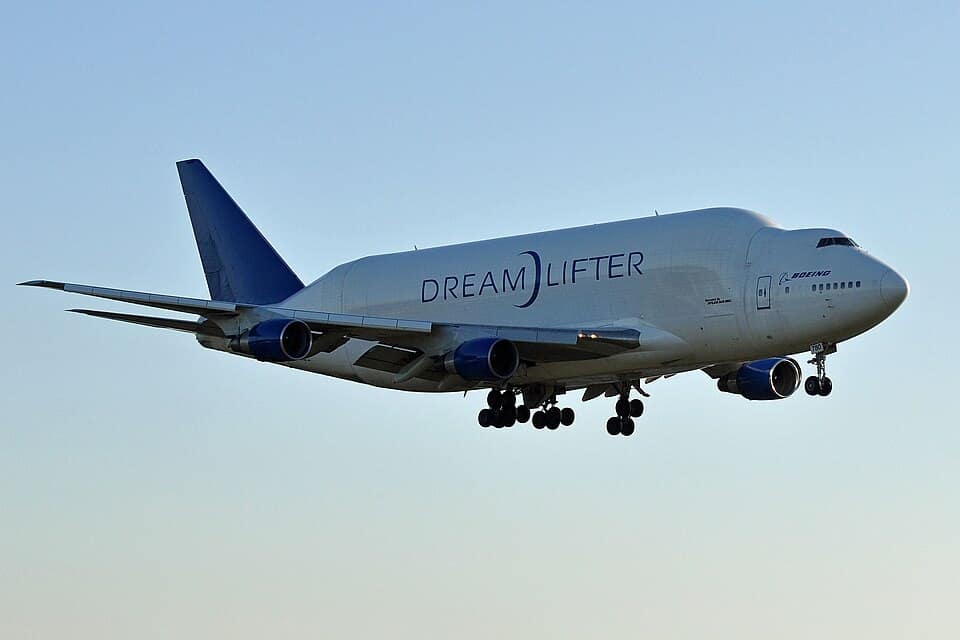
The next morning, Boeing calculated that the Dreamlifter could take off from the shorter runway — barely — if they burned off enough fuel first. The jet departed successfully, but not before every aviation journalist in America had written the headline they'd been waiting their whole careers for.
Southwest's Branson Mixup
On January 12, 2014, Southwest Airlines Flight 4013 was supposed to land at Branson Airport (BBG) in Missouri. Instead, it touched down at M. Graham Clark Downtown Airport — a small general aviation field seven miles north with a runway of just 3,738 feet. The Boeing 737-700 normally needs about 5,000 feet.
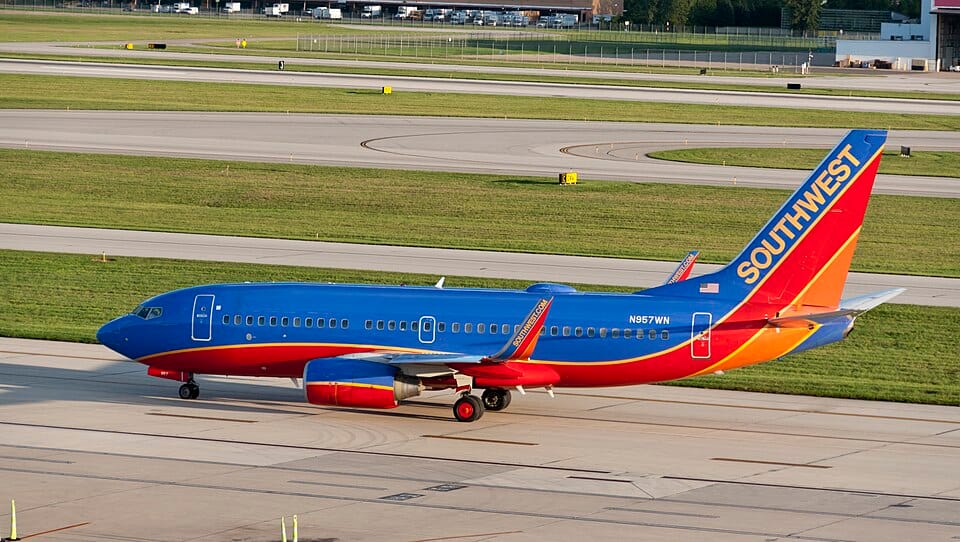
The aircraft stopped just 300 feet from the end of the runway and a steep drop-off. The 124 passengers were bused to the correct airport. The NTSB investigation found that the pilots had the wrong airport's lights in sight during a dark approach and simply flew to what they could see rather than what their instruments were telling them.
The captain had 16,000 hours of flight time. Experience doesn't make you immune to the most basic of errors — it sometimes makes you overconfident enough to commit them.
The C-17 at Peter O. Knight
In 2012, a U.S. Air Force C-17 Globemaster III — a 170-foot-wingspan military transport that can carry 170,000 pounds of cargo — landed at Peter O. Knight Airport in Tampa, Florida. Peter O. Knight is a small general aviation airport on Davis Islands with a 3,580-foot runway. The C-17 was supposed to land at nearby MacDill Air Force Base.
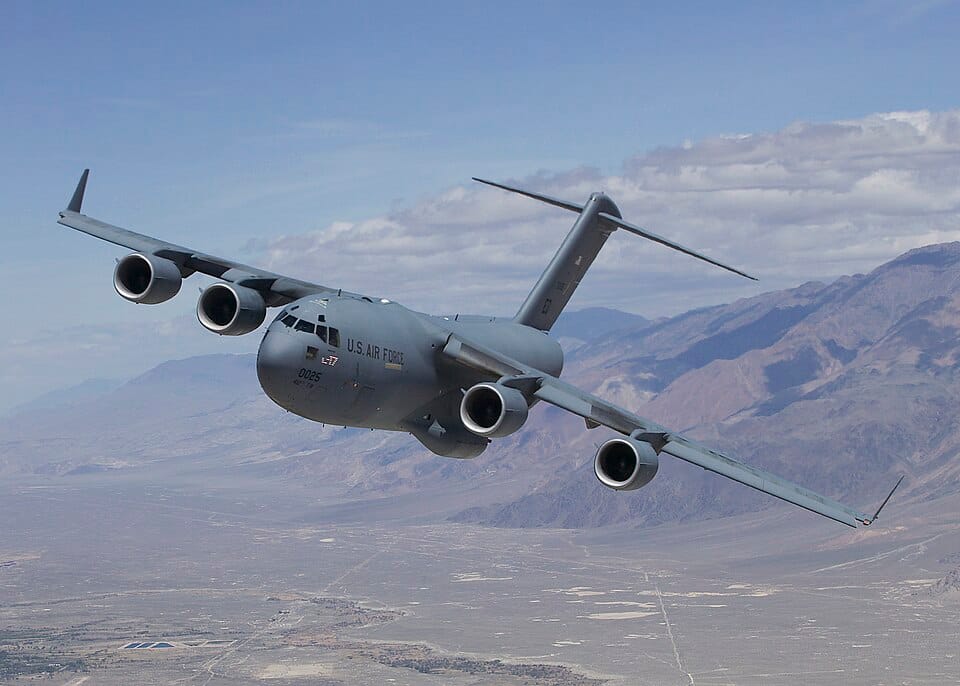
The C-17 can actually operate from short runways — it was designed for austere airfields — but that wasn't really the point. The point was that a crew flying a $218 million military aircraft managed to confuse two airports that are roughly four miles apart and look entirely different.
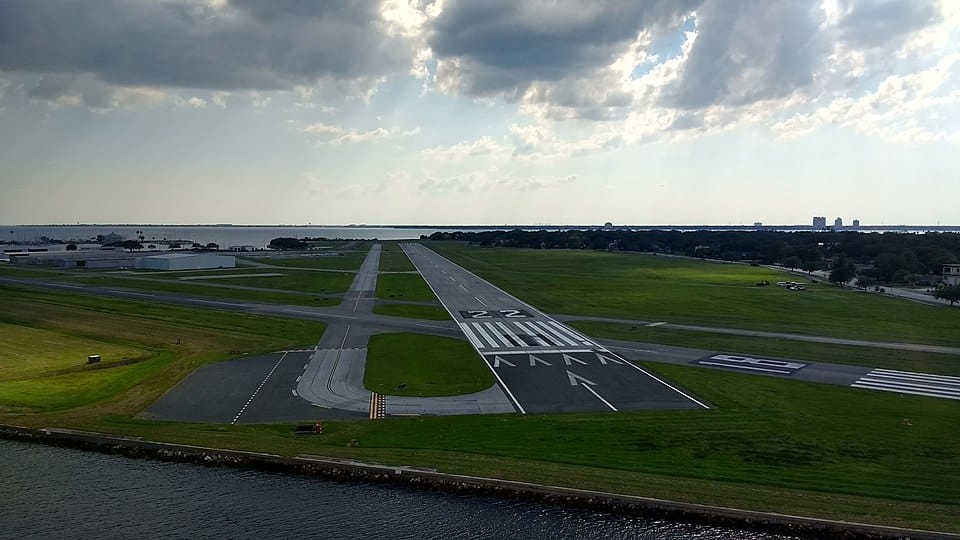
The Air Force quietly dealt with the matter internally. The C-17 departed the next day without incident. Local residents reported the experience as "terrifyingly loud."
The Lufthansa A340 That Nearly Landed in Frankfurt... Hahn
This one is more legend than confirmed incident, but aviation circles have long whispered about Lufthansa wide-body crews nearly lining up with Frankfurt-Hahn Airport — a former U.S. Air Force base 120 kilometres west of Frankfurt Main. Ryanair uses Hahn and famously calls it "Frankfurt" in its marketing. The confusion isn't limited to budget airline passengers.
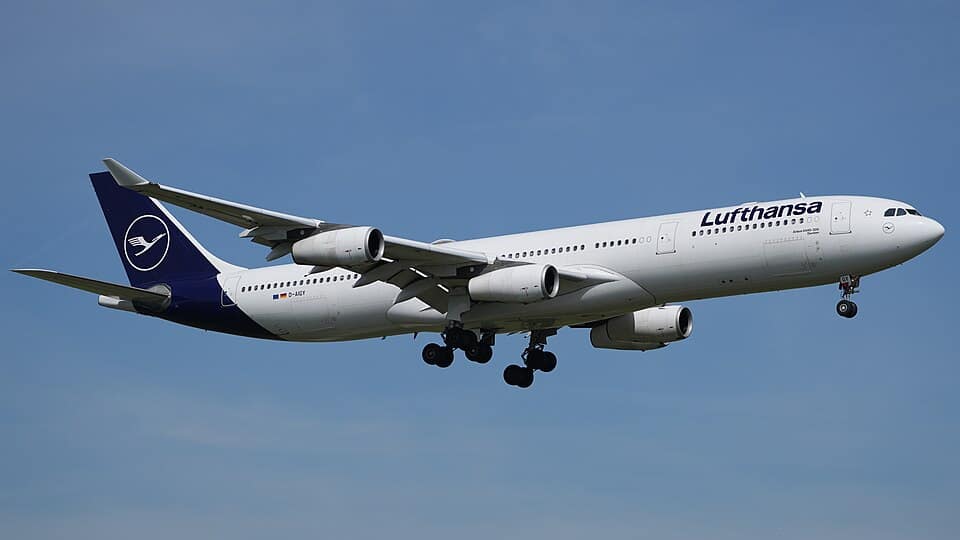
Several verified cases involve smaller aircraft and private jets lining up for the wrong Frankfurt, but the big-iron near-misses remain unconfirmed. What is confirmed is that the FAA and EASA have both issued guidance on "airport proximity confusion," and Frankfurt is always the example they use.
Why Does This Keep Happening?
The answer is depressingly human. Pilots are trained to fly by instruments, but during visual approaches — especially at night or in unfamiliar territory — they revert to looking out the window. And when two airports are within visual range of each other, the bigger, brighter one isn't always the right one.
Modern GPS makes it almost impossible to get lost. But GPS tells you where you are — not necessarily where you're looking. The disconnect between instruments and eyeballs has caused more wrong-airport landings than anyone cares to count.
The good news? Nobody has died from a wrong-airport landing in commercial aviation. The bad news? Statistically, it's only a matter of time before a heavy jet lands on a runway that's too short to stop. And when that happens, "I thought that was the right airport" won't make for a very satisfying accident report.
Sources: NTSB, FAA Safety Alerts, Aviation Safety Network, Boeing Safety Reports
Questions connexes
How often do pilots land at the wrong airport?
More often than the industry likes to admit. The FAA does not track wrong-airport landings as a separate category, but it does record "wrong surface events," and has documented dozens of wrong-airport cases since 2000. They have involved everyone from student pilots to airline captains and military transport crews.
What is the biggest aircraft to land at the wrong airport?
The Boeing 747 Dreamlifter, a massive modified 747 built to carry 787 fuselage sections. On November 20, 2013, it landed at Colonel James Jabara Airport in Wichita, Kansas, instead of McConnell Air Force Base nine miles south. Outsized cargo haulers like the earlier Guppy "flying whales" share that oversize lineage.
What happened with the Boeing Dreamlifter wrong landing in 2013?
The Dreamlifter landed at Jabara Airport, which has a 6,101-foot runway, even though the aircraft typically needs about 9,000 feet. The next morning, after burning off enough fuel to reduce weight, Boeing calculated it could safely depart from the shorter runway, and the jet took off successfully.
What was the Southwest Airlines wrong airport landing?
On January 12, 2014, Southwest Flight 4013 landed at M. Graham Clark Downtown Airport instead of Branson Airport, Missouri, about seven miles south. The Boeing 737-700 touched down on a 3,738-foot runway, well short of the roughly 5,000 feet it normally needs, but stopped safely.
What is the most common cause of wrong-airport landings?
Visual confusion between airports that lie close together, especially when a smaller field appears first along the approach path and pilots fixate on the first runway-like surface they see. Correctly reading marquages de piste is one safeguard against the error.
What is a "wrong surface event"?
A wrong surface event is the FAA's term for landing, or attempting to land, on the wrong runway, a taxiway, or the wrong airport entirely. The agency tracks these because they happen often enough to be a recognized safety concern, even among highly experienced professional crews.
Articles similaires
0 commentaire