
Informations clés
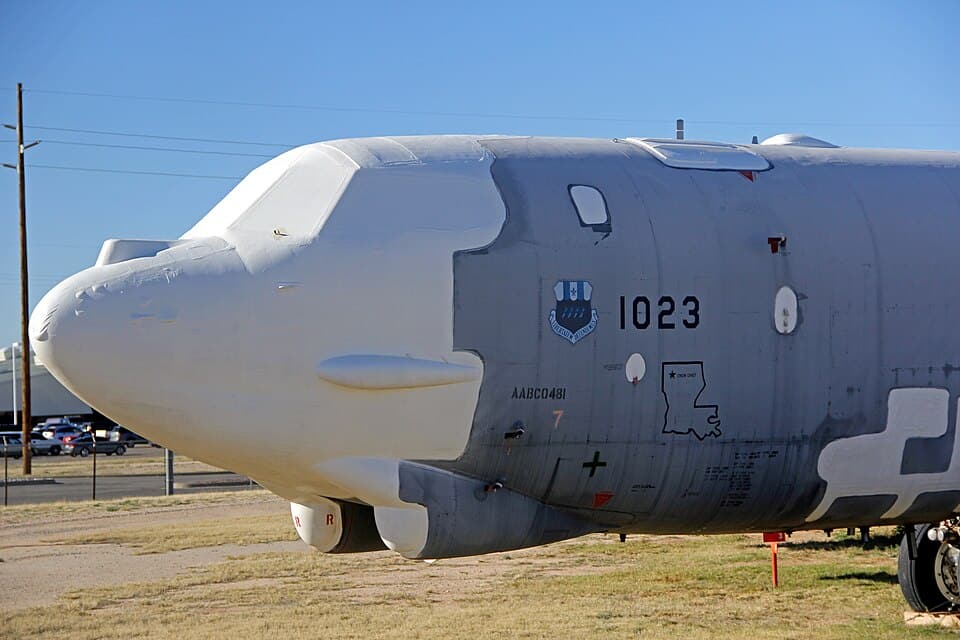
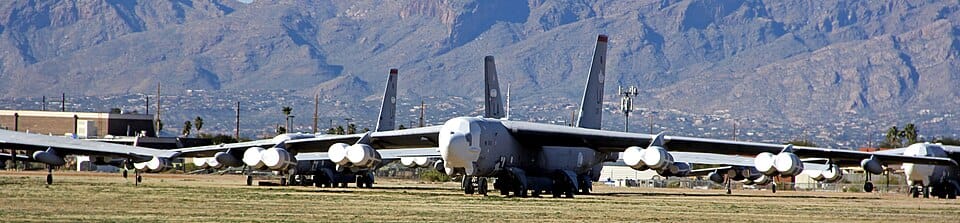
- AMARG (États-Unis) : Environ 4 000 avions répartis sur 1 052 hectares à la base aérienne Davis-Monthan, à Tucson, en Arizona.
- Aéroport et centre spatial de Mojave (États-Unis) : Stockage de gros avions de ligne civils ; 747, A340, MD-11
- Teruel (Espagne) : Le plus grand site de stockage d'avions d'Europe — un climat idéal pour la conservation
- Châteaudun (France) : Stockage et mise au rebut des avions militaires français
- Shymkent (Kazakhstan) : Ancien cimetière d'avions de chasse soviétiques ; MiG-31, MiG-27, MiG-29 et des Su-24 — 117 cellules ont été mises aux enchères en 2023
- Joukovski (Russie) : Avions prototypes et expérimentaux de l'époque soviétique
- Pourquoi l'Arizona : Faible humidité (inférieure à 10%), précipitations minimales, sol alcalin : conditions idéales pour la conservation des métaux
AMARG : La bibliothèque du désert
L'AMARG est située en bordure de la base aérienne Davis-Monthan à Tucson, en Arizona. Ce site a été choisi en 1946 car le désert de Sonora offre le climat le plus sec et le plus stable des États-Unis continentaux. La faible humidité y limite la corrosion. Le sol dur et alcalin permet aux avions de rester sur leur train d'atterrissage pendant des décennies sans s'enfoncer. L'ensoleillement abondant assure le fonctionnement de l'installation toute l'année.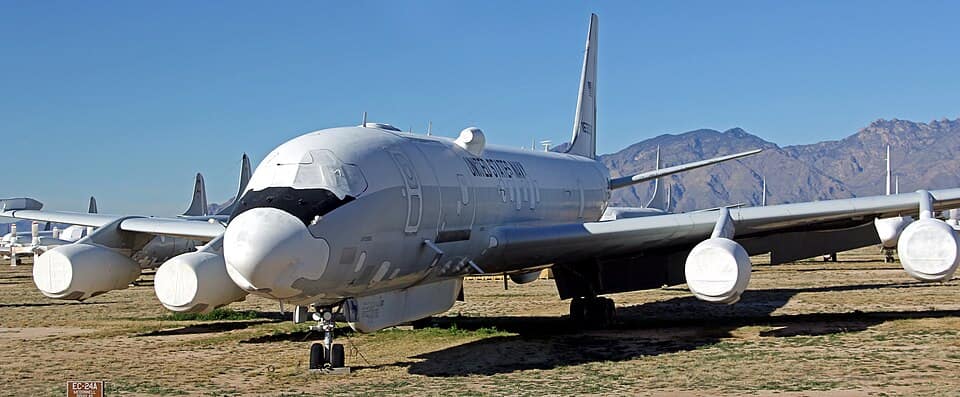
Les cimetières dont on n'entend jamais parler
AMARG est célèbre pour sa taille immense et son origine américaine. Mais des cimetières d'avions existent sur tous les continents. Le Mojave Air and Space Port, en Californie, entrepose des centaines d'avions de ligne mis hors service – 747, A340, 767 – stationnés dans le désert par des compagnies aériennes qui ne parviennent ni à les remplir ni à les vendre. Pendant la pandémie de COVID-19, le nombre de gros-porteurs immobilisés à Mojave a atteint des niveaux records. En Europe, l'aéroport de Teruel, en Espagne, est devenu le plus grand site de stockage d'avions du continent. Son climat désertique d'altitude (1 000 mètres, semi-aride) offre des conditions de conservation presque aussi bonnes qu'en Arizona. La base aérienne de Châteaudun, en France, stocke des avions militaires français mis hors service : Mirage, Jaguar, etc., Alpha Jets. Et dans l'ex-Union soviétique, les cimetières d'avions sont encore plus sauvages : des aérodromes abandonnés au Kazakhstan, en Ukraine et dans l'Extrême-Orient russe où… MiG-21, Les Tu-22 et les Su-7 rouillent à l'air libre, sans entretien, lentement rongés par la végétation et les intempéries.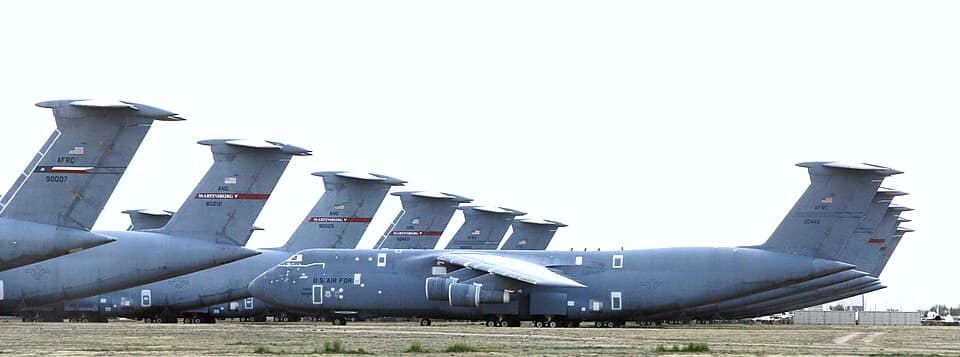
La seconde vie
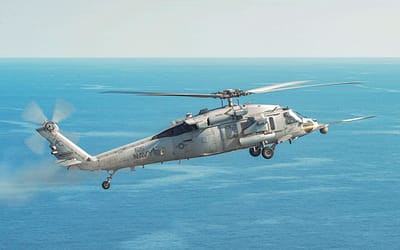
Tout ne disparaît pas à AMARG. Durant les guerres d'Irak et d'Afghanistan, le centre a remis en état des centaines d'avions : des F-16, des C-130 et des UH-60 Black Hawk stockés ont été sortis de leurs réserves, remis en état de vol et livrés aux unités combattantes. Le programme QF-16 transforme des F-16 retirés du service en drones cibles – une mission finale appropriée pour un chasseur. L'Iran a conservé ses F-14 Des Tomcats volent depuis des décennies grâce à des pièces provenant, selon certaines sources (voire de contrebande), de l'AMARG. L'AMARG se considère comme une réserve stratégique plutôt que comme un cimetière d'avions : les appareils y sont préservés afin de pouvoir être remis en service ou démantelés pour récupérer des pièces. L'argument économique est convaincant : stocker un avion à l'AMARG coûte bien moins cher que d'en construire un neuf. Pour le Pentagone, ce cimetière d'avions n'est pas une décharge, mais une assurance contre un avenir où les chaînes de production ne pourront pas répondre à la demande. Des rangées géométriques d'AMARG aux champs envahis par la végétation d'Asie centrale, les cimetières d'avions sont les dernières demeures de quelques-unes des machines les plus extraordinaires jamais construites. Ce sont des musées sans conservateurs, des entrepôts sans commerçants et, parfois, des sources de renaissance. Le désert les conserve. Le désert les leur rend. Sources : AMARG / 309e Groupe, Musée de l’air et de l’espace de Pima, Simple Flying, AeroTime, WikipédiaQuestions connexes
Qu'est-ce qu'un cimetière d'avions ?
Un cimetière d'avions, ou cimetière d'avions, est une vaste installation où sont stockés, préservés ou mis au rebut les avions retirés du service ou excédentaires. Certains appareils sont maintenus en état de vol pour une éventuelle remise en service, d'autres sont démantelés pour récupérer des pièces détachées, et le reste est recyclé pour son aluminium et ses métaux précieux.
Où se trouve le plus grand cimetière d'avions au monde ?
Le plus important est l'AMARG (309e Groupe de maintenance et de régénération aérospatiale), situé sur la base aérienne Davis-Monthan à Tucson, en Arizona. Il abrite environ 4 000 aéronefs répartis sur près de 1 052 hectares de désert, constituant ainsi une immense bibliothèque à ciel ouvert retraçant l'histoire de l'aviation militaire.
Pourquoi stocke-t-on des avions dans le désert ?
Les déserts comme celui de l'Arizona offrent des conditions de conservation idéales : une humidité inférieure à 101 °T3T, des précipitations minimales et un sol dur et alcalin qui supporte les gros porteurs sans nécessiter de revêtement. L'air sec ralentit considérablement la corrosion, permettant ainsi aux cellules d'avions de rester immobilisées pendant des années, voire des décennies, et d'être remises en service ou démantelées pour récupérer des pièces.
Combien d'avions sont stockés à AMARG ?
L'AMARG entrepose environ 4 000 aéronefs sur un terrain d'environ 1 052 hectares (2 600 acres) à la base aérienne Davis-Monthan, près de Tucson, en Arizona. La collection comprend des avions de chasse, des bombardiers, des avions de transport et des hélicoptères. Le site assure la préservation d'appareils précieux et fournit des pièces détachées pour maintenir en service les flottes opérationnelles.
Où se trouve le plus grand centre de stockage d'avions d'Europe ?
Le plus grand site de stockage d'avions d'Europe se trouve à Teruel, en Espagne, dont le climat sec et stable est idéal pour la conservation des avions de ligne stationnés. Parmi les autres sites importants, citons le Mojave Air and Space Port en Californie pour les avions civils et Châteaudun en France pour les avions militaires.
Existe-t-il des cimetières d'avions soviétiques ?
Oui. L'un des plus connus se trouve à Shymkent, au Kazakhstan, un ancien cimetière d'avions de chasse soviétiques abritant des appareils tels que le MiG-31, le MiG-27, le MiG-29 et le Su-24 — 117 cellules y ont été vendues aux enchères en 2023. Le site russe de Joukovski stocke également des prototypes et des avions expérimentaux de l'époque soviétique.
Que deviennent les vieux avions de chasse ?
Les avions de chasse mis hors service peuvent être conservés dans des cimetières d'avions, vendus à l'étranger, exposés dans des musées, utilisés comme cibles ou mis à la ferraille pour récupérer leurs métaux. Certains finissent même par appartenir à des particuliers – c'est pourquoi on nous pose souvent la question suivante : combien coûte un vol en MiG-29. Certaines forces aériennes maintiennent également en service, bien que de façon minimale, des avions vieillissants, comme… La flotte fantôme de la Corée du Nord.

0 commentaire