
A fighter steers by pushing on the air — elevators, rudder and ailerons all work by deflecting the airflow rushing over them. That works beautifully right up until the air stops cooperating: at very low speed, or at extreme angles of attack, the flow separates, the surfaces go mushy, and a conventional jet simply falls out of the sky. Thrust vectoring is the trick that keeps a fighter under control after the wings have given up. Instead of pushing on the air, it points the engine.
Deflect the jet of exhaust and the whole aircraft pivots around it, no airflow required. It is one of the most dramatic capabilities in modern aviation — and, for reasons of weight and cost, one of the rarest.
Informations clés
| Qu'est-ce que c'est | Deflecting engine exhaust to steer the aircraft, independent of the airflow |
| Two flavours | 2D nozzles (pitch only, F-22) and 3D/multi-axis nozzles (Su-35, Su-57) |
| Signature move | Post-stall manoeuvres — the Cobra and the Herbst turn |
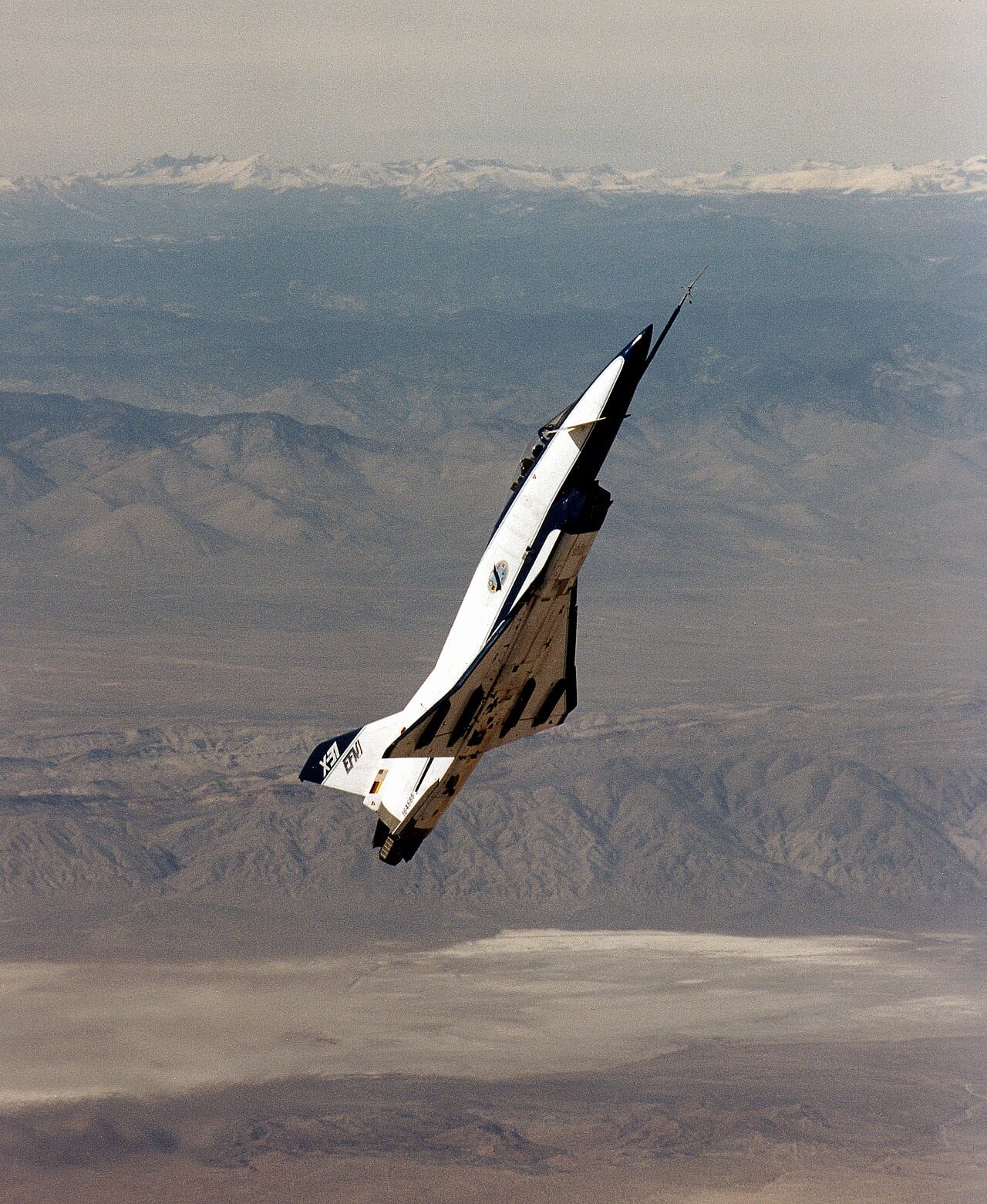
| Proved by | The X-31 and F-18 HARV demonstrators in the 1990s |
| Pays off | Nose authority at very low speed and high angle of attack |
| Costs | Weight, heat, complexity, and infrared and radar signature |
Steering With Fire
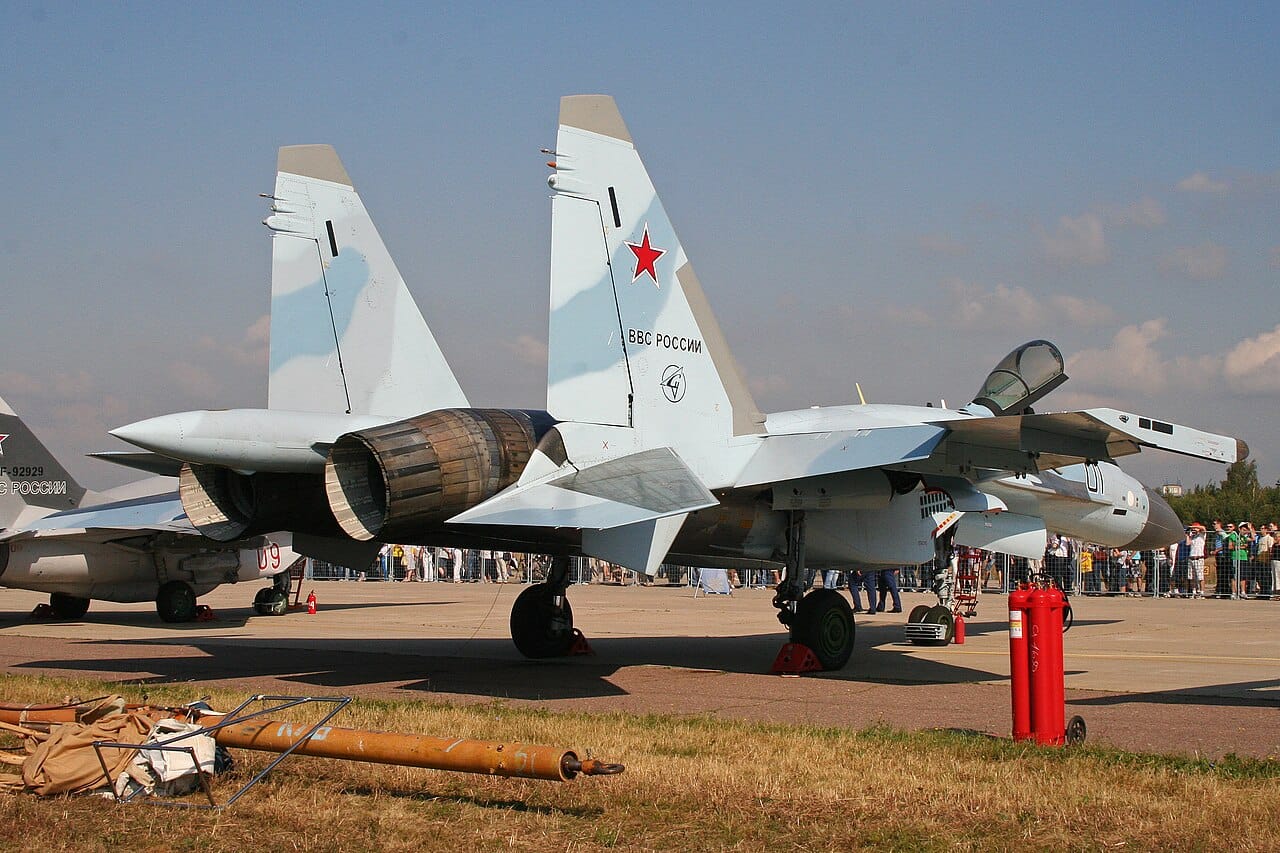
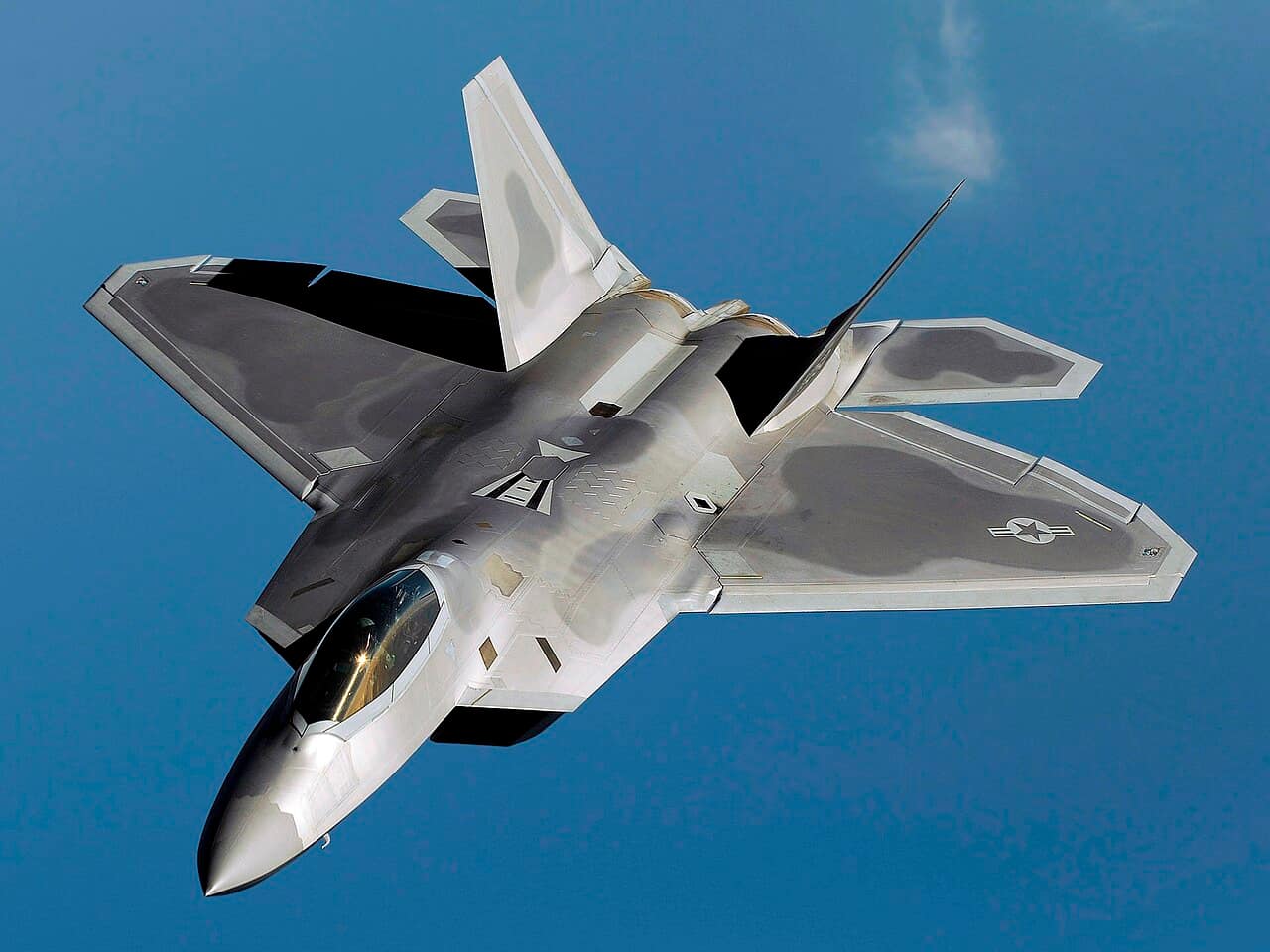
The mechanism is conceptually simple: movable flaps in the exhaust nozzle deflect the thrust up, down, or — on the most advanced engines — in almost any direction. On a twin like the F-22, angling both nozzles up pitches the nose up; the American jet uses rectangular, two-dimensional nozzles that move only in pitch, a shape chosen partly because flat nozzles are easier to hide from radar and cool for infrared. Russian fighters such as the Su-35 and Su-57 use round, three-dimensional nozzles that can swivel in pitch and yaw together, trading stealth for raw agility.
Crucially, the pilot is not sawing at the nozzles by hand. The flight-control computer blends thrust vectoring into ordinary stick inputs automatically.
A clear explainer of how thrust-vectoring nozzles actually redirect an engine’s exhaust.
Flying Past the Stall
The reason air forces chased this in the first place was the dogfight. In a slow, twisting merge, whichever aircraft can point its nose at the enemy first gets the shot. Thrust vectoring lets a pilot yank the nose around at speeds where a conventional fighter would depart controlled flight entirely — the physics behind Pugachev’s Cobra and the Herbst reversal. An F-22 pilot described what that buys in a fight.
A Su-35 demonstrates the post-stall aerobatics its 3D nozzles allow.
Why Most Jets Skip It
If it is so impressive, why do most fighters — including the F-35 — go without? Because the bill is steep. Vectoring nozzles are heavy, they run brutally hot, they add cost and maintenance, and moving exhaust flaps enlarge an aircraft’s radar and infrared signature. Against that, many planners argue the tactical payoff has shrunk: in an era of beyond-visual-range missiles and helmet-cued short-range shots, fewer fights ever reach the slow, nose-pointing scrap where vectoring wins.
So thrust vectoring remains a specialist’s tool rather than a universal one — spectacular at an airshow, genuinely useful in a knife-fight, and just expensive enough that most designers decide their computers and their missiles can do the job without it.
A closer look at thrust vectoring across the fighters that use it.
Sources: Smithsonian Air & Space; NASA X-31 programme; manufacturer data.
Questions connexes
What is thrust vectoring?
Thrust vectoring is the ability to steer an aircraft by deflecting its engine exhaust rather than relying on airflow over control surfaces. By pointing the jet of exhaust, the whole aircraft pivots around it — letting a fighter change direction even at very low speed or extreme angles of attack, where conventional elevators, rudders and ailerons lose their grip on the air.
What is thrust vectoring used for in fighter jets?
In combat, thrust vectoring lets a pilot point the nose at an opponent first in a slow, twisting dogfight — often the difference between taking the shot and missing it. It keeps a fighter controllable after the wings have stalled, enabling dramatic post-stall manoeuvres. It pairs naturally with commande de vol électrique flight controls, which manage the extreme attitudes vectoring makes possible.
What is the difference between 2D and 3D thrust vectoring?
2D thrust-vectoring nozzles deflect exhaust in one plane — pitch only — as on the F-22 Raptor. 3D or multi-axis nozzles can also swivel sideways for yaw, as on Russia’s Su-35 and Su-57. Multi-axis nozzles allow the most extreme aerobatics, while 2D nozzles are simpler and can be shaped to help reduce a jet’s radar and infrared signature.
Which fighter jets have thrust vectoring?
Relatively few production fighters use it, because the nozzles are heavy and costly. The F-22 Raptor has 2D pitch-vectoring nozzles, while Russia’s Su-35 and Su-57 use multi-axis nozzles. Notably the F-35 does without vectoring on its main variant. The technology was proven by the X-31 and F-18 HARV research aircraft in the 1990s.
What is Pugachev’s Cobra?
Pugachev’s Cobra is a post-stall manoeuvre in which a fighter rapidly pitches its nose up past vertical while still moving forward, then drops back to level flight. It shows extreme nose authority at low speed. Thrust vectoring makes such post-stall manoeuvres — along with the near-vertical Herbst reversal — far easier to perform and control.
Why don’t all fighter jets have thrust vectoring?
Because the benefits come at a steep price. Vectoring nozzles are heavy, mechanically complex and expensive, and they run hot, which adds maintenance and infrared-signature challenges. Many modern designs, including the F-35, judge that advanced aerodynamics, sensors and missiles deliver more combat value than the added weight of movable nozzles.
What is the Herbst maneuver?
The Herbst manoeuvre is a rapid, near-vertical reversal of direction flown deep in the post-stall regime, where the wings are no longer providing normal lift. It is only practical with thrust vectoring, which lets the pilot swing the nose around at speeds where a conventional fighter would depart controlled flight entirely.
Does thrust vectoring make a fighter better in a dogfight?
It can, by giving a pilot the “nose authority” to aim weapons at very low speed or high angle of attack, where a conventional jet would stall and lose control. But modern beyond-visual-range missiles and sensors mean many close-in advantages are situational, which is why designers weigh vectoring’s agility against its weight, cost and complexity before fitting it.
0 commentaire