
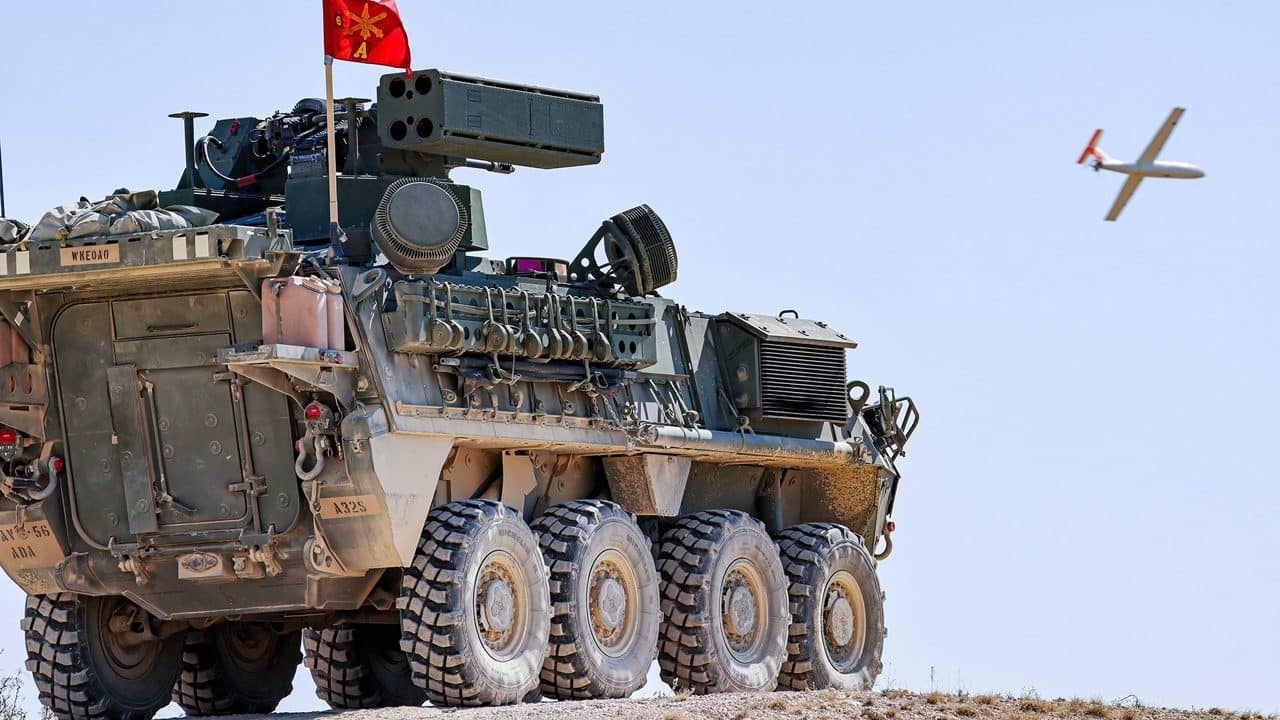
L'esercito statunitense ha analizzato attentamente la situazione in Ucraina, giungendo a una conclusione precisa e scomoda: sul campo di battaglia non esiste più un luogo sicuro. La sua risposta, formalizzata con una cerimonia di ridenominazione presso la base congiunta Lewis-McChord il 18 giugno, è un nuovo tipo di divisione, creata appositamente per rendere il campo di battaglia nemico altrettanto insicuro, saturandolo di droni.
L'unità è il Comando Multidominio della 7ª Divisione di Fanteria - Pacifico, o 7ª ID MDC-PAC. Sulla carta si tratta di una fusione: le due brigate Stryker della 7ª Divisione di Fanteria unite alle unità di rilevamento a lungo raggio, artiglieria, cyber, spazio e guerra elettronica della 1ª Task Force Multidominio. In pratica, il suo comandante descrive qualcosa di più simile a un cambio di dottrina: manovre di fanteria integrate con una massa di droni, coordinate dall'intelligenza artificiale.
Informazioni rapide: Comando multidominio della 7ª Divisione di Fanteria - Pacifico
| Attivato | 18 giugno 2026, Joint Base Lewis-McChord, Washington |
| Struttura | 7ª Divisione di Fanteria (due brigate Stryker) + 1ª Task Force Multidominio |
| Comandante | Generale di divisione Bernard J. Harrington |
| Concetto | Droni di rilevamento e attacco, esche e droni di guerra elettronica collegati da un sistema di comando "agente" basato sull'intelligenza artificiale. |
| Area di operazioni | L'Indo-Pacifico: dall'Artico dell'Alaska alle giungle delle Filippine e delle Hawaii. |
Sopraffazione dovuta al volume
Il generale di brigata Bernard J. Harrington, primo comandante del nuovo comando, ha illustrato il concetto con insolita chiarezza quando ha presentato l'unità ai giornalisti, come documentato da The War Zone.
Eliminando gli acronimi, l'idea è semplice: un numero così elevato di droni, di diverse tipologie, che le difese aeree dell'avversario non riescono a far fronte alla situazione. I droni sensore individuano i bersagli. I droni d'attacco a senso unico li colpiscono. I droni esca – una tecnica appresa dai massicci bombardamenti con missili Shahed della Russia contro l'Ucraina – assorbono i missili intercettori e, per usare le parole di Harrington, "riducono la potenziale riserva di munizioni". I droni per la guerra elettronica accecano ciò che resta.
Il tessuto connettivo è un sistema di comando e controllo basato sull'intelligenza artificiale "agente": un software che instrada i dati dei sensori, riposiziona i droni e abbina i bersagli ai tiratori in modo autonomo. Harrington lo definisce "soldato nel ciclo, non nel ciclo": gli esseri umani monitorano e possono intervenire, ma non devono più approvare ogni singola azione.
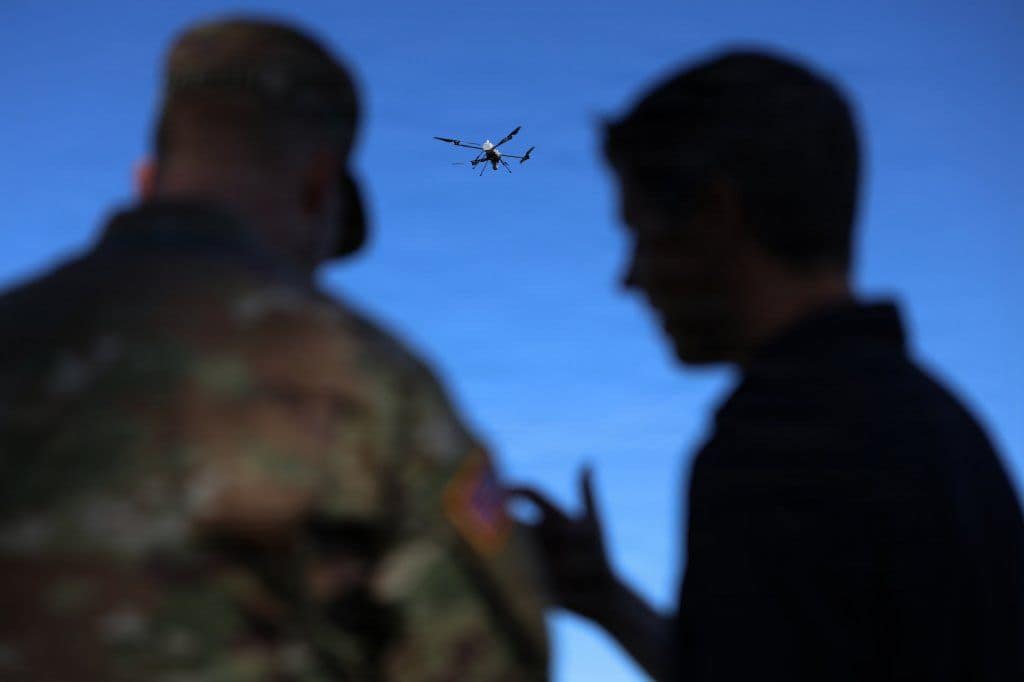
Recuperare il tempo perduto in una guerra in cui non è coinvolto
Il contesto implicito è che l'esercito statunitense è in ritardo. Ucraina e Russia sviluppano droni da combattimento con cadenza settimanale; la Cina produce in serie ogni tipo di drone a livelli che preoccupano apertamente il Pentagono. Il Comando Centrale degli Stati Uniti ha utilizzato in combattimento solo di recente i suoi primi droni d'attacco a lungo raggio e a senso unico: i LUCAS, un progetto derivato dall'ingegneria inversa dello Shahed-136 iraniano. L'esercito si è ora posto l'obiettivo di acquistare un milione di droni entro pochi anni. Gli ufficiali di alto grado sono stati espliciti riguardo al divario.
Il Pacifico rende il problema ancora più complesso. Il generale Ronald Clark, comandante dell'USARPAC, sottolinea che un'unica area operativa nel Sud-est asiatico – dalla Cambogia alle Filippine, all'Indonesia e ritorno – copre all'incirca la stessa superficie dell'Europa, dal Regno Unito alla Finlandia alla Spagna. Il comando avrà bisogno di droni in grado di operare nel freddo artico, nell'umidità della giungla e nel caldo del deserto, spesso a distanze estreme.
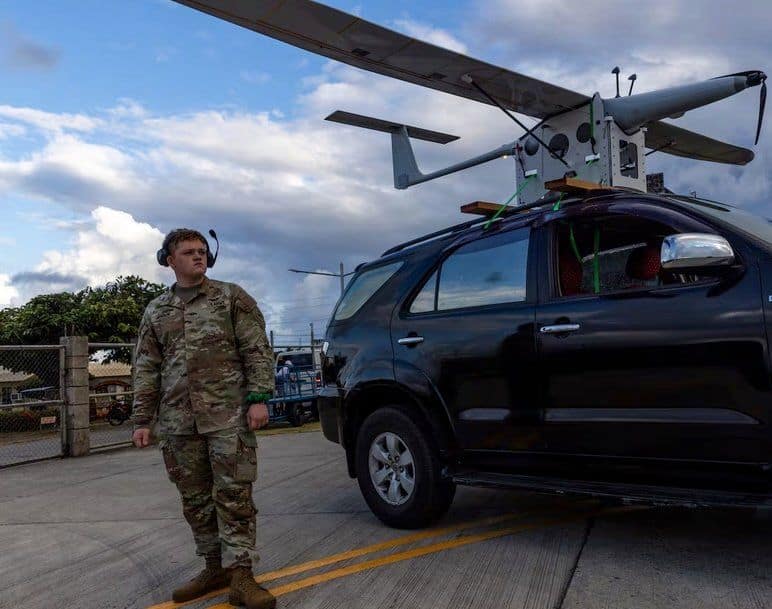
Esche, inganni e cosa succederà dopo
L'elemento di inganno merita attenzione, perché ribalta una lezione che l'Occidente ha imparato a sue spese. Per tre anni, i droni russi a basso costo hanno costretto l'Ucraina a impiegare i suoi scarsi intercettori su velivoli vuoti. Si tratta della stessa strategia, condotta al contrario, e funziona solo se i droni sono abbastanza economici da poter essere sprecati. Questa, più di qualsiasi singolo velivolo, è la rivoluzione che l'esercito sta perseguendo.
È significativo che i funzionari che hanno presentato il comando non abbiano mai pronunciato la parola "Cina". La nuova unità, ha insistito Clark, "non è legata a un avversario specifico". Nessuno nella stanza aveva bisogno di spiegazioni sulla mappa.
Il comando ha appena due settimane di vita e rimangono interrogativi cruciali: quali droni, quanti, con quale rapidità e se gli acquisti dell'esercito riusciranno a tenere il passo con la guerra che sta simulando. Ma come dichiarazione d'intenti, il 7th ID MDC-PAC è inequivocabile: la futura guerra dell'esercito americano nel Pacifico sarà combattuta, in gran parte, da macchine che volano in sciami. Vale la pena guardare per intero la cerimonia di attivazione e il briefing:
Fonti: The War Zone (TWZ), Esercito degli Stati Uniti / USARPAC, DefenseScoop, Stars and Stripes
Domande correlate
Cos'è il Comando Multidominio della 7ª Divisione di Fanteria del Pacifico?
Il 7th ID Multi-Domain Command Pacific (7th ID MDC-PAC) è una divisione dell'esercito statunitense riorganizzata per saturare il campo di battaglia con i droni. Formalizzata presso la Joint Base Lewis-McChord il 18 giugno 2026, unisce le due brigate Stryker della 7ª Divisione di Fanteria con le unità di rilevamento a lungo raggio, fuoco, cyber, spazio e guerra elettronica della 1ª Task Force Multidominio.
Che cosa sono le operazioni multidominio?
Le operazioni multidominio sono un concetto militare statunitense che prevede di combattere simultaneamente in modo integrato su terra, mare, aria, spazio e cyberspazio, in modo che gli effetti in un dominio supportino gli altri. Il 7th ID MDC-PAC incarna questo concetto, combinando le manovre di fanteria con il fuoco a lungo raggio, la guerra elettronica e l'impiego di droni, coordinati con l'ausilio dell'intelligenza artificiale.
Quali insegnamenti ha tratto l'esercito statunitense dalla guerra in Ucraina?
L'esercito ha concluso dall'Ucraina che non esiste più alcun luogo sicuro sul campo di battaglia, poiché i droni economici e i sensori a lungo raggio espongono le truppe ovunque. La sua risposta è rendere il terreno nemico altrettanto insicuro schierando droni in massa. Un ragionamento simile sta guidando marine militari orientate verso droni d'attacco sacrificabili.
Quando è stata attivata la 7ª Divisione di Fanteria MDC-PAC?
L'unità è stata formalizzata con una cerimonia di ridenominazione presso la Joint Base Lewis-McChord il 18 giugno 2026. Piuttosto che una formazione completamente nuova, si tratta di una fusione di unità esistenti, che unisce la 7ª Divisione di Fanteria con la 1ª Task Force Multidominio per creare una divisione progettata per l'impiego massiccio di droni e per gli effetti multidominio.
Che cos'è una task force multidominio?
Una Multi-Domain Task Force è una formazione dell'esercito statunitense che concentra in un'unica unità capacità di rilevamento a lungo raggio, fuoco di precisione, cyberdifesa, spazio e guerra elettronica. Le risorse della 1ª Multi-Domain Task Force sono state integrate nella nuova 7ª Divisione di Fanteria MDC-PAC, conferendo a una divisione di fanteria tradizionale capacità di intervento ed efficacia in più domini.
In che modo i droni stanno cambiando la guerra terrestre?
I droni stanno rendendo il campo di battaglia trasparente e letale ovunque, quindi gli eserciti ora pianificano sia di difendersi da essi sia di schierarli in massa per sopraffare il nemico. Coordinati dall'IA e abbinati alla fanteria, gli sciami di droni stanno diventando centrali nella dottrina, sollevando difficili interrogativi sull'autonomia, come ad esempio quando alle macchine è consentito decidere di sparare.
0 Commenti