
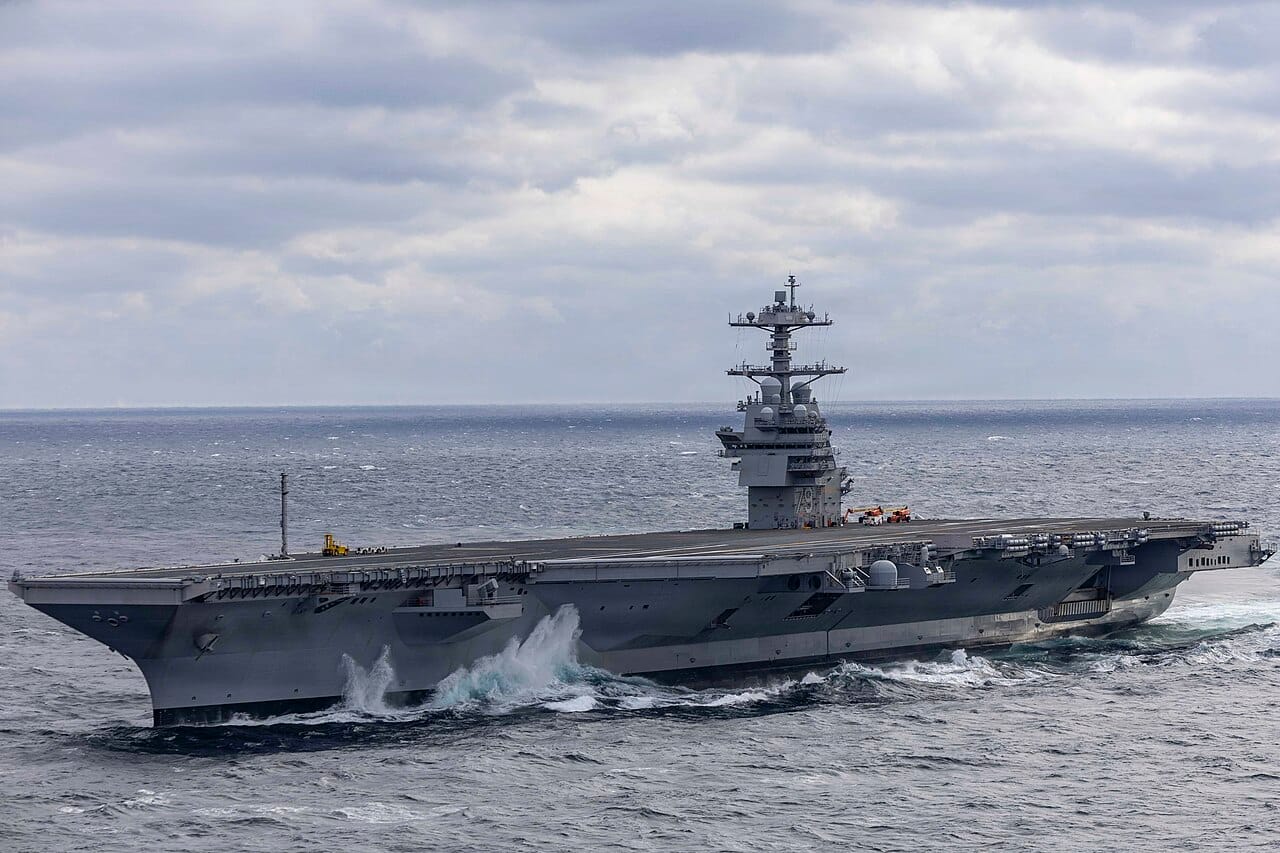
A 100,000-ton warship does not slip quietly out to sea. On August 12, 2026, the future USS John F. Kennedy cast off from Newport News, Virginia, and pointed her bow at the Atlantic for the most important cruise of her life so far.
These are her acceptance trials: the last major gate before the U.S. Navy formally takes ownership of its second Ford-class supercarrier. For several days at sea, government inspectors will push her propulsion, navigation, combat and aviation systems to prove she is built to specification.
Pass, and the Kennedy moves toward delivery and commissioning. It is a milestone the ship was supposed to reach more than a year ago.
Informazioni rapide
- Nave: Future USS John F. Kennedy (CVN-79)
- Class: Second Gerald R. Ford-class supercarrier
- Displacement: Roughly 100,000 tons, nuclear powered
- Pietra miliare: Departed Newport News on Aug 12, 2026 for acceptance trials
- Scopo: Navy-led inspection of propulsion, combat and aviation systems before delivery
- Delivery and commissioning: Expected around March 2027
- Program cost: Roughly $13 billion
The last test before the Navy takes the keys
Acceptance trials are run by the Navy's Board of Inspection and Survey, the demanding in-house auditors who decide whether a brand-new ship actually works. Over several days at sea they wring out the reactors and shafts, run the ship through high-speed turns, exercise the combat systems, and check everything from anchors to firefighting mains.
The Kennedy has been to sea before. She completed eight days of builder's trials back in February, when the shipyard proved out her basic seaworthiness. This second voyage is the harder one, because now it is the customer holding the clipboard.
Years late, and why
The Kennedy was once expected in the fleet in 2025. Two systems in particular held her back. Her Advanced Arresting Gear, the electromagnetic system that stops a landing jet, needed extra certification work, and her Advanced Weapons Elevators, which haul bombs and missiles up from the magazines, took years to finish and switch on.
The lead ship of the class, the Gerald R. Ford, blazed the same painful trail before her, spending years working the bugs out of the very technologies that make these carriers new. The Kennedy has inherited the fixes, but also the schedule scars.
What the Kennedy brings
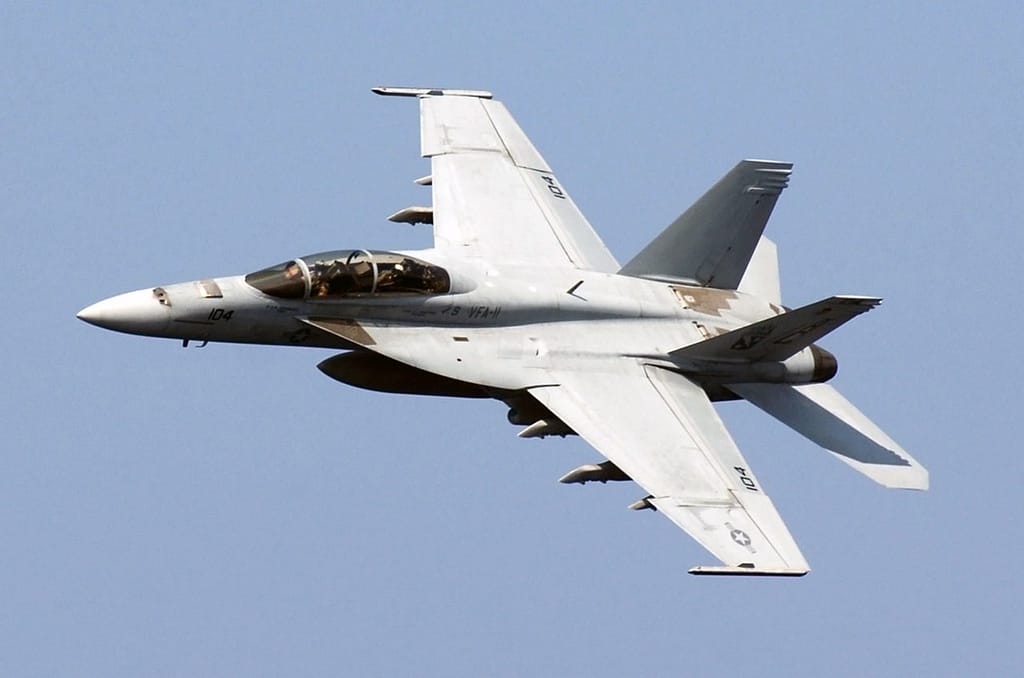
When she does join the fleet, the Kennedy carries the full Ford-class leap: electromagnetic catapults in place of steam, a redesigned island, more electrical power, and a flight deck engineered to launch and recover aircraft faster than any Nimitz. Her air wing will span F/A-18 Super Hornets, the stealthy F-35C, EA-18G Growlers and the E-2D Hawkeye.
She arrives, too, in the middle of a national argument about how her successors should fling their jets into the sky. This week the White House ordered the fourth ship of the class to abandon those electromagnetic catapults and go back to steam. The Kennedy keeps hers, and is about to prove they work.
Sources: The Aviationist, USNI News, Naval News, U.S. Navy
0 Commenti