
For decades, one rule has sat quietly at the centre of Western air power: a human being decides when a weapon kills. On June 30, 2026, Britain edged away from it. Buried inside a sweeping Defence Investment Plan — more than £5 billion for drones, the largest such commitment in British military history — was a line few had expected to see in a government document. At least some future weapons will be designed to make targeting decisions without a human authorising each individual strike.
It is one sentence. It may turn out to be one of the most consequential in modern British defence policy.
QUICK FACTS
| Announced | 30 June 2026 — Defence Investment Plan |
| Investment | More than £5 billion in drones and autonomy |
| Headline shift | Some weapons to strike without per-target human sign-off |
| Project NYX | Up to 24 armed autonomous drones by 2030, teamed with Army Apaches |
| Storm Shroud | RAF uncrewed electronic-warfare drone, in service by end 2026 |
| Also funded | Collaborative Combat Aircraft (autonomous fighter “wingman”) |
What the money buys
The plan, unveiled by Prime Minister Keir Starmer, spreads autonomy across all three services. Project NYX would give the British Army up to 24 armed autonomous drones by 2030, flying alongside its upgraded Apache helicopters to scout, strike and jam. The Royal Air Force expects to field Storm Shroud, an uncrewed electronic-warfare drone, before the end of 2026. And the Collaborative Combat Aircraft programme envisions uncrewed “loyal wingmen” flying beside crewed fighters.
In most of these, a human still sets the mission. The change is in the seconds that follow. In some configurations, the drone’s AI would handle flight, sensors and even weapons employment without waiting for a person to approve each action.
The line everyone is watching
Supporters make a blunt case. In a war against fast-moving targets and jammed communications — the kind Ukraine has made routine — a drone that must phone home before every shot is a drone that loses. Autonomy, they argue, is not a moral choice but a survival requirement, and a human still writes the rules of engagement the machine obeys.
Critics see it differently. Campaign groups warn that handing life-and-death decisions to software erodes accountability and risks civilian harm when an algorithm misreads a target. They have long pushed for a binding international treaty requiring “meaningful human control” over lethal force — a treaty the UK has historically declined to support, arguing existing law of armed conflict already applies.
A bet on the shape of the next war
Whatever one makes of the ethics, the strategic logic is clear. Britain is betting that the next war will be fought by cheap, numerous, increasingly independent machines — and that the side still asking permission for every trigger pull will be too slow to win. The £5 billion is the down payment.
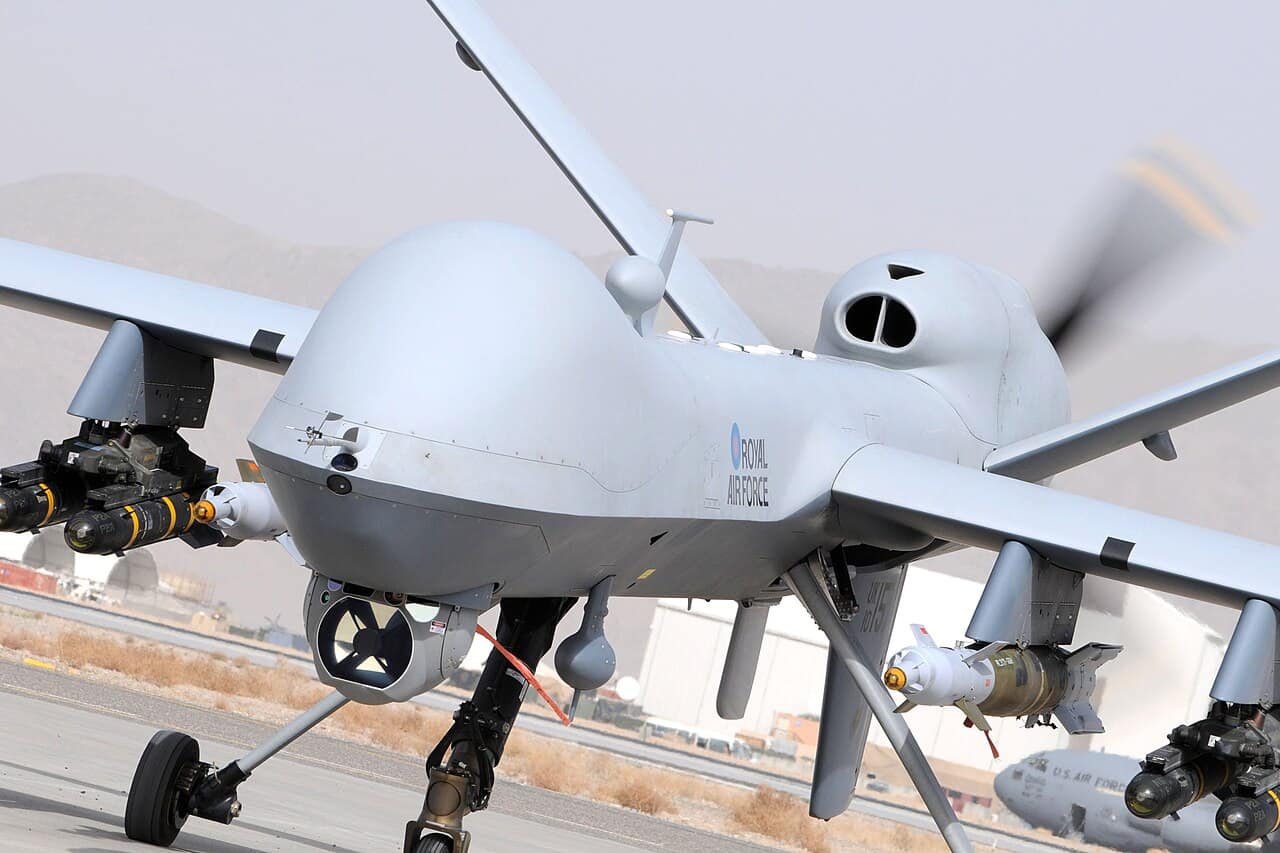
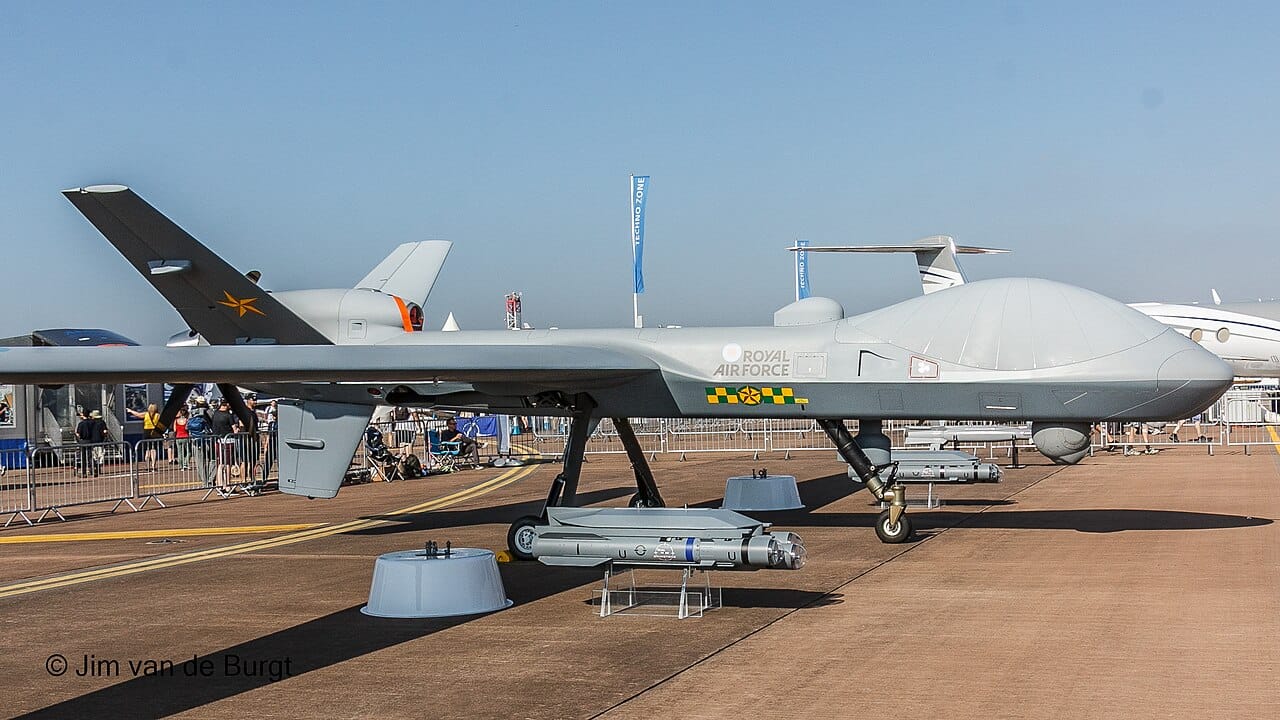
The Reapers flying today still have a person at the controls in a distant ground station. The drones this plan pays for may be the first British weapons that, at least some of the time, do not.
Sources: UK Ministry of Defence (gov.uk); The War Zone; Army Recognition; defence-industry.eu; Tech Times.
Related Questions
What is Project NYX?
Project NYX is a British Army programme, funded under the 2026 Defence Investment Plan, to field up to 24 armed autonomous drones by 2030. They would fly alongside the Army’s upgraded Apache attack helicopters, carrying out reconnaissance, precision strikes and electronic warfare.
Will UK drones be allowed to kill without a human in control?
The 2026 plan says at least some weapons will make targeting decisions without a human authorising each individual strike. The UK maintains that humans remain accountable and set the rules of engagement, but critics argue this crosses a line toward autonomous lethal force with weaker human oversight.
What is a Collaborative Combat Aircraft?
A Collaborative Combat Aircraft (CCA) is an uncrewed “loyal wingman” that flies with a crewed fighter. The pilot acts as a mission commander issuing high-level goals, while the drone’s AI handles flying, sensors and — in some configurations — weapons employment without real-time human input for each action.
What is Storm Shroud?
Storm Shroud is an uncrewed electronic-warfare drone the Royal Air Force expects to bring into operational service before the end of 2026. Rather than carrying weapons, it is designed to jam and blind enemy air defences so crewed and uncrewed strike aircraft can get through.
Are autonomous weapons legal under international law?
There is no binding international treaty banning lethal autonomous weapons, and the debate over whether they comply with the laws of armed conflict is unresolved. The UK has historically opposed a binding ban, arguing existing law is sufficient; campaign groups counter that “killer robots” raise serious accountability and civilian-protection concerns.

0 Commenti