
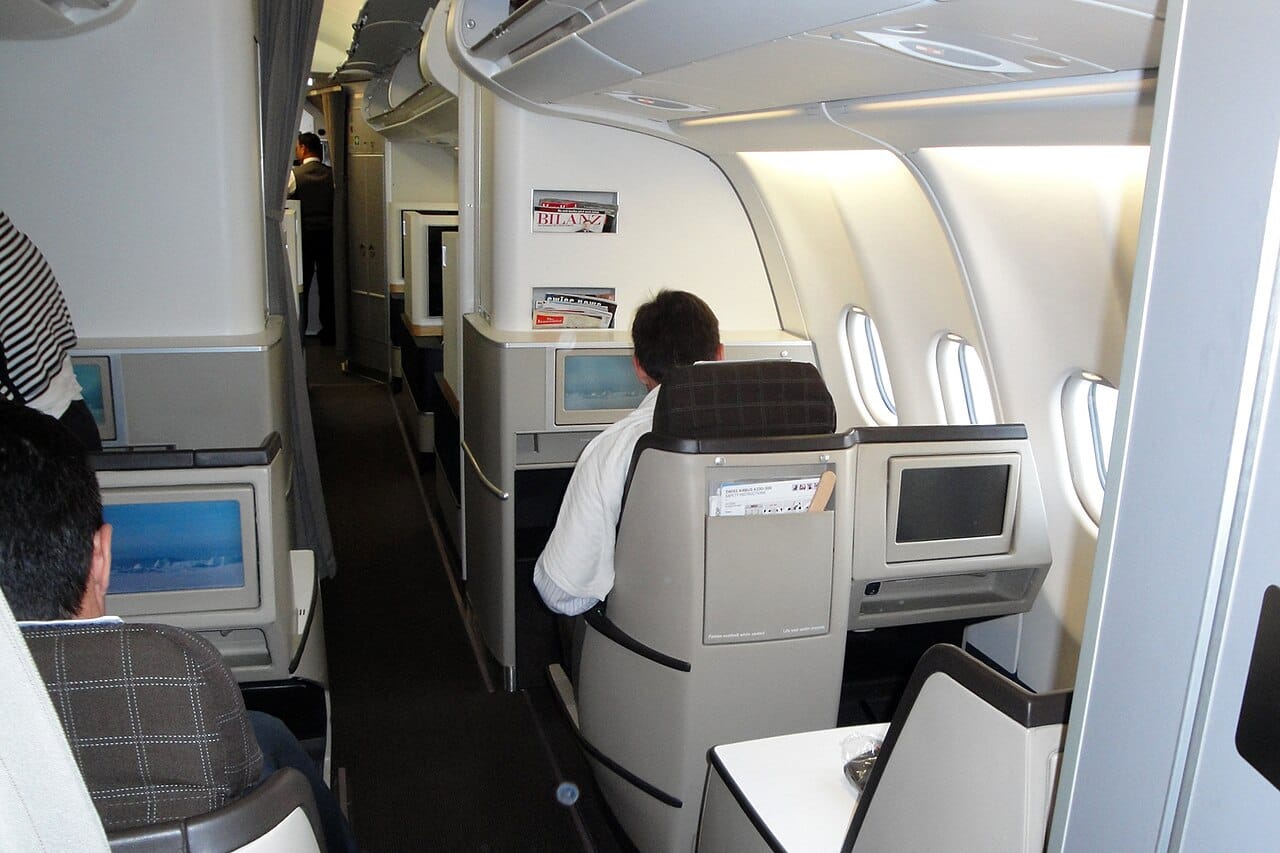
Somewhere over the cold Atlantic off Nova Scotia, about six and a half hours into an eight-hour crossing, passengers in the front of a Zurich-to-New York flight caught the one smell nobody wants at 30,000 feet: hot electrics.
Smoke was seeping into the forward business-class cabin of SWISS flight LX16 on Monday. The crew did not wait to see how bad it would get. They declared an emergency, pushed the nose down, and dropped the Airbus A330 more than 22,000 feet in about ten minutes, turning for the nearest long runway — Bangor, Maine.
Minutes later the jet was on the ground, all 208 people aboard safe, and the drama was over almost as quickly as it began.
Informazioni rapide
- Volo: SWISS LX16, Zurich (ZRH) to New York JFK
- Aeromobili: Airbus A330-343, registration HB-JHK
- Data: Monday, 27 July 2026
- Problem: Smoke of unknown origin in the forward business-class cabin, roughly 6.5 hours into the flight, near Nova Scotia
- Diversion: Bangor International Airport (BGR), Maine — landed safely around midday local time
- On board: 208 passengers and crew, all safe; no evacuation, oxygen masks did not deploy
- Investigation: SWISS and the U.S. FAA; cause not yet identified
A calm emergency over Nova Scotia
LX16 had left Zurich mid-morning bound for John F. Kennedy International. The aircraft was the 14-year-old Airbus A330-343 registered HB-JHK — a widebody that has crossed the Atlantic hundreds of times without incident.
When smoke appeared in the forward business-class section, the flight deck ran the drill that airline crews rehearse endlessly and rarely have to use for real: don oxygen, get down, get on the ground. The rapid descent looks alarming on a flight-tracking chart, but it is exactly what the procedure calls for. The aircraft landed at Bangor around midday local time. The runway closed briefly, rippling delays through the little Maine airport's afternoon.
No fire — but no easy answer
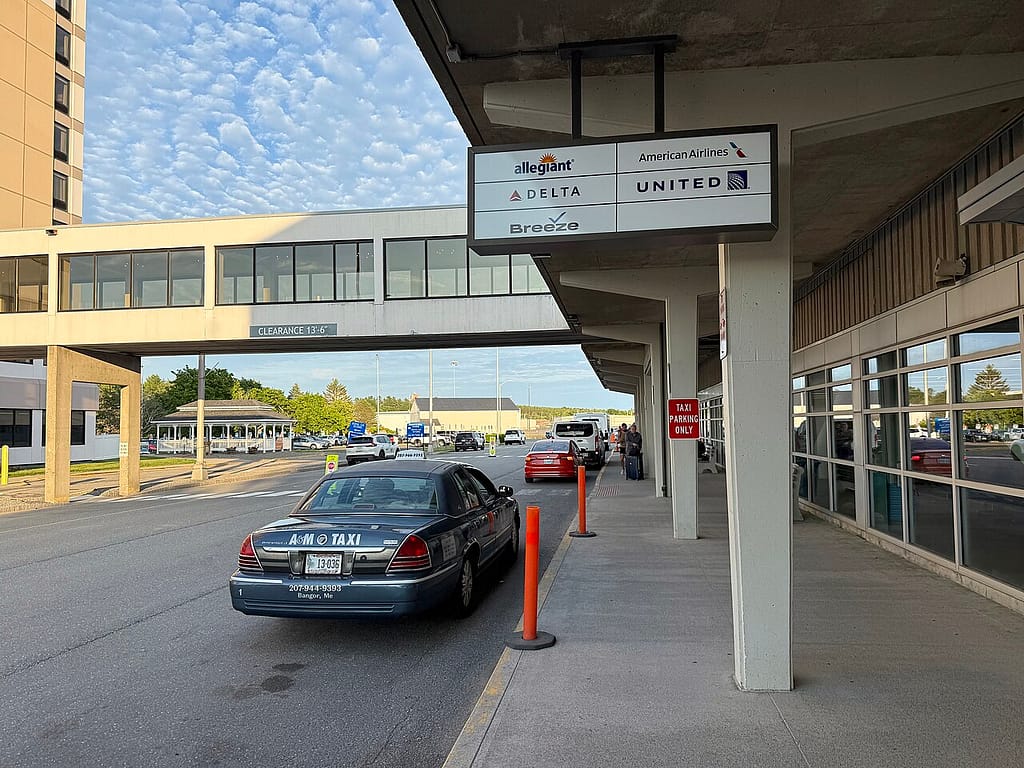
On the ground, Bangor's firefighters met the jet and went over it with thermal-imaging cameras. They found no fire and no heat. Passengers never had to use the slides, and the oxygen masks never dropped. Several described an electrical smell, one guessing it may have come from a seat.
The origin remains genuinely unknown. The FAA's early notes referred to a reported cockpit fire, while the airline described smoke in the forward business-class cabin — the kind of discrepancy that gets resolved only after engineers open the aircraft up. SWISS says it will not speculate, and both the airline and the FAA have opened investigations.
Why Bangor, of all places?
To aviation watchers, the destination was no surprise. Bangor sits in the top-right corner of the United States, right under the great-circle tracks that funnel European flights toward New York and beyond. For a jet with a problem over the western Atlantic, it is often the first American runway long enough to matter — which is why this quiet airport has quietly rescued more transatlantic flights than almost anywhere else.
For the 208 travellers, the reward for a scary five minutes was a long wait for a replacement SWISS jet to carry them the last leg to New York. A frightening smell, a textbook descent, and a safe landing. In aviation, that counts as a good day.
Sources: WABI-TV; Portland Press Herald; Simple Flying; AeroXplorer; Aviation Safety Network. Video shows a SWISS A330-343 on the same Zurich-New York route, for illustration.
Post correlati
0 Commenti