
For years, Boeing quietly bankrolled three of the most interesting bets in aviation: a self-flying air taxi, a battle-tested reconnaissance drone, and the software to keep crowded skies from turning into chaos. On August 10, 2026, it handed all three to a Silicon Valley startup and took a seat at that startup's table instead.
Archer Aviation announced it will acquire Boeing's Wisk Aero, Insitu and SkyGrid subsidiaries in a single sweeping deal. In return, Boeing takes an equity stake in Archer, a nominee on its board, and a technology-sharing arrangement that keeps it plugged into the autonomy work it spent two decades funding. In one stroke, Archer stops being just an air-taxi hopeful and becomes a diversified aerospace-and-defense player with a profitable drone business attached.
It is one of the most consequential shuffles in advanced aviation in years, and almost nobody saw it coming.
INFORMAZIONI RAPIDE
| Annunciato | August 10, 2026 |
| Acquirente | Archer Aviation (NYSE: ACHR) |
| Acquired | Wisk Aero, Insitu, SkyGrid (from Boeing) |
| Boeing stake | Equity position in Archer, plus a board nominee |
| Insitu revenue | Over $200M a year, operations in 35 countries |
| Combined flight hours | Nearly 2 million |
| Expected close | By end of 2026 (pending antitrust review) |
Three companies, three different futures
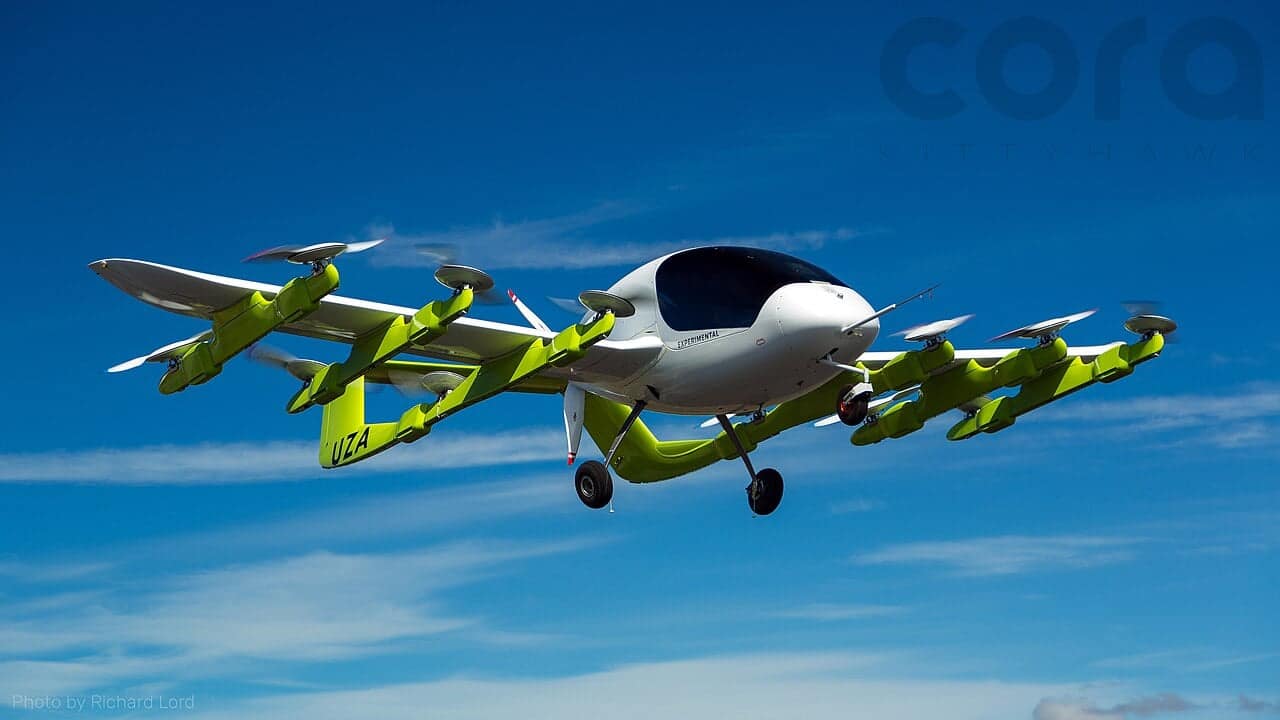
The businesses changing hands could not be more different. Wisk Aero is the crown jewel for anyone who believes in autonomous flight: it is the only company to have designed, built and flown six generations of eVTOL aircraft, with more than 1,700 flight tests over sixteen years. Its whole premise is an air taxi with no pilot on board at all.
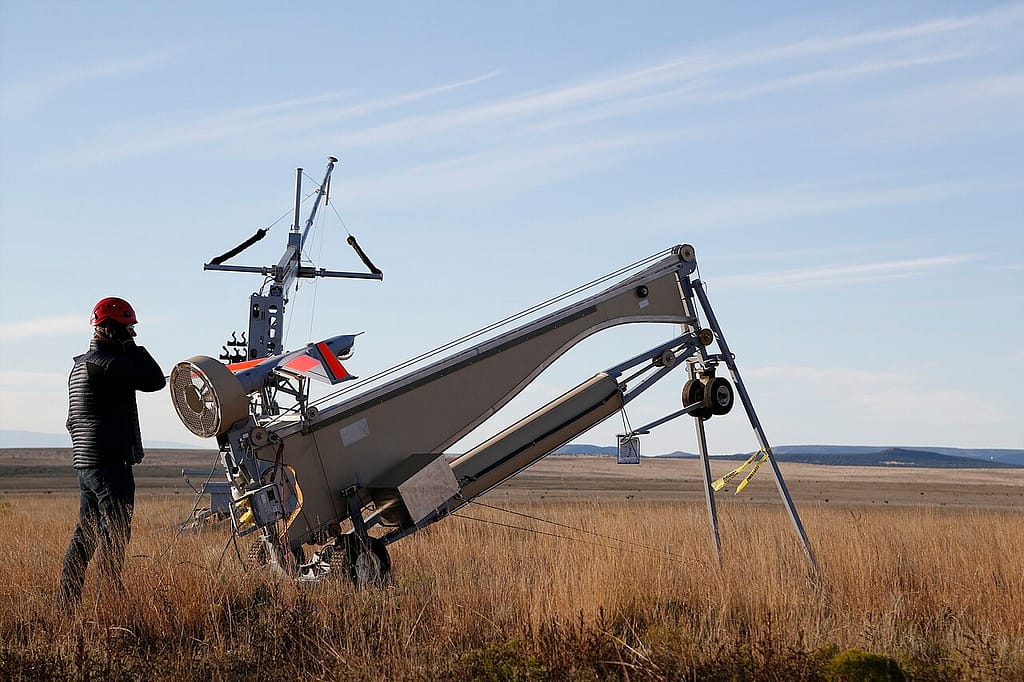
Insitu is the opposite kind of company: unglamorous, combat-proven and, crucially, profitable. Its ScanEagle and family of uncrewed aircraft have flown intelligence and reconnaissance missions for the armed forces of 35 nations, with more than 3,500 systems fielded worldwide. It is the piece that turns Archer's balance sheet from promise into revenue, adding a business generating over $200 million a year.
SkyGrid is the connective tissue: ground-based, aircraft-agnostic air-traffic software built to let swarms of autonomous aircraft share the same sky safely. Together, Archer says, the three feed nearly two million combined flight hours of data into ZEE, its purpose-built AI model for aerospace and defense.
Why Boeing let them go
Boeing has spent the past two years shedding weight and refocusing on its core airplane and defense programs. Handing off Wisk, Insitu and SkyGrid lets it capitalize on long-running investments without carrying the development risk, while retaining access to Wisk's core autonomous-flight technology for its own future aircraft through the tech-sharing deal.
The company frames it as a clean win: cash out the upside through an Archer stake, keep the technology within reach, and pour resources back into the jets that pay the bills.
Here is Archer's Midnight eVTOL — the aircraft at the center of the buyer's own story — completing a full transition from vertical lift to wing-borne flight:
A bet on “physical AI”
The phrase Archer keeps repeating is “physical AI” — the idea that the same autonomy stack can fly a passenger air taxi, a reconnaissance drone and a cargo aircraft, once it has enough real-world flight data to learn from. That is exactly what nearly two million flight hours is meant to provide.
The deal still has to clear the Hart-Scott-Rodino antitrust waiting period and is expected to close by the end of 2026. If it does, a company that had never turned a profit will suddenly own one of the most experienced autonomous-flight portfolios on Earth — and Boeing will be cheering from the sidelines, as a shareholder.
Below, Wisk shows off the sixth-generation, self-flying Cora that Archer is now buying:
Sources: Boeing/Archer joint press release (10 Aug 2026); Archer Aviation Form 8-K (SEC); The Air Current; Quartz.
0 Commenti