
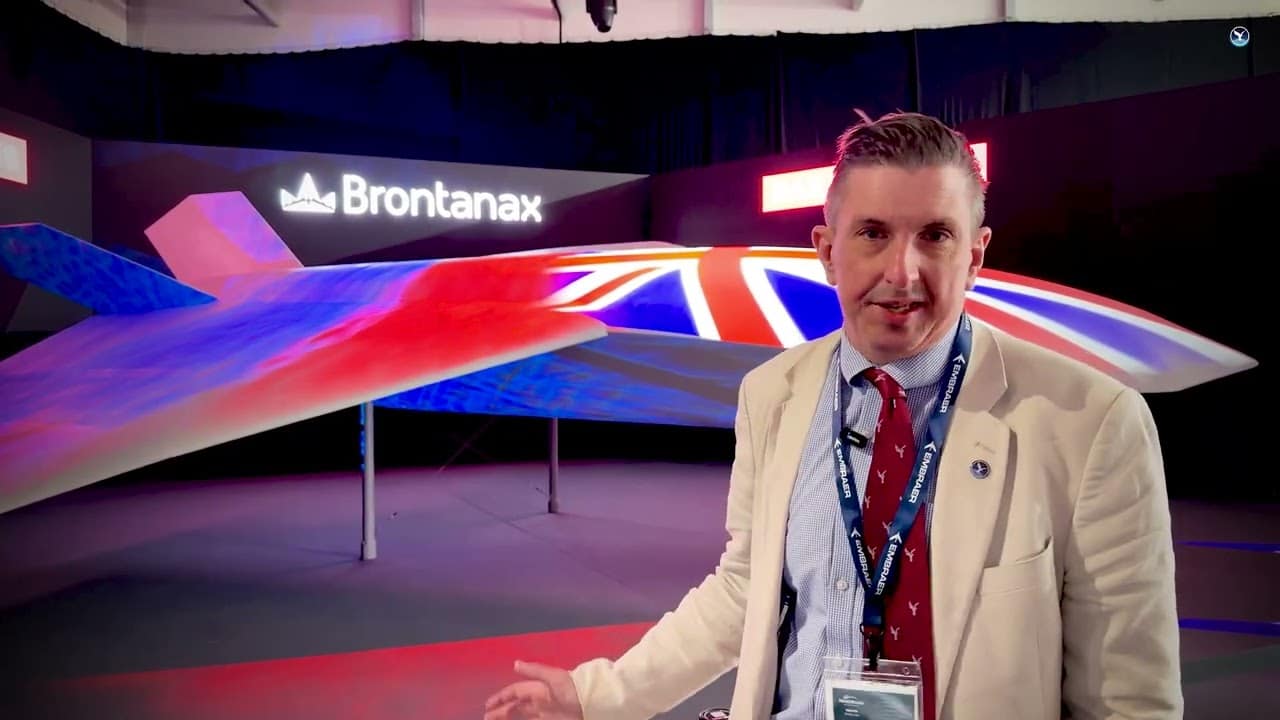
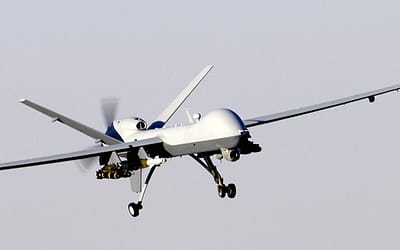
The reveal came without a flypast, without a scream of afterburner. On the second day of the Farnborough International Airshow, BAE Systems pulled a cover from a matt-grey, tailless aircraft roughly the size of a Hawk trainer and gave Britain its first sovereign combat drone a name from Ancient Greek: Brontanax, "thunder king." Built in secret at Warton, it is the United Kingdom's first uncrewed Collaborative Combat Aircraft — a machine designed to fly, fight and, if necessary, die alongside a crewed fighter.
Defence Secretary Wes Streeting stood beside it, along with the Chief of the Air Staff. The message was deliberate: this is not a technology demonstrator gathering dust, but an operational prototype meant to fly in 2027 and reach the Royal Air Force before the decade is out. It is intended to partner the Eurofighter Typhoon today, and to inform the drones that will one day escort the F-35 and the future Tempest fighter of the GCAP programme.
| Nome | Brontanax — "thunder king" (Greek) |
| Creatore | BAE Systems (FalconWorks), Warton |
| Programma | UK "Storm Fighter" CCA — £300 million |
| Svelato | 22 July 2026, Farnborough Airshow |
| Ruolo | Uncrewed loyal wingman — EW, strike, air-to-air |
| In servizio | First flight 2027; RAF before ~2030 |
| Pairs with | Typhoon now; F-35 and Tempest/GCAP later |
A wingman that costs a quarter of a fighter
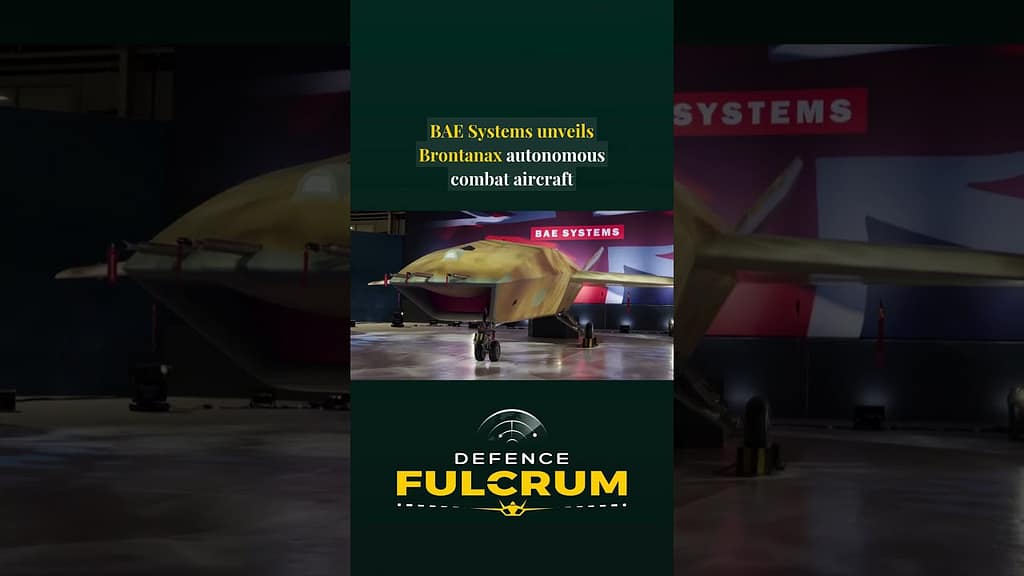
The logic behind Brontanax is the logic driving every major air force today: crewed fighters are magnificent and ruinously expensive, and there are never enough of them. A Collaborative Combat Aircraft answers the arithmetic. BAE says the aircraft carries an internal weapons bay compatible with every weapon currently in RAF service, and can perform electronic warfare, precision strike and air-to-air missions — for roughly a quarter of the price of a Typhoon.
Flown by a Typhoon pilot or directed by a ground mission commander, a formation of these drones can absorb the risks a nation is unwilling to spend human lives on: pushing first into contested airspace, jamming, baiting defences, striking. The prototype flies behind a Williams turbofan for now, with a Rolls-Royce Orpheus under consideration.
The programme sits under a £300 million government requirement christened "Storm Fighter," announced only days before the airshow. BAE, tellingly, funded the prototype itself — a bet that the requirement was coming, and that arriving with metal already built would settle the argument.
Europe's first sixth-generation air force
BAE frames Brontanax as the opening move toward what it calls "Europe's first sixth-generation air force" — a mix of crewed Tempest fighters and uncrewed wingmen operating as a single networked team. The unveiling also lands as a statement of sovereignty: designed and built by British engineers, backed by more than seventy British companies, at a moment when European allies are working to reduce their dependence on American systems.
Ground testing has already begun at Warton. If the timeline holds, Brontanax will be airborne next year and possibly flying in a NATO exercise soon after — the thunder king earning its name.
Sources: BAE Systems; The War Zone; Naval News; UK Defence Journal; Defence Industry Europe; FlightGlobal (22 July 2026).
0 Commenti