Storia e leggende, Aviazione militare
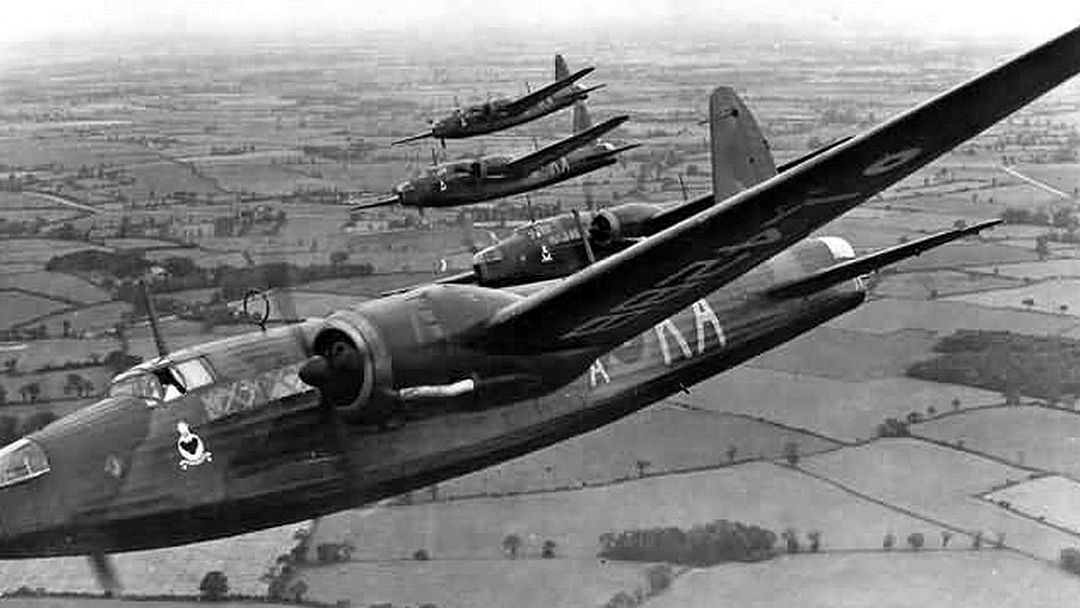
Le fotografie sono quasi incredibili: i Wellington che tornano a casa zoppicando, con intere sezioni della fusoliera bruciate o distrutte dai colpi, il rivestimento in tela che pende a brandelli e lo scheletro metallico dell'aereo che traspare come le lische di un pesce. Eppure continuavano a volare. Questo...

Storia e leggende, Aviazione militare
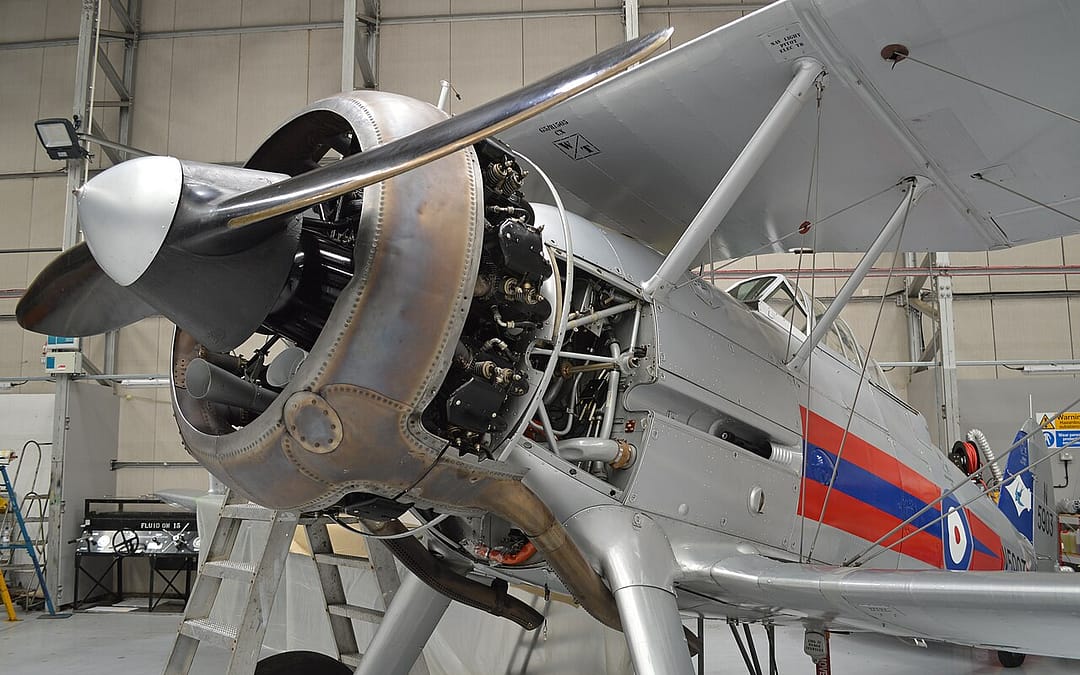
L'11 giugno 1940, gli abitanti di Malta alzarono lo sguardo verso un cielo improvvisamente pieno di bombardieri italiani e videro, levarsi incontro a loro, una manciata di biplani in tela e filo metallico che sembravano reliquie della guerra precedente. Erano reliquie. E per dieci giorni disperati, furono tutto ciò che...
Storia e leggende, Aviazione militare
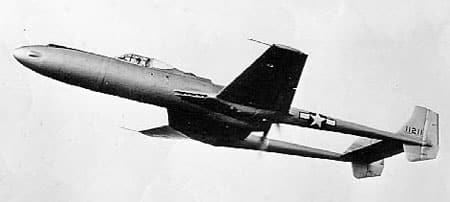
Aveva un'elica nella parte posteriore, un muso che si sollevava per lanciare i proiettili del cannone e un sedile che, in caso di emergenza, faceva sganciare il pilota attraverso la fusoliera, impedendogli di essere fatto a pezzi dal proprio motore. Era lungo quasi quanto un DC-3. Ed era un caccia. Ecco a voi...
Storia e leggende, Aviazione militare
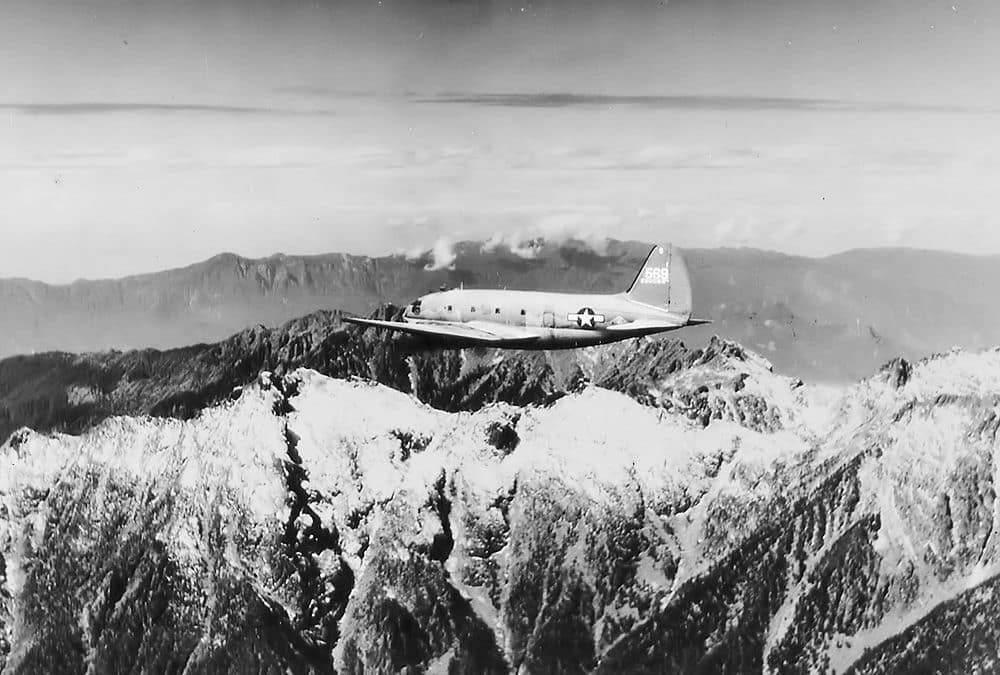
C'era uno spazio aereo tra l'India e la Cina così letale che gli uomini che lo percorrevano dicevano che ci si poteva orientare grazie ai relitti sottostanti. Lo chiamavano la Gobba e per tre anni, un flusso ininterrotto di aerei da trasporto ha attraversato le montagne più alte della Terra, in...
Storia e leggende, Aviazione militare
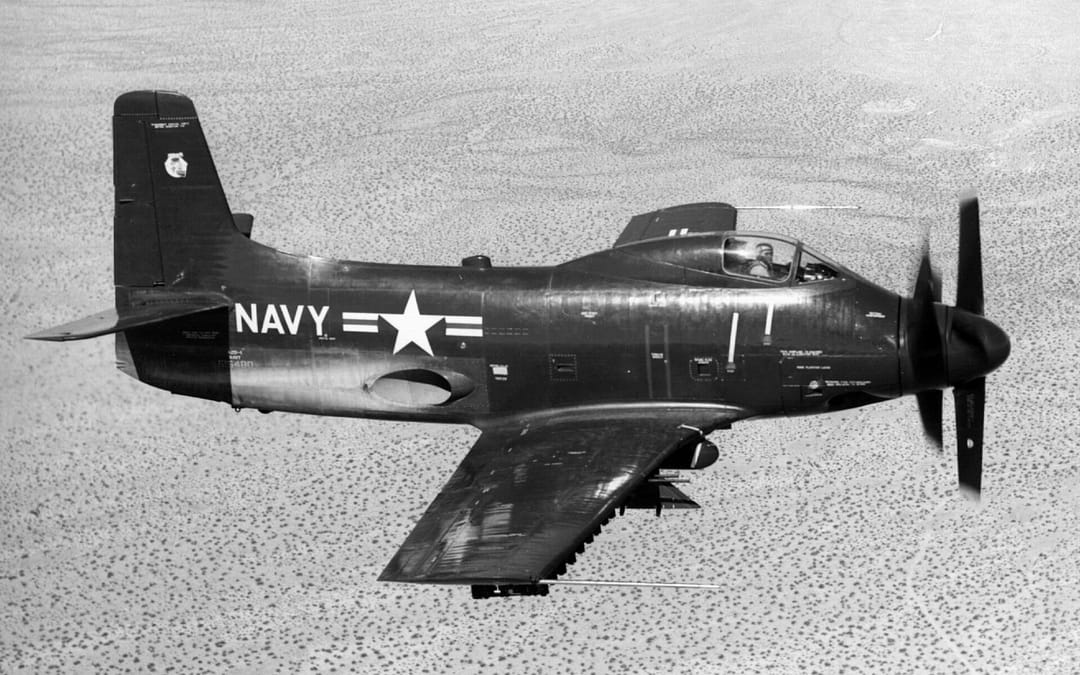
Sulla carta, avrebbe dovuto funzionare. Prendere il superbo Douglas Skyraider, sostituire il suo fragoroso motore a pistoni con un moderno turboelica da oltre 5.000 cavalli, e la Marina degli Stati Uniti avrebbe avuto un aereo d'attacco imbarcato più veloce e più potente di qualsiasi altro velivolo in servizio...
Mondo dell'aviazione, Storia e leggende, Aviazione militare
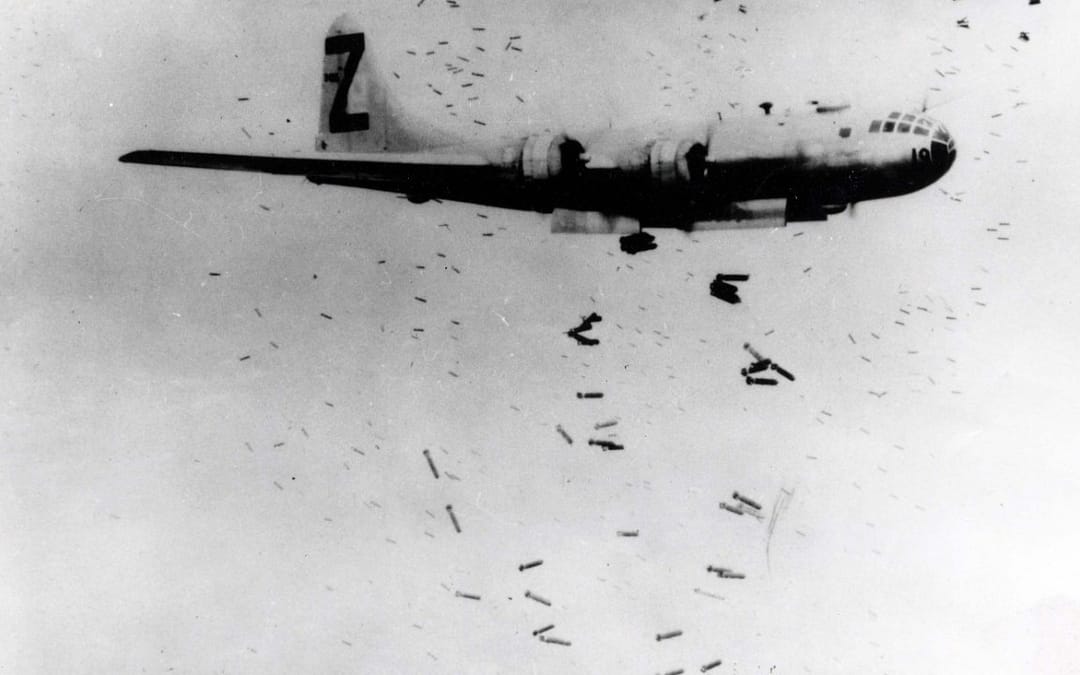
An extension to The Race for the Bomb, our ten-part focus series. Part 7 told the engineering story of the B-29 — the pressurised cabin, the burning engines, the Battle of Kansas. This piece asks the question that story leaves hanging: how did America build nearly...
Storia e leggende, Aviazione militare
Immaginate una singola pista di terra battuta ricavata nella giungla, circondata da ceppi di palma e crateri di bombe, con una manciata di caccia malconci parcheggiati nel fango. Ogni giorno veniva bombardata. Alcune notti veniva cannoneggiata da navi da guerra. E da essa, una forza improvvisata di Marines, Marina e...
Storia e leggende, Aviazione militare
The finale of The Race for the Bomb, an Afterburner focus series. Nine parts brought the bomb from a London traffic light to Nagasaki. The last part answers the question Washington asked in September 1949: how did Stalin get it so fast? Somewhere between Japan and...
Storia e leggende, Aviazione militare
Part 9 of The Race for the Bomb, an Afterburner focus series. Everything in this series converges here: the physics of Part 1, the exiles of Part 2, the bomb of Part 5, the aircraft of Part 7, the fire doctrine of Part 8. Two missions, four days, one surrender....
Storia e leggende, Aviazione militare
Part 8 of The Race for the Bomb, an Afterburner focus series. Part 7 left the three-billion-dollar B-29 failing at high altitude. This part is about the man who turned it around, the night that followed, and the sixty-plus cities after that. It is not an easy read; it...
Storia e leggende, Aviazione militare
Part 7 of The Race for the Bomb, an Afterburner focus series. The Manhattan Project cost 1.9 billion dollars. The aircraft built to deliver its product cost three billion. This is the engineering story of the B-29 Superfortress — bought off the drawing board, nearly...
Storia e leggende, Aviazione militare
Part 6 of The Race for the Bomb, an Afterburner focus series. Before one aircraft could destroy one city, the burning of cities had to become ordinary. This part tells how that happened over Germany — soberly, by the numbers, and through the people under the bombs and...





Commenti recenti