
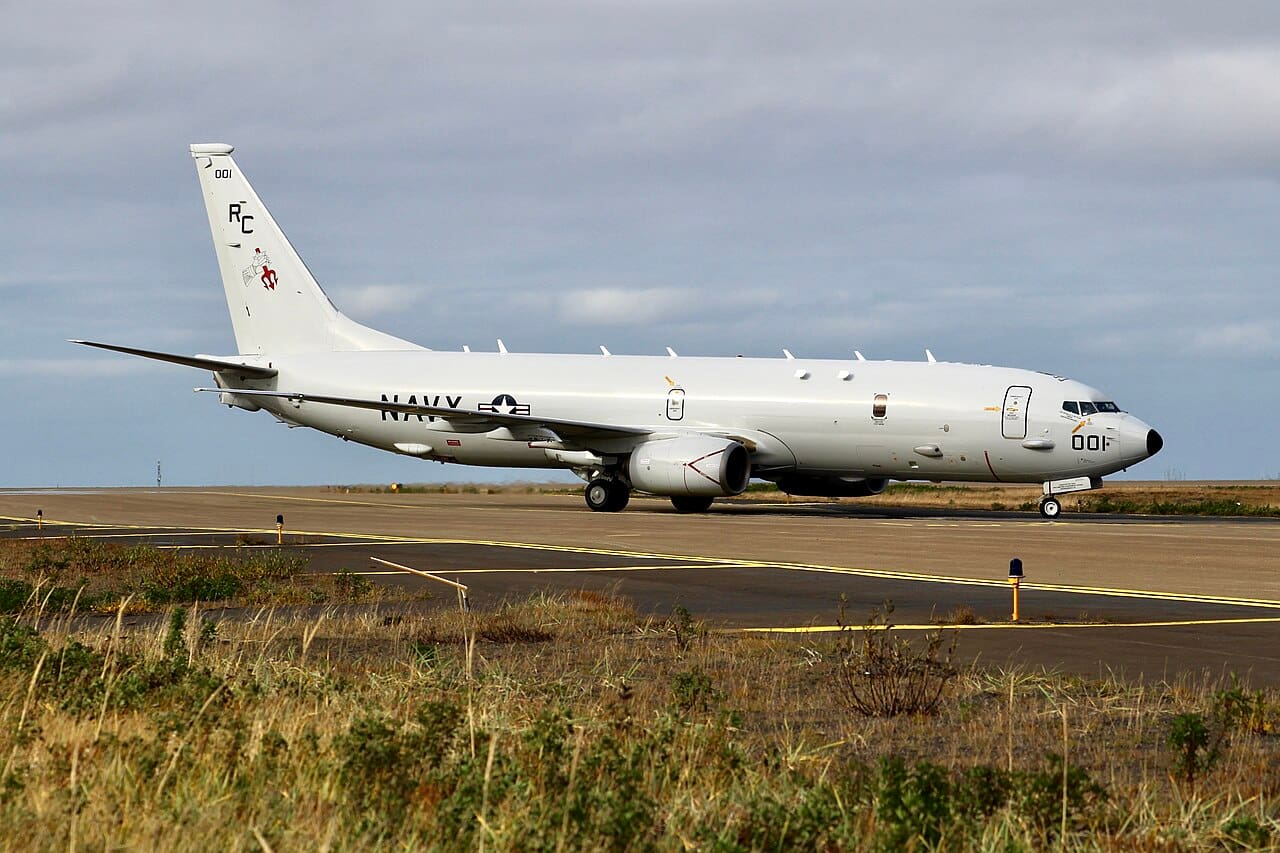
Denmark has decided how it will watch the top of the world. On Jul. 7, 2026, the Danish Ministry of Defence confirmed a provisional decision to buy two Boeing P-8A Poseidon maritime patrol aircraft — long-range sub-hunters built to prowl the North Atlantic and the Arctic.
On paper it is a modest order: two airframes. In context it is anything but. The announcement lands in the middle of a renewed dispute with Washington over the future of Greenland, and Copenhagen’s message is unmistakable: we will defend our own Arctic, thank you.
• Aeromobili: 2 aerei da pattugliamento marittimo Boeing P-8A Poseidon
• Annunciato: 7 luglio 2026, dal Ministero della Difesa danese
• Area di intervento: Nord Atlantico e Artico, Groenlandia compresa.
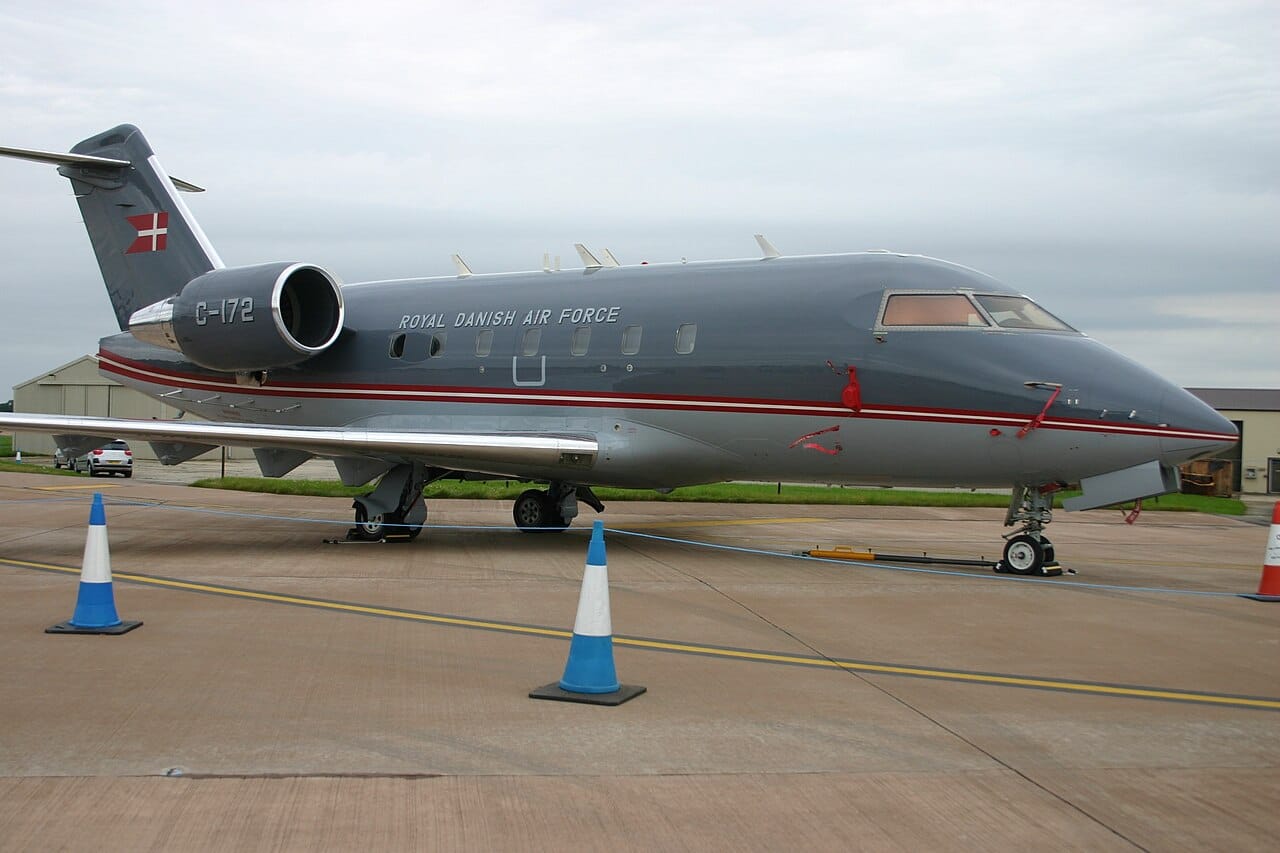
• Sostituisce la funzionalità di: Jet aziendali Challenger 604 modificati (senza ASW, senza boe sonar)
• Contesto: Gli Stati Uniti avevano autorizzato la Danimarca a ricevere fino a tre missili P-8 entro la fine del 2025.
• Lavoro di squadra: abbinato a un acquisto congiunto del drone Nordic MQ-4C Triton
Dal jet privato al cacciatore di sottomarini.
Denmark’s maritime patrol has until now rested on a handful of modified Bombardier Challenger 604 business jets. They are versatile and long-legged, and their crews know Greenland’s waters better than almost anyone. But they were never built for the hardest job in the maritime game: hunting submarines.
The Challengers cannot launch sonobuoys, have no weapons bay, and cannot independently engage a target or drop life-saving equipment in a rescue. The P-8 changes all of that. Built on a 737 airframe and bristling with sensors, it can lay sonobuoy fields, carry torpedoes, and stay on station far out over the ocean — exactly the anti-submarine capability NATO has been pressing its members to provide as Russian submarine activity around Europe’s undersea cables grows.
Una rete nordica sull'alto nord
The Poseidon does not arrive alone. Denmark’s decision came alongside news that it will join Finland, Norway and Germany in a joint acquisition of Northrop Grumman MQ-4C Triton drones — part of the same NATO push into the high north we covered when the L'alleanza ha ordinato GlobalEyes e Tritons al vertice di Ankara.
Questo abbinamento è intenzionale. Il P-8 e il Triton, un velivolo ad alta quota e a lunghissima autonomia, sono progettati per lavorare in squadra: il drone scansiona vaste aree oceaniche e trasmette i contatti al Poseidon con equipaggio, che interviene per neutralizzarli. Con Norvegia e Germania, altri operatori del P-8, a poca distanza l'una dall'altra, e con l'azienda danese Terma già impegnata nella manutenzione nazionale di questo tipo di velivolo, la Danimarca sta investendo in un ecosistema regionale già consolidato, piuttosto che in una singola coppia di aerei.
Il sottotesto della Groenlandia
It is impossible to read this purchase without Greenland in the frame. As NATO leaders gathered in Ankara, U.S. President Donald Trump again revived demands over the vast Arctic island, arguing it matters more to American security than to Denmark. Danish Prime Minister Mette Frederiksen answered flatly that “Greenland is, of course, not for sale,” adding that Denmark is “ready to defend every inch of NATO, including our own territory.”
Il P-8 è parte di quella risposta, scritta in alluminio e sensori. Da oltre un anno la Danimarca e i suoi alleati hanno costantemente aumentato gli schieramenti militari in Groenlandia per ribadire un concetto semplice: l'isola è già difesa e non è necessario che la sovranità cambi di mano perché la sua sicurezza sia garantita. Due cacciatorpediniere a lungo raggio, in grado di pattugliare dalle Isole Faroe al Mar di Groenlandia, rafforzano questa tesi meglio di qualsiasi dichiarazione.
Nothing about the order is finalised — it remains a provisional decision, with numbers that could yet grow toward the three aircraft Washington has already cleared for sale. But the direction is set. Denmark is buying the tools to see, and to act, across the coldest and most contested waters on its map.
Fonti: Ministero della Difesa danese (Forsvarsministeriet); The Aviationist; Boeing; Euronews; Politico Europe.
Domande correlate
Perché la Danimarca sta acquistando aerei P-8 Poseidon?
Il 7 luglio 2026, il Ministero della Difesa danese ha confermato la decisione provvisoria di acquistare due aerei da pattugliamento marittimo Boeing P-8A Poseidon. Questi cacciasommergibili a lungo raggio sorveglieranno l'Atlantico settentrionale e l'Artico, comprese le zone intorno alla Groenlandia. La mossa colma una reale lacuna nella lotta antisommergibile e segnala la volontà di proseguire la battaglia in un contesto di rinnovata disputa con Washington sul futuro della Groenlandia.
Cos'è il Boeing P-8 Poseidon?
Il P-8A Poseidon è un aereo da pattugliamento marittimo a lungo raggio basato sulla cellula del Boeing 737, progettato per la caccia ai sottomarini e il pattugliamento di vaste aree oceaniche. È dotato di boe sonar e armi antisommergibile e può rimanere in zona di controllo a grande distanza dalla costa, esattamente la capacità che la NATO ha richiesto ai suoi membri di fornire, in un contesto di crescente attività dei sottomarini russi in prossimità dei cavi sottomarini europei.
Quali imbarcazioni venivano utilizzate dalla Danimarca per il pattugliamento marittimo prima del P-8?
La sorveglianza marittima danese si affidava a jet executive Challenger 604 modificati, che, pur essendo adattabili, non dispongono di capacità antisommergibile: niente boe sonar, niente siluri. I due nuovi P-8A Poseidon forniscono all'Aeronautica militare danese un vero e proprio aereo antisommergibile, capace di operare a lunghissime distanze nell'Atlantico settentrionale e nell'Artico.
In che modo la NATO sta rafforzando la sorveglianza nell'Artico?
Insieme alla decisione sui P-8, la Danimarca ha affermato che si unirà a Finlandia, Norvegia e Germania in un acquisto congiunto di droni Northrop Grumman MQ-4C Triton, parte di una più ampia spinta della NATO nell'estremo nord di cui abbiamo parlato in l'accordo di trasporto aereo condiviso tra GlobalEye e Triton. Aerei da pattugliamento con equipaggio e droni ad alta quota tessono insieme una rete di sorveglianza sulla regione.
Che cos'è la guerra antisommergibile e perché è importante oggi?
La guerra antisommergibile (ASW) consiste nel rilevamento e nel tracciamento dei sottomarini nemici utilizzando sensori come boe sonar, radar e rilevatori magnetici. È importante di nuovo perché l'attività dei sottomarini russi intorno ai cavi sottomarini europei e alle acque artiche è aumentata. Le nazioni stanno investendo sia in aerei con equipaggio che in droni, come un Eurodrone per la caccia ai sottomarini costruito per il Giappone, per colmare il divario.

0 Commenti