
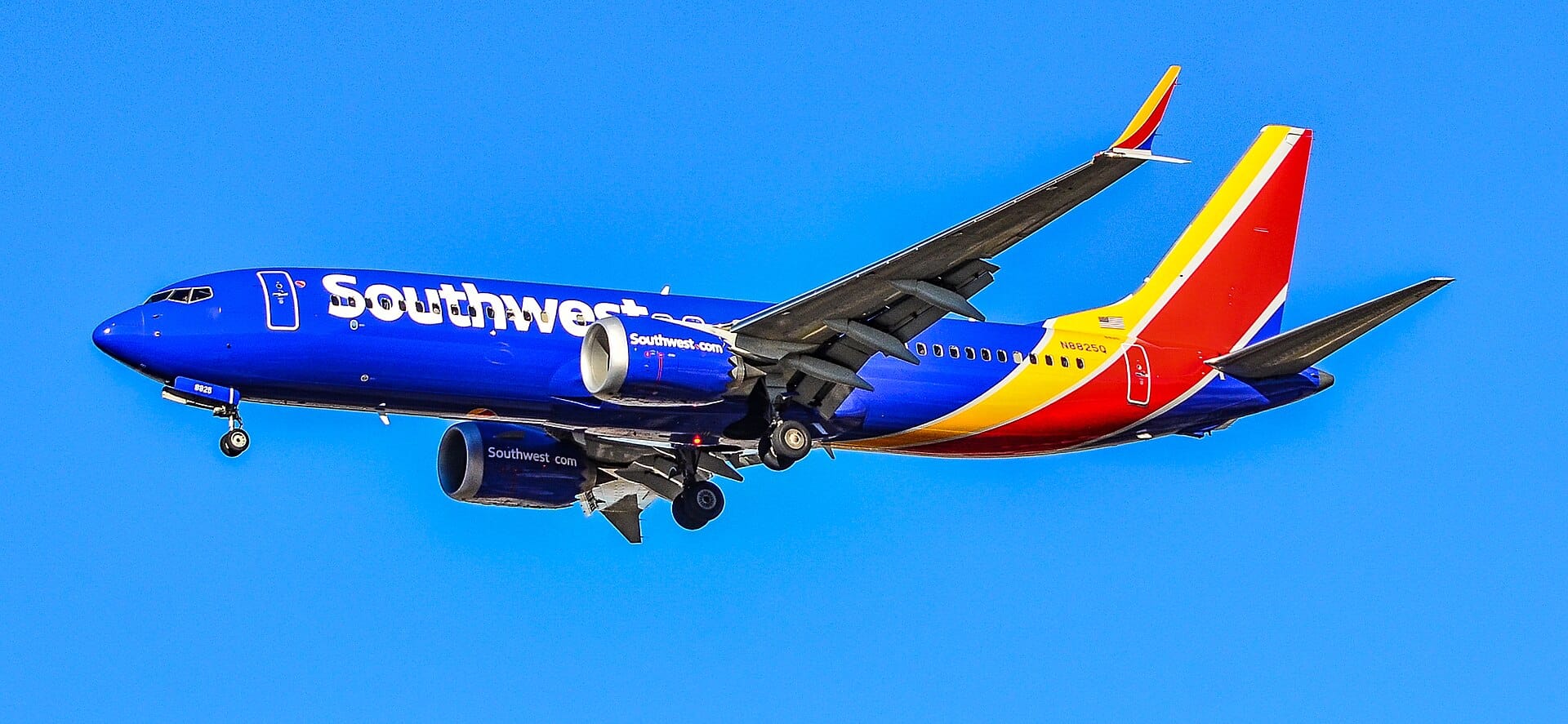
Every swept-wing jet you have ever flown on carries a small, tireless piece of automation whose only job is to stop the aircraft from wallowing. The motion it suppresses has a name that sounds almost comical: Dutch roll. It is neither a stall nor a spin, but a slow, coupled sway in which the nose swings from side to side while the wings rock in the opposite rhythm. Left alone on certain aircraft it is merely uncomfortable. Left alone on others, it has torn engines off wings. Understanding it explains a great deal about why modern airliners are shaped and equipped the way they are.
Quick Facts: Dutch Roll
- A coupled lateral-directional oscillation: the aircraft yaws and rolls out of phase, the nose scribing a slow oval while the wings rock
- It appears when roll-due-to-sideslip (dihedral effect) is strong relative to comparatively weak directional (yaw) stability
- Wing sweep amplifies the dihedral effect, so swept-wing jet airliners are especially prone to it
- Modern jets suppress it automatically with a yaw damper, which nudges the rudder before passengers feel a thing
- The name is commonly linked to a Dutch ice-skating motion, though the exact etymology is debated
- On 25 May 2024 a Southwest Boeing 737 MAX 8 (N8825Q) had a Dutch roll event at 34,000 ft and sustained substantial structural damage; none of the 181 aboard were hurt (NTSB DCA24LA206)
What Dutch roll actually is
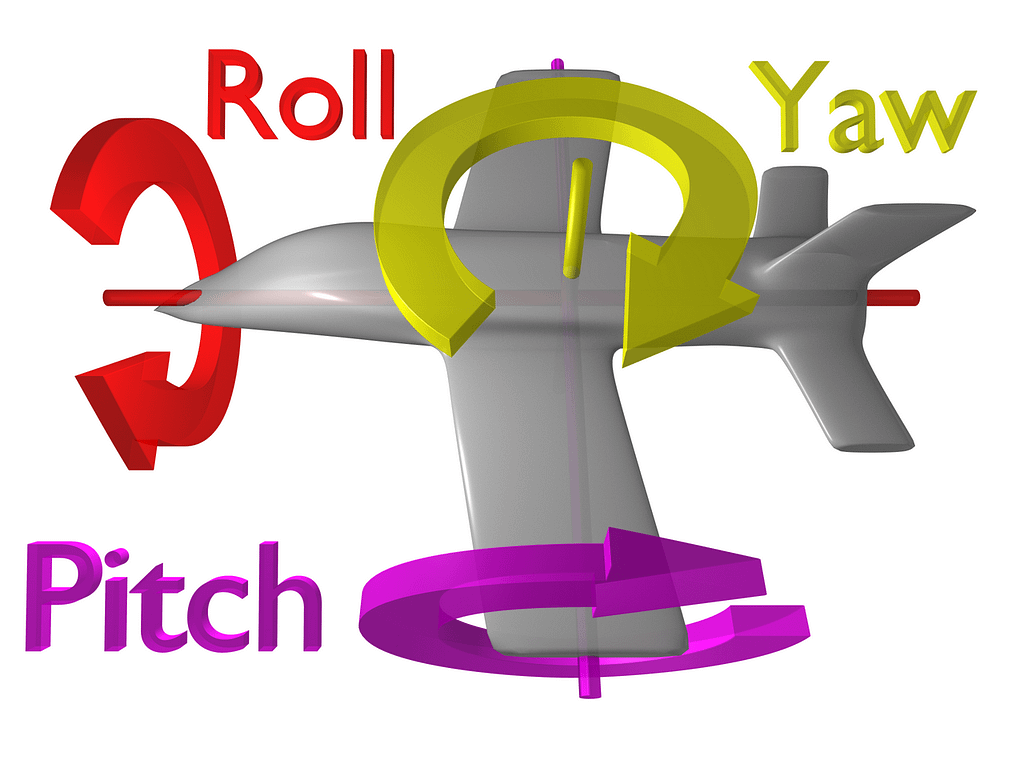
Dutch roll is one of a handful of natural oscillations built into how an aeroplane moves through the air. It is a lateral-directional oscillation, meaning it couples two motions: yaw, the nose swinging left and right, and roll, the wings dipping up and down. The two are out of phase. As the nose yaws one way, the aircraft rolls the other, then the whole thing reverses. Seen from the cockpit, the nose traces a lazy oval against the horizon while the cabin sways. A single half-cycle typically takes two to three seconds in a light aircraft and can stretch longer in a large jet.
The classic description comes from Boeing’s chief test pilot on the 707 programme, the man who famously barrel-rolled the prototype.
Why swept wings are prone to it
The cause is a mismatch between two kinds of stability. An aircraft has roll stability, which returns the wings to level, and directional stability, which weathervanes the nose back into the wind. When a jet sideslips, the dihedral effect rolls it upright while the vertical fin tries to swing the nose straight again. Dutch roll appears when the rolling response is strong but the yaw response is comparatively weak and lagging, so the aircraft keeps overshooting through level flight instead of settling.
Wing sweep is what tips the balance. When a swept-wing aircraft sideslips, the wing turned more square-on to the airflow generates more lift than the trailing wing, producing a powerful roll. That is excellent for high-speed efficiency but it inflates the dihedral effect relative to the fin’s yaw authority. The result is a design that is fast, fuel-efficient, and inherently a little twitchy in this one mode. It is a deliberate trade, not a flaw.
The yaw damper: the quiet fix
Rather than compromise the wing, designers add a machine to cancel the oscillation. The yaw damper senses yaw rate with a gyro and commands small, rapid rudder movements that oppose the swing before it can build. Passengers never feel it working, and pilots rarely think about it. It is standard equipment on swept-wing jets for exactly this reason. The historical warnings are stark: in 1959 a brand-new Boeing 707 on a training flight had its yaw damper switched off, an over-enthusiastic control input amplified the Dutch roll, and three of its four engines were torn away before it crash-landed.
Southwest Flight 746: a real-world case
On 25 May 2024, Southwest Airlines Flight 746, a Boeing 737 MAX 8 registered N8825Q, was cruising at 34,000 feet from Phoenix to Oakland when the crew noticed something wrong. According to the NTSB preliminary report, the captain had already logged a prior yaw-damper discrepancy and felt momentary stiffness in the rudder pedals before takeoff. In cruise, the aircraft began a mild oscillation.
The crew descended to 32,000 feet, coordinated with air traffic control, notified maintenance, and landed safely; none of the 181 people aboard were injured.
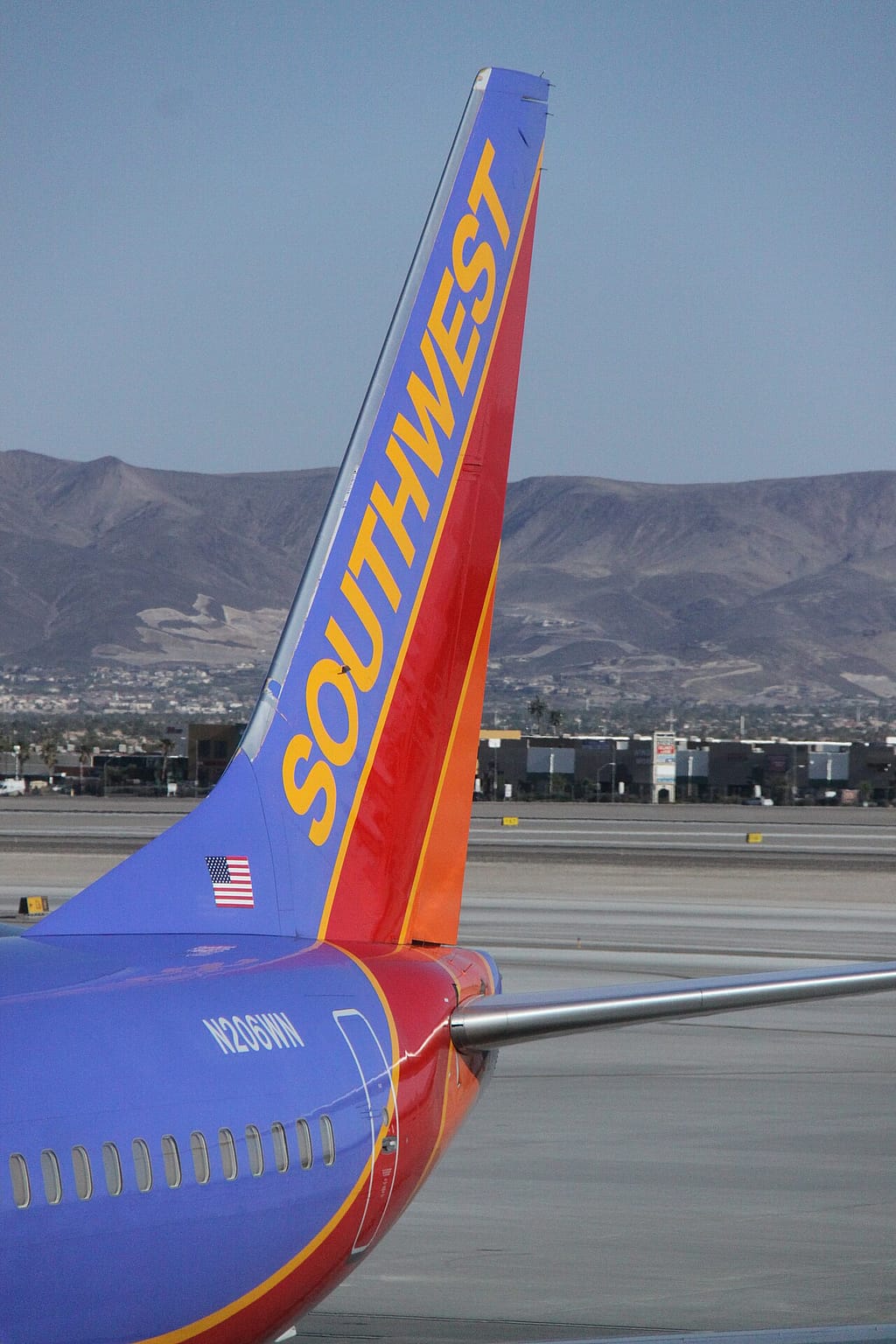
Here the story deserves precision, because it is easy to over-dramatise. Flight-data analysis showed the oscillations were small, roughly plus or minus 0.75 degrees of rudder movement, and produced almost no change in heading or bank angle. This was not the violent, engine-shedding Dutch roll of aviation legend. The serious finding came on the ground: inspectors discovered the vertical stabiliser trailing-edge ribs above and below the standby rudder power control unit were damaged, damage the NTSB classed as substantial. Both power control units were later removed and, notably, passed their acceptance tests. Southwest inspected its entire MAX fleet within weeks and found no comparable damage.
Perché è ancora importante
Dutch roll is a useful lens on modern aviation because it shows how engineering handles an inherent quirk rather than pretending it away. The swept wing that makes long-haul travel efficient also invites this oscillation, so a small, reliable automatic system stands guard against it on every flight. The 2024 Southwest event is a reminder that the margins are managed, not infinite, and that a discrepancy noted in a logbook is worth taking seriously. For most passengers, the takeaway is reassuring: the sway you will almost never feel is being cancelled thousands of times a day by a device most people have never heard of.
The next time you settle into a window seat over a swept wing, spare a thought for the yaw damper. It is the unglamorous reason the horizon stays where it belongs.
News coverage of the 2024 Southwest 737 MAX Dutch roll event.
Sources: Wikipedia ("Dutch roll"); NTSB preliminary report DCA24LA206; Boldmethod; Tex Johnston, "Jet-Age Test Pilot"; Wikimedia Commons.
0 Commenti