
Trouble at 9,000 Feet
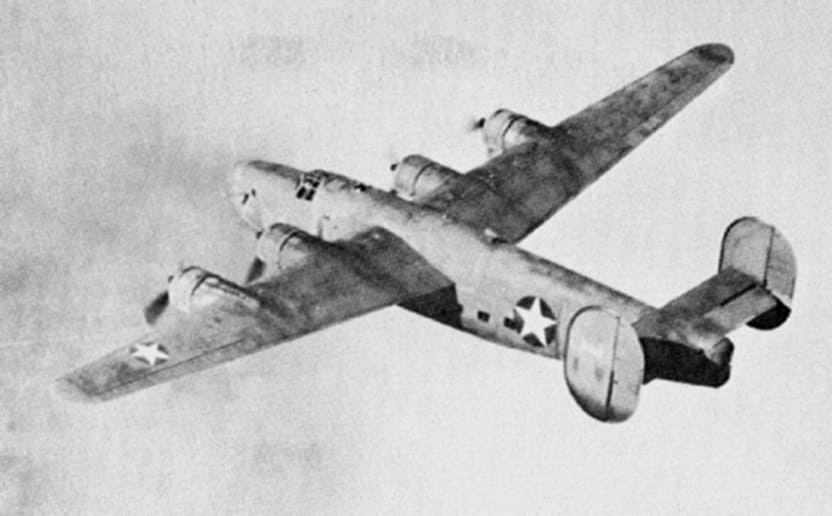
The aircraft was a Consolidated C-87 Liberator Express — the cargo version of the famous B-24 heavy bomber. Its crew of eight had departed West Palm Beach, Florida, bound for the Azores and on to North Africa, ferrying supplies to the Allied war effort. The C-87 was a workhorse of the air bridge that kept Allied forces supplied across the Atlantic. But almost immediately after reaching cruising altitude, something was wrong. Violent vibrations shook the elevator and rudder controls. The aircraft struggled to hold altitude. The pilot made the call to turn back toward Florida. As the stricken C-87 descended through 9,000 feet, approximately 10 miles east of Miami, the situation deteriorated beyond control. The aircraft had become genuinely unmanageable. The pilot gave the order no commander ever wants to give: Everyone out.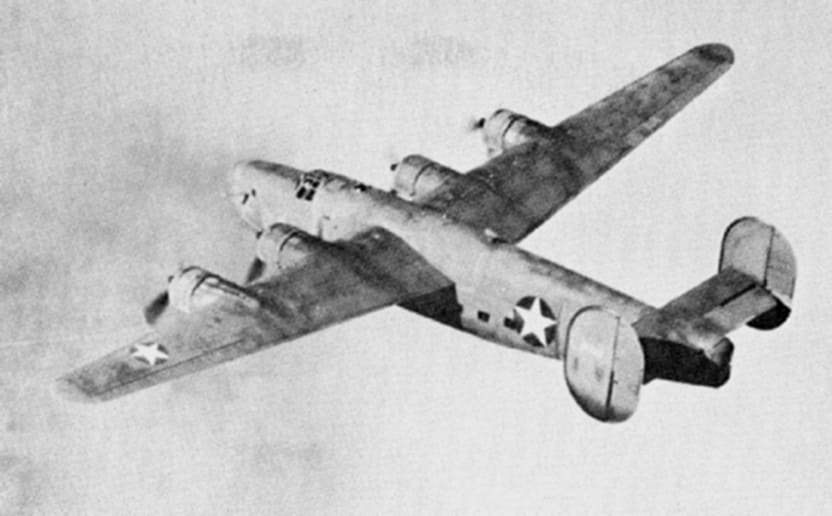
Eight Out — and Then the Plane Decided Otherwise
One by one, the crew jumped into the warm Florida sky. The pilot was last, parachuting clear of the aircraft and engaging the autopilot as he went. The Coast Guard and civilian boats would eventually rescue six of the eight men. Two were tragically never recovered from the Atlantic — a sobering reminder that every jump carries its own risk. But the aircraft? The C-87 had other ideas. Relieved of the weight of eight men and their gear, and now flying in the steady hands of its autopilot, the Liberator climbed back to altitude. With nobody at the controls, nobody reading the gauges, and nobody to even notice the spectacular view, the aircraft turned west — and kept going. It crossed the Florida coast. It crossed the Gulf of Mexico. It flew on through the afternoon sun, steady as a metronome, covering 1,300 miles of open water and the vast scrublands of northern Mexico without deviation, without incident, and without a soul on board.A Ghost Arrives Over Mexico
Approximately four and a half hours after its crew had bailed out over the Atlantic, the unmanned C-87 appeared over the small town of Zaragoza, Nuevo León — just 25 miles from the U.S. border. Locals looked up at the strange, circling aircraft with puzzlement. No landing. No signals. Just a warplane, going round and round in the sky like it had nowhere to be. The Liberator orbited Zaragoza for two full hours before finally running low on fuel and descending into a nearby mountain. No crew. No cargo. Just an airframe that had, seemingly of its own accord, completed one of the longest solo flights in aviation history.The Quiet Genius Behind the Story
What makes this story remarkable isn't just the distance covered — it's what it reveals about the engineering of the era. The C-87's autopilot system maintained heading, altitude, and attitude without human input, and worked flawlessly for nearly five hours in a fully unplanned scenario. That's the aviation paradox: the same systems that make flying safe enough to walk away from — the backups, the autopilots, the redundant hydraulics — are also capable of keeping a plane aloft long after the humans have left the building. Today, autopilot technology has evolved beyond anything those 1943 engineers could have dreamed. Modern military and civilian aircraft have fly-by-wire systems, envelope protection, and automated flight management computers that make flying safer than at any point in history. The old C-87's autopilot was the ancestor of every system that keeps your airliner on course while the pilots eat their in-flight meals.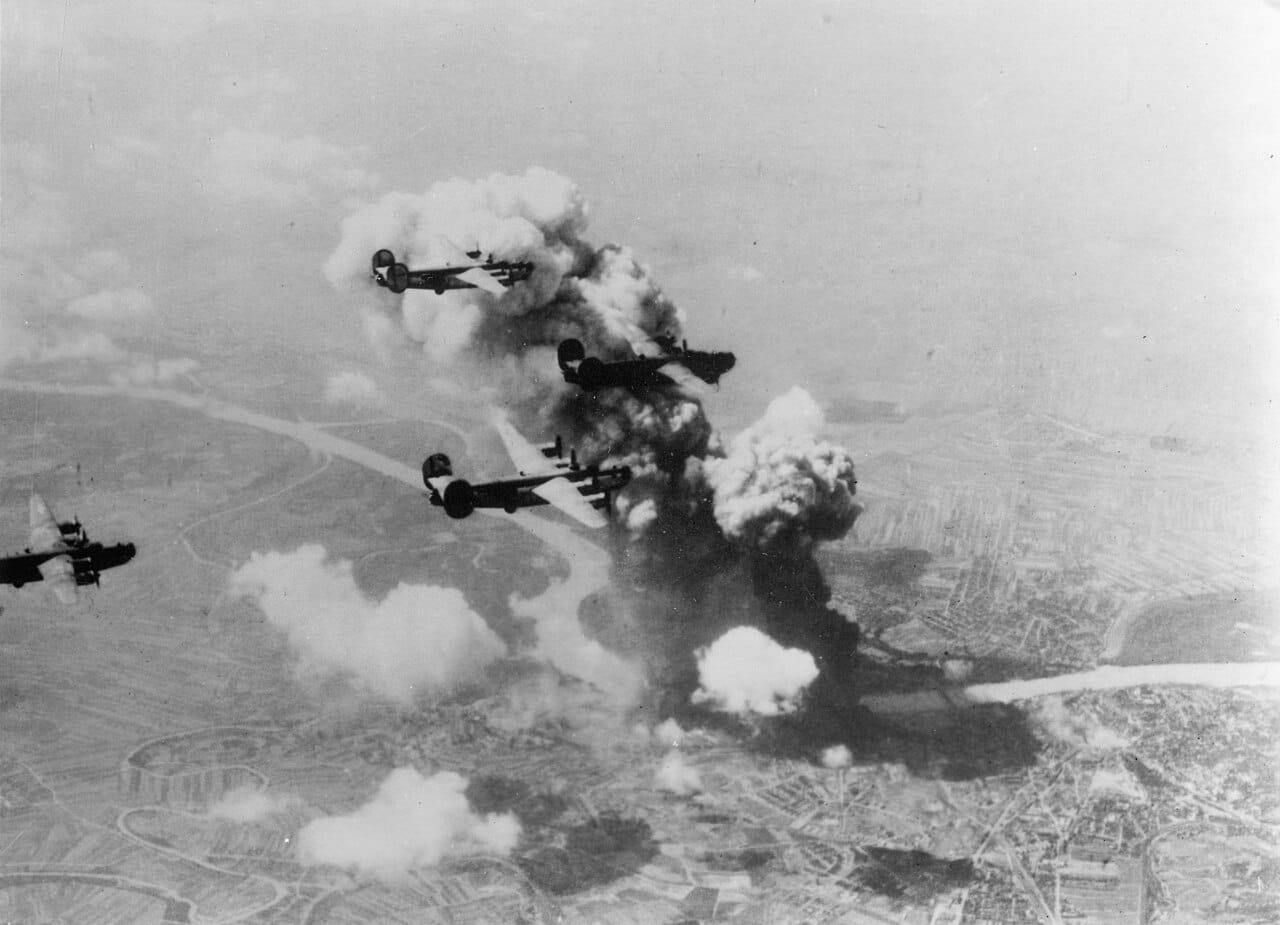
The Ghost Plane and You
At MiGFlug, we love this story because it speaks to a core truth about aviation: the technology is extraordinary, but it's the people — the pilots, the engineers, the crew chiefs who check every bolt — who make it meaningful. Safety in aviation isn't an afterthought. It's the whole point. Whether you're climbing into the cockpit of an L-39 Albatros for your first jet experience, or pushing a MiG-29 to the edge of space, you do so with decades of aviation safety evolution on your side — and a highly experienced pilot in the other seat making sure you come home with a smile. The C-87 flew 1,300 miles alone and ended on a Mexican mountainside. Your jet flight will end with a smooth landing and a story you'll be telling for the rest of your life. Curious what it feels like to actually be in the cockpit? Browse our military jet flight experiences — the crew stays on board, and we wouldn't have it any other way.Domande correlate
What was the WWII ghost plane?
The "ghost plane" was a Consolidated C-87 Liberator Express that, on February 9, 1943, took off from Florida with eight crew and landed hours later in Mexico with no one aboard. After the crew bailed out over control trouble, the unmanned aircraft flew on alone for some 1,300 miles.
Did an unmanned plane really fly 1,300 miles in WWII?
Yes. After its crew parachuted out, the crewless C-87 turned west, crossed the Florida coast and the Gulf of Mexico, and flew roughly 1,300 miles entirely on its own. It eventually orbited a Mexican town for two hours before running low on fuel and crashing into a mountain.
What is a C-87 Liberator Express?
The C-87 Liberator Express was the cargo and transport version of the famous B-24 Liberator heavy bomber. It was a workhorse of the wartime air bridge ferrying supplies across the Atlantic to Allied forces in North Africa and beyond.
Why did the crew bail out of the C-87?
Soon after reaching cruising altitude on a flight from West Palm Beach toward the Azores, the C-87 suffered violent vibrations in its elevator and rudder controls and struggled to hold altitude. Believing the aircraft was failing, the crew of eight bailed out over the Atlantic.
Where did the ghost plane crash?
After flying itself across the Gulf of Mexico, the unmanned C-87 appeared over Zaragoza in Nuevo León, Mexico, just 25 miles from the US border. It circled the town for about two hours, then ran out of fuel and went down in nearby mountains.
How far did the crewless C-87 fly on its own?
The aircraft covered roughly 1,300 miles with no one at the controls — one of the longest solo flights in aviation history. Its steady, unaided journey is a testament to inherent aircraft stability, much like the toughness shown by the B-17 All American.

0 Commenti