

The Mission
The 414th Bombardment Squadron, 97th Bomb Group, departed from their base near Biskra, Algeria, on a clear winter morning with a target in mind: the German-controlled seaport at Bizerte, Tunisia. The All American — a B-17F Flying Fortress, serial 41-24406 — was part of the formation, piloted by Lieutenant Kendrick R. "Ken" Bragg. The crew was ten men strong: Bragg up front, alongside copilot G. Boyd Jr., navigator Harry C. Nuessle, and bombardier Ralph Burbridge, with engineer Joe James, radio operator Paul Galloway, gunners Elton Conda, Michael Zuk, and Sam Sarpolus rounding out the team. A tight-knit crew, flying one of America's finest heavy bombers. They dropped their bombs on target and turned for home. That's when the fighters came.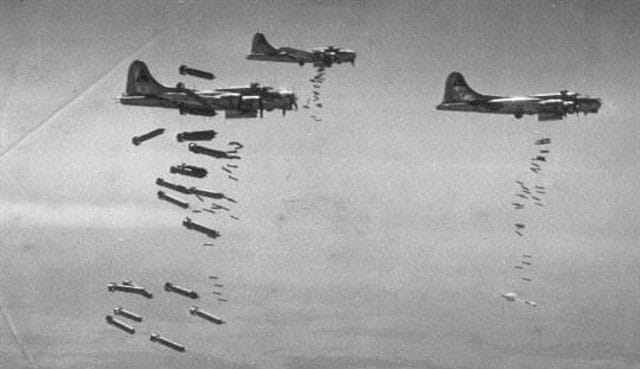
The Collision
Two German Messerschmitt Bf 109 fighters attacked the formation. The B-17s' defensive gunfire downed the first. The second pressed its attack anyway — and paid for it. Either already damaged by gunfire or simply unable to pull out in time, the Bf 109 rolled over the top of the Tutto americano, its wing slicing through the bomber's upper rear fuselage. The impact was devastating. The German fighter's wing carved a massive diagonal gash from just aft of the waist gun positions all the way through to the base of the vertical stabilizer. The left horizontal stabilizer and elevator were completely sheared away. The tail gunner's position — Sam Sarpolus's station — was suddenly clinging to the rest of the aircraft by a few bent longerons and a narrow ribbon of aluminum skin. The tail was hanging on by a thread. Literally. Miraculously, not a single crew member was injured in the collision.La decisione
With the tail flapping and the aircraft shuddering, Bragg and his crew faced a stark choice: bail out over German-controlled territory and face capture, or try to fly 300 miles back to base in an aircraft that might come apart at any moment. They voted to fly. Bragg slowed the Tutto americano to 140 knots — fast enough to maintain control, slow enough to reduce the aerodynamic forces trying to tear the tail clean off. He flew with feather-light touch on the controls: no sharp turns, no sudden inputs, nothing that might snap those remaining longerons. Formation mates from the 97th matched his pace and circled protectively, shepherding the crippled bomber away from enemy fighters and across the Mediterranean. For three hundred miles, Bragg flew the most delicate flight of his life.Casa
When the Allied base at Biskra appeared on the horizon, Bragg circled while his formation landed — not wanting to risk a go-around if something went wrong on his own approach. Then he brought the Tutto americano in smooth and steady, touching down on the main gear. The tail wheel, its supporting structure long gone, never touched the runway. The aircraft rolled to a stop. Ten men climbed out. The tail section — barely attached, swaying gently in the desert breeze — had held all the way home. The photographs taken by an escorting fighter during the return flight became some of the most famous images of the entire war. The gaping wound in the fuselage, the severed stabilizer, the sheer improbability of the silhouette still in the air — it was the kind of image that made people stop and stare.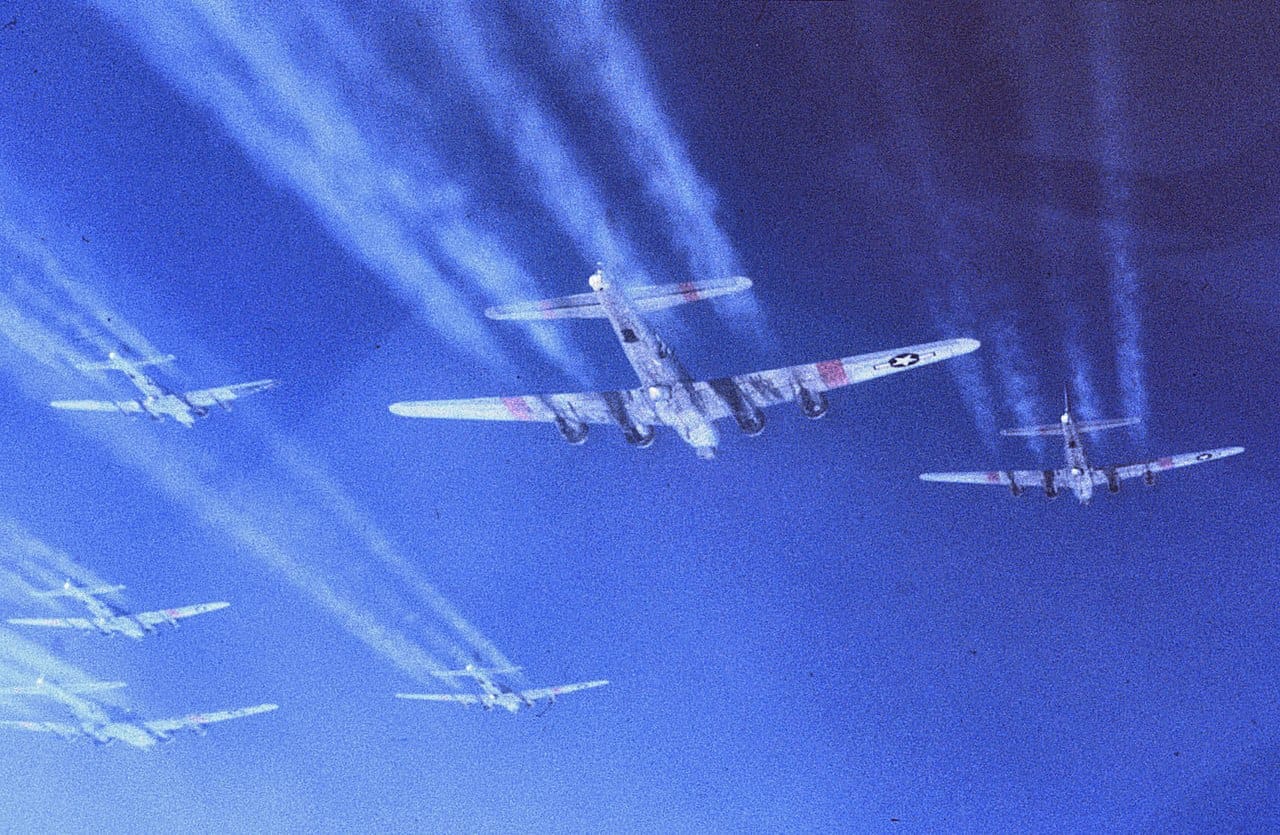
What the All American Teaches Us
The story of the Tutto americano is, at its heart, a story about two things: engineering and trust. Boeing's Flying Fortress was famous for its ability to absorb punishment — a reputation earned mission after mission over Europe and North Africa. The airframe that Bragg flew home that day was doing exactly what its designers intended: giving the crew every possible chance to survive. Modern military aircraft take that philosophy even further. Today's jets are built with redundant systems, damage-tolerant structures, and flight computers that help pilots maintain control even in extreme situations. The evolution from the Tutto americano's robust but simple structure to the fly-by-wire sophistication of a modern fighter jet represents eighty years of engineering refinement — all in the service of the same goal: bringing the crew home safe. At MiGFlug, safety is not just a checkbox. It's the foundation of everything we do. Our aircraft are maintained to the highest military standards, our pilots are among the most experienced in the world, and every flight — from the L-39 Albatros to the MiG-29 — is planned and executed with the same meticulous care that Ken Bragg gave to every control input on that February afternoon over Tunisia. The Tutto americano came home because her pilot trusted his aircraft and his crew trusted him. That relationship — pilot, machine, and a shared commitment to bringing everyone home — is as true today as it was in 1943. Want to experience what it's like to sit in the cockpit of a legendary aircraft? Explore MiGFlug's jet flight experiences — because some stories are worth living for yourself.Domande correlate
What was the B-17 All American?
The All American was a B-17F Flying Fortress (serial 41-24406) that, on February 1, 1943, flew home with its tail nearly severed after a mid-air collision with a German fighter. Its tail hung on by a few longerons and a strip of skin, yet the bomber and its ten-man crew made it back to base.
How did the All American survive with its tail nearly cut off?
Pilot Lieutenant Ken Bragg slowed the bomber to about 140 knots and flew with feather-light control inputs to avoid snapping the few longerons holding the tail on. He made no sharp turns and nursed the aircraft roughly 300 miles back to base, where it landed safely.
When did the B-17 All American incident happen?
It happened on February 1, 1943, during a raid by the 414th Bombardment Squadron, 97th Bomb Group on the German-held port of Bizerte, Tunisia. A collision with an enemy fighter sheared off most of the All American's tail over hostile territory.
Was anyone hurt aboard the All American?
Astonishingly, not a single crew member was injured when the German fighter struck and nearly severed the tail. All ten men aboard, including the tail gunner whose station was left dangling, survived the collision and the long flight home.
Why is the B-17 Flying Fortress famous for durability?
The B-17 earned its reputation by repeatedly bringing crews home despite catastrophic damage. The All American's near-severed tail is a prime example of structural toughness — comparable in spirit to the F-15 that landed with one wing decades later.
How did the All American's tail nearly come off?
During the bomb run a German fighter collided with the bomber, slicing through the rear fuselage and shearing away the left horizontal stabilizer and elevator. The tail was left attached by only a few bent longerons and a narrow ribbon of aluminum skin, yet it held all the way home.

0 Commenti