
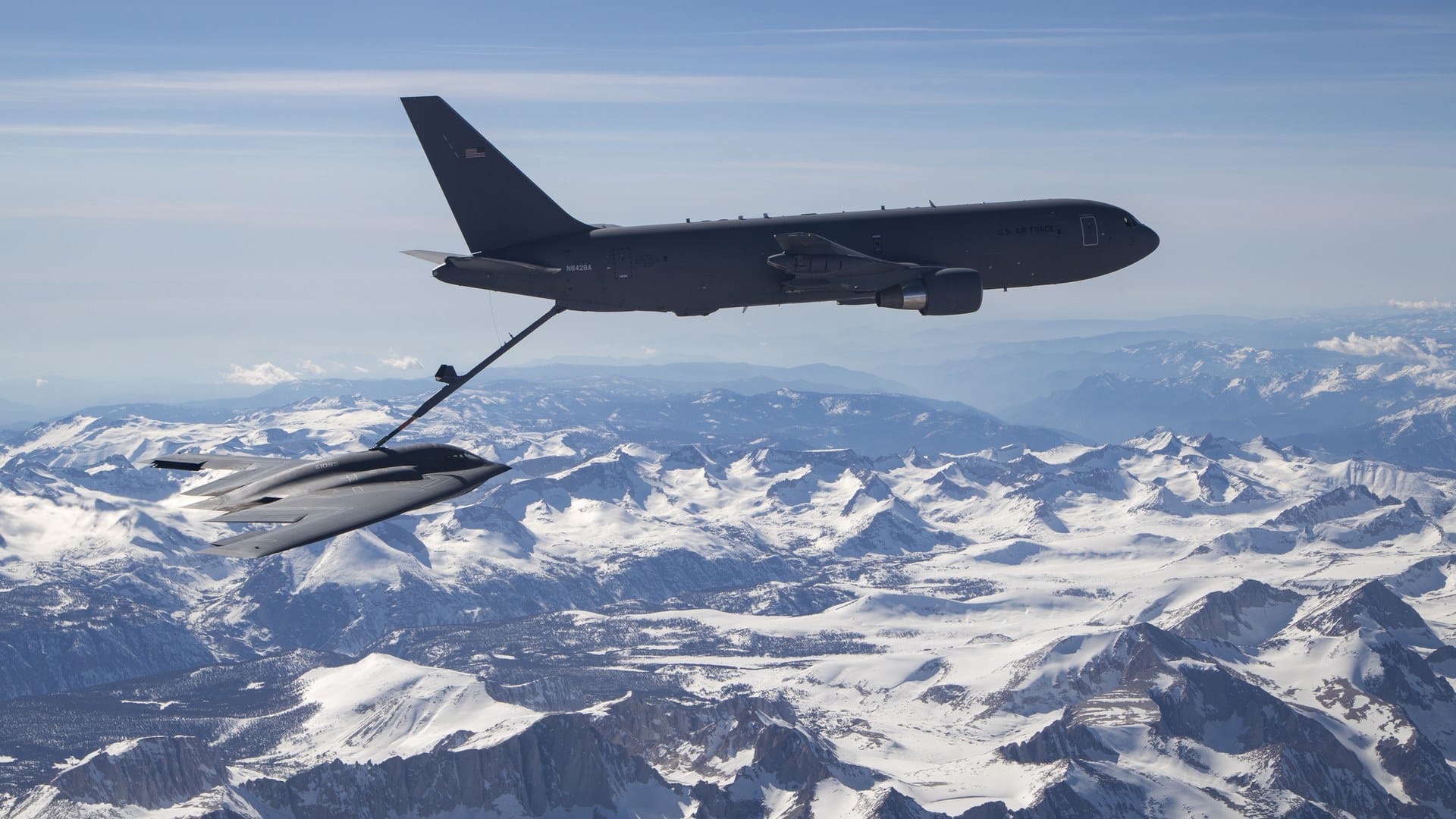
Era un venerdì pomeriggio al Pentagono, il 29 febbraio 2008 – un giorno bisestile, non a caso – per una decisione che quasi nessuno si aspettava. I funzionari dell'Aeronautica si presentarono davanti alla stampa per annunciare il vincitore del programma per gli aerei cisterna KC-X, 179 velivoli e circa 35 miliardi di dollari, e il nome che annunciarono non era Boeing. A Mobile, in Alabama, dove sarebbero stati assemblati gli aerei vincitori, i festeggiamenti si protrassero fino a notte fonda. A Everett e Wichita, roccaforte della Boeing, calò un silenzio attonito.
I vincitori furono Northrop Grumman ed EADS, la casa madre europea di Airbus. Per la prima volta, l'aeronautica militare degli Stati Uniti aveva scelto una cellula europea, l'aerocisterna basata sull'A330 che avrebbe chiamato KC-45A, per uno dei più grandi contratti di difesa della sua storia.
La vittoria durò 110 giorni. Quella che segue è la storia della guerra decennale che Washington combatté con se stessa per una stazione di servizio volante: una guerra che vide una condanna per corruzione, una protesta storica, un tentativo di rifacimento annullato e un attacco solitario europeo ai gioielli della corona americana. La politica non era una sottotrama. La politica era la storia.
Fatti salienti: La guerra delle petroliere KC-X
| Programma | KC-X: 179 nuove aerocisterne per sostituire le KC-135, per un valore di circa 1.000.400.350 miliardi di dollari. |
| 2001–2004 | L'accordo di leasing per il Boeing KC-767 salta a causa dello scandalo che coinvolge Darleen Druyun. |
| 29 febbraio 2008 | Il KC-45 (A330 MRTT) di Northrop Grumman/EADS batte Boeing. |
| 18 giugno 2008 | Il GAO accoglie il ricorso di Boeing, citando "errori significativi".“ |
| Marzo 2010 | Northrop si ritira dalla gara d'appalto; EADS prosegue da sola. |
| 24 febbraio 2011 | Il KC-46A della Boeing, basato sul 767, vince la manche finale. |
| Conseguenze | KC-46: anni di problemi tecnici · A330 MRTT: un successo di esportazione globale |
Un contratto d'affitto troppo bello per essere vero
La vicenda ebbe inizio in modo piuttosto innocuo. Dopo l'11 settembre, con la flotta di KC-135 che si avvicinava al suo cinquantesimo anniversario, l'Aeronautica militare propose di noleggiare 100 aerei cisterna Boeing 767 anziché acquistarli: un accordo finanziario del valore di oltre 20 miliardi di dollari che i critici, guidati dal senatore John McCain, attaccarono definendolo un regalo malcelato alla Boeing.
Poi la situazione peggiorò. Darleen Druyun, la seconda funzionaria di più alto grado dell'Aeronautica Militare responsabile degli appalti e la donna che stava gestendo l'accordo per le aerocisterne, stava segretamente negoziando un incarico da 1.000.000 dollari all'anno con il direttore finanziario della Boeing, Michael Sears, compreso un incontro discreto all'aeroporto di Orlando nell'ottobre del 2002, mentre ancora supervisionava le trattative.
Nell'ottobre del 2004, Druyun fu condannata a nove mesi di carcere federale. Ammise di aver accettato un prezzo più alto di quanto ritenesse appropriato, come suo stesso dire, un "regalo d'addio" al suo futuro datore di lavoro, e di aver trasmesso a Boeing dati riservati sull'offerta concorrente di Airbus. Sears ricevette una condanna a quattro mesi. L'amministratore delegato di Boeing, Phil Condit, si dimise. Il contratto di leasing era definitivamente saltato e al suo posto il Pentagono promise una gara d'appalto trasparente e aperta, denominata KC-X.
Una petroliera americana con un accento francese
Quando le offerte furono presentate nel 2007, Boeing propose un aereo cisterna basato sul suo modello più piccolo, il 767. Northrop Grumman, in qualità di contraente principale, collaborò con EADS per offrire l'Airbus A330 Multi Role Tanker Transport: un jet più grande in grado di trasportare più carburante, più merci e più passeggeri. I valutatori dell'Aeronautica Militare classificarono il velivolo più grande in vantaggio su diversi parametri chiave e, il 29 febbraio 2008, Northrop e EADS si aggiudicarono l'appalto.
Il team aveva preparato con cura la propria armatura politica. Il KC-45 sarebbe stato assemblato in un nuovo stabilimento a Mobile, in Alabama, con la promessa di migliaia di posti di lavoro americani in decine di stati. Si sarebbe trattato, insistevano i suoi sostenitori, di un aereo cisterna americano che per caso aveva origini europee.

Il Congresso esplode
La reazione degli stati in cui ha sede la Boeing è stata esplosiva. "Assegnando questo contratto ad Airbus, il governo degli Stati Uniti sta conducendo quei posti di lavoro alla ghigliottina", ha dichiarato la senatrice Patty Murray dello stato di Washington in Senato. I legislatori hanno sventolato mappe contrastanti dei posti di lavoro – quelli di Airbus in Alabama e Mississippi contro quelli di Boeing a Washington e Kansas – mentre la lunga disputa tra Stati Uniti e Unione Europea in seno all'Organizzazione Mondiale del Commercio sui sussidi ad Airbus ha conferito alla discussione una connotazione transatlantica.
L'11 marzo 2008 Boeing presentò una protesta formale al Government Accountability Office (GAO). Il 18 giugno, il GAO diede una notizia sconvolgente: la protesta era stata accolta.
Il Segretario alla Difesa Robert Gates inizialmente ordinò una nuova gara d'appalto accelerata, ma poi, nel settembre 2008, annullò completamente la competizione e consegnò l'intero dossier, estremamente delicato, alla successiva amministrazione. Sette anni dopo l'inizio del processo, l'Aeronautica militare non aveva una nuova aerocisterna e nessuna prospettiva per ottenerne una.
Il Rebid e la corsa solitaria
La richiesta di proposte del 2009 ha riscritto le regole: 372 requisiti obbligatori e una struttura che, in sostanza, si riduceva a una gara al rialzo dei prezzi. Northrop Grumman concluse che le nuove condizioni favorivano il jet Boeing, più piccolo, e si ritirò nel marzo 2010. Poi arrivò la parte straordinaria: EADS decise di presentare un'offerta da sola – un gigante europeo, senza un contraente principale americano, in competizione diretta con Boeing per il premio più ambito dell'aeronautica militare statunitense.
Il 24 febbraio 2011, il vicesegretario alla Difesa William Lynn annunciò che Boeing era "il chiaro vincitore" secondo la formula di valutazione. Questa volta fu il turno dell'Alabama di protestare. L'aereo proposto da EADS "offre chiaramente un velivolo più performante. Se questa decisione verrà confermata, i nostri soldati non riceveranno l'equipaggiamento superiore che meritano", dichiarò il senatore Richard Shelby, che attribuì la responsabilità dell'esito alla "politica di Chicago" – città sede del quartier generale di Boeing). EADS, con un prezzo finale superiore del 10%, si rifiutò di presentare ricorso.
Entrambe le parti hanno perso, entrambe le parti hanno vinto
Boeing aveva presentato un'offerta estremamente bassa per un contratto di sviluppo a prezzo fisso, e ne ha pagato le conseguenze. Il KC-46A Pegasus ha effettuato il suo primo volo il 25 settembre 2015 e il primo esemplare è arrivato all'Aeronautica Militare nel gennaio 2019, con anni di ritardo rispetto alla tabella di marcia. Il suo sistema di visione remota (il sistema di telecamere utilizzato dall'operatore del braccio di comando al posto del finestrino) presentava difetti così gravi da richiedere una riprogettazione completa e, a metà degli anni 2020, Boeing aveva già sostenuto costi per oltre sette miliardi di dollari relativi al programma. Vincere, a quanto pare, è stata la parte più costosa.
L'A330 MRTT ha perso l'America ma ha conquistato quasi tutti gli altri. Australia, Regno Unito, Francia, Arabia Saudita, Singapore, Corea del Sud, Emirati Arabi Uniti, una flotta NATO di proprietà congiunta e più di una dozzina di forze aeree in tutto hanno scelto il grande aereo cisterna Airbus: il velivolo che il GAO ha combattuto per impedire che venisse utilizzato con i colori dell'aeronautica statunitense è diventato di fatto lo standard occidentale ovunque.

E Mobile, in Alabama? Ha comunque ottenuto la sua fabbrica Airbus. La catena di montaggio costruita per un aereo cisterna che non è mai arrivato ora produce aerei di linea della famiglia A320: jet Airbus, costruiti da operai dell'Alabama, che volano per le compagnie aeree americane. Il trattato di pace più silenzioso della guerra delle petroliere è stato firmato sul pavimento di una fabbrica.
Fonti: Wikipedia (KC-X, EADS/Northrop Grumman KC-45, Boeing KC-46 Pegasus, Darleen Druyun), US Government Accountability Office (18 giugno 2008), The Spokesman-Review, TIME, Aviation International News, Federal News Network, comunicati stampa di Northrop Grumman
Domande correlate
In cosa consisteva la competizione per la petroliera KC-X?
La gara d'appalto per il programma KC-X fu il lungo tentativo dell'aeronautica militare statunitense di acquistare 179 nuovi aerei cisterna per il rifornimento in volo, per un valore di circa 1.435 miliardi di dollari, per sostituire i vecchi KC-135. La competizione vide contrapporsi Boeing e un consorzio formato da Northrop Grumman e EADS (Airbus). Dopo uno scandalo, l'annullamento dell'assegnazione e una nuova gara, Boeing si aggiudicò finalmente l'appalto nel 2011 con il suo KC-46A, basato sul Boeing 767.
Perché il contratto per la petroliera KC-X è stato così controverso?
Il contratto KC-X è stato controverso perché ha attraversato un decennio di scandali e ripensamenti. Un primo accordo di leasing con Boeing è fallito a causa dello scandalo etico di Darleen Druyun. Nel 2008 un aereo cisterna Airbus della Northrop Grumman/EADS si è aggiudicato l'appalto, ma il GAO ha accolto la protesta di Boeing per "errori significativi". La saga è diventata un caso di studio su come competizioni di difesa Unire l'ingegneria alla politica.
Chi si è aggiudicato l'appalto per le petroliere KC-X?
Il 24 febbraio 2011 Boeing si aggiudicò definitivamente il contratto per l'aereo cisterna KC-X con il suo KC-46A, basato sul Boeing 767, dopo che Northrop Grumman si era ritirata dalla gara d'appalto nel 2010 e EADS aveva proseguito da sola. Un precedente contratto, assegnato nel 2008 al velivolo cisterna basato sull'Airbus A330 di Northrop/EADS, era stato annullato in seguito al ricorso accolto da Boeing. Il KC-46 soffrì poi di anni di problemi tecnici.
Cos'è il KC-46 Pegasus?
Il KC-46 Pegasus è un aereo cisterna per il rifornimento in volo della Boeing, basato sul 767, scelto per sostituire parte della flotta di KC-135 dell'aeronautica statunitense. Ha vinto l'ultima fase del KC-X nel 2011, ma ha dovuto affrontare prolungati problemi tecnici, in particolare con il suo sistema di rifornimento a visione remota. Gli aerei cisterna rimangono moltiplicatori di forza vitali, un ruolo ora esteso ai droni come il MQ-25 Stingray.
Cos'è stato lo scandalo di Darleen Druyun?
Lo scandalo Darleen Druyun coinvolse un alto funzionario dell'aeronautica militare statunitense responsabile degli appalti, il quale favorì indebitamente Boeing, anche in una proposta di contratto di leasing per l'aereo cisterna KC-767, prima di entrare a far parte dell'azienda. La vicenda portò a condanne penali e al fallimento del contratto di leasing intorno al 2004. L'episodio compromise il programma per l'aereo cisterna e influenzò la controversa gara d'appalto per il KC-X che ne seguì.
In quale aereo cisterna si è trasformato l'Airbus A330?
L'Airbus A330 è stato sviluppato nell'A330 MRTT (Multi Role Tanker Transport), che il team Northrop Grumman/EADS ha offerto come KC-45A per l'aeronautica militare statunitense. Sebbene abbia perso l'ultimo round del KC-X contro Boeing, l'A330 MRTT è diventato un grande successo di esportazione in tutto il mondo. Tra le precedenti conversioni in aerocisterne si annovera quella britannica Handley Page Victor.
0 Commenti