
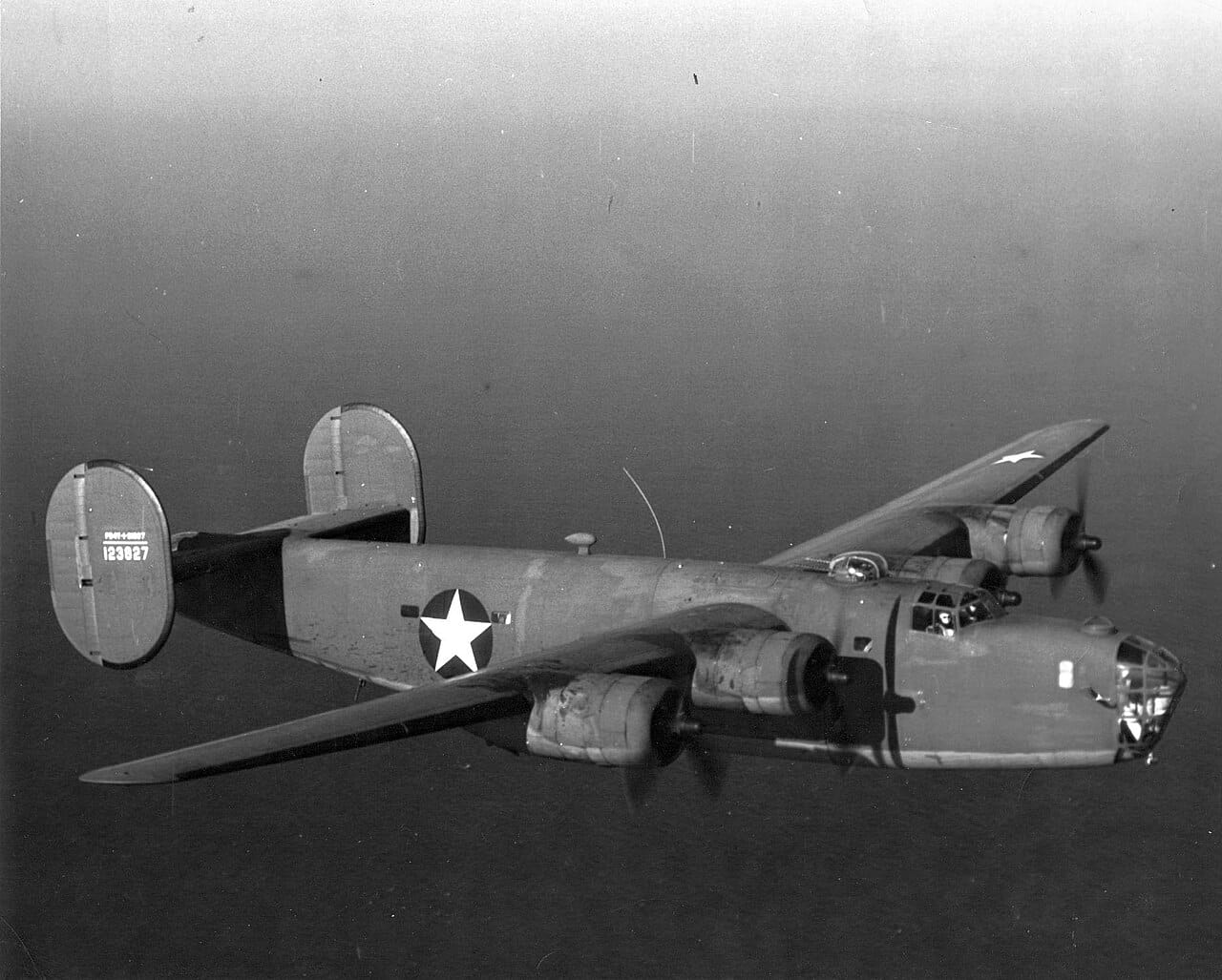
On the morning of 12 August 1944, a 29-year-old naval aviator climbed into a Liberator bomber that had been stripped of its guns and filled, wingtip to wingtip, with explosives. He did not have to be there. He had flown his tour and earned his ticket home.
His name was Joseph P. Kennedy Jr., and he was the son his father expected to send to the White House. Eighteen minutes after takeoff, he was gone — vaporised over the English countryside in one of the most secret and disastrous missions of the war.
Informazioni rapide
- Operazione: Aphrodite (USAAF) and its Navy twin, Project Anvil
- Aeromobili: A war-weary PB4Y-1 Liberator packed with about 12 tons of Torpex
- Data: 12 August 1944
- Equipaggio: Lt. Joseph P. Kennedy Jr. and Lt. Wilford J. Willy
- Bersaglio: The Mimoyecques V-weapon bunker in northern France
- Risultato: Premature explosion over Suffolk; both men killed; Navy Cross awarded
A bomb with wings
By 1944 the Allies had a problem: Germany’s V-weapon sites were buried under so much concrete that conventional bombing barely dented them. The answer, dreamed up under the codename Aphrodite, was brutally simple. Take a bomber too worn out for normal service, strip it, and fill it with more explosive than any bomb bay could ever carry. Then fly it into the target by radio control.
There was a catch. The guidance was primitive, so a two-man crew had to take off, arm the load by hand, and parachute out over England before a “mother” aircraft steered the flying bomb across the Channel. Everything depended on those few minutes between arming the explosives and jumping clear — and on Torpex, a filler more powerful, and less predictable, than TNT.
The volunteer
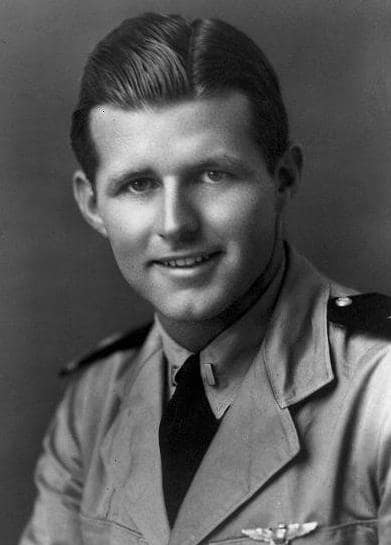
Joe Jr. was the eldest of the Kennedy children, the one on whom his father had pinned the family’s political ambitions. He had already flown more than two dozen patrol missions and was eligible to rotate home. Instead he volunteered for Anvil.
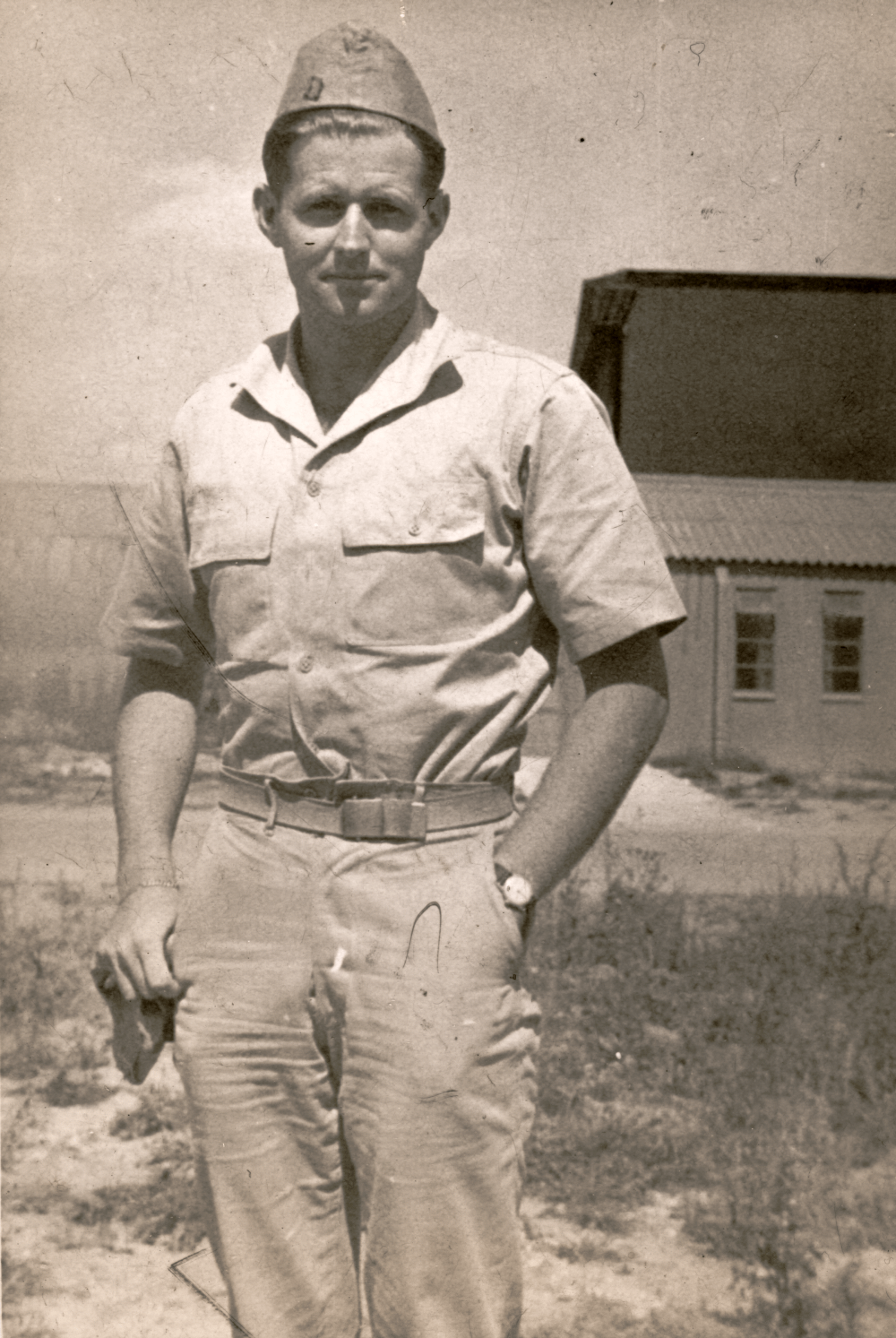
On 12 August he and Lt. Wilford Willy lifted off from RAF Fersfield in Suffolk in a Liberator carrying roughly 21,000 pounds of Torpex, bound for Mimoyecques. Somewhere on the ground below, a camera caught him one last time.
Eighteen minutes
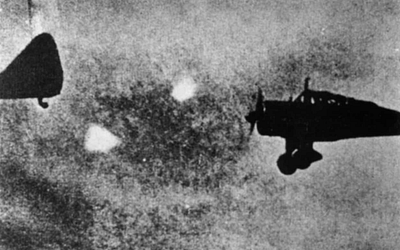
About eighteen minutes into the flight, as the crew prepared to hand control to the mother ship and arm the load, the Liberator detonated over Newdelight Wood near the Suffolk village of Blythburgh. There was almost nothing left. Falling debris damaged a photographic aircraft flying 300 feet away.
The son who wasn’t there
Kennedy and Willy were both awarded the Navy Cross, the service’s second-highest decoration. Operation Aphrodite and Project Anvil, meanwhile, achieved almost nothing: the flying bombs were wildly inaccurate and lethal to their own crews, and the programme was quietly abandoned.
The deepest mark it left was on a single family. The ambitions Joseph Kennedy Sr. had carried for his eldest son did not die over Suffolk with him. They passed instead to the next brother in line — a young naval officer named John F. Kennedy.
Sources: Smithsonian Magazine; U.S. Naval History and Heritage Command; War History Online; Wikipedia.
0 Commenti