
At 04:44 on Sunday morning, a Romanian radar operator watched a small, slow-moving return cross the Prut and slide into national airspace from Moldova, roughly 24 kilometres north of Galați. Seventeen minutes later it no longer existed.
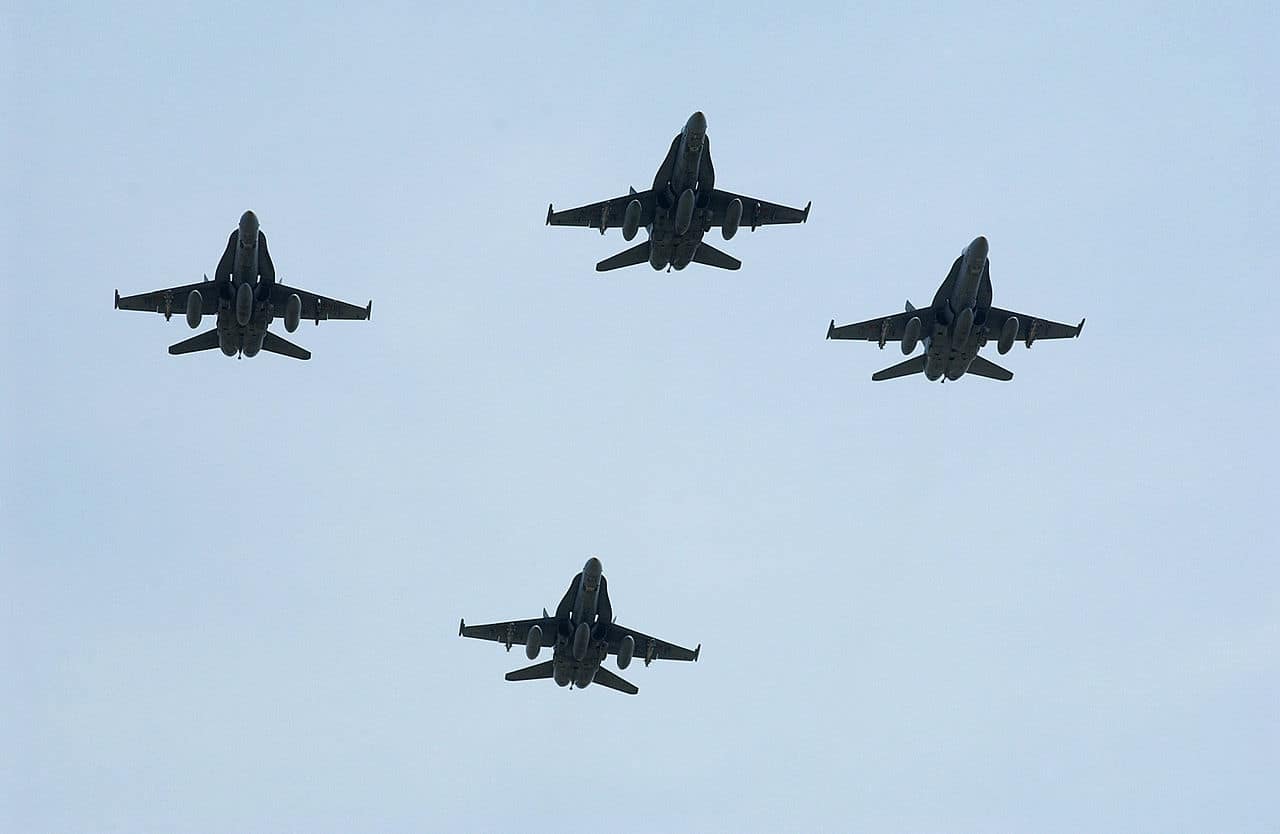
The aircraft that killed it was not Romanian. It was a Spanish F/A-18 Hornet, flying a combat air patrol out of the 57th Air Base at Mihail Kogălniceanu on the Black Sea coast, more than 2,000 kilometres from its home country. For the Spanish Air and Space Force it was a first: the opening shot of a deployment that began three weeks ago and runs to December.
For NATO it was something else. It was the fourth drone destroyed over Romanian soil this year, the second alliance shootdown in 48 hours, and further evidence that Europe’s air-policing mission has quietly become something closer to air defence.
Informazioni rapide
| Data | 16 August 2026, 05:01 local time |
| Aeromobili | McDonnell Douglas EF-18M Hornet, Spanish Air and Space Force |
| Base | 57th Air Base, Mihail Kogălniceanu, Romania |
| Bersaglio | Unidentified drone, assessed by NATO as Russian |
| Detected | 04:44, entering from Moldova, ~24 km north of Galați |
| Debris | Uninhabited ground between Băleni and Cudalbi, Galați County |
| Significato | Spain’s first drone kill on a NATO mission; fourth over Romania in 2026 |
Seventeen Minutes
The Romanian Ministry of National Defence published the timeline with unusual precision. Surveillance systems picked up the target at 04:44. Two Spanish F-18s were already airborne or scrambled to intercept. One established radar contact, identified the target, and requested clearance to engage. Clearance came. At 05:01 the drone was destroyed.
Debris fell in open country between the villages of Băleni and Cudalbi in Galați County — farmland, no houses, no casualties. That detail matters more than it sounds. Shooting down a drone over a NATO member state means putting wreckage somewhere, and the calculation of where it will land is part of the decision to fire.
Whose Drone?
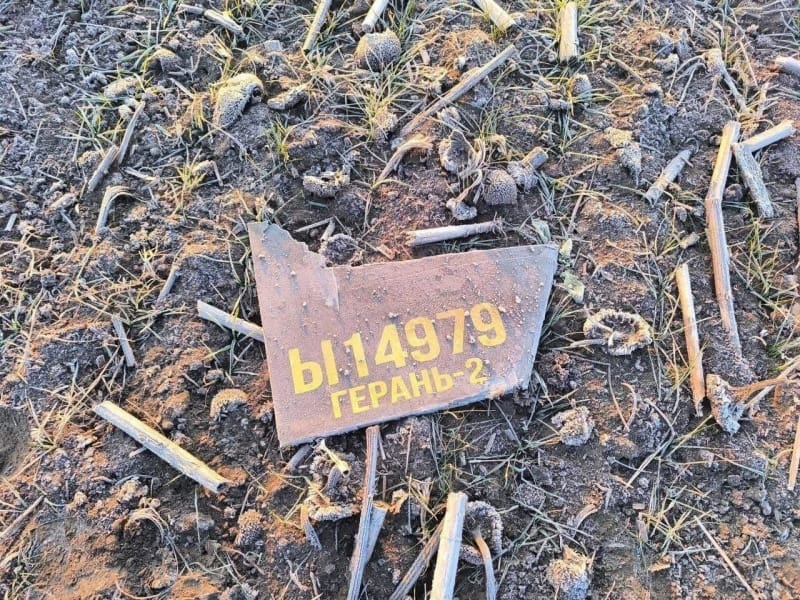
Bucharest did not formally attribute the aircraft. NATO was less cautious. Colonel Martin O’Donnell, a spokesman at Supreme Headquarters Allied Powers Europe, told reporters the alliance remains vigilant and ready to defend itself against any threat.
The approach route supports that reading. The drone came in over Moldova, the corridor Russian long-range strike drones have used repeatedly on their way to targets in southern Ukraine. Whether this one was lost, decoyed off course, or deliberately probing alliance reactions is precisely what the investigation is meant to establish.
Four in One Year
Until this summer Romania had never shot anything down. Drones had crossed its border and crashed on its territory since 2022, and each time the response was a scramble, a shadow, and a crater. That changed in July, when Romanian F-16 Fighting Falcons destroyed three Russian drones on three consecutive days — the 24th, 25th and 26th — the first such engagements since the full-scale invasion began.
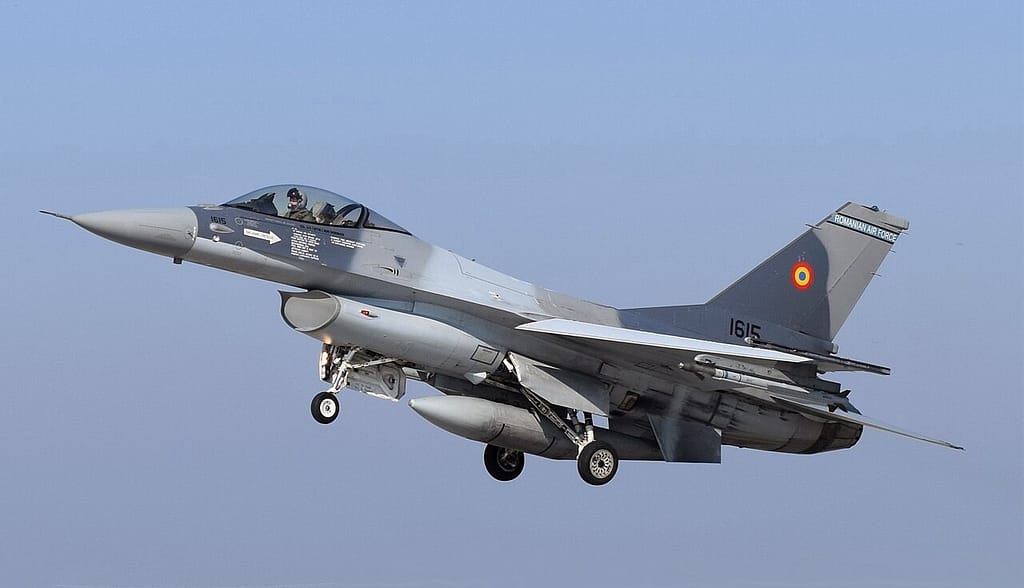
Sunday’s engagement was the fourth, and the first flown by an ally rather than the host nation. Spain currently has roughly 200 personnel, seven fighters and three helicopters in Romania, having taken over the air-policing rotation from the Royal Air Force earlier this month.
A Pattern, Not an Incident
Two days before Galatți, an Italian Eurofighter operating out of Lithuania shot down a drone that had entered Latvian airspace. On 11 August, Romanian forces destroyed two Gerbera-type drones drifting in the Black Sea near the Neptun Deep gas project. On 8 August, a drone crossed from Romania into Bulgaria and exploded near the Trans-Balkan pipeline; Bulgarian authorities assessed it was most likely a Ukrainian decoy that had wandered, with no sign of deliberate intent.
The origins differ. The operational consequence does not. NATO fighters designed to intercept bombers and shepherd airliners are now being vectored onto targets the size of a light aircraft, built from plywood and moped engines, costing a few tens of thousands of euros each. A Hornet sortie costs considerably more.
That asymmetry is the uncomfortable arithmetic underneath every one of these engagements — and the reason Europe is scrambling to field cheaper interceptors. For now, the answer to a drone over Galați is a Spanish fighter pilot, awake at five in the morning, asking permission to shoot.
Sources: Romanian Ministry of National Defence; NATO Allied Air Command; UPI; Euronews; CBS News; Ukrainska Pravda; ItaMilRadar; The Sofia Globe.

0 Commenti