
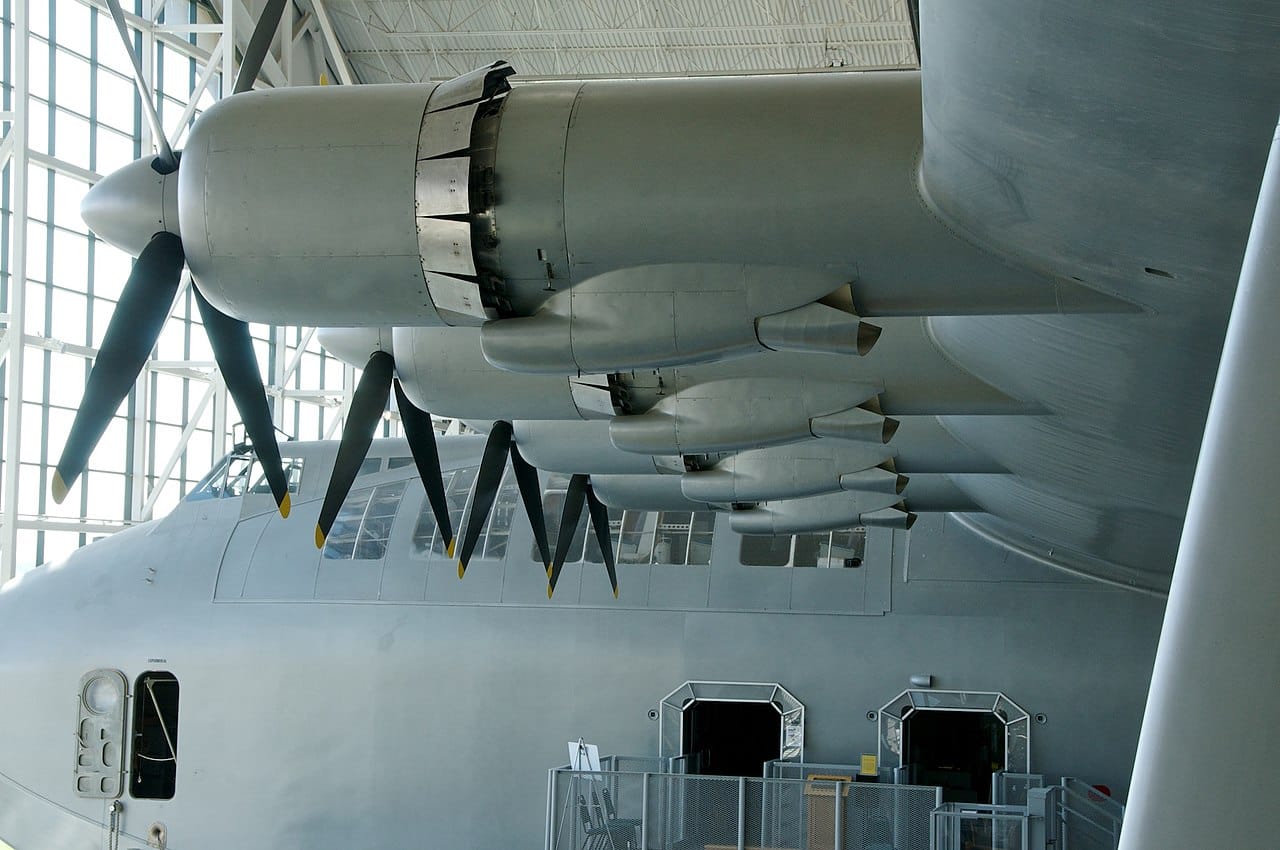
Il 2 novembre 1947, il più grande idrovolante mai costruito si sollevò dalle acque del porto di Long Beach, volò per circa un miglio a un'altitudine di settanta piedi e non volò mai più. In quel singolo minuto, Howard Hughes vinse una disputa che lo aveva quasi distrutto.
L'Hughes H-4 Hercules, soprannominato "Spruce Goose" (Oca di Abete), aveva un'apertura alare di quasi 98 metri, un record che sarebbe rimasto imbattuto fino al volo dello Stratolaunch nel 2019. I critici al Congresso lo definirono un colossale spreco di denaro pubblico destinato a non lasciare mai l'acqua. Hughes, ai comandi in persona, dimostrò che si sbagliavano, sotto gli occhi del mondo intero.
Informazioni rapide
- Aeromobili: Hughes H-4 Hercules ("Spruce Goose")
- Apertura alare: ~97,5 m (320 piedi) — il più grande di qualsiasi aereo fino al 2019
- Realizzato a partire da: betulla, non abete rosso (l'uso di metalli in tempo di guerra era soggetto a restrizioni)
- Motori: otto motori a pistoni radiali
- Unico volo: 2 novembre 1947, Long Beach — ~1 miglio a ~70 piedi
- Oggi: Museo dell'aviazione Evergreen, McMinnville, Oregon
Legno, guerra e una reputazione ferita
L'Hercules fu concepito durante la Seconda Guerra Mondiale per trasportare truppe e merci attraverso un Atlantico infestato dagli U-boat, senza però utilizzare l'alluminio di cui lo sforzo bellico aveva disperatamente bisogno. Pertanto, Hughes lo costruì in gran parte in compensato di betulla lamellare. La guerra finì molto prima che fosse pronto e, nel 1947, Hughes fu convocato davanti a una commissione del Senato che indagava se avesse sperperato milioni di dollari di fondi pubblici per un aereo che non avrebbe mai volato.
Un miglio per dimostrare un punto
Durante quello che era stato presentato come un test di rullaggio, Hughes spinse le manette e il gigante si sollevò dall'acqua. Ci aveva puntato tutto.
Non volò mai più, ma non ce n'era bisogno. Hughes tenne l'Hercules in un hangar climatizzato per il resto della sua vita, affidandone la manutenzione a un equipaggio a tempo pieno. Lo "Spruce Goose" divenne il monumento definitivo alla testardaggine di un uomo: un aereo che volò una sola volta e che sarà ricordato per sempre.
Il filmato originale del 1947, visibile qui sopra, mostra il momento in cui il gigante è effettivamente uscito dall'acqua.
Fonti: Smithsonian National Air and Space Museum; Evergreen Aviation Museum; verbali delle audizioni del Senato degli Stati Uniti.
Domande correlate
Cos'era la Spruce Goose?
Lo Spruce Goose era l'H-4 Hercules di Howard Hughes, un gigantesco idrovolante in legno costruito negli anni '40. Con un'apertura alare di circa 97,5 metri, era il velivolo più grande del mondo, un record che ha detenuto fino al 2019, eppure ha volato una sola volta.
L'oca di abete era davvero fatta di abete rosso?
No, nonostante il soprannome, era costruito principalmente in betulla. Le restrizioni belliche sull'uso di metalli come l'alluminio costrinsero Hughes a utilizzare legno lamellare, e Spruce Goose era un nome accattivante ma impreciso che la stampa diede al gigantesco idrovolante.
L'oca delle abeti ha mai volato?
Sì, ma solo una volta. Il 2 novembre 1947, fu lo stesso Howard Hughes a far decollare l'Hercules dall'acqua a Long Beach, in California, percorrendo circa un miglio a un'altitudine di circa 70 piedi. Non volò mai più.
Quanto era grande l'oca di Spruce?
La sua apertura alare era di circa 320 piedi (97,5 m), maggiore di quella di qualsiasi altro aereo fino al 2019. Alimentato da otto motori radiali a pistoni, l'H-4 Hercules era stato progettato per trasportare truppe e merci attraverso un Atlantico infestato dagli U-boat.
Dove si trova ora l'Oca degli Abeti?
L'H-4 Hercules è conservato presso l'Evergreen Aviation & Space Museum di McMinnville, in Oregon, dove l'enorme idrovolante in legno rimane esposto come una delle meraviglie dell'aviazione che ha compiuto un solo volo.
Post correlati
L'Horten Ho 229: l'ala volante che era 40 anni avanti rispetto al B-2
Il B-58 Hustler: il bombardiere Mach 2 troppo veloce per il suo stesso bene

0 Commenti