
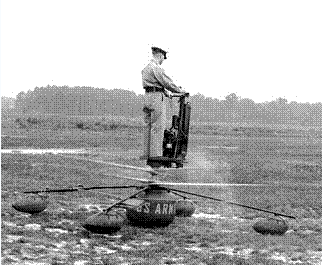
Immagina di legarti a una piattaforma non più grande di un tombino, azionata da pale di elicottero controrotanti che girano sotto i tuoi piedi, con niente tra te e il suolo se non l'aria e l'ottimismo. Ora immagina che l'esercito americano ti dica che Qualunque Un soldato potrebbe imparare a pilotarlo in 20 minuti.
Questa era la promessa del De Lackner HZ-1 Aerocycle, uno dei velivoli sperimentali più audaci e terrificanti dell'era della Guerra Fredda. Sviluppato a metà degli anni '50, questo velivolo monoposto avrebbe dovuto rivoluzionare la ricognizione sul campo di battaglia. Invece, divenne un monito sul divario tra le ambizioni futuristiche e le spietate leggi della fisica.
Informazioni rapide: Aerociclo De Lackner HZ-1
- Produttore: Elicotteri De Lackner, Mount Vernon, New York
- Designer: Lewis C. McCarty Jr.
- Primo volo vincolato: 22 novembre 1954
- Primo volo libero: Gennaio 1955, Brooklyn Army Terminal
- Motore: Motore fuoribordo Mercury Marine da circa 40 CV
- Diametro del rotore: 15 piedi (4,6 m), controrotante
- Velocità massima: 75 mph (121 km/h)
- Allineare: ~15 miglia; resistenza ~45 min
- Soffitto: 5.000 piedi (teorico - mai testato)
- Unità ordinate: 12 (numeri di serie da 56-6928 a 56-6939)
- Stato: Cancellato dopo due incidenti; un sopravvissuto presso il Museo dei trasporti dell'esercito americano, Fort Eustis.
Nato dal campo di battaglia atomico
I primi anni Cinquanta furono un periodo di straordinaria, e a volte sconsiderata, innovazione militare. La Guerra Fredda aveva introdotto la terrificante possibilità di un conflitto nucleare, e i pianificatori militari credevano che i futuri campi di battaglia sarebbero stati lande desolate e radioattive dove i veicoli convenzionali non sarebbero sopravvissuti. Ciò di cui avevano bisogno, decisero, era una macchina volante personale: qualcosa di piccolo, economico e abbastanza semplice da poter essere pilotato da un normale soldato di fanteria direttamente da una trincea.
Lewis C. McCarty Jr., ingegnere presso la De Lackner Helicopters di Mount Vernon, New York, pensava di aver trovato la soluzione. Il suo progetto, originariamente chiamato DH-4 Helivector, era radicale nella sua semplicità. Una struttura a croce. Una piattaforma per il pilota in piedi. Due pale controrotanti che giravano al di sotto, azionate da un motore fuoribordo Mercury Marine modificato da circa 40 cavalli. Il pilota avrebbe sterzato semplicemente inclinando il corpo nella direzione desiderata, come si fa con un Segway, ma in quota, a 120 km/h, sopra le pale rotanti.
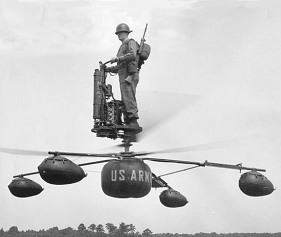
Venti minuti per Solo
La visione dell'esercito era di un ottimismo sbalorditivo. Secondo le specifiche originali, l'Aerocycle avrebbe richiesto solo 20 minuti di addestramento prima che un soldato potesse pilotarlo in combattimento. Il prototipo effettuò il suo primo volo vincolato il 22 novembre 1954, seguito dal primo volo libero nel gennaio 1955 presso il Brooklyn Army Terminal. I primi risultati sembravano promettenti: lo stesso McCarty dimostrò il funzionamento del velivolo, che sembrò volare con una facilità quasi magica.
Durante il programma di test iniziale sono stati registrati oltre 160 voli per un totale di oltre 15 ore di volo. I risultati sono stati sufficientemente incoraggianti da indurre l'esercito a ordinare una dozzina di esemplari di produzione, ai quali sono stati assegnati i numeri di serie da 56-6928 a 56-6939, e che ha ufficialmente designato il velivolo come YHO-2, successivamente ridesignato HZ-1 Aerocycle.
La smentita di Fort Eustis
Nel 1956, i test si spostarono a Fort Eustis, in Virginia, dove il capitano Selmer Sundby assunse la direzione della valutazione in volo. Sundby era un pilota collaudatore esperto, esattamente il tipo di aviatore qualificato che l'Aerocycle avrebbe dovuto essere non bisogno. Eppure, anche lui si rese presto conto che la piattaforma era pericolosamente imprevedibile.
Il problema fondamentale era di natura fisica. I rotori controrotanti avrebbero dovuto annullare la coppia, ma erano pericolosamente vicini tra loro. Durante le manovre brusche, le pale potevano ingranare tra loro e, quando ciò accadeva, le conseguenze erano immediate e catastrofiche. Le pale si frantumavano all'impatto e la piattaforma precipitava come un sasso.
Due incidenti posero fine al programma. Entrambi si verificarono in condizioni pressoché identiche: le pale controrotanti si scontrarono a mezz'aria, frantumandosi all'istante e facendo precipitare l'Aerociclo. In un incidente, a dodici metri di altezza, il capitano Sundby si ruppe una gamba. Il sogno di un fante volante morì sull'erba di Fort Eustis.
Il sogno che non muore mai
L'Aerocycle non fu certo l'unico tentativo di fornire ai soldati un mezzo di volo personale. Nella stessa epoca furono prodotti l'Hiller VZ-1 Pawnee (una piattaforma simile, in piedi, con ventole intubate), il Bensen Gyro-Glider e, decenni dopo, il Williams X-Jet. Nessuno di questi raggiunse il servizio operativo. Il corpo umano, a quanto pare, si rivelò un pessimo sistema di controllo del volo, almeno con la tecnologia degli anni '50.
Ma il sogno non è mai morto. Oggi, aziende come Jetpack Aviation, Gravity Industries e gli stessi programmi di ricerca dell'esercito statunitense stanno rivisitando il volo personale con materiali moderni, comandi di volo digitali e propulsione elettrica. I Royal Marines britannici hanno testato la tuta a reazione di Gravity Industries per le operazioni di abbordaggio navale. Il Comando delle Operazioni Speciali degli Stati Uniti ha valutato diversi sistemi di volo personale. Il concetto fondamentale perseguito da McCarty nel 1954 – una persona che vola liberamente – è più vicino alla realtà che mai.
Delle dodici HZ-1 Aerocycle ordinate dall'esercito, ne è sopravvissuto solo uno. Si trova custodito in silenzio presso l'US Army Transportation Museum di Fort Eustis, la stessa base in cui il capitano Sundby si ruppe una gamba cercando di domarlo. Un monumento a un'epoca in cui l'ambizione militare superò la realtà ingegneristica, e un monito che il confine tra visionario e sconsiderato viene spesso tracciato a posteriori.
Domande correlate
Che cos'era l'aerociclo De Lackner HZ-1?
Il De Lackner HZ-1 Aerocycle era una piattaforma volante monoposto sviluppata a metà degli anni '50. Il pilota si trovava in piedi su una piccola piattaforma sopra due rotori controrotanti azionati da un motore fuoribordo Mercury Marine da circa 40 CV, e sterzava inclinando il corpo. Era stato concepito per fornire il volo personale alla fanteria, ma il progetto fu abbandonato in seguito ad alcuni incidenti.
Chi ha progettato l'aerociclo De Lackner HZ-1?
Lewis C. McCarty Jr., ingegnere presso la De Lackner Helicopters di Mount Vernon, New York, ne fu il progettista. Lo concepì come un semplice velivolo personale che un soldato comune avrebbe potuto pilotare direttamente da una trincea.
A che velocità poteva volare l'aerociclo HZ-1?
Aveva una velocità massima di circa 75 mph (121 km/h), un'autonomia di circa 15 miglia e una durata di volo di circa 45 minuti. La sua quota teorica massima di 5.000 piedi non è mai stata effettivamente testata.
Come faceva il pilota a controllare l'aerociclo HZ-1?
Il pilota manovrava l'elicottero inclinando il corpo nella direzione desiderata, un po' come su un Segway, stando in piedi su una piccola piattaforma sopra i rotori in rotazione. L'esercito sosteneva, con ottimismo, che un soldato avrebbe potuto imparare a pilotarlo con soli 20 minuti di addestramento.
Perché è stato sviluppato l'aerociclo HZ-1?
I pianificatori della Guerra Fredda prevedevano che i futuri campi di battaglia sarebbero stati lande desolate e contaminate da radiazioni nucleari, dove i veicoli convenzionali non sarebbero sopravvissuti. Desideravano un velivolo personale piccolo ed economico che un normale fante potesse pilotare direttamente da una trincea per la ricognizione del campo di battaglia.
Perché il progetto dell'aerociclo HZ-1 è stato cancellato?
Il programma fu cancellato dopo due incidenti. Sebbene avesse completato oltre 160 voli, i rotori controrotanti rappresentavano un rischio mortale e il metodo di controllo basato sull'inclinazione si rivelò troppo pericoloso per i soldati comuni. Un esemplare sopravvissuto è conservato presso l'US Army Transportation Museum di Fort Eustis.
Quando ha effettuato il primo volo l'aerociclo HZ-1?
Il suo primo volo vincolato ebbe luogo il 22 novembre 1954, mentre il primo volo libero seguì nel gennaio del 1955 presso il Brooklyn Army Terminal.
Fonti
- Aerociclo De Lackner HZ-1 - Wikipedia
- Destinati al fallimento fin dall'inizio — Storia della guerra online
- L'aerociclo HZ-1: all'avanguardia o semplicemente pericoloso? — AvGeekery
- Attenzione al passo: l'aerociclo De Lackner HZ-1 — Questioni militari
- Museo dei trasporti dell'esercito americano - Fort Eustis
- De Lackner HZ-1 Aerociclo: ridefinire la mobilità — PlaneHistoria
0 Commenti