
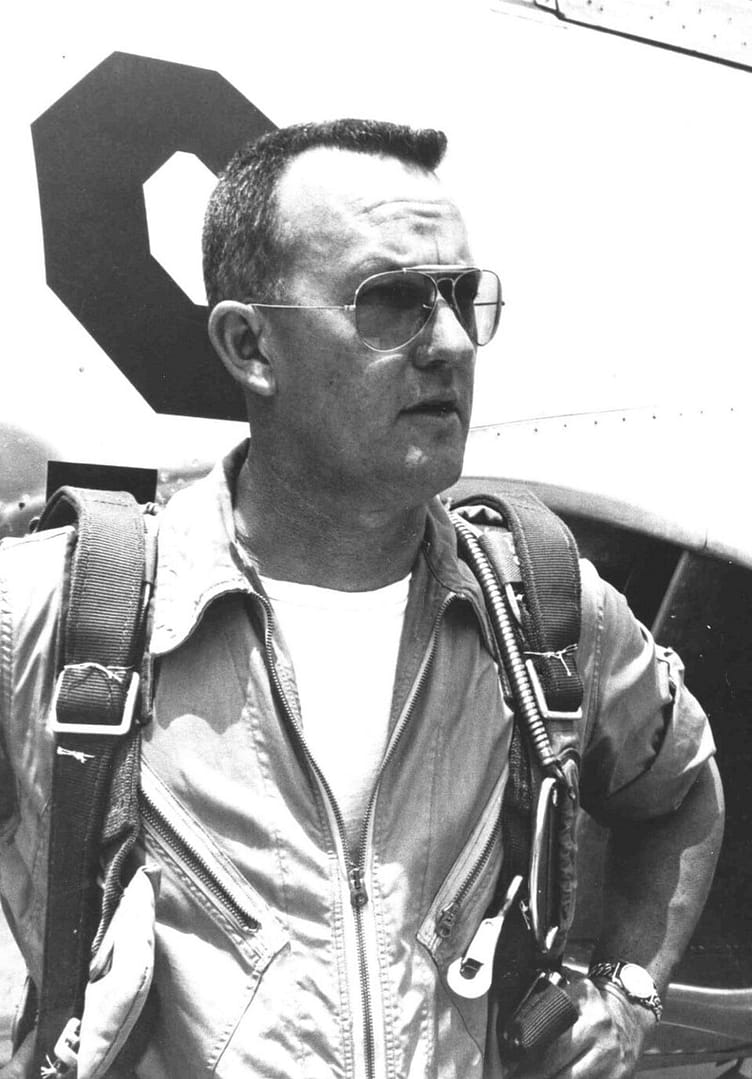
Il 1° agosto 1955, Tony LeVier fece decollare uno strano e nuovo aereo Lockheed dal letto di un lago prosciugato nel deserto del Nevada. L'aereo aveva ali incredibilmente lunghe e strette, come un aliante a motore, ed era alimentato da un singolo motore a reazione. Saliva come nessun altro aereo che avesse mai pilotato, raggiungendo altitudini di gran lunga superiori a quelle di qualsiasi aereo militare operativo. Gli era stato detto di atterrare. Non ci riuscì. U-2 Si scoprì che l'aereo spia aveva un difetto significativo: in quota, si rifiutava di scendere.
Informazioni rapide
| Nazionalità | Americano 🇺🇸 |
| Risultato | Capo collaudatore, Lockheed Skunk Works; primi voli dell'U-2, F-104 Caccia stellare XF-90 |
| Primi voli | U-2 (1955), F-104 Starfighter (1954), intercettore a reazione XF-90 (1949), XP-80A Stella cadente (1944) |
| Skunk Works | Il leggendario programma di sviluppo avanzato della Lockheed, guidato da Kelly Johnson |
| Nato / Morto | 14 febbraio 1913-6 febbraio 1998 (84 anni) |

LeVier era stato il capo collaudatore di produzione della Lockheed sin dagli anni '40, effettuando i primi voli di velivoli che spaziavano da brillanti a quasi letali. Pilotò il P-80 Shooting Star, il primo caccia a reazione operativo americano, quando era ancora un prototipo. Pilotò l'intercettore sperimentale XF-90, che subì sollecitazioni strutturali tali durante i test da essere infine utilizzato come bersaglio per un test nucleare (ma sopravvisse). Fu scelto per pilotare l'F-104 Starfighter perché Kelly Johnson, il leggendario progettista aeronautico della Lockheed, si fidava ciecamente di lui.
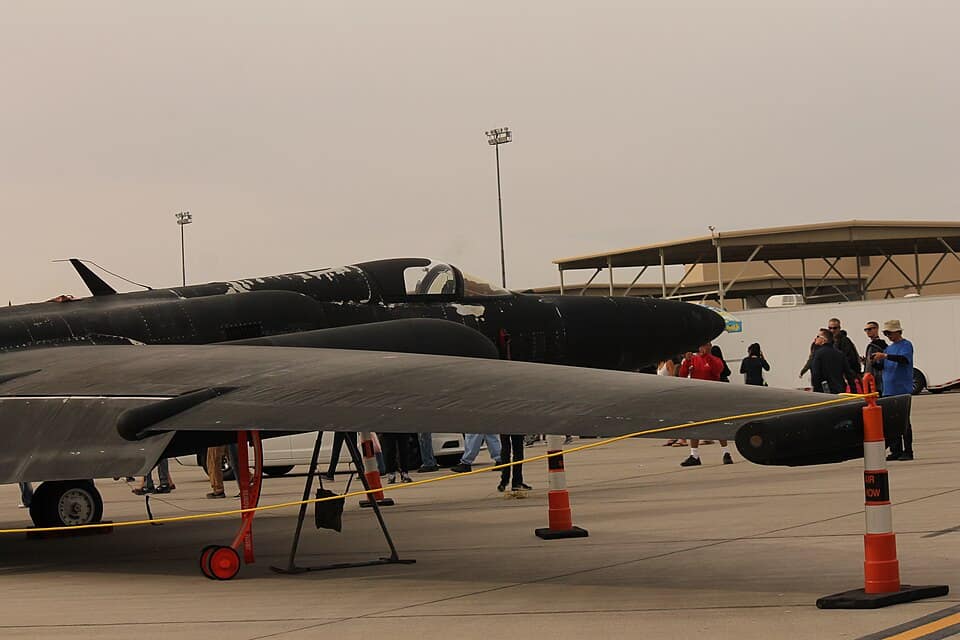
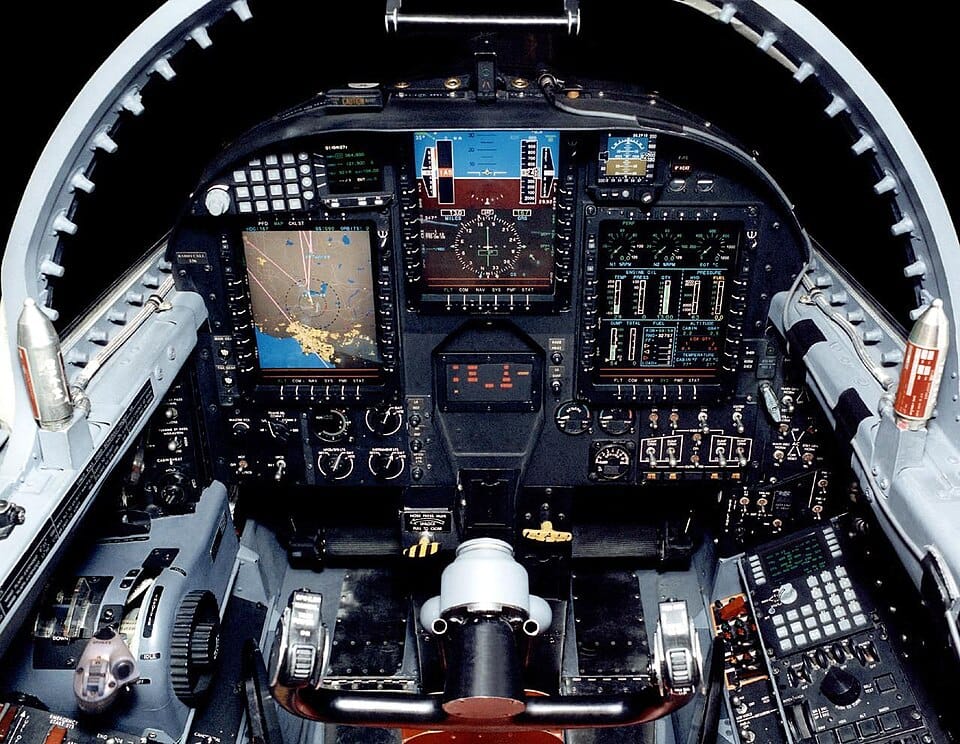
Il primo volo dell'U-2, sul letto asciutto di un lago prosciugato in Nevada nel 1955, fu condotto in totale segretezza presso una struttura che la CIA chiamava "The Ranch", in seguito nota come Area 51. Il compito di LeVier era quello di pilotarlo, valutarlo e riferire. Ciò che scoprì quel primo giorno fu che le prestazioni estreme dell'U-2 ad alta quota lo rendevano quasi impossibile da controllare in discesa: le ali generavano una portanza tale che l'aereo galleggiava indefinitamente. Risolse il problema azionando gli aerofreni e picchiando. La soluzione funzionò. L'U-2 divenne in seguito il più importante aereo da ricognizione della Guerra Fredda.
Leggenda delle corse
Prima della sua carriera alla Skunk Works, LeVier era un celebre pilota da corsa, vincitore del Trofeo Greve nel 1938 e secondo classificato per due volte al Trofeo Thompson. Volava in un'epoca in cui le corse aeree erano davvero pericolose – i piloti morivano regolarmente alle National Air Races – e le sue vittorie erano frutto tanto della sua abilità sotto pressione quanto della sua pura velocità. Questa capacità di esibirsi al limite assoluto delle capacità umane, in condizioni progettate per sopraffare, ha definito tutta la sua carriera.
Ogni volo di prova era una negoziazione tra il pilota e l'ignoto, e LeVier costruì la sua carriera sull'essere sempre la parte meglio preparata.
L'etica di Tony LeVier, capo pilota collaudatore della Lockheed Skunk Works.LeVier morì nel 1998, otto giorni prima del suo 85° compleanno. Aveva visto l'aviazione evolversi dai biplani agli aerei spia capaci di volare a 70.000 piedi, e aveva pilotato esemplari rappresentativi di quasi tutte queste evoluzioni. Il suo nome è meno famoso di quello degli aerei che pilotò per la prima volta, ma ogni pilota che abbia mai alzato lo sguardo verso un U-2 o un F-104 e sentito il battito cardiaco accelerare deve qualcosa all'uomo che salì per primo ai comandi quando nessuno sapeva se sarebbero mai volati.
Domande correlate
Chi era Tony LeVier?
Tony LeVier (1913–1998) è stato un leggendario pilota collaudatore americano per la Lockheed's Skunk Works. Ha effettuato i primi voli di diversi aerei storici, tra cui il Aereo spia U-2 nel 1955 e l'F-104 Starfighter nel 1954.
Con quale aereo Tony LeVier ha pilotato per la prima volta?
Ha effettuato i voli inaugurali dell'U-2 (1955), dell'F-104 Starfighter (1954), dell'intercettore a reazione XF-90 (1949) e del primo modello dell'XP-80A Shooting Star (1944). Pochi piloti collaudatori hanno effettuato il primo volo di così tanti velivoli influenti.
Cos'era la Skunk Works?
La Skunk Works era la divisione segreta di sviluppo avanzato della Lockheed, guidata dal famoso ingegnere Kelly Johnson. Produsse aerei rivoluzionari come l'U-2 e in seguito il SR-71, e Tony LeVier fu il suo capo collaudatore per molti di quei primi progetti.
Tony LeVier fu il primo a pilotare l'aereo spia U-2?
Sì. LeVier effettuò il primo volo dell'U-2 nel 1955. L'aereo da ricognizione ad alta quota era così impaziente di volare che decollò inaspettatamente durante quello che doveva essere un test di rullaggio ad alta velocità: l'inizio di uno degli aerei spia più importanti della Guerra Fredda.
Quando visse Tony LeVier?
Tony LeVier nacque il 14 febbraio 1913 e morì il 6 febbraio 1998, all'età di 84 anni. Nel corso della sua carriera divenne uno dei piloti collaudatori più talentuosi dell'aviazione americana, figura centrale nei programmi più segreti della Lockheed.
0 Commenti