
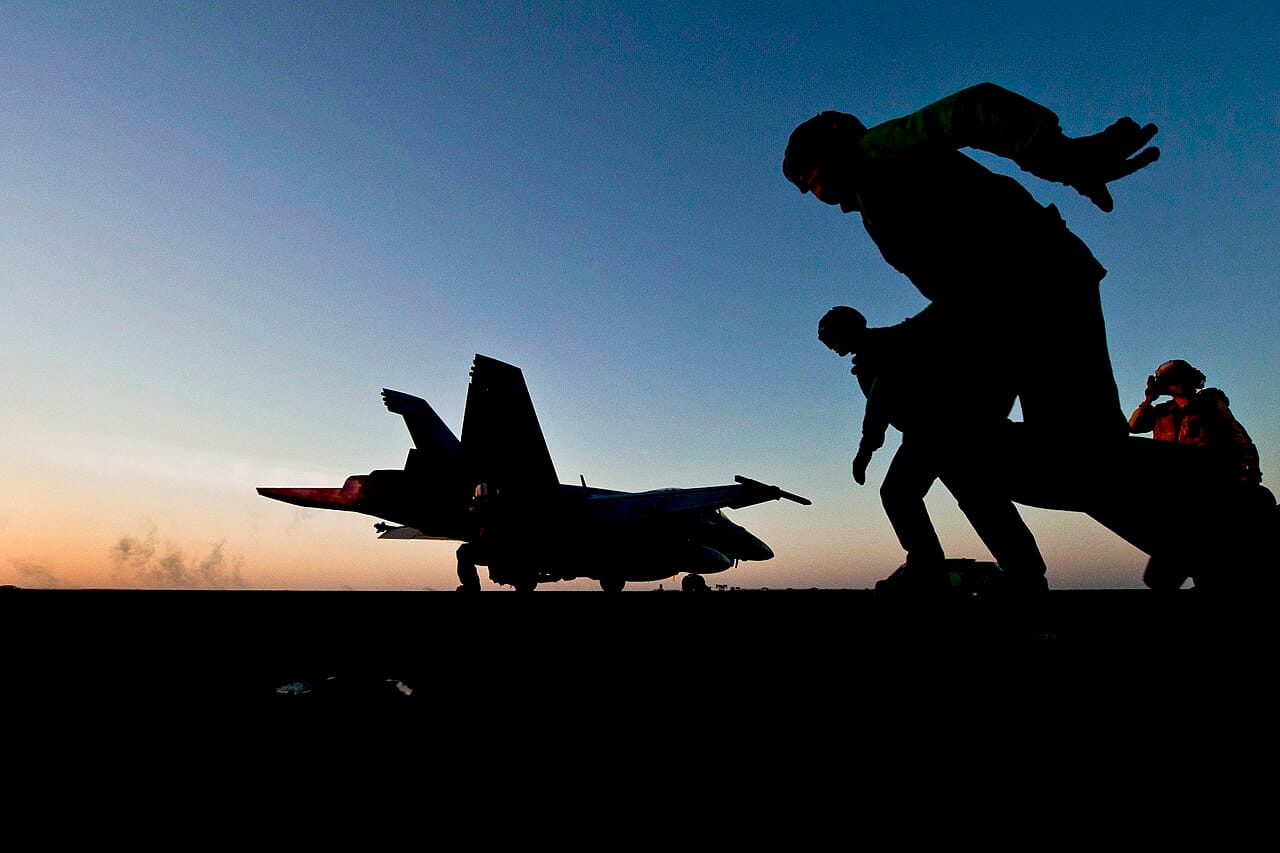
It is 4:30 in the morning, Eastern time, and the M/T Kiku is doing what tankers have done through the Strait of Hormuz for a century — threading the world’s most important oil chokepoint with more than two million barrels of crude in her belly. Then a one-way attack drone finds her. Within hours, the answer comes off a carrier deck: U.S. Navy and Air Force jets streaking toward the Iranian coast.
On 27 June 2026, U.S. Central Command says its aircraft struck 10 Iranian military targets in and near the Strait of Hormuz, retaliation for what CENTCOM called an Iranian drone strike on the Panama-flagged Kiku. It was the second tit-for-tat exchange in 24 hours, and it cracked a ceasefire that was barely ten days old.
This is what a shooting war over a 21-mile-wide waterway looks like from the air — and why the jets, not the headlines, tell the real story.
Informazioni rapide
- Data: 27 June 2026 (per CENTCOM dateline)
- Strike force: U.S. Navy and U.S. Air Force fighter jets
- Obiettivi: CENTCOM says 10 Iranian military sites — surveillance, communications, air defense, drone storage, minelaying capability
- Grilletto: CENTCOM says an Iranian one-way attack drone hit the Panama-flagged tanker M/T Kiku (~2 million barrels of crude)
- Iranian response: IRGC says it targeted U.S. facilities in Bahrain and Kuwait with drones and missiles; Bahrain confirmed drones
- Stakes: The Strait of Hormuz carries roughly a fifth of the world’s oil
The Strike: Off the Deck and Onto the Coast
CENTCOM’s account is specific. It says U.S. Navy and Air Force jets — a mix of carrier-based and land-based aircraft — hit 10 Iranian military targets at multiple locations in and around the Strait of Hormuz. The target list reads like a checklist for blinding an adversary at sea: surveillance infrastructure to find ships, communications nodes to coordinate attacks, air defense sites to threaten the jets, drone storage to feed the one-way attacks, and minelaying capability to choke the strait.
That last item matters more than it sounds. Mines are the cheap, patient weapon of a chokepoint war. A single drifting mine can close a shipping lane for days and send insurance premiums — and oil prices — spiking. By naming minelaying capability as a target set, CENTCOM signaled that Washington was trying to keep the strait open, not just punish Tehran.
CENTCOM released video it said showed the strikes. We have linked the footage near the end of this post so you can judge it for yourself; as always with combat-release video, treat it as one side’s account rather than independent confirmation.
The exchange did not come out of nowhere. CENTCOM says the Kiku strike followed an earlier U.S. operation a day before, itself a response to a drone attack on another commercial vessel. Each round was framed by Washington as a measured reply; each round was framed by Tehran as American aggression. That is the grammar of a chokepoint war — and it is exactly the dynamic that makes the Strait of Hormuz so dangerous.
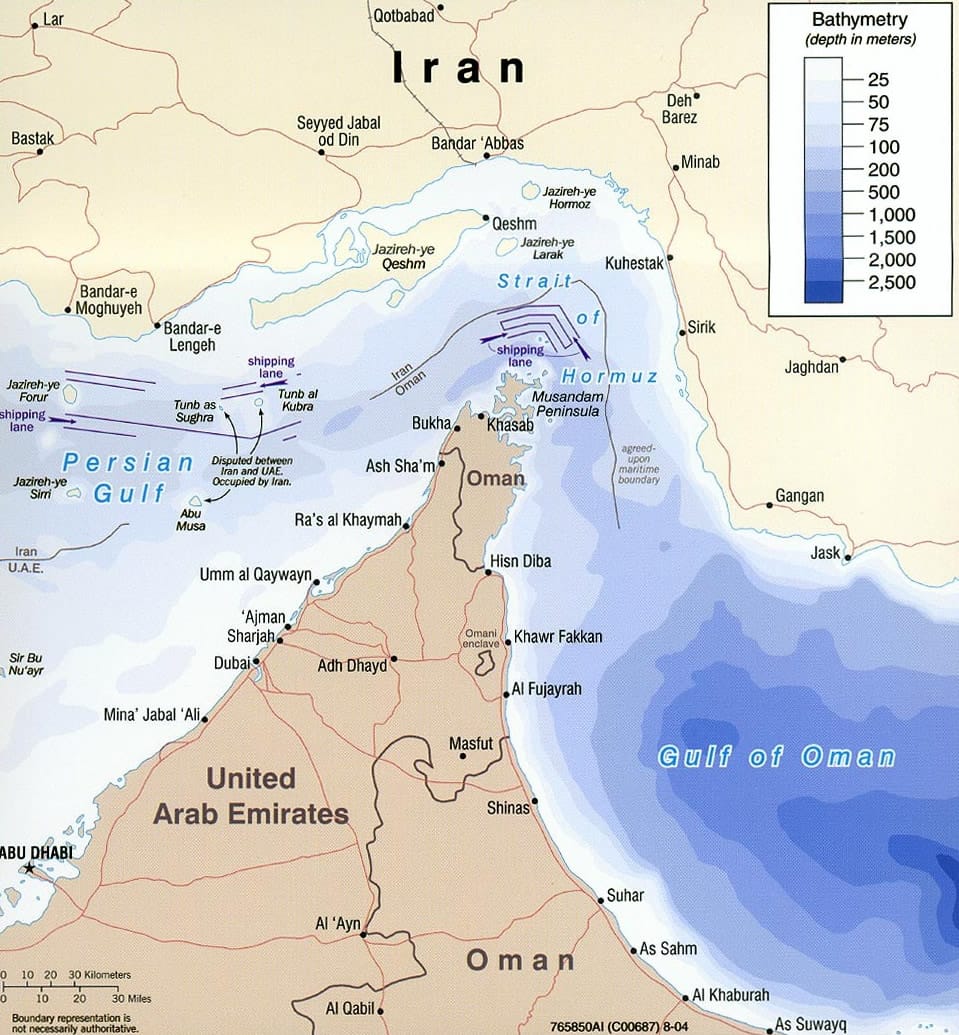
For the aircrews, the geography is unforgiving. The strait pinches to roughly 21 nautical miles at its narrowest, hemmed by the Iranian coast on one side and Oman’s Musandam Peninsula on the other. There is very little room to maneuver, and Iranian radar and surface-to-air systems sit close enough to the shipping lanes to make every approach a calculated risk.
What CENTCOM Said
The command did not hedge its framing. In its statement, CENTCOM said the latest strikes “targeted Iranian military surveillance infrastructure, communication systems, air defense sites, drone storage facilities, and minelayer capabilities,” and insisted that “commercial vessel transits through the Strait of Hormuz continue.”
President Donald Trump weighed in within hours, posting on Truth Social that “United States aircraft just struck Iranian missile and drone storage locations, and coastal radar sites, for violating the Cease Fire Agreement, AGAIN!” He went further, warning that Washington could be “forced to militarily complete the job that we very successfully started.”
Iran told a different story. Its Islamic Revolutionary Guard Corps said it had targeted U.S. facilities in Bahrain and Kuwait with drones and missiles — and Bahrain’s Foreign Ministry confirmed it had been targeted by a number of Iranian drones. Tehran rejected the characterization of itself as the aggressor, casting the U.S. strikes as the violation. As with every claim in this exchange, the figures and the framing come from the parties to the fight; independent verification on the ground is thin.
Why the Strait of Hormuz Is the Prize
Strip away the politics and the strait is simple economics. Roughly a fifth of the world’s oil moves through this single waterway, and there is no quick alternative route for most of it. That is why Iran’s threat to mine or close the strait is its loudest deterrent — and why the United States keeps a carrier and its air wing within striking distance.
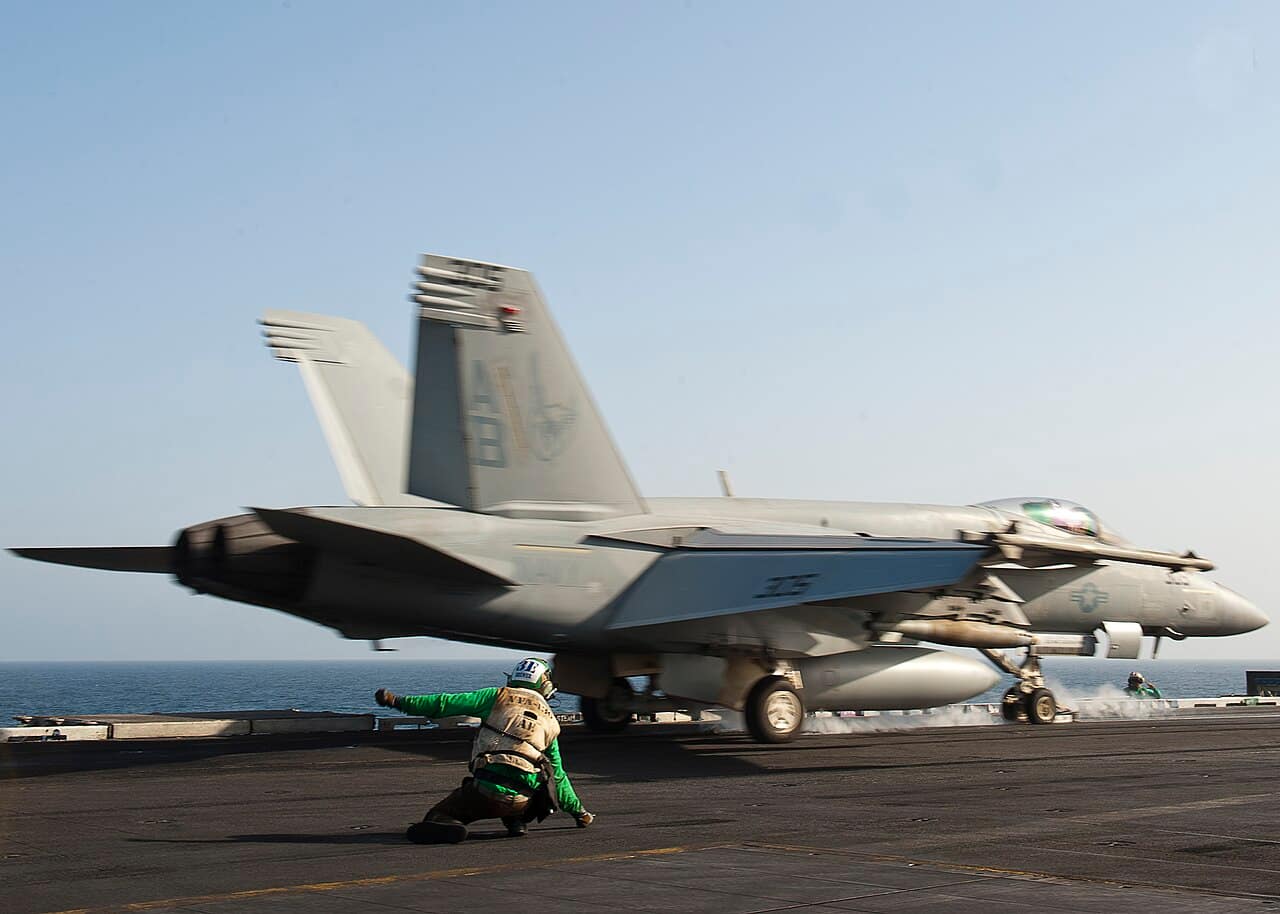
The carrier matters precisely because the strike could come from the sea. Land-based jets need bases, overflight permissions, and tanker support; a carrier air wing brings the fight to within minutes of the Iranian coast on its own terms. When the targets are coastal radar, drone sheds, and minelaying assets clustered along the strait, that proximity is the whole point.
It is also why analysts watch Iran’s air defenses so closely. The jets that struck on 27 June flew into one of the most heavily defended slivers of coastline on earth. The fact that the air defense sites were on the target list tells you the planners expected to fight their way in — and wanted those threats degraded before the next round.
A Ceasefire on Life Support
The most consequential fact may be the calendar. These were the first strikes since Washington and Tehran reached a framework agreement earlier in June. Ten days later, the jets were flying again. A ceasefire that survives barely a week and a half is not a ceasefire so much as a pause between rounds.
What happens next depends on whether either side wants an off-ramp. Trump’s “complete the job” language points one way; Iran’s strikes on Bahrain and Kuwait point another. In between sit the tankers — and the aircrews who will be asked to fly the next sortie if the shooting does not stop.
For now, the carrier stays on station, the jets stay armed, and the strait stays open by a thread. That thread is held, more than anything, by aircraft — and by the willingness of both sides to keep finding reasons not to escalate. So far, they keep finding reasons to.
CENTCOM released video it said showed the strikes near the Strait of Hormuz. Treat combat-release footage as one party’s account.
Sources: U.S. Central Command statement (27 June 2026); CNN; Reuters; Associated Press; Al Jazeera; Axios; The Times of Israel.
Domande correlate
Why did the US strike Iran in June 2026?
On 27 June 2026, U.S. Central Command said its Navy and Air Force jets struck 10 Iranian military targets in and near the Strait of Hormuz in response to what it described as an Iranian one-way drone attack on the Panama-flagged tanker M/T Kiku. It was the second tit-for-tat exchange within 24 hours.
What did the US jets target in Iran?
According to CENTCOM, U.S. aircraft struck Iranian military surveillance infrastructure, communications systems, air defense sites, drone storage facilities, and minelaying capability — target sets aimed at degrading Iran’s ability to threaten shipping in the strait.
Did Iran retaliate against US bases?
Iran’s Islamic Revolutionary Guard Corps said it targeted U.S. facilities in Bahrain and Kuwait with drones and missiles after the strikes. Bahrain’s Foreign Ministry confirmed it was targeted by a number of Iranian drones. Independent confirmation of damage was limited.
Why is the Strait of Hormuz so important?
The Strait of Hormuz is the world’s most important oil chokepoint, carrying roughly a fifth of global oil supply. It narrows to about 21 nautical miles between Iran and Oman, with no easy alternative route for most of the crude that passes through it.
What aircraft can strike from a carrier near Iran?
U.S. carrier air wings operate F/A-18E/F Super Hornets and other strike aircraft that can hit coastal targets within minutes of launch, without needing land bases or overflight permissions. That reach is why a carrier is kept within striking distance of the strait.
Was there a ceasefire between the US and Iran?
Yes. Washington and Tehran reached a framework agreement earlier in June 2026. The 27 June strikes were the first military action since that deal, roughly ten days earlier — leaving the ceasefire badly strained.
0 Commenti