
On 22 June 1941, at 03:15 Moscow time, the Luftwaffe attacked sixty-six Soviet airfields. Over 1,200 Soviet aircraft were destroyed in the first twelve hours of Operation Barbarossa, most of them parked, most of them unable to take off. The Soviet aviation propaganda apparatus — the apparatus that had spent the entire 1930s telling the country it had the most modern air force in the world — found itself, by lunchtime on a single summer Sunday, presiding over a catastrophe.
The propaganda machinery did not stop. It changed register. Throughout the next four years of the Great Patriotic War, Soviet aviation propaganda would shift from the romantic pre-war pilot cult of Chkalov to the savage, vengeful, all-the-way-to-Berlin iconography of the Il-2 Shturmovik, the night-bomber Polikarpov U-2, the Yak-9 fighter and the air aces who flew them. By the time the red flag went up over the Reichstag on 30 April 1945, the Soviet Union had produced more aircraft than any other nation in the war except the United States — 157,000 aircraft, some 125,000 of them combat types — and the propaganda told the story of that effort almost in real time.
Quick Facts
Period: Great Patriotic War (June 1941 – May 1945)
Top Soviet ace: Ivan Kozhedub — 64 confirmed kills, 3× Hero of the Soviet Union
Second: Alexander Pokryshkin — 59 confirmed kills, 3× Hero of the Soviet Union
Most-produced combat aircraft in history: Ilyushin Il-2 Shturmovik (36,183 built)
Three all-female aviation regiments: 586th IAP (Yak fighters) · 587th BAP (Pe-2 bombers) · 588th NBAP (Po-2 night bombers)
“Night Witches” (Nachthexen): German Wehrmacht nickname for the 588th
From Chkalov to the Shturmovik
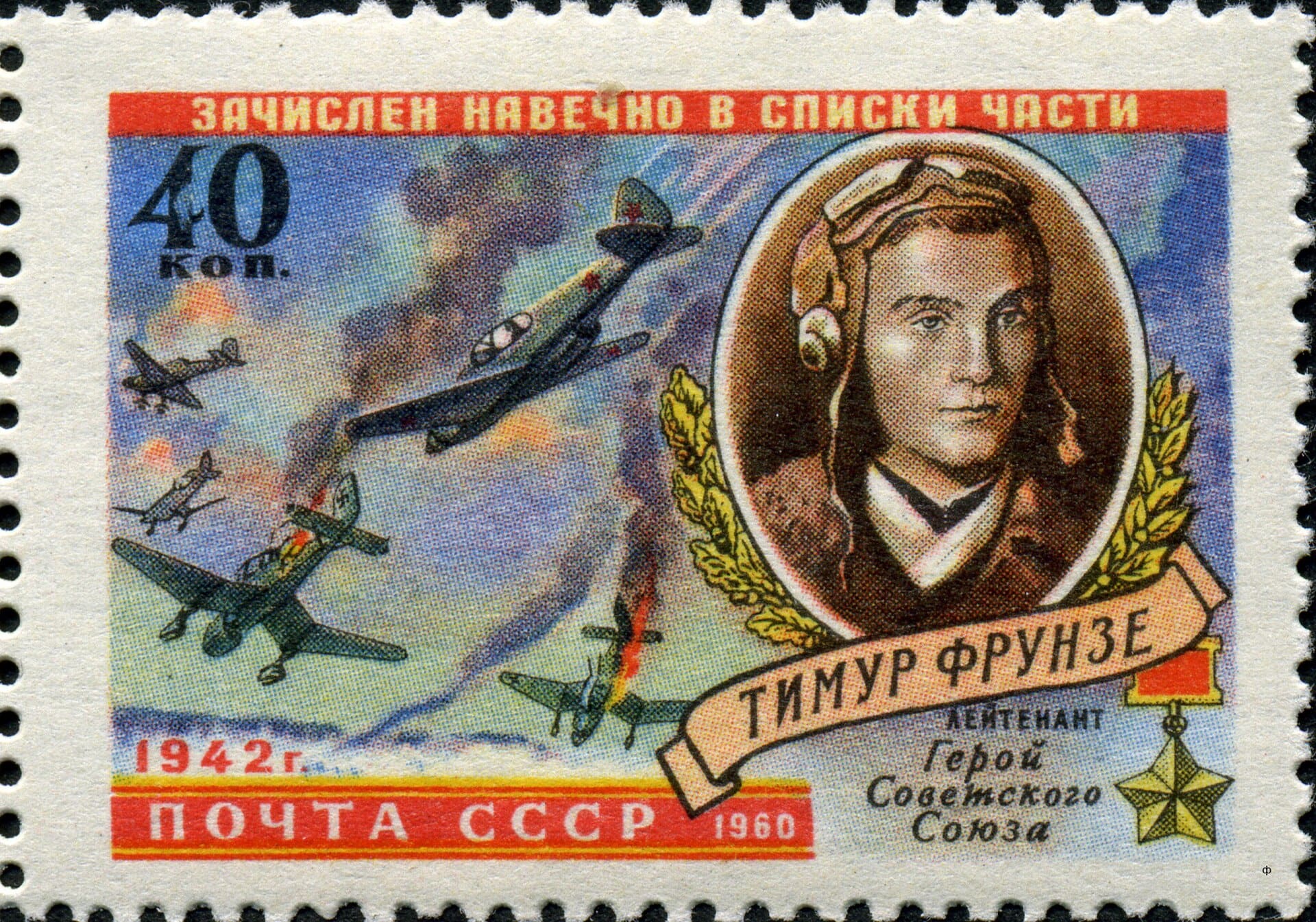
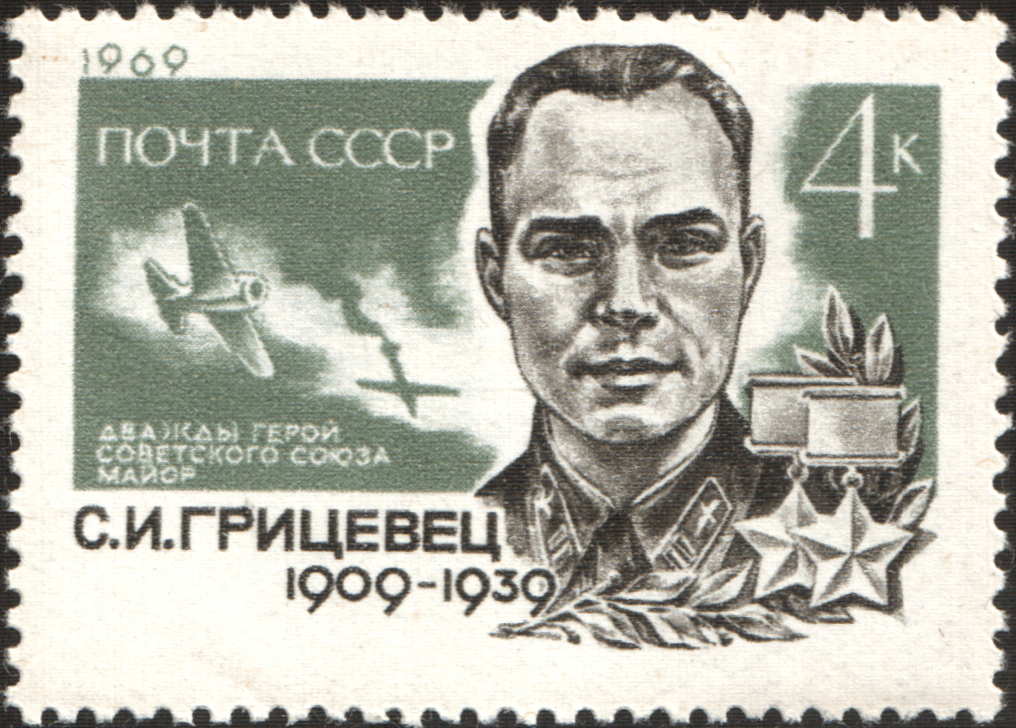
The pre-war pilot cult — Chkalov, Gromov, the Rodina crew — had been about peacetime aviation as a symbol of socialist achievement. The war changed the unit of analysis. After 22 June 1941 the propaganda apparatus stopped celebrating individual pilots and started celebrating individual aircraft.
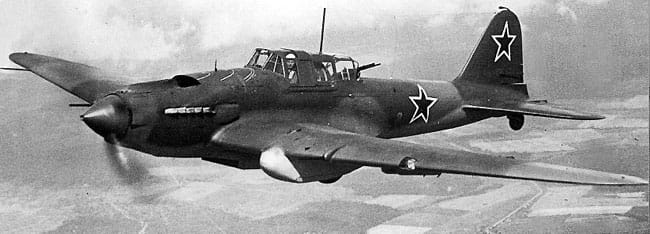
The Il-2 Shturmovik became the symbol. Designed by Sergei Ilyushin as a heavily armoured ground-attack aircraft — its forward cockpit and engine compartment sat inside a roughly 700 kg steel-armoured bathtub that protected it against rifle-calibre fire and shrapnel — the Il-2 was the workhorse that destroyed the German tank columns on the Eastern Front. By 1944 the Soviet aviation industry was completing a new aircraft roughly every fifteen minutes — and no type rolled off the lines in greater numbers than the Il-2. Stalin himself, in a famous December 1941 telegram berating lagging factory directors, wrote that the Il-2 was needed by the Red Army “like air, like bread.”
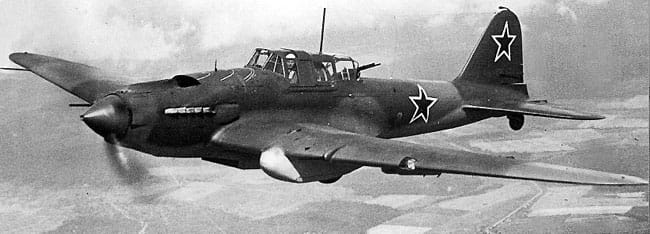
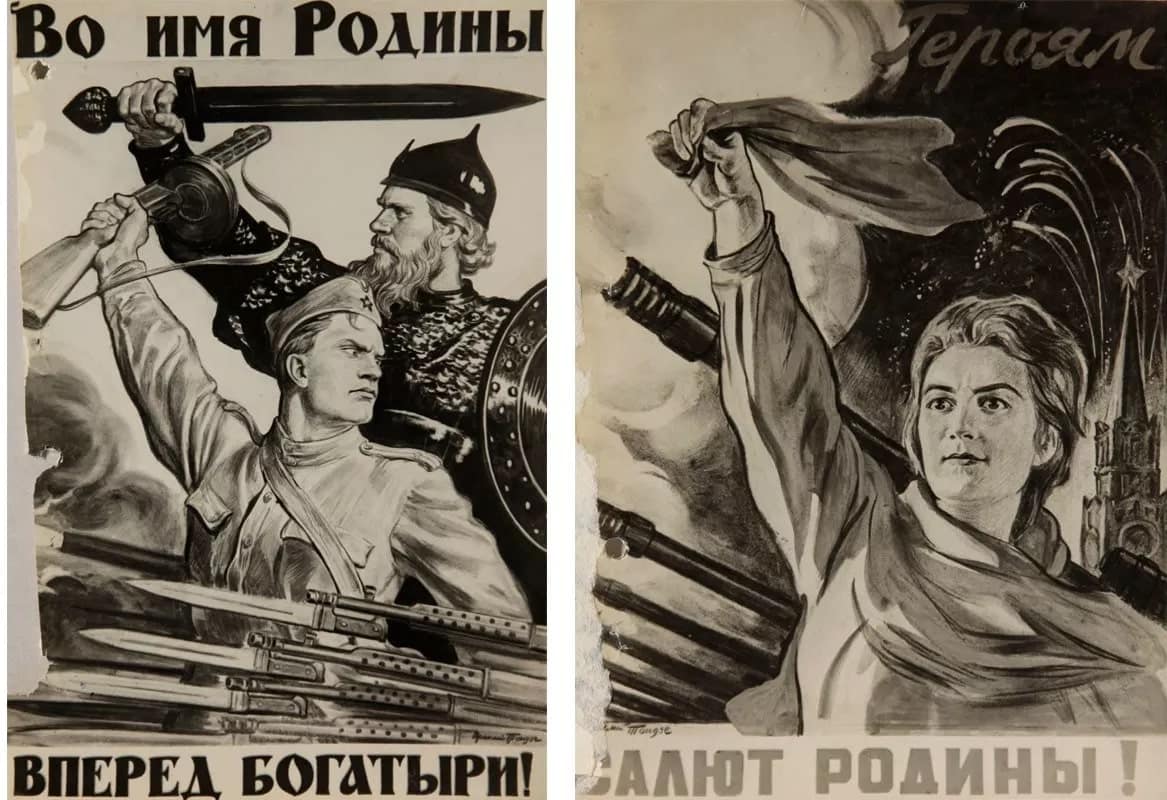
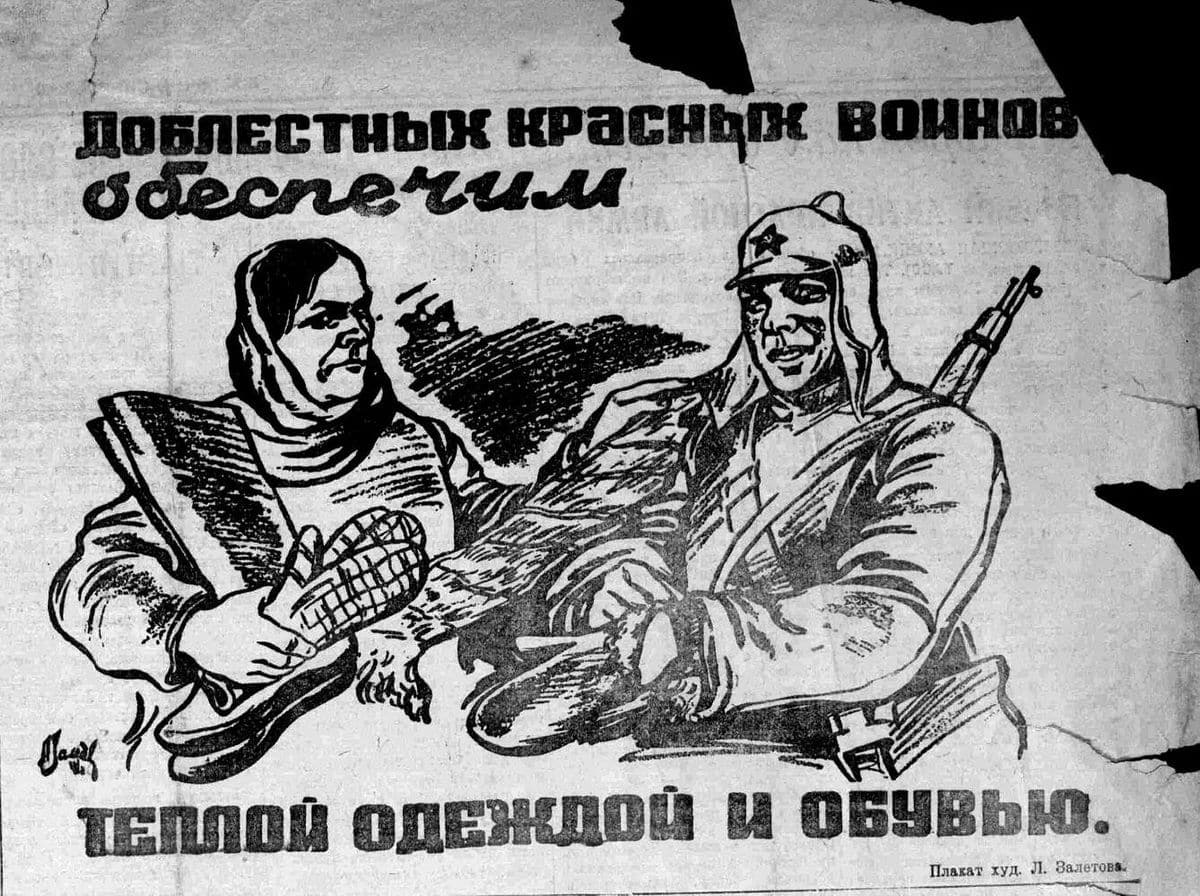
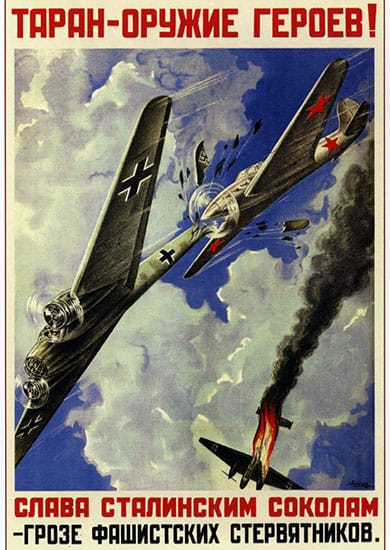
The propaganda image of the Il-2 was specifically classed — it was the aircraft of the worker, the peasant, the proletarian air force, in stark contrast to the gentleman-aviator imagery of Luftwaffe Messerschmitts. Soviet posters of 1943 and 1944 routinely showed Il-2s in low-level formation over burning German Tiger tanks. The accompanying slogans — “Smert’ fashistskim okkupantam!” (Death to the fascist occupiers!) — were not metaphorical. Soviet wartime accounts credited the air force — and the Il-2 above all — with destroying tens of thousands of German aircraft, tanks and vehicles; the figures were unverifiable, but the propaganda treated them as fact.
The aces
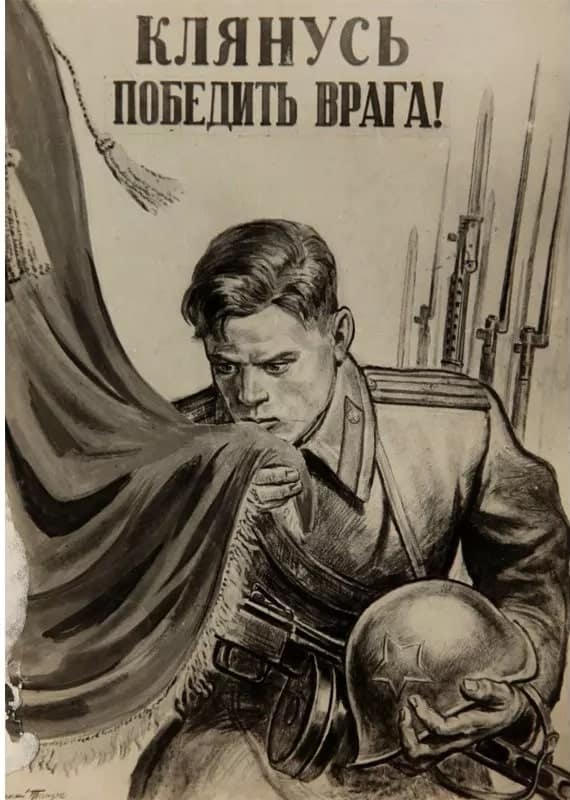
Soviet propaganda’s other big shift was its discovery, in 1943, that individual air aces sold. The Pokryshkin and Kozhedub propaganda campaigns of 1943–1945 were direct successors to the Chkalov cult of the 1930s, updated for wartime. Alexander Pokryshkin — 59 confirmed kills, the great majority of them in a Lend-Lease P-39 Airacobra — was made a three-time Hero of the Soviet Union, the first soldier in the war to receive the title three times.
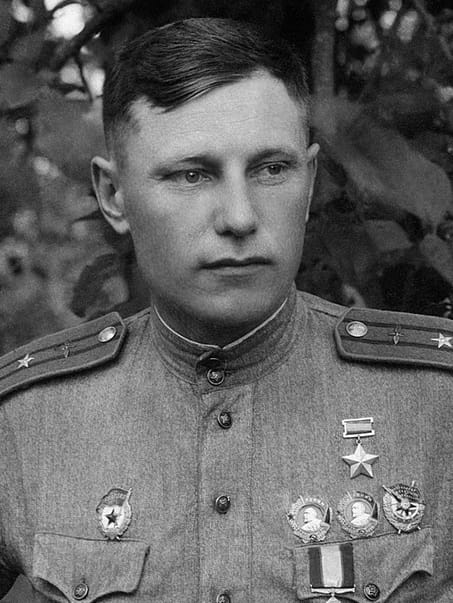
Ivan Kozhedub matched him through 64 confirmed kills in La-5 and La-7 fighters by VE Day — and in August 1945 became a three-time Hero himself. Both men were on Pravda’s front page repeatedly. Both became household names before the war ended. Both were used by the Soviet propaganda apparatus to do precisely what the 1930s pilot cult had done: model an ideal of the Soviet citizen — courageous, technically modern, politically obedient and personally heroic — for the entire population to internalise.
The women who flew at night
The most enduring single propaganda story of the wartime decade did not involve either of the aces. It involved Marina Raskova — the navigator from the 1938 Rodina flight — and the three all-female aviation regiments she organised after personally lobbying Stalin in October 1941. The 588th Night Bomber Aviation Regiment, equipped with Polikarpov Po-2 biplane trainers, became, by 1943, the most famous all-female military unit in the world.
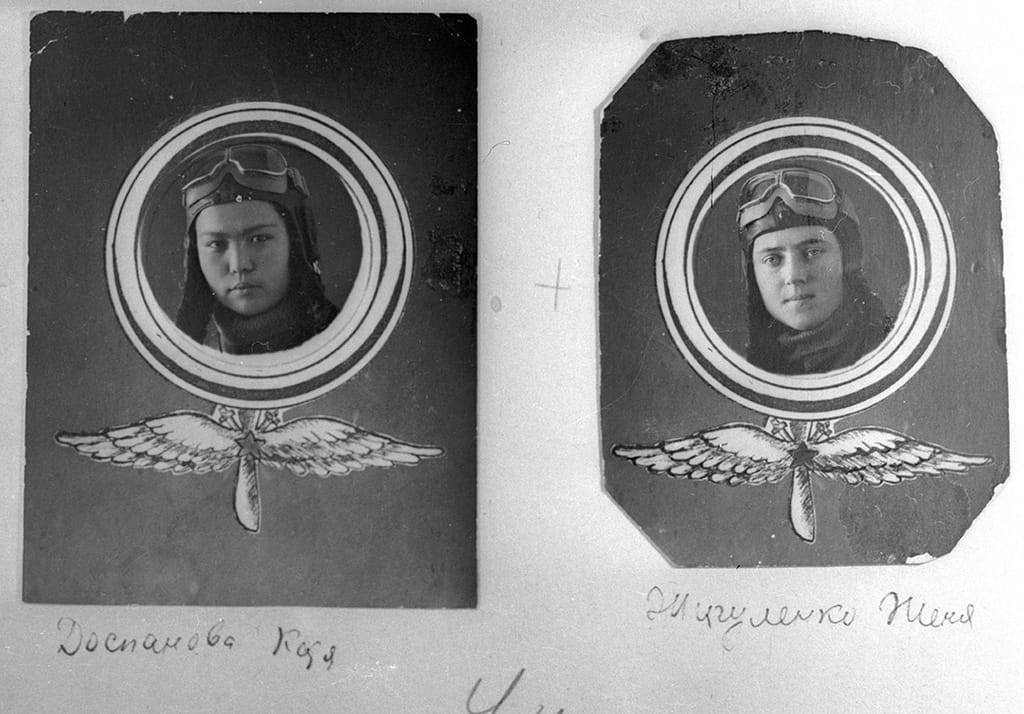
The 588th flew the Polikarpov Po-2 — a wood-and-canvas open-cockpit biplane trainer that the propaganda machine never tired of pointing out was the same aircraft on which the women had learned to fly before the war. The aircraft was slow enough that German fighter aces sometimes overshot it. It was light enough that the women glided in over German positions with their engines idling, listened for the rustle of canvas in the slipstream that gave the unit its German nickname, and released their bombs on the camp below before the Germans had time to fire a flare.
The 588th — renamed the 46th Taman Guards Night Bomber Regiment in 1943 — flew over 23,000 individual combat sorties between 1942 and 1945. Twenty-three of its pilots were made Heroes of the Soviet Union. The post-war Soviet propaganda apparatus made the 588th the central image of the women-in-the-war narrative: the regiment became a fixture of post-war Soviet histories, films and schoolbooks.
The propaganda after the war
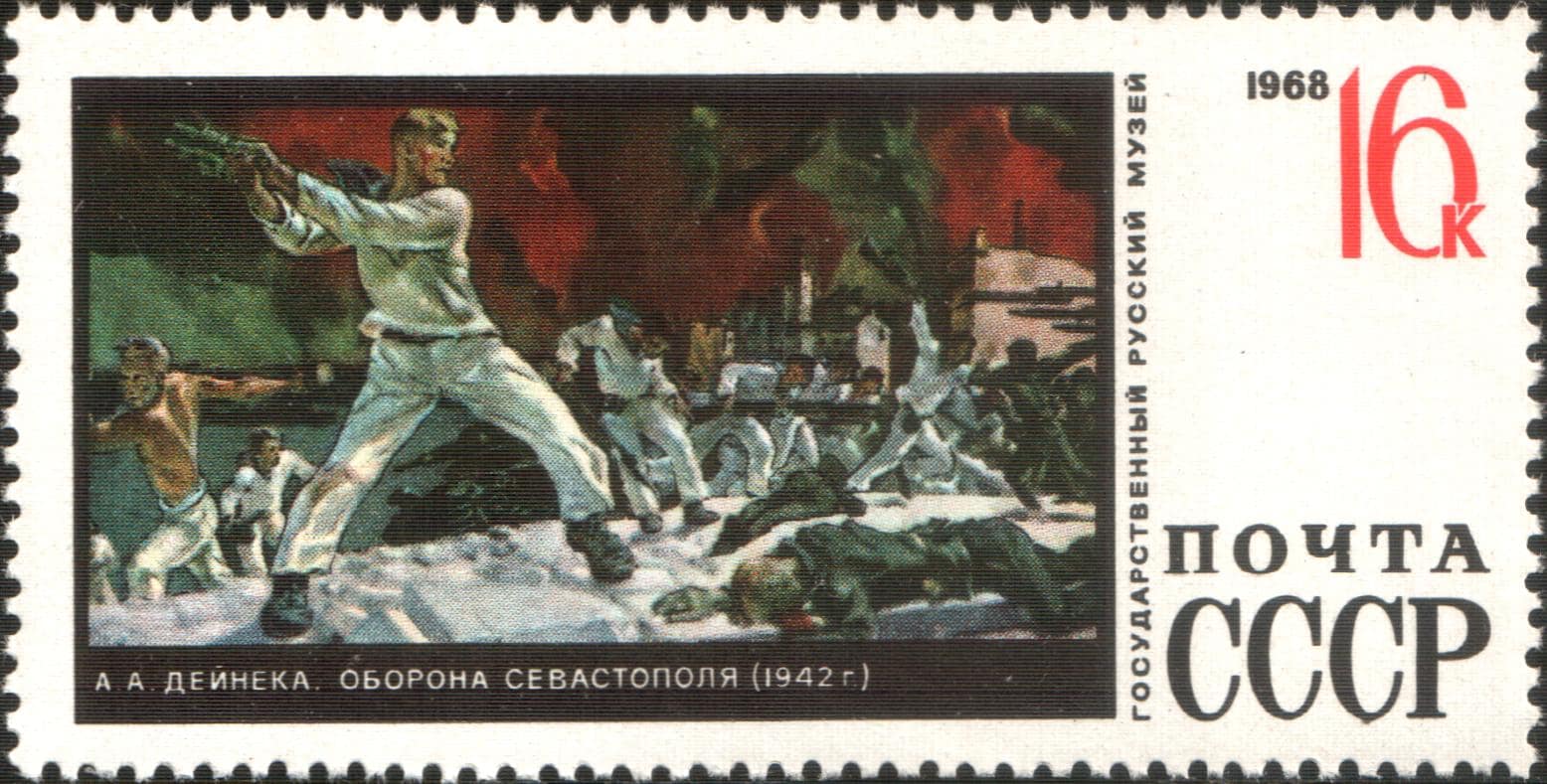
By VE Day the Soviet aviation propaganda apparatus had produced a vast body of wartime aviation posters, dozens of feature films and newsreels, and an unmeasured quantity of poems, songs, paintings and statues. The propaganda did the things it was built to do: it built morale, it framed sacrifice, it shaped the public understanding of the war’s progress and outcome, and it told the country what kind of citizens its leaders wanted it to be.
The late 1940s saw the propaganda machinery do one more thing. It used the wartime aviation experience to begin selling the Soviet population on the next aircraft generation — the MiG-15 jet fighter, the Tu-4 strategic bomber copied from the B-29, the Il-28 jet bomber. The Cold War aviation propaganda of the 1950s — the next piece in this series — was built on the foundation the wartime propaganda had laid.
One last note. The Aviamarsh anthem, which had been written in 1923 as a peacetime anthem about Soviet aviation, remained the marching song of Soviet aviation throughout the war. Marina Raskova, who organised the three all-female regiments and who died in a flight accident in January 1943 before her regiment finished its first year of combat, was buried with full state honours in the Kremlin Wall. She received the first state funeral of the war — and the old Aviamarsh refrain made a fitting epitaph: Vyshe, i vyshe, i vyshe. Higher, and higher, and higher.
Sources: Scott W. Palmer, “Dictatorship of the Air”; Reina Pennington, “Wings, Women & War: Soviet Airwomen in World War II Combat” (University Press of Kansas, 2001); Daily Telegraph (Nadezhda Popova obituary, 2013); the Wikipedia entries on Alexander Pokryshkin, Ivan Kozhedub, the 588th NBAP, and the Il-2 Shturmovik.
Aviation in Soviet Propaganda — Series Index
→ The 1940s: The Great Patriotic War (you are here)
→ The 1960s: The Cult of the Cosmonaut

 English
0 Comments