
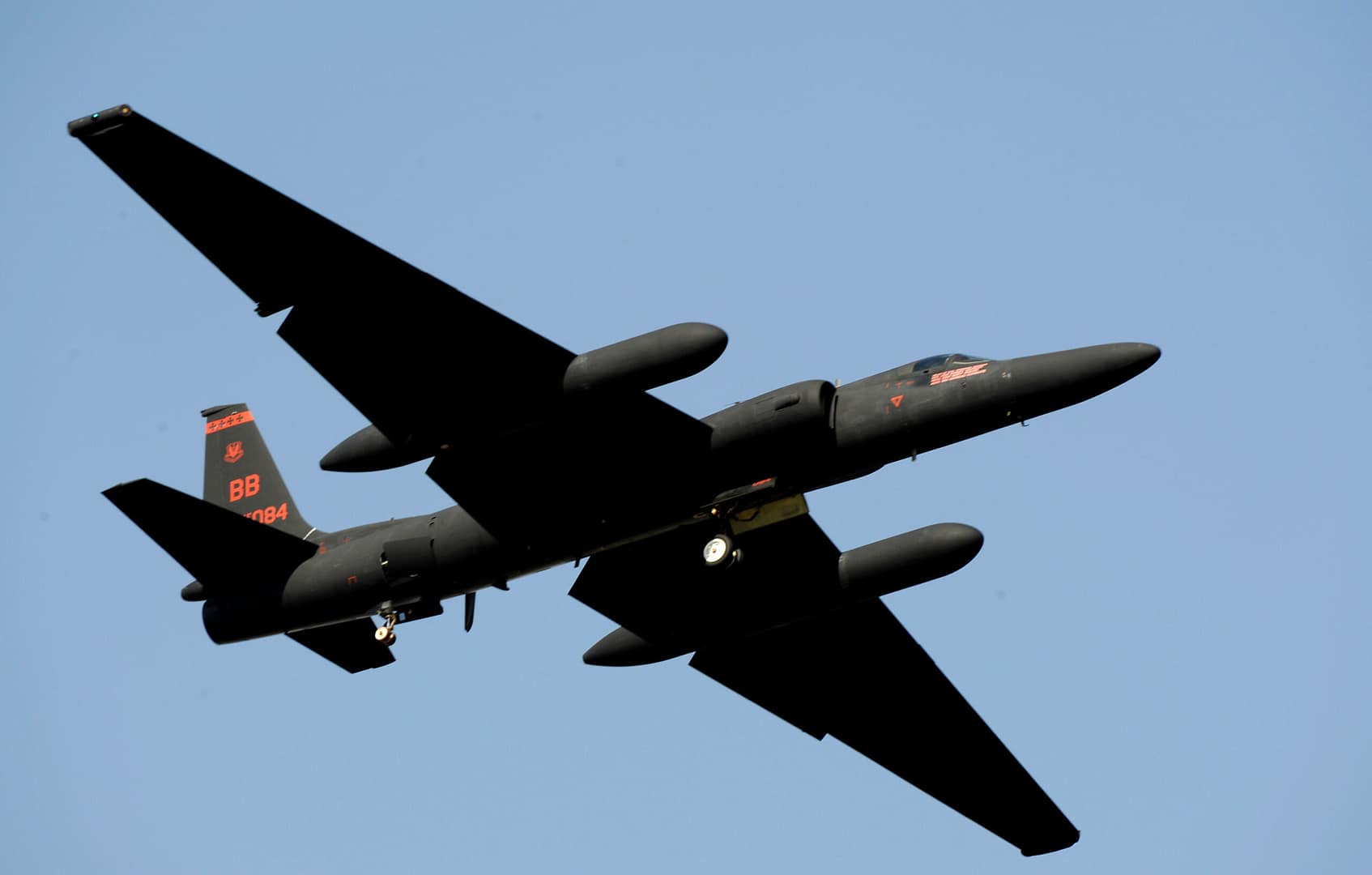
Two hours into a surveillance mission over Afghanistan, Lt. Col. Kevin Henry felt it begin. A tingling in his joints. A creeping confusion behind his eyes. Then the nausea hit — sudden, violent, disorienting. At 70,000 feet in a Lockheed U-2 Dragon Lady, the nitrogen dissolved in his blood was doing what physics demanded: forming bubbles. Inside his brain.
Within minutes, Henry could not remember how to fly his airplane. He forgot which instruments to read. He forgot which way to turn. He was alone in a single-seat aircraft at the edge of space, flying through the thinnest margin of survivable airspeed in all of aviation, and his brain was being consumed by the same phenomenon that kills deep-sea divers who surface too fast. At 70,000 feet, there is no surfacing. You are already at the top.
- Service ceiling: 70,000+ feet (21,000+ meters)
- Cockpit pressurization: Equivalent to ~29,000 feet (summit of Mt. Everest)
- Speed margin at altitude: As narrow as 6–10 knots between stall and Mach buffet
- Pilot suit: Full-pressure suit ($125,000+), similar to astronaut equipment
- Pre-flight oxygen: 100% O₂ for 1 hour before takeoff to purge nitrogen
- Severe DCS cases (2002–2009): 16 confirmed severe cases
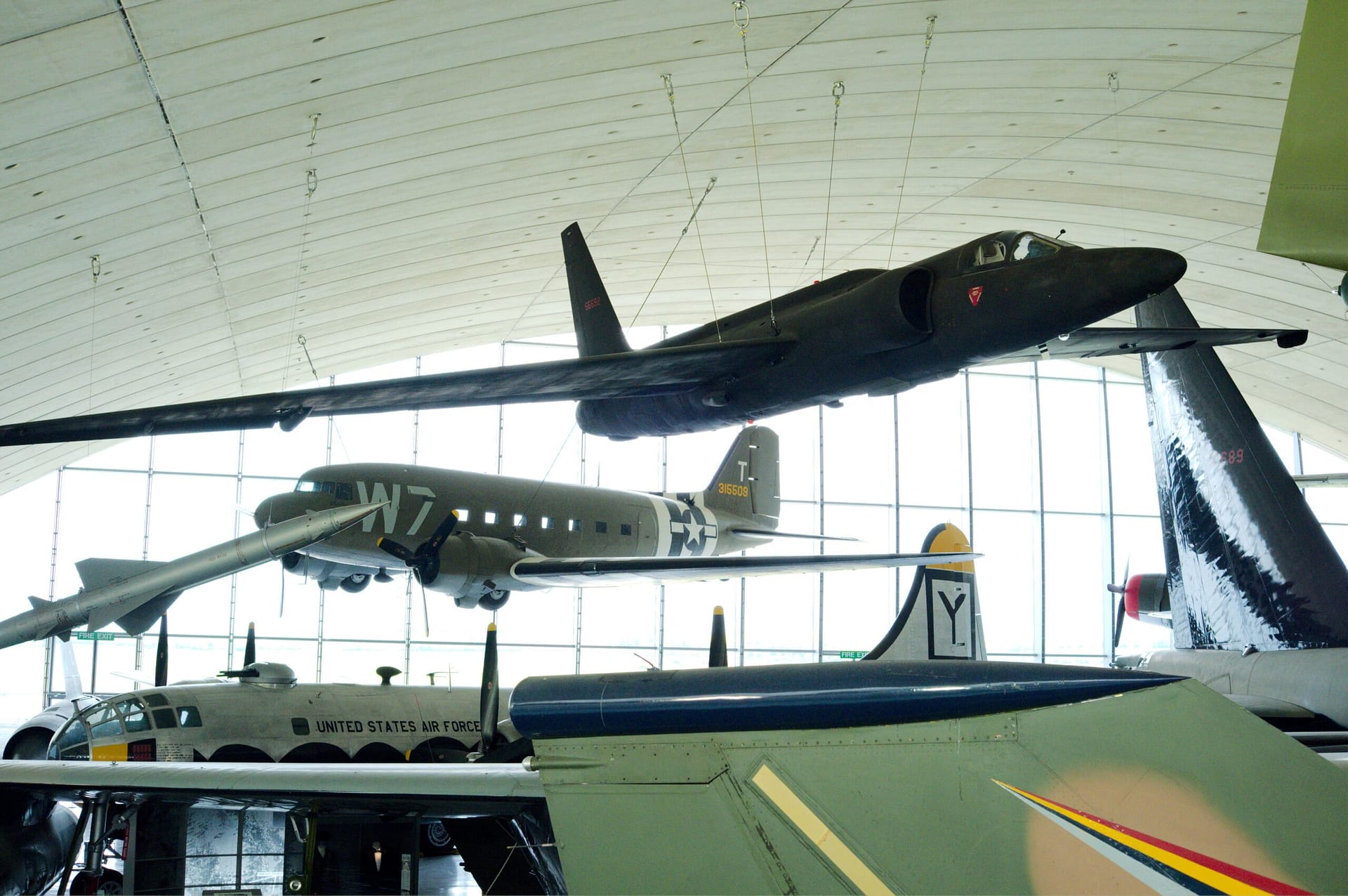
The Coffin Corner: Where Physics Turns Against You
To understand why decompression sickness is so dangerous in a U-2, you first have to understand where the U-2 flies. At 70,000 feet, the air is so thin that the difference between the aircraft's stall speed — the minimum speed at which the wings produce enough lift — and its critical Mach number — the maximum speed before the airframe breaks apart — can be as little as six knots. Pilots call this convergence the "coffin corner."
Fly six knots too slow, and the U-2 stalls. The nose drops. In the thin air, the aircraft accelerates rapidly. Fly six knots too fast, and you exceed the critical Mach number, triggering Mach tuck — an aerodynamic phenomenon where the nose pitches down uncontrollably, driving the aircraft past its structural limits. Either way, the aircraft comes apart. The U-2 pilot must hold the aircraft in this impossibly narrow band for missions lasting nine hours or more. And he must do it while his brain may be under chemical assault.
Boiling Blood at the Edge of Space
The U-2's cockpit is only partially pressurized. At typical mission altitudes, the cabin pressure is equivalent to approximately 29,000 feet — the summit of Mount Everest. At that pressure, nitrogen dissolved in the pilot's blood and tissues can come out of solution and form bubbles, exactly like opening a carbonated drink. This is decompression sickness — "the bends" — and it can strike without warning.
The bubbles can form in joints (causing agonizing pain), in the lungs (causing "the chokes"), or in the brain (causing neurological devastation). When nitrogen bubbles lodge in brain tissue, the results can include hallucinations, severe disorientation, memory loss, vision impairment, and loss of motor control. The pilot may not even realize something is wrong — the first symptom of cognitive impairment is often the inability to recognize that you are cognitively impaired.
Talked Down From the Edge: The Kevin Henry Incident
When Henry's cognitive functions collapsed over Afghanistan, his squadron commander, Lt. Col. Dave Russell, was woken at Beale Air Force Base in California. Russell recognized the symptoms over the data link and began talking Henry through every action — check this gauge, push this throttle, line up on the runway. Henry was so disoriented that he relied almost entirely on muscle memory, and Russell guided him, step by step, over the hours it took to get him down.
Henry landed the aircraft. He survived. But the nitrogen bubbles left permanent marks. Over the following three weeks, he suffered recurrent headaches, short-term memory loss, and what he described as "feeling in the fog." The nitrogen had taken a lasting toll on his brain: he was eventually grounded for good, left with permanent problems in short-term memory and reasoning.
A Growing Crisis: DCS in the Modern U-2 Fleet
Henry's case was not isolated. Between 2002 and 2009, the Air Force documented 16 confirmed cases of severe decompression sickness among U-2 pilots, five of which were classified as life-threatening. Nine of those pilots suffered long-lasting or permanent brain damage. Counterintuitively, DCS cases actually increased after the Cold War — the result of longer mission durations and higher operational tempos during the wars in Iraq and Afghanistan.
The U-2 community has responded with enhanced protocols. Pilots now pre-breathe 100% oxygen for at least one hour before flight to purge nitrogen from their bloodstream. They eat a carefully controlled diet to reduce gas in the intestinal tract. Their full-pressure suits — each costing approximately $125,000 — are essentially astronaut equipment, providing a final barrier against decompression. But none of these measures can eliminate the risk entirely. The physics of high altitude are relentless.
Still Flying: The Dragon Lady Endures
The U-2 has been in continuous service since 1956 — nearly seven decades. It has outlived every aircraft that was supposed to replace it, including the SR-71 Blackbird and multiple satellite programs. Today's U-2S variants fly reconnaissance missions worldwide, carrying sensors that can image vast swaths of territory from altitudes where the sky turns black and the curvature of the Earth becomes visible.
The pilots who fly them are among the most carefully selected and physically monitored aviators in the world. They wear spacesuits. They eat prescribed meals. They breathe pure oxygen for an hour before every flight. And they know that at 70,000 feet, in the coffin corner, with six knots between survival and destruction, the greatest threat may not come from enemy missiles or mechanical failure. It may come from inside their own bloodstream — tiny bubbles of nitrogen, invisible and relentless, hunting for the one organ they cannot afford to lose.
Killer at 70,000 Feet - Smithsonian Air & Space
Lockheed U-2 - Wikipedia
U-2 DCS Cases Increased After the Cold War - Aviation Geek Club
Severe Neurological Decompression Sickness in a U-2 Pilot - Aviation, Space, and Environmental Medicine
Altitude-Induced Decompression Sickness - FAA
Related Questions
What is the 'coffin corner' in aviation?
The coffin corner is the altitude where an aircraft's stall speed and its critical Mach number converge. At the U-2's ceiling above 70,000 feet, that gap can be as little as six knots: fly too slow and it stalls, too fast and Mach tuck pitches the nose down past structural limits. Either error can break the aircraft apart.
What is decompression sickness and why does it threaten U-2 pilots?
Decompression sickness, or 'the bends,' occurs when nitrogen dissolved in the blood forms bubbles as pressure drops. The U-2 cockpit is only pressurized to about 29,000 feet, so at altitude nitrogen can come out of solution in a pilot's tissues, lodging in the joints or, dangerously, the brain.
How high does the Lockheed U-2 fly?
The U-2 Dragon Lady has a service ceiling above 70,000 feet (over 21,000 meters), near the edge of space. At that altitude its cockpit is pressurized to roughly the equivalent of 29,000 feet, the summit of Mount Everest, which is why pilots face decompression risks.
Why do U-2 pilots wear pressure suits?
Because the U-2's cockpit is only partially pressurized and missions reach the edge of space, pilots wear full-pressure suits similar to astronaut equipment, costing over $125,000. They also breathe 100 percent oxygen for an hour before takeoff to purge nitrogen from the blood and reduce decompression sickness.
What happened to U-2 pilot Kevin Henry?
During a mission over Afghanistan, Lt. Col. Kevin Henry suffered severe decompression sickness as nitrogen bubbles affected his brain, and he forgot how to fly his aircraft. His squadron commander, Lt. Col. Dave Russell, recognized the symptoms over the data link from Beale Air Force Base in California and talked him through every action to get home.
What are the symptoms of brain decompression sickness?
When nitrogen bubbles lodge in brain tissue, symptoms can include hallucinations, severe disorientation, memory loss, vision impairment, and loss of motor control. A particularly dangerous feature is that the first symptom is often the inability to recognize that one is impaired.

0 Comments