
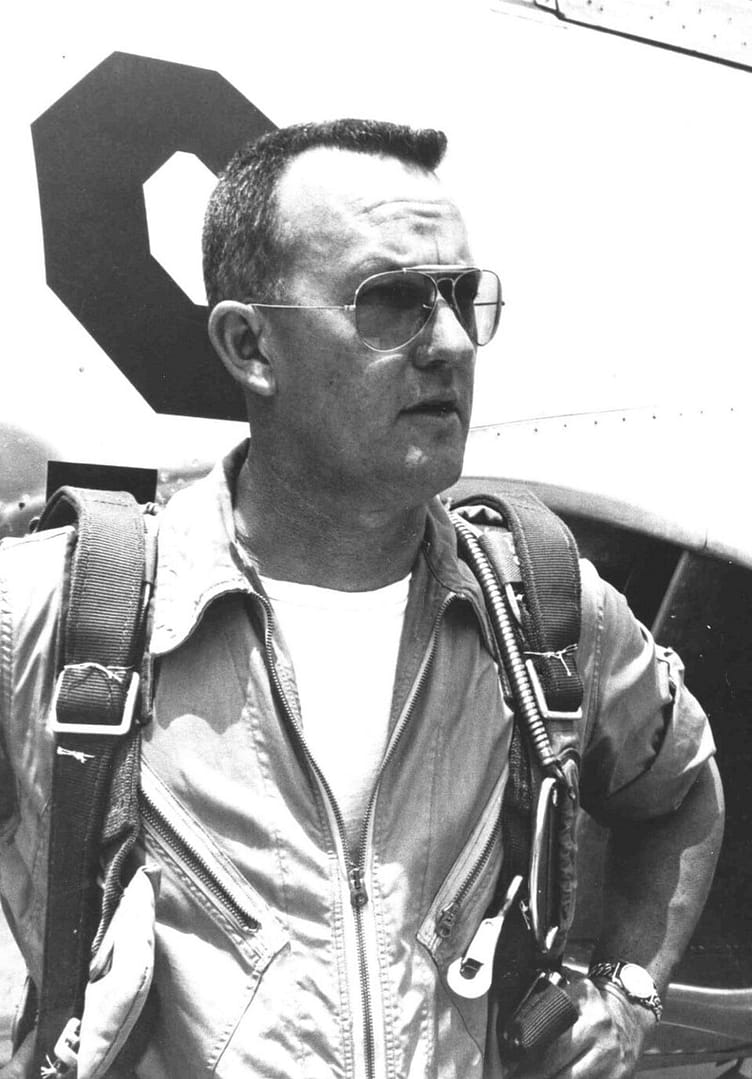
On 1 August 1955, Tony LeVier lifted a strange new Lockheed aircraft off a dry lake bed in the Nevada desert. The aircraft had impossibly long, narrow wings — like a powered glider — and was powered by a single jet engine. It climbed like nothing he had ever flown, reaching altitudes far above any operational military aircraft. He had been told to land it. He couldn’t. The U-2 spy plane, it turned out, had a significant flaw: at altitude, it refused to descend.
Quick Facts
| Nationality | American 🇺🇸 |
| Achievement | Chief test pilot, Lockheed Skunk Works; first flights of U-2, F-104 Starfighter, XF-90 |
| First Flights | U-2 (1955), F-104 Starfighter (1954), XF-90 jet interceptor (1949), XP-80A Shooting Star (1944) |
| Skunk Works | Lockheed’s legendary advanced development program, led by Kelly Johnson |
| Born / Died | 14 Feb 1913 – 6 Feb 1998 (age 84) |

LeVier had been Lockheed’s chief production test pilot since the 1940s, making first flights of aircraft that ranged from brilliant to borderline lethal. He flew the P-80 Shooting Star — America’s first operational jet fighter — when it was still a prototype. He flew the XF-90 experimental interceptor, which was structurally so stressed during testing that it was eventually used as a nuclear test target (it survived). He was chosen to fly the F-104 Starfighter because Kelly Johnson — Lockheed’s legendary aircraft designer — trusted him with anything.
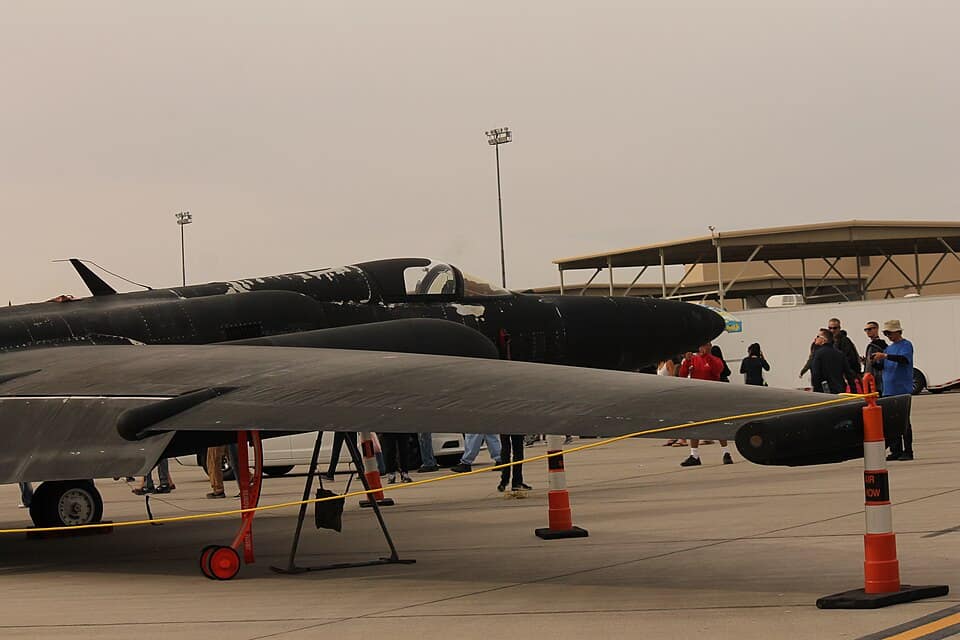
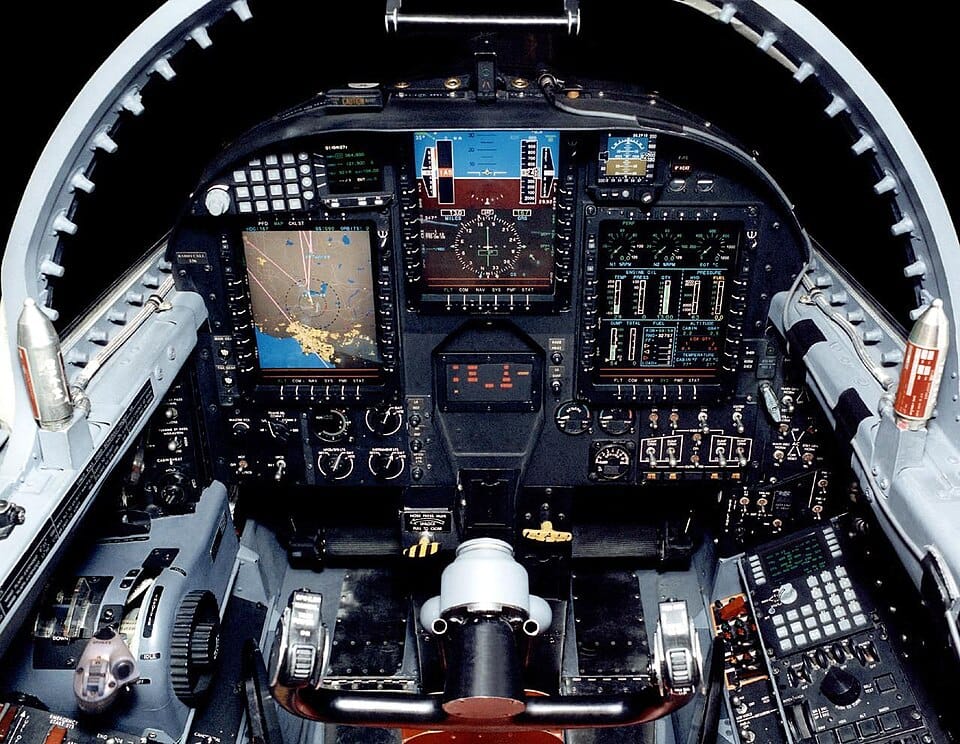
The U-2 first flight, on that Nevada dry lake bed in 1955, was conducted in complete secrecy at a facility the CIA called “The Ranch” — later known as Area 51. LeVier’s job was to fly it, evaluate it, and report back. What he discovered that first day was that the U-2’s extreme high-altitude performance made it almost impossible to control in descent — the wings produced so much lift at altitude that the aircraft floated indefinitely. He solved the problem by deploying the speed brakes and diving. The fix worked. The U-2 went on to become the most important reconnaissance aircraft of the Cold War.
Racing Legend
Before his Skunk Works career, LeVier was a celebrated air racer, winning the Greve Trophy in 1938 and twice finishing runner-up in the Thompson Trophy. He flew in an era when air racing was genuinely dangerous — pilots died regularly at the National Air Races — and his victories were as much about skill under pressure as they were about raw speed. That ability to perform at the absolute limit of human capability, under conditions designed to overwhelm, defined his entire career.
Every test flight was a negotiation between the pilot and the unknown — and LeVier built his career on being the better-prepared party.
The ethos of Tony LeVier, Lockheed Skunk Works chief test pilotLeVier died in 1998, eight days before his 85th birthday. He had seen aviation evolve from biplanes to spy planes capable of flying at 70,000 feet — and he had flown representative examples of nearly all of it. His name is less famous than those of the aircraft he first flew, but every pilot who has ever looked up at a U-2 or an F-104 and felt their pulse quicken owes something to the man who climbed in first when nobody knew if they would fly.
Related Questions
Who was Tony LeVier?
Tony LeVier (1913–1998) was a legendary American test pilot for Lockheed's Skunk Works. He made the first flights of several historic aircraft, including the U-2 spy plane in 1955 and the F-104 Starfighter in 1954.
What aircraft did Tony LeVier first fly?
He flew the maiden flights of the U-2 (1955), the F-104 Starfighter (1954), the XF-90 jet interceptor (1949) and the XP-80A early Shooting Star (1944). Few test pilots have first-flown so many influential aircraft.
What was the Skunk Works?
The Skunk Works was Lockheed's secretive advanced-development division, led by the famed engineer Kelly Johnson. It produced groundbreaking aircraft like the U-2 and later the SR-71, and Tony LeVier was its chief test pilot for many of those early projects.
Did Tony LeVier fly the U-2 spy plane first?
Yes. LeVier made the U-2's first flight in 1955. The high-altitude reconnaissance aircraft was so eager to fly that it lifted off unexpectedly during what was meant to be a high-speed taxi test — the start of one of the Cold War's most important spy planes.
When did Tony LeVier live?
Tony LeVier was born on 14 February 1913 and died on 6 February 1998, aged 84. Across his career he became one of the most accomplished test pilots in American aviation, central to Lockheed's most secret programmes.
0 Comments