
Combat record
Focke-Wulf Fw 190 — Combat Record
WWII · Germany · First flight 1939 · Retired · Combat-proven: air-to-air
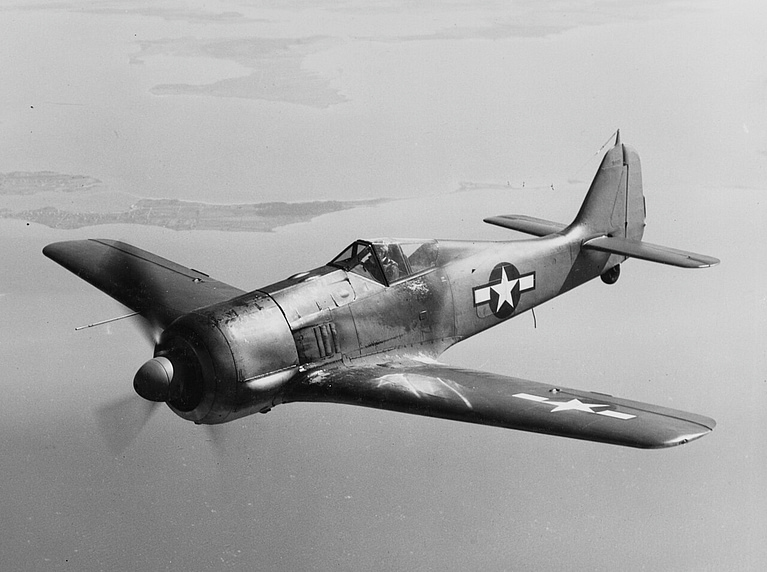
The story behind the numbers
When the Fw 190 appeared over France in September 1941 it outclassed the Spitfire Mk V in everything but turn radius — for nine months the ‘Butcher Bird’ imposed a technical superiority the RAF had never experienced. Faster, better-armed and more robust than the 109, it became the Luftwaffe’s workhorse: dogfighter, bomber-destroyer against the US heavies, and ground-attacker on the Eastern Front.
Its long-nosed D-9 variant of 1944 was a match for anything the Allies flew. Between six and sixteen thousand victories are attributed to the type — the wide range reflects how completely fighter and attack roles blurred late in the war. Otto Kittel, the top Fw 190 ace, scored 267 kills; the top thirty 190 pilots alone accounted for several thousand.
Campaign by campaign
| Years | Campaign | Operator | Victories | A2A losses | What happened |
|---|---|---|---|---|---|
| 1941–43 | Channel Front | Germany (JG 2 / JG 26) | ~1,000 | ~400 | Made the Spitfire V obsolete overnight. |
| 1942–45 | Eastern Front | Germany (JG 51 / 54) | ~8,000 claims | ~2,500 | Otto Kittel scored 228 of his 267 in it. |
| 1943–45 | Reich / Normandy | Duitsland | ~3,000 | ~3,000 | 144 lost in one morning during Operation Bodenplatte. |
Go deeper