
Kawasaki Ki-10
The Imperial Japanese Army’s last biplane fighter — a sleek, liquid-cooled and superbly agile machine that won a 1935 fly-off against a monoplane rival, then fought in China and over Nomonhan just as the monoplane age arrived.
A História
The Kawasaki Ki-10: the Imperial Japanese Army’s last biplane fighter
The Kawasaki Ki-10 — given the Allied reporting name “Perry” — holds a particular place in aviation history as the last biplane fighter adopted by the Imperial Japanese Army. Sleek, small and beautifully agile, powered by a liquid-cooled V-12 rather than the radial engines common on Japanese fighters, it was the standard Army fighter of the mid-1930s. It arrived at the very hinge of the biplane’s decline, and its short front-line career — combat over China from 1937 and against the Soviets at Nomonhan in 1939 — traces the exact moment when the nimble biplane finally gave way to the faster monoplane.
The Ki-10’s story really begins with a contest. In the early 1930s the Imperial Japanese Army wanted a new fighter, and it invited its two chief aircraft makers — Kawasaki and Nakajima — to compete. The choice they offered the Army was not merely between two aircraft but between two philosophies. Kawasaki proposed the Ki-10, a refined biplane that took the traditional configuration to a high pitch of perfection. Nakajima proposed the Ki-11, a modern low-wing monoplane, faster in a straight line and pointing to the future.
In the fly-off held around 1935, the Army chose the biplane. It was a decision that can look backward-looking in hindsight, but it made sense to the men who made it. Japanese Army fighter doctrine of the day prized manoeuvrability and the classic turning dogfight above outright speed, and in a close-in fight the lighter, more agile Ki-10 could out-turn the faster Nakajima monoplane. The Army trusted the dogfight it knew, and the Ki-10 won the order. It was a choice for agility over speed — and one the Army would soon have cause to reconsider.
“The Army chose the biplane — the agile Ki-10 out-turned its monoplane rival, and manoeuvrability won the day. Within four years, speed would have the last word.”— the Ki-10 and the 1935 fly-off, in a sentence
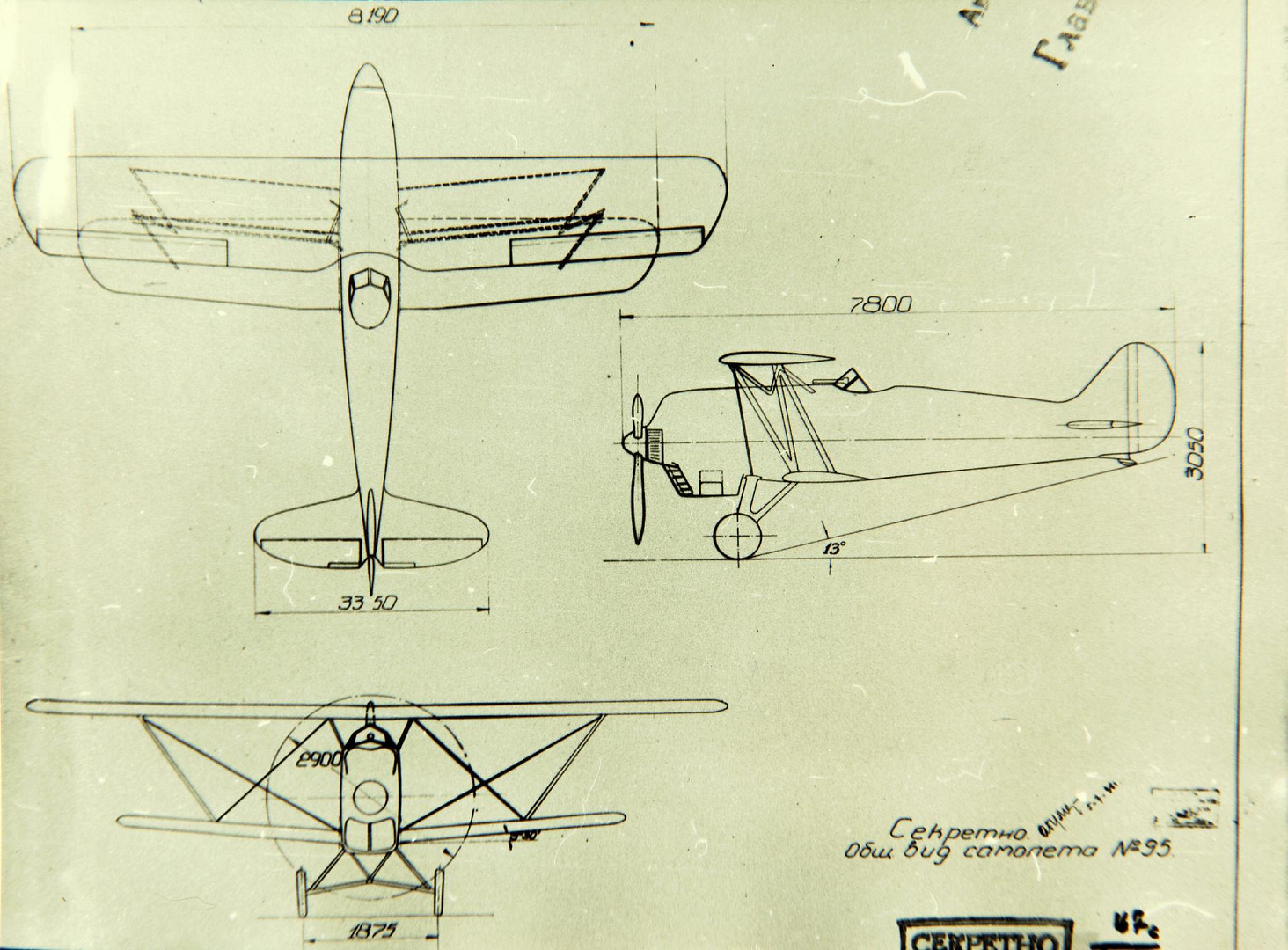
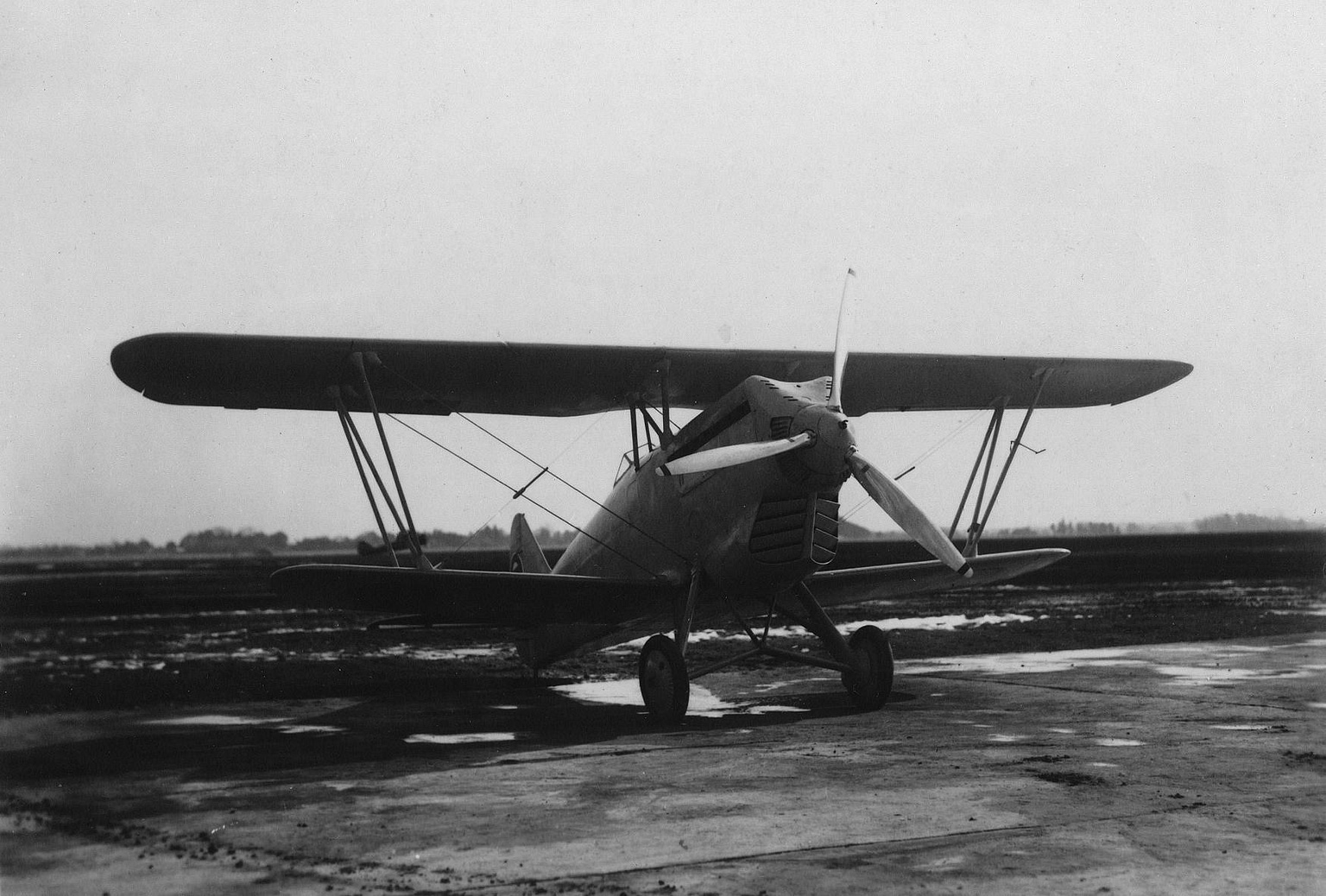
The Ki-10 was the work of the engineer Takeo Doi, Kawasaki’s chief designer, who had taken over the company’s design office after the departure of the German engineer Richard Vogt. Doi would go on to design some of Japan’s most important Army fighters, and the Ki-10 was an early and accomplished expression of his skill. It was a clean, well-proportioned single-bay biplane, carefully streamlined, and it flew as beautifully as it looked — light on the controls, fast to roll and turn, and a delight in the hands of a good pilot.
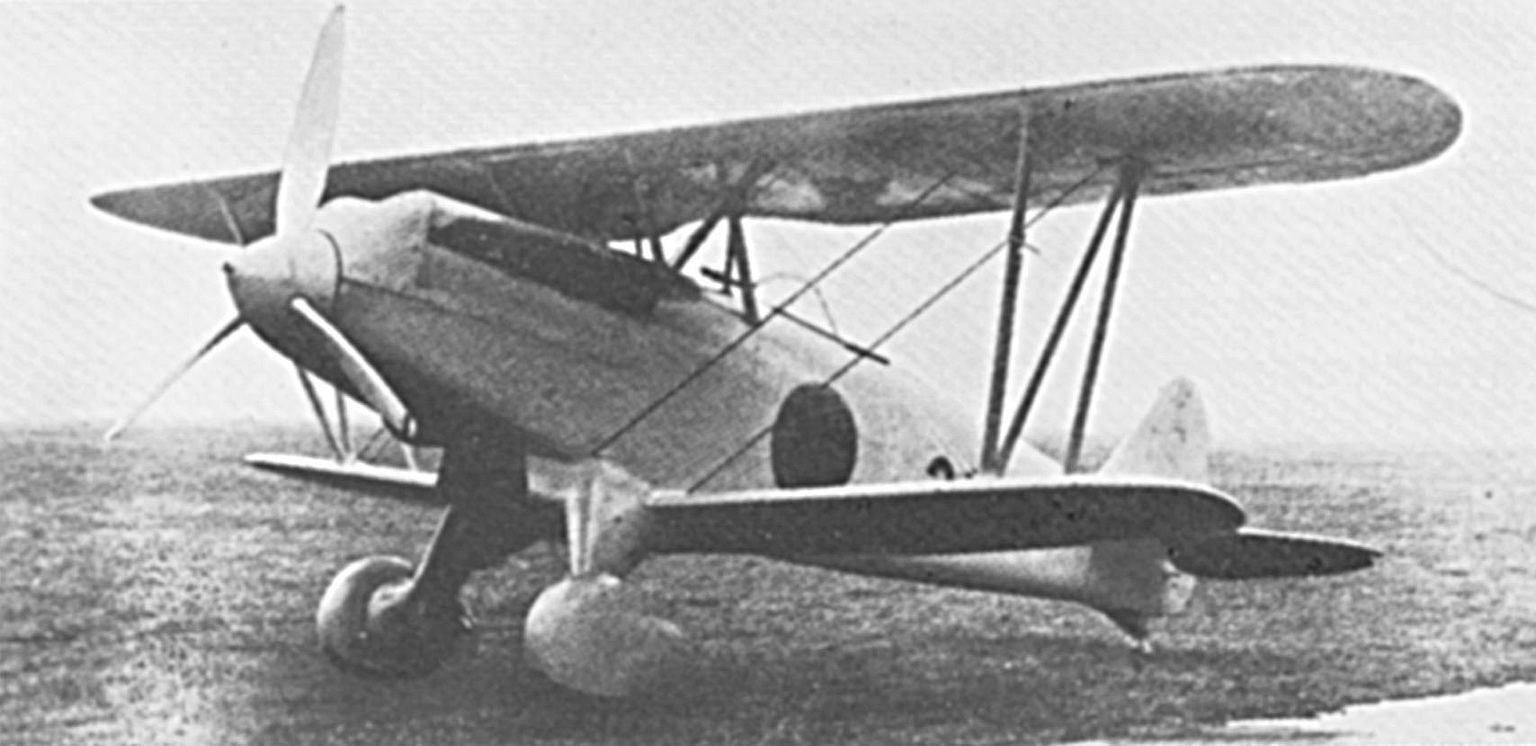
Its most distinctive feature was its engine. Where many contemporaries used air-cooled radials, the Ki-10 was powered by the Kawasaki Ha-9, a liquid-cooled V-12 developed from the German BMW VI, which Kawasaki built under licence. Kawasaki had long specialised in liquid-cooled inline engines, and this expertise gave the Ki-10 its slim, pointed nose and its clean lines — and would run, through Doi’s later work, all the way to the famous Ki-61 Hien of the Second World War. The Ha-9 gave the little fighter a top speed of around 400 km/h, competitive with the best fighters of the mid-1930s.
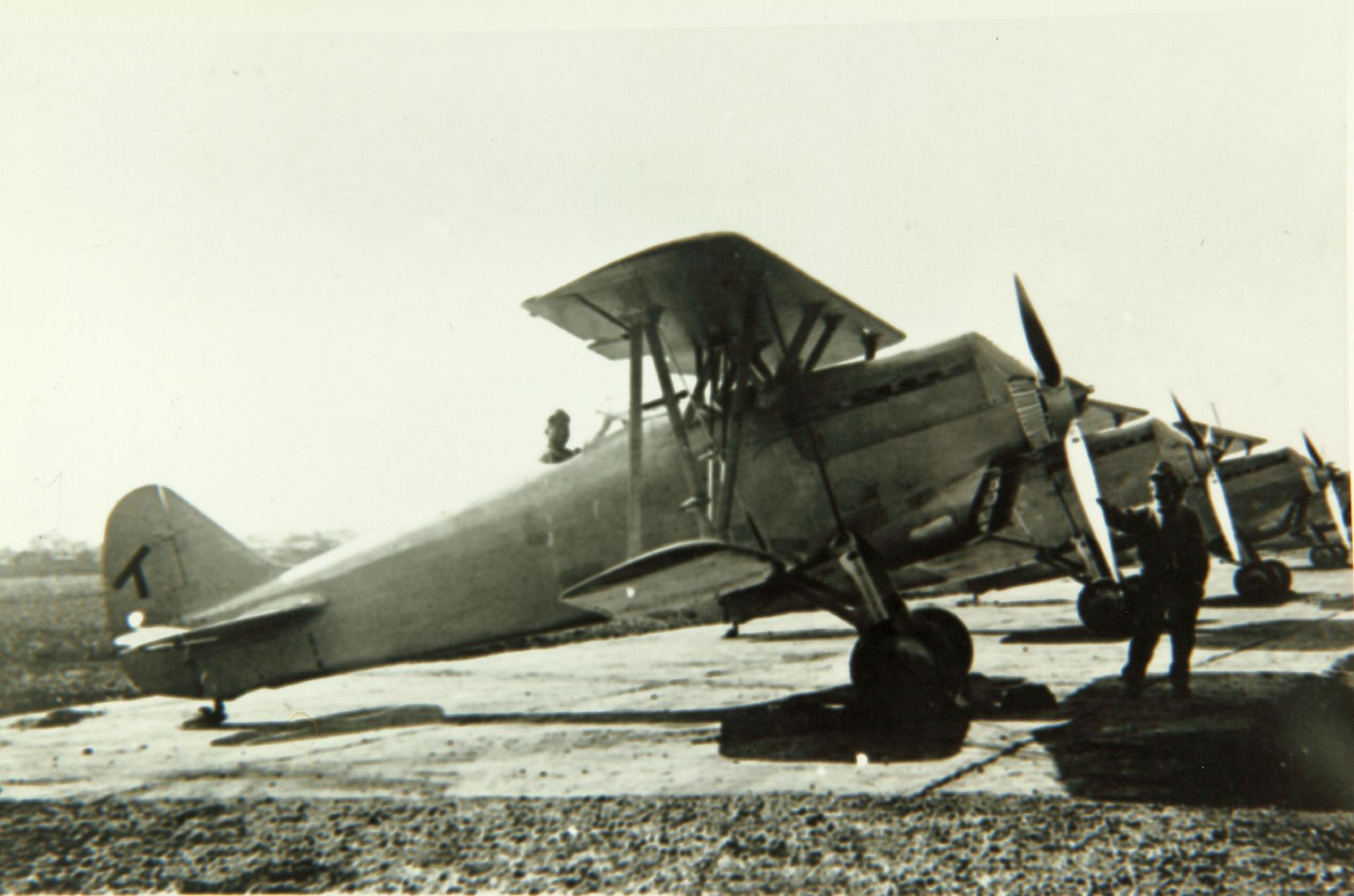
In its construction the Ki-10 followed the practices Kawasaki had absorbed under Vogt and developed under Doi: a fuselage built up from welded steel tube, wings framed in metal and wood, and a covering of metal panels forward and fabric aft. It was a conventional single-bay biplane, but an unusually clean and carefully faired one, with the streamlined nose that the inline engine allowed and a neat, spatted or trousered undercarriage on some machines. Nothing about it was revolutionary; the excellence lay in the refinement, in the way a familiar formula was executed with real skill.
The Ki-10 entered service in 1935 and quickly became the standard fighter of the Imperial Japanese Army Air Service, equipping its fighter regiments as the front-line pursuit type. It was produced in two main versions. The first, the Ki-10-I, was built in the largest numbers; the improved Ki-10-II followed, with a lengthened fuselage and increased wingspan that improved stability and handling, along with other refinements. Across both versions, roughly 588 were built — a substantial production run that made the Ki-10 the mainstay Japanese Army fighter of the period.
The aircraft’s combat debut came with the outbreak of full-scale war between Japan and China in 1937. In the opening phase of the Second Sino-Japanese War, Ki-10s flew over China as the Army’s principal fighter, escorting bombers and contesting the skies with the mixed bag of aircraft flown by the Chinese air arm. In these early engagements the agile Ki-10 gave a good account of itself, and its manoeuvrability — the very quality for which the Army had chosen it — served its pilots well against the opposition they met.
Those who flew it remembered the Ki-10 with genuine affection. It was light on the controls, honest in its handling and forgiving of a pilot’s mistakes, yet responsive enough to reward a skilled hand in a dogfight. For a generation of Imperial Japanese Army fighter pilots it was the aircraft on which they learned their trade, and the tight, turning combat it was built for shaped the tactics and expectations they would carry into later, faster machines. In this sense the Ki-10’s influence outlived its front-line career, for better and, some would later argue, for worse.
But the aircraft that would expose the Ki-10’s limits was already in the air. The very type it had beaten in concept — the monoplane — was maturing fast. Nakajima had turned its monoplane thinking into the Ki-27, a light, fast, low-wing fighter that entered Army service in the late 1930s and rapidly began to replace the Ki-10. The biplane that had won the 1935 fly-off was, within a few short years, being superseded by exactly the kind of aircraft it had beaten.
The clearest demonstration of the biplane’s obsolescence came at Nomonhan — the fierce, undeclared border war fought between Japan and the Soviet Union in the summer of 1939 along the Manchuria–Mongolia frontier, known to the Soviets as the battle of Khalkhin Gol. By then the Ki-10 was being replaced by the Ki-27 in the front line, but some still saw action, and the fighting pitted Japanese aircraft against modern Soviet monoplanes such as the Polikarpov I-16. Against these fast, cannon- and machine-gun-armed monoplanes, the elderly biplane was outclassed — too slow, and increasingly outgunned. Nomonhan drove home the lesson that speed and firepower, not turning agility alone, now decided air combat.
By the time Japan entered the wider Pacific War at the end of 1941, the Ki-10 had been almost entirely withdrawn from front-line fighter duties. It lingered in secondary roles — as an advanced trainer, a liaison and communications aircraft, and in other support tasks — where its docile, honest handling still made it useful. But as a combat fighter its day was over well before the great battles of the Pacific began. It had been a front-line type for only a handful of years, spanning precisely the transition from biplane to monoplane.
That timing is what makes the Ki-10 so historically interesting. It was not a failure — on the contrary, it was an excellent example of its kind, arguably one of the finest biplane fighters ever built, and it did its job well in its brief prime. But it had the misfortune to be a superb answer to a question that was rapidly becoming obsolete. The Ki-10 is the aircraft on which the Japanese Army learned, in combat, that the age of the biplane fighter was over — a lesson that would shape the monoplane fighters, including Doi’s own later designs, that Japan flew in the war to come.
Its place in the lineage of Japanese fighters is secure. As the Army’s last biplane fighter, it marks the end of one era; as the work of Takeo Doi and a showcase for Kawasaki’s liquid-cooled engine expertise, it points forward to the Ki-61 Hien and the inline-engined fighters of the Second World War. Few complete original Ki-10s are known to survive today — the type is extremely rare — but its significance as a milestone, the Imperial Japanese Army’s final and finest biplane fighter, is out of all proportion to the small number of years it spent in the front line.
01The Kawasaki Ki-10’s 1935 fly-off: biplane versus monoplane+
The Ki-10 was chosen through a direct competition against Nakajima’s Ki-11, a modern low-wing monoplane. The two aircraft embodied opposing visions of the fighter: Kawasaki’s refined biplane, prizing agility, versus Nakajima’s faster but less nimble monoplane, pointing to the future.
The Imperial Japanese Army chose the biplane. Its fighter doctrine of the mid-1930s valued manoeuvrability and the close-in turning dogfight above all, and the lighter Ki-10 could out-turn its rival. It was a defensible decision in 1935 — but within a few years the balance would swing decisively toward the speed and firepower of the monoplane, and the Army would adopt exactly the kind of aircraft it had passed over.
02Takeo Doi and Kawasaki’s design office+
The Ki-10 was designed by Takeo Doi, who had become Kawasaki’s chief designer after the German engineer Richard Vogt returned to Germany. Vogt had built up Kawasaki’s expertise in liquid-cooled inline engines and welded-steel construction, and Doi inherited and developed that tradition.
The Ki-10 was one of Doi’s first major successes. He would go on to design a string of important Imperial Japanese Army fighters, culminating in the liquid-cooled Ki-61 Hien of the Second World War — the only mass-produced Japanese fighter of the war with an inline engine. The Ki-10 stands at the start of that line, an early, accomplished expression of a design philosophy that ran right through Doi’s career.
03The Kawasaki Ha-9: a liquid-cooled, BMW-derived V-12+
Unusually for a Japanese fighter of its day, the Ki-10 used a liquid-cooled V-12 engine — the Kawasaki Ha-9 — rather than an air-cooled radial. The Ha-9 was developed from the German BMW VI, which Kawasaki manufactured under licence, and it reflected the company’s long specialisation in liquid-cooled inline engines.
This choice gave the Ki-10 its distinctive slim, pointed nose and its clean aerodynamic lines, and helped it reach a top speed of around 400 km/h — competitive with the best fighters of the mid-1930s. Kawasaki’s inline-engine expertise, embodied in the Ha-9, would carry forward through Doi’s later designs to the DB 601-derived engine of the wartime Ki-61 Hien.
04Why the Imperial Japanese Army still wanted a biplane in 1935+
By the mid-1930s the monoplane was clearly the coming thing, so why did the Japanese Army choose a biplane? The answer lies in doctrine. Army fighter tactics of the period revolved around the classic dogfight — tight turns, close-in manoeuvring and the ability to get onto an opponent’s tail. In that kind of fight, agility mattered more than top speed.
The biplane, with its greater wing area and lighter wing loading, could turn tighter and manoeuvre more nimbly than the early monoplanes, which were faster but less agile. To pilots and planners who valued the turning fight, the Ki-10’s manoeuvrability was decisive. It was a rational choice in 1935 — and the same preference for agility would echo, controversially, through later Japanese fighter design, where light weight and manoeuvrability were often favoured over armour and firepower.
05Ki-10-I and Ki-10-II: refining the design+
The Ki-10 was built in two main production versions. The first, the Ki-10-I, entered service from 1935 and was produced in the larger numbers. It established the type as the Army’s standard fighter and was the version that saw the opening combats over China.
The improved Ki-10-II followed, incorporating aerodynamic and structural refinements — most notably a lengthened fuselage and increased wingspan, which improved stability and handling, together with detail changes and additional fuel. The refinements made the -II a more polished and pleasant aircraft to fly. Between them, the two versions accounted for roughly 588 aircraft, a considerable run that kept the Ki-10 at the forefront of Army fighter strength through the mid-to-late 1930s.
06The Ki-10’s combat debut over China, 1937+
The Ki-10 first saw combat with the outbreak of full-scale war between Japan and China in 1937 — the start of the Second Sino-Japanese War. As the Imperial Japanese Army’s standard fighter, it flew over China escorting bombers and contesting airspace with the varied aircraft of the Chinese air arm.
In these early engagements the agile Ki-10 performed capably. Against the mixed opposition it met in the opening phase of the war, its manoeuvrability was a real asset, and its pilots were able to hold their own. This was the Ki-10 in its prime — a modern, front-line fighter doing the job it had been designed for. It would not remain unchallenged for long, but in 1937 it was still a genuinely effective combat aircraft.
07Nomonhan 1939: the biplane meets the modern monoplane+
The summer of 1939 brought the Nomonhan Incident — a fierce, undeclared border war between Japan and the Soviet Union along the Manchuria–Mongolia frontier, called the battle of Khalkhin Gol by the Soviets. By this time the Ki-10 was being replaced in the front line by the monoplane Ki-27, but examples still saw action.
At Nomonhan the fighting pitted Japanese aircraft against modern Soviet monoplanes, notably the Polikarpov I-16. Against these fast, well-armed machines the elderly Ki-10 biplane was outclassed — it lacked the speed and firepower to compete on equal terms. Nomonhan was a hard, practical demonstration that the era in which turning agility alone could win air combat had passed, and that speed and firepower now ruled. It confirmed the wisdom of the Army’s move to the monoplane.
08Replaced by the Nakajima Ki-27+
The aircraft that superseded the Ki-10 was, fittingly, a monoplane — the Nakajima Ki-27, known to the Allies as “Nate.” A light, fast, low-wing monoplane, the Ki-27 entered Imperial Japanese Army service in the late 1930s and rapidly replaced the Ki-10 as the standard front-line fighter.
There is a neat irony here. In 1935 the Army had chosen Kawasaki’s biplane over Nakajima’s monoplane proposal; just a few years later, it embraced a Nakajima monoplane after all. The Ki-27 kept the light weight and manoeuvrability the Army loved but added the speed of the monoplane configuration — and it, in turn, would lead to the famous Ki-43 Hayabusa of the Pacific War. The Ki-10 had been the last of its line; the Ki-27 was the first of the next.
09The Imperial Japanese Army’s last biplane fighter+
The Ki-10 is remembered above all as the last biplane fighter adopted by the Imperial Japanese Army. After it, every new Army fighter would be a monoplane. That gives the aircraft a clear and important place in the story of Japanese military aviation: it marks the end of the biplane era and the threshold of the monoplane age.
It was a worthy end to the line. The Ki-10 was arguably one of the finest biplane fighters ever produced — clean, fast for its type, and superbly agile. That such an accomplished aircraft was so quickly overtaken says less about the Ki-10 than about the extraordinary speed of aeronautical progress in the 1930s, when the fighter was transformed within a single decade from the fabric-and-wire biplane to the modern all-metal monoplane.
10Second-line service and the Ki-10’s decline+
Once the monoplane Ki-27 had taken over front-line fighter duties, the Ki-10 was progressively relegated to secondary roles. By the time Japan entered the wider Pacific War at the end of 1941, it had been almost entirely withdrawn from combat units.
In its later years the type served as an advanced trainer, a liaison and communications aircraft and in other support tasks, where its docile, honest handling made it a useful mount for pilots moving up to faster machines. It was not a combat aircraft of the Pacific War. This quiet decline is typical of interwar fighters caught by the pace of change — a front-line career of only a few years, followed by a longer, humbler afterlife in the training and support roles that kept it flying a little while longer.
11Kawasaki’s inline-engine tradition: from Ki-10 to Ki-61+
The Ki-10 is a key early chapter in a distinctive Kawasaki tradition: the liquid-cooled, inline-engined fighter. While most Japanese manufacturers built their fighters around air-cooled radials, Kawasaki — drawing on the legacy of Richard Vogt and the licence-built BMW VI — specialised in slim, streamlined designs powered by inline V-12s.
That tradition ran from the Ha-9 of the Ki-10 through to the Ha-40, a licence-derived development of the German Daimler-Benz DB 601, which powered Takeo Doi’s wartime masterpiece, the Ki-61 Hien — the only mass-produced Japanese fighter of the Second World War with a liquid-cooled inline engine. Seen in this light, the Ki-10 is not just the Army’s last biplane but the ancestor of one of Japan’s most distinctive wartime fighters.
12The name “Perry” and the Ki-10’s rarity today+
The Allied reporting name “Perry” was assigned to the Ki-10 under the standardised system that gave Japanese aircraft short Western code-names — fighters received male names. By the time the system was in wide use, however, the Ki-10 was already obsolete and largely gone from combat, so the name is less familiar than those of later Japanese fighters.
Complete original Ki-10s are extremely rare today; unlike some contemporaries, no well-known airworthy or fully preserved original example is widely documented, and any surviving artefacts are scarce. This rarity is typical of interwar Japanese aircraft, few of which were preserved. It makes the Ki-10 something of a forgotten milestone — historically important as the Army’s last biplane fighter, yet seldom seen, which is part of why its story is worth telling in full.
Design & Engineering
How the Ki-10 was built: a liquid-cooled biplane tuned for agility
A clean single-bay biplane by Takeo Doi, built around Kawasaki’s liquid-cooled Ha-9 V-12 — light, streamlined and superbly manoeuvrable, refined from the Ki-10-I to the longer-span Ki-10-II.
Liquid-cooled V-12
The Kawasaki Ha-9, a BMW VI-derived inline V-12, gave the Ki-10 its slim, pointed nose, clean lines and a top speed near 400 km/h.
Built for the turn
A light, low-wing-loading biplane with generous wing area — chosen over a monoplane rival precisely because it could out-turn it in a dogfight.
Refined in service
The improved Ki-10-II gained a lengthened fuselage, increased wingspan and extra fuel, improving stability and handling over the earlier -I.
Especificações
Kawasaki Ki-10-II specifications: dimensions, performance and cost
| Tipo | Single-seat biplane fighter |
| Equipe | 1 (pilot) |
| Comprimento | ~7.55 m (24 ft 9 in) — approx. (Ki-10-II) |
| Envergadura | ~10.02 m (32 ft 10 in) — approx. (Ki-10-II) |
| Altura | ~3.0 m (9 ft 10 in) — approx. |
| Peso vazio | ~1,400 kg (~3,090 lb) — approx. |
| Loaded weight | ~1,650 kg (~3,640 lb) — approx. |
| Motor | 1 × Kawasaki Ha-9 liquid-cooled V-12, ~850 hp |
| Max speed | ~400 km/h (~250 mph) — approx. |
| Faixa | ~1,100 km (~680 miles) — approx. |
| Teto de serviço | ~10,000 m (~32,800 ft) — approx. |
| Armamento | 2 × 7.7 mm machine guns (synchronised) |
| First flight | 1935 (prototype) |
| Introduced | 1935 (Imperial Japanese Army) |
| Number built | ~588 (Ki-10-I and Ki-10-II) |
| Main variants | Ki-10-I; Ki-10-II (longer span & fuselage) |
| Operators | Japan (Imperial Japanese Army Air Service) |
| Unit cost | not reliably recorded (1930s procurement) |
| Cost per flight hour | not reliably recorded |
13The Ki-10 family: the -I and -II versions+
The Ki-10 was produced in two principal versions. The Ki-10-I was the initial production model, built from 1935 in the larger numbers; it was the version that first equipped the Army’s fighter regiments and saw the opening combats over China. The improved Ki-10-II introduced a lengthened fuselage and increased wingspan for better stability, along with detail refinements and extra fuel.
Together the two versions accounted for roughly 588 aircraft. There were also experimental and prototype developments exploring further aerodynamic refinement, but it was the Ki-10-I and Ki-10-II that made up the Army’s front-line biplane fighter strength through the second half of the 1930s.
14The Kawasaki Ki-10’s cost: what the records show+
As with most military aircraft of the 1930s — and Japanese types in particular, for which detailed procurement records are patchy — there is no reliable, transparent public figure for the Ki-10’s unit cost, cost per flight hour or total programme cost. It was procured through Imperial Japanese Army contracts over several years, and consistent lifetime cost data does not survive in a usable form.
Rather than repeat an invented number, we list the cost fields here as “not reliably recorded.” What can be said is that the Ki-10 was a relatively simple, conventional biplane of welded-steel and fabric-and-metal construction, and as a home-built Kawasaki design it would have been economical to produce and maintain by the standards of the day.
15A milestone: the end of the biplane, the road to the Ki-61+
The Ki-10’s importance is twofold. Looking backward, it was the Imperial Japanese Army’s last biplane fighter — the final, refined expression of a configuration that had dominated fighter design since the First World War. Looking forward, it was an early success for Takeo Doi and a showcase for Kawasaki’s liquid-cooled inline engines.
That inline-engine tradition, running through the Ha-9 of the Ki-10, would culminate in the DB 601-derived engine of Doi’s wartime Ki-61 Hien — the only mass-produced Japanese fighter of the Second World War with a liquid-cooled engine. The Ki-10 thus sits at a genuine hinge point: the end of one age and a step toward one of Japan’s most distinctive fighters of the next.
16Survivors: an extremely rare aircraft+
The Ki-10 is extremely rare today. Like most interwar Japanese aircraft, very few were preserved, and no widely documented airworthy or fully complete original example is generally known. Any surviving parts or artefacts are scarce, and the type is far less represented in museums than its historical importance would merit.
This rarity is itself part of the story. Japanese aircraft of the 1930s were built for a service that would be swept up in a devastating war, and preservation was not a priority; a great many types have vanished entirely. The Ki-10’s near-absence from the world’s museums makes it something of a forgotten milestone — which is exactly why its history is worth setting down carefully and in full.
Timeline
The Kawasaki Ki-10 through the years
The Imperial Japanese Army invites Kawasaki and Nakajima to compete for its next fighter — a contest between biplane and monoplane.
Takeo Doi’s Ki-10 biplane flies, powered by the liquid-cooled Kawasaki Ha-9 V-12.
The Army chooses the agile Ki-10 biplane over Nakajima’s Ki-11 monoplane, prizing manoeuvrability, and puts it into service.
The initial version becomes the Army’s standard front-line fighter, equipping its fighter regiments.
With war between Japan and China, the Ki-10 sees its combat debut as the Army’s principal fighter over China.
A refined version with a longer fuselage and increased wingspan enters production, improving stability and handling.
Nakajima’s monoplane Ki-27 enters service and begins to replace the Ki-10 as the Army’s front-line fighter.
At Khalkhin Gol, the Ki-10 meets modern Soviet monoplanes such as the I-16 and is clearly outclassed.
By the start of the Pacific War the Ki-10 has left front-line service, continuing as a trainer and liaison aircraft.
Remembered as the Imperial Japanese Army’s final biplane fighter and an ancestor of Kawasaki’s inline-engined Ki-61.
Stories & Eyewitnesses
The Kawasaki Ki-10 in stories: the moments that defined it
A biplane that beat a monoplane, a liquid-cooled fighter tuned for the turn, blooded over China and outclassed at Nomonhan — the Ki-10’s history through the moments that stuck.
The Fly-Off
Biplane beats monoplane
1935: agility won the contest.
In the 1935 fly-off the agile Ki-10 biplane out-turned Nakajima’s faster Ki-11 monoplane, and the Army chose manoeuvrability.
A decision that made sense in 1935 — and would be overturned within four years.
The Designer
Takeo Doi’s work
An early success for a great designer.
The Ki-10 was designed by Takeo Doi, who led Kawasaki’s design office after Richard Vogt returned to Germany.
Doi’s line ran on to the famous wartime Ki-61 Hien.
The Engine
A liquid-cooled V-12
The BMW-derived Kawasaki Ha-9.
Unusually for a Japanese fighter, the Ki-10 used a liquid-cooled V-12 — the Ha-9, developed from the German BMW VI.
It gave the fighter its slim nose and clean lines.
Built to Turn
Superb agility
Light, nimble, a joy to fly.
Light and low in wing loading, the Ki-10 could turn tightly and manoeuvre nimbly — exactly the qualities Army doctrine prized.
One of the finest biplane fighters ever built.
Two Versions
Ki-10-I to -II
Refined in service.
The improved Ki-10-II gained a longer fuselage and increased wingspan for better stability, over the earlier Ki-10-I.
Together, around 588 were built.
China 1937
Combat debut
The Army’s fighter over China.
The Ki-10 first fought with the outbreak of war between Japan and China in 1937, as the Army’s principal fighter.
In its prime, it gave a good account of itself.
Nomonhan
Outclassed in 1939
Biplane meets the I-16.
At Khalkhin Gol in 1939 the ageing Ki-10 met modern Soviet monoplanes such as the Polikarpov I-16 and was outclassed.
A hard lesson: speed and firepower now ruled.
The Successor
Replaced by the Ki-27
A monoplane took over.
Nakajima’s monoplane Ki-27 “Nate” rapidly replaced the Ki-10 as the Army’s standard fighter.
The Army embraced the monoplane it had passed over in 1935.
End of an Era
The last Army biplane
No Army biplane fighter came after.
The Ki-10 was the last biplane fighter adopted by the Imperial Japanese Army — every fighter after it was a monoplane.
A worthy end to a long line.
Afterlife
Trainer and hack
A quiet second-line career.
Once superseded, the Ki-10 served as an advanced trainer and liaison aircraft, its docile handling still useful.
It was not a combat aircraft of the Pacific War.
The Lineage
Ancestor of the Ki-61
Kawasaki’s inline tradition.
Kawasaki’s liquid-cooled engine expertise, seen in the Ki-10’s Ha-9, ran on to the wartime Ki-61 Hien.
The last biplane pointed to a famous monoplane.
The Name
“Perry”
The Allied code-name.
The Allies code-named the Ki-10 “Perry,” under the system that gave Japanese fighters male names.
By then it was already obsolete, so the name is little known.
Rarity
Vanishingly scarce
A forgotten milestone.
Very few Ki-10s were preserved; no well-known complete original survives, making it a rarely-seen aircraft today.
Its importance far outweighs its visibility.
Photo Gallery
The Kawasaki Ki-10 in photographs
Archival and period photographs of the Kawasaki Ki-10, each credited to its source and licence. Click any photo to enlarge.

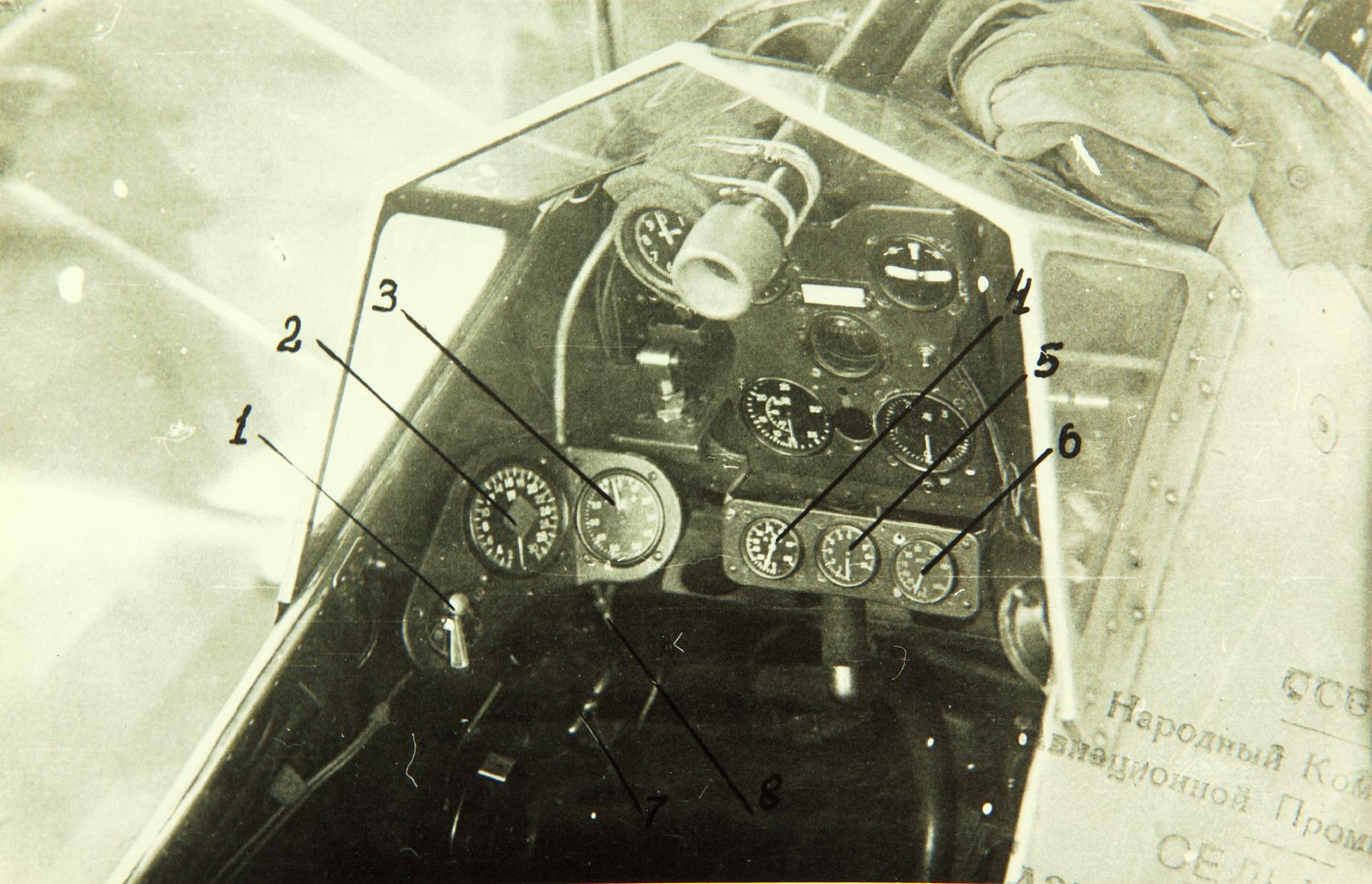
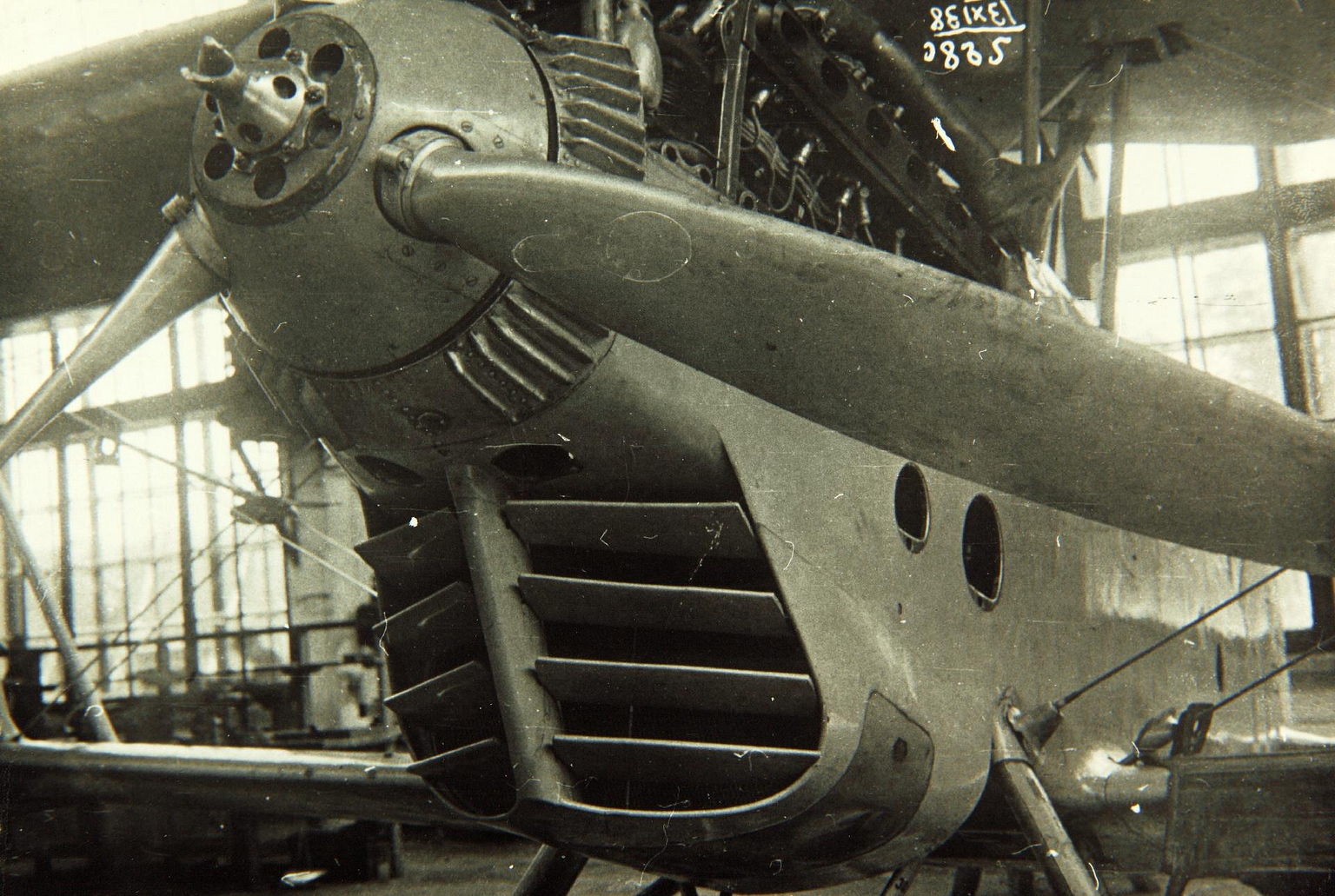
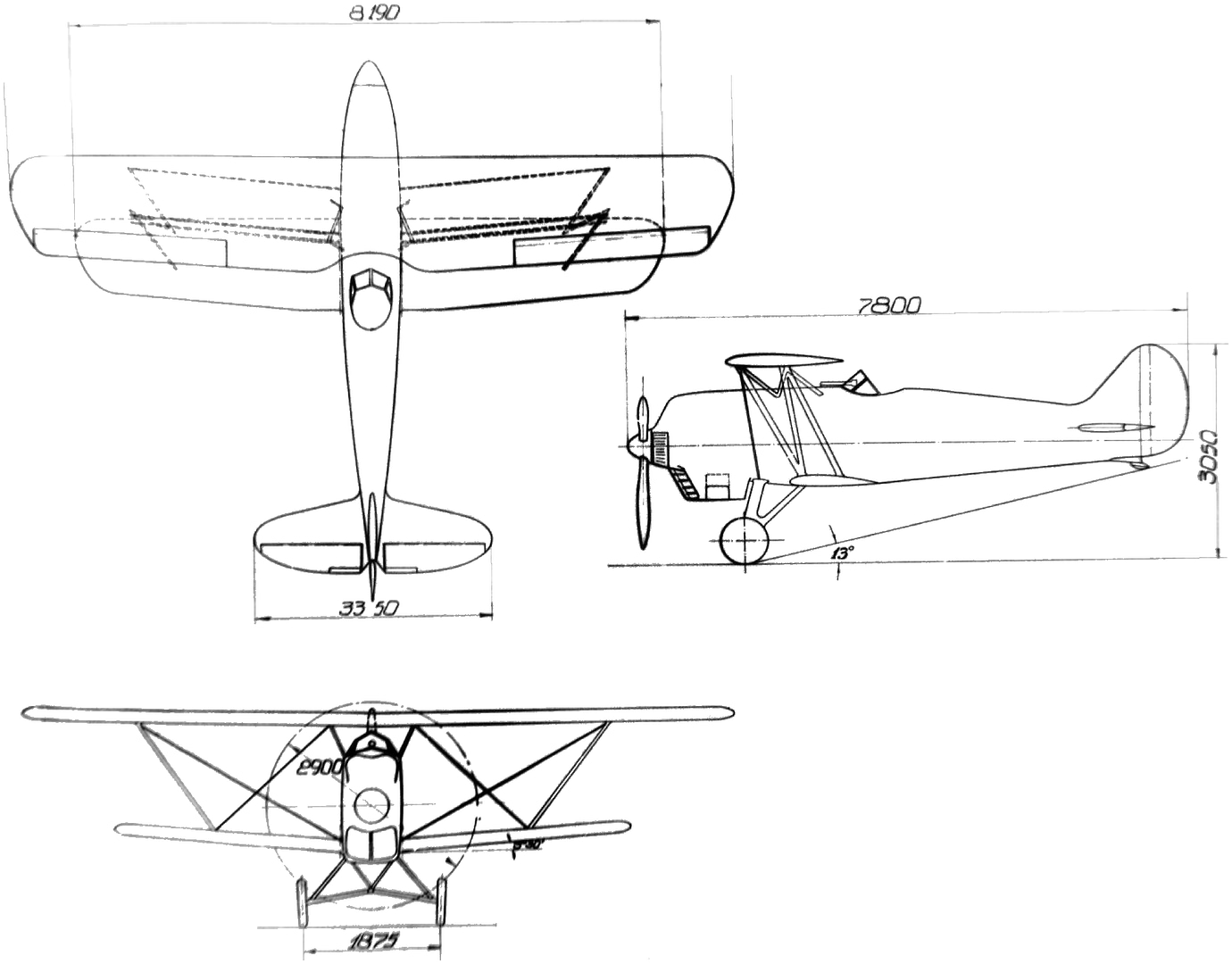
On Film
The Kawasaki Ki-10 on video: the Army’s last biplane fighter
A look at the Kawasaki Ki-10 — the sleek, liquid-cooled biplane that won a 1935 fly-off and became the Imperial Japanese Army’s last biplane fighter.
Genuine period film of the Kawasaki Ki-10 (and its monoplane successor, the Ki-27) in flight during mock-combat sequences. Source: proton45 on YouTube.
Operations Overview
Where the Kawasaki Ki-10 flew: an operator map
The Ki-10 was designed, built and flown by Japan alone, as the Imperial Japanese Army’s standard fighter of the mid-1930s. It saw combat over China and along the Manchuria–Mongolia border, but those were theatres of operation, not foreign operators — the aircraft was essentially a Japanese type only. This is therefore a single-country map. Hover or tap for detail.
Category: Design, Manufacture & Operator (Japan) — the Imperial Japanese Army designed, built and flew the Ki-10; there were no significant foreign operators. Combat over China and at Nomonhan represents where the type fought, not additional operator nations.
Service Record
The Ki-10’s record: a brief front-line prime
The Ki-10’s significance lies in its status as the Imperial Japanese Army’s last biplane fighter, its combat over China and Nomonhan, and its place at the transition to the monoplane.
Questions & Answers
Kawasaki Ki-10: your questions answered
Can I fly in a Kawasaki Ki-10?
No — there is no bookable Ki-10 flight experience, and MiGFlug does not offer one. The type retired before the Pacific War, and it is extremely rare today, with no widely known airworthy original survivor. If what you actually want is the real thing — strapping into a genuine military aircraft and flying it — you very much can do that today in other types. MiGFlug arranges flights in real fighter jets and warbirds around the world. Start here: migflug.com/flights-prices.
Why is the Kawasaki Ki-10 historically important?
The Ki-10 was the last biplane fighter adopted by the Imperial Japanese Army, and the standard Army fighter of the mid-1930s. It marks the end of the biplane era in Japanese fighter design and the threshold of the monoplane age. It was also an early success for the designer Takeo Doi and a showcase for Kawasaki’s liquid-cooled inline engines — a tradition that ran on to the famous wartime Ki-61 Hien.
Why did Japan choose a biplane over a monoplane in 1935?
In the 1935 fly-off the Ki-10 biplane competed against Nakajima’s Ki-11 monoplane. The Imperial Japanese Army chose the biplane because its fighter doctrine of the day prized manoeuvrability and the close-in turning dogfight above outright speed, and the lighter, more agile Ki-10 could out-turn the faster monoplane. It was a reasonable choice in 1935 — but within a few years speed and firepower would prove decisive, and the Army adopted a monoplane, the Ki-27, after all.
What engine did the Kawasaki Ki-10 use?
The Ki-10 was powered by the Kawasaki Ha-9, a liquid-cooled V-12 engine developed from the German BMW VI, which Kawasaki built under licence. This was unusual for a Japanese fighter of the era, most of which used air-cooled radials. The inline engine gave the Ki-10 its slim, pointed nose and clean lines, and a top speed of around 400 km/h. Kawasaki’s inline-engine expertise later led to the DB 601-derived engine of the wartime Ki-61 Hien.
Did the Kawasaki Ki-10 see combat?
Yes. The Ki-10 saw its combat debut over China with the outbreak of the Second Sino-Japanese War in 1937, serving as the Imperial Japanese Army’s principal fighter and performing capably against the opposition of the day. It also saw action at Nomonhan (Khalkhin Gol) in 1939 against the Soviet Union, by which time it was being replaced by the monoplane Ki-27 and was clearly outclassed by modern Soviet monoplanes such as the Polikarpov I-16.
How many Ki-10s were built, and do any survive?
Roughly 588 were built across the two main versions — the Ki-10-I and the improved Ki-10-II — making it the Army’s standard fighter of the mid-1930s. Survivors, however, are extremely rare. Like most interwar Japanese aircraft, very few were preserved, and no well-known airworthy or fully complete original example is widely documented today. It is a historically important but rarely-seen aircraft.
What replaced the Kawasaki Ki-10?
The Ki-10 was replaced by the Nakajima Ki-27 “Nate,” a light, fast, low-wing monoplane that entered Imperial Japanese Army service in the late 1930s. There is a certain irony in this: in 1935 the Army had chosen Kawasaki’s biplane over a Nakajima monoplane, only to adopt a Nakajima monoplane a few years later. The Ki-27, in turn, led to the Ki-43 Hayabusa of the Pacific War.
What does the name “Perry” mean?
“Perry” was the Allied reporting name for the Ki-10, assigned under the standardised system that gave Japanese aircraft short Western code-names — fighters received male names. Because the Ki-10 was already obsolete and largely out of front-line combat by the time the system was in wide use, the name is far less familiar than those of later Japanese fighters like the “Zero” or the “Oscar.”
Fly For Real
You can’t fly the Ki-10 — but these, you can
No Kawasaki Ki-10 is a bookable ride today. The urge behind it — to strap into a real aircraft and actually fly — is very much still bookable. MiGFlug puts you in genuine fighters and warbirds around the world.
Fighter Jet Flights
Take the controls of a real ex-military jet with an experienced pilot.
Warbird experiences
Fly in a genuine piston-engined warbird from the golden age of aviation.
All flights are operated by MiGFlug’s vetted partners with professional pilots. Browse every option and current pricing at migflug.com/flights-prices. MiGFlug does not operate Kawasaki Ki-10 flights — no bookable example exists.
Related Aircraft
If the Kawasaki Ki-10 interests you, explore these
Sources & Further Reading
Where this Kawasaki Ki-10 history comes from
Note on figures: dimensions, performance and production numbers for the Ki-10 vary between sources and by variant, and are hedged here as approximate; the figures given are broadly for the Ki-10-II. Cost fields are listed as not reliably recorded because trustworthy 1930s Japanese procurement cost data is not available. The Ki-10 was operated essentially only by Japan (the Imperial Japanese Army Air Service); combat over China and at Nomonhan represents theatres of operation, not foreign operators. The China and wartime context is treated here factually and with due care. Surviving original examples are extremely rare, and no widely documented airworthy original is known; claims of survivors are hedged accordingly.