
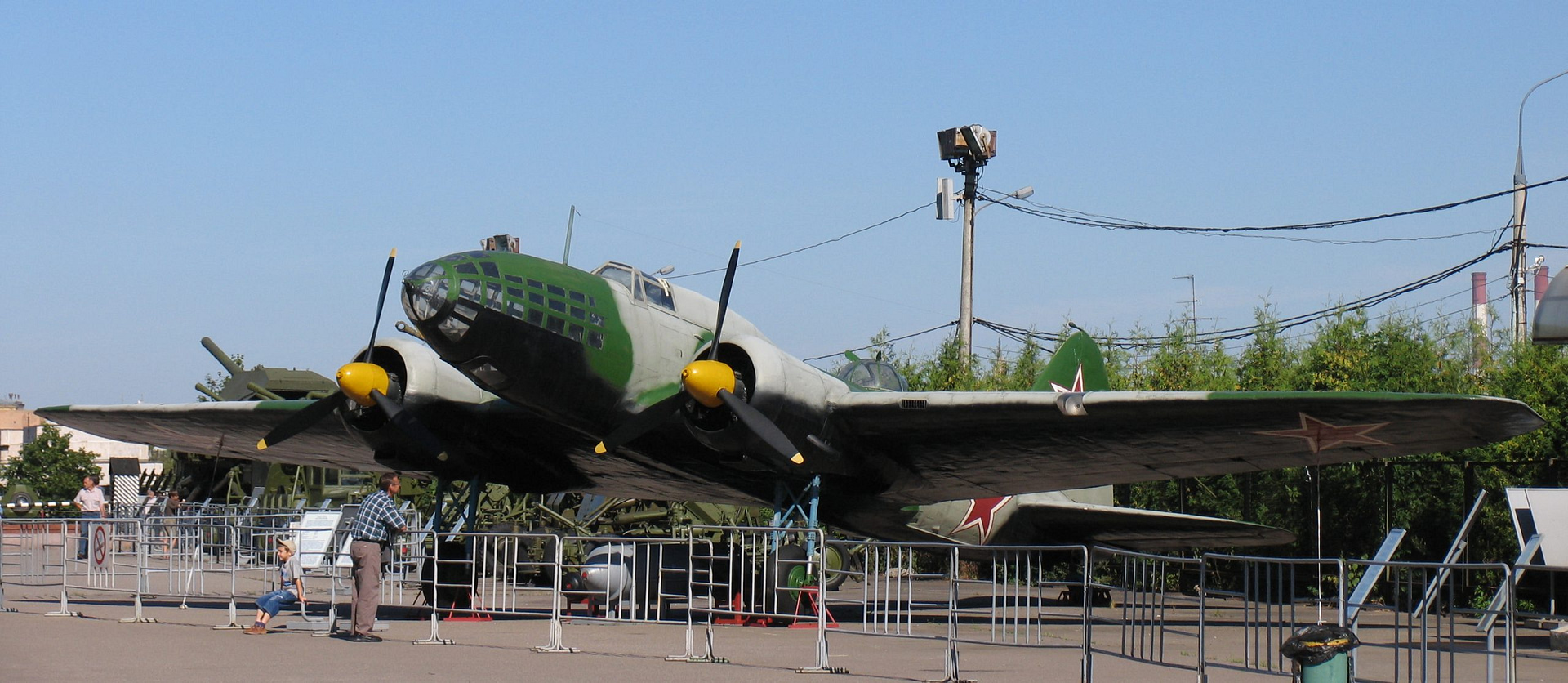
Ilyushin Il-4
“DB-3F”
The Soviet long-range bomber that carried the first Red-Army bombs to Berlin in August 1941 — a slab-sided, hard-flying workhorse that hauled the war deep behind German lines and struck enemy ships as a naval torpedo-bomber.
Ilyushin Il-4: the bomber that first struck Berlin
The Ilyushin Il-4 began life in the mid-1930s as the DB-3 — Dalniy Bombardirovshchik, “long-range bomber” — the first modern long-range bomber of Sergei Ilyushin’s design bureau. Sleek for its day, it set a series of long-distance records in the hands of test pilot Vladimir Kokkinaki, including celebrated 1938–39 flights in the specially prepared “Moskva.” But the DB-3 was also complex and costly to build, and by the end of the decade Ilyushin had reworked it into the simpler, more aerodynamic DB-3F, with a redesigned glazed nose and new engines. In 1942, under the Soviet system of naming aircraft after their designers, the DB-3F was redesignated the Il-4.
It was never a fast or comfortable aircraft. Powered by two Tumansky M-88B air-cooled radials of about 1,100 hp each, the Il-4 topped out around 410–430 km/h and was notoriously demanding to fly — heavy on the controls, directionally twitchy, and dangerous on one engine. Its defensive armament was light, usually just three machine guns, which left it desperately vulnerable to fighters by day. What it offered instead was reach: the ability to carry a useful bomb load far beyond the front line, and to loiter deep in enemy airspace at night.
That reach produced the Il-4 family’s most famous exploit. On the night of 7–8 August 1941, with the Wehrmacht driving toward Leningrad and Moscow, a handful of DB-3 bombers of the Soviet Baltic Fleet, led by Colonel Yevgeny Preobrazhensky, took off from a rough strip on the Estonian island of Saaremaa and bombed Berlin — the first Soviet bombs to fall on the German capital. The physical damage was slight, but at the lowest point of the war the propaganda value was immense: proof that the Soviet Union could still reach Hitler’s capital.
Through the rest of the war the Il-4 was a mainstay of Soviet Long-Range Aviation, flying night bombing missions across the Eastern Front, and of naval aviation, where the torpedo-carrying Il-4T attacked shipping and laid mines in the Baltic, Black Sea and far north. Slab-sided and unglamorous, it was built in large numbers — roughly 5,256 Il-4s, and over 6,700 counting all DB-3 variants — and soldiered on into the early 1950s. It remains one of the essential, if unloved, aircraft of the Soviet war effort.
01The Ilyushin Il-4’s first raid on Berlin: the Baltic Fleet’s answer in the summer of 1941
When Germany invaded in June 1941, Soviet cities were soon under German bombs and the front was collapsing. As a riposte, the Soviet high command ordered a symbolic strike on Berlin itself. The job fell to the naval aviators of the Baltic Fleet’s 1st Mine-Torpedo Aviation Regiment, flying DB-3 bombers (the immediate ancestor of the Il-4) from Kagul airfield on the island of Saaremaa — then almost the only Soviet-held ground within striking range of the German capital.
The raids were flown at the very edge of the aircraft’s range: a round trip of well over 1,500 km, mostly over the sea, at night, heavily loaded and lightly defended. The first mission on 7–8 August 1941 put a small number of bombers over Berlin; further raids followed through late August and early September, including larger efforts, until the Germans overran Estonia and took the island bases away. The tonnage dropped was tiny, but the message was not: several airmen, including Preobrazhensky, were made Heroes of the Soviet Union, and the raids became one of the enduring legends of the Il-4 family.
What makes the Ilyushin Il-4 special
From DB-3 to Il-4: an evolved long-range bomber
The Il-4 was not a new design but the mature form of the DB-3 of 1935. Ilyushin simplified the difficult, labour-intensive structure, fitted a cleaner fully-glazed nose and new engines to create the DB-3F, which was renamed Il-4 in 1942. The result was easier to mass-produce and had the long legs the Soviet Union’s bomber force badly needed.
Two Tumansky M-88B radials — range over speed
Power came from two Tumansky M-88B two-row radial engines of roughly 1,100 hp each. They gave the Il-4 impressive range but only modest speed, and the aircraft was underpowered and tricky if one failed. Endurance, not performance, was the whole point: the Il-4 was built to reach targets nothing else could.
Lightly armed and demanding to fly
The Il-4 carried only about three machine guns for defence and was hard work in the air — heavy-handling, directionally unstable and unforgiving. Vulnerable to fighters by day, it did most of its work at night. Crews respected its toughness and reach, but few called it pleasant to fly.
02The Ilyushin Il-4 as a torpedo-bomber: Soviet naval aviation’s long arm
Alongside its work as a land bomber, the Il-4 was the backbone of Soviet naval strike aviation. The torpedo-carrying Il-4T could sling a single large aerial torpedo of around 940 kg under the fuselage, or carry mines and bombs, and flew anti-shipping and mine-laying missions with the Baltic, Black Sea and Northern Fleets. Attacks were pressed home at low level against convoys and warships — dangerous work in an aircraft that was neither fast nor agile — and the type gave the Soviet navy a reach it otherwise lacked. It is telling that the very first Berlin raids were flown by naval torpedo-bomber crews.
03The Ilyushin Il-4’s reputation: a hard aircraft that crews still trusted
Pilots who flew the Il-4 remembered it as a handful. The controls were heavy, the aircraft wandered directionally, and an engine failure on take-off could be lethal; training losses were high. Yet it was also rugged, could absorb damage, and above all it could go the distance. For a bomber force that spent much of the war short of modern equipment, that combination of long range and durability mattered more than comfort or speed, and the Il-4 remained a front-line type from 1941 until the war’s end.
Ilyushin Il-4 full specifications
Airframe & Performance
- צוות
- 3–4 (pilot, navigator/bombardier, gunner/s)
- מֶשֶׁך
- 14.80 m
- מוּטַת כְּנָפַים
- 21.44 m
- גוֹבַה
- 4.10 m
- Max takeoff weight
- ~10,055 kg (up to ~12,120 kg overloaded)
- Max speed
- ~410–430 km/h at altitude
- מהירות שיוט
- ~340 km/h
- תקרת השירות
- ~9,700 m
- לָנוּעַ
- ~2,600 km (up to ~3,800 km ferry)
- Bomb load
- ~1,000 kg normal · up to ~2,500 kg
Propulsion & Systems
- Engines
- 2 × Tumansky M-88B radial
- Power (each)
- ~1,100 hp
- Defensive armament
- 3 machine guns (7.62 mm ShKAS; later 12.7 mm UBT)
- Torpedo (naval Il-4T)
- One ~940 kg aerial torpedo, or mines
- First flight
- DB-3: 1935 · DB-3F: 1939
- Redesignated Il-4
- 1942
- Built
- ~5,256 Il-4 (6,700+ incl. all DB-3 variants)
- Unit cost
- No reliable public figure (Soviet state product)
- Cost per flight hour
- No reliable public figure exists
04The Ilyushin Il-4’s cost: why no dollar price exists
The Il-4 was a wartime Soviet state product, built to plan and never sold on an open market, so a firm flyaway unit price simply does not exist in the public record — and no credible cost-per-flight-hour figure exists for the type either. Its cost was reckoned in rubles, labour-hours and scarce materials inside a command economy fighting for survival, not in dollars. Any precise price you see attached to an Il-4 today is, in practice, a modern estimate rather than a sourced historical figure.
From record-breaker to Berlin and beyond
The DB-3 flies
Ilyushin’s first long-range bomber, the DB-3, takes to the air — a modern, long-legged design for its day.
Record flights
Vladimir Kokkinaki sets long-distance records in specially prepared DB-3s, including the celebrated “Moskva” flights.
The DB-3F
A simplified, cleaner-nosed and re-engined version — the future Il-4 — enters production.
War in the east
Germany invades. DB-3F bombers equip Soviet Long-Range Aviation and naval torpedo regiments.
Berlin
Baltic Fleet DB-3s under Preobrazhensky bomb Berlin from Saaremaa — the first Soviet raid on the German capital.
Renamed Il-4
The DB-3F is redesignated Il-4 as the Soviet Union adopts designer-based aircraft names.
Mainstay of the long-range war
The Il-4 flies night bombing across the front and torpedo and mine-laying missions at sea until victory in 1945.
Retirement
Worn out and outdated in the jet age, the last Il-4s are withdrawn from Soviet service.
From the long-range war: twelve Il-4 stories
The long-range bomber
The DB-3 gave Ilyushin’s bureau its first modern long-range bomber.
Read the full story
Kokkinaki and the “Moskva”
Test pilot Vladimir Kokkinaki set long-distance records in specially prepared DB-3s.
Read the full story
Why the DB-3 became the Il-4
A cleaner nose, simpler structure and new engines turned the DB-3 into the DB-3F, then the Il-4.
Read the full story
The M-88 radials
Two Tumansky M-88B radials gave range, if not speed.
Read the full story
The first Soviet raid, August 1941
Baltic Fleet crews bombed Berlin from a small Estonian island at the edge of the aircraft’s range.
Read the full story
Made Heroes of the Soviet Union
The Berlin raid crews were honoured for a mission flown against the odds.
Read the full story
The torpedo-bomber
As the Il-4T, the aircraft became the Soviet navy’s main torpedo-bomber.
Read the full story
A creature of the dark
Vulnerable by day, the Il-4 did much of its bombing at night.
Read the full story
A demanding machine
Heavy controls and poor engine-out behaviour made the Il-4 hard to master.
Read the full story
Bringing crews home
For all its faults, the Il-4 could take punishment and keep flying.
Read the full story
Built in thousands
Around 5,256 Il-4s were produced, and over 6,700 counting all DB-3 variants.
Read the full story
The workhorse that reached Berlin
Unloved but essential, the Il-4 carried the Soviet war deep into enemy skies.
Read the full story
The Ilyushin Il-4 in pictures
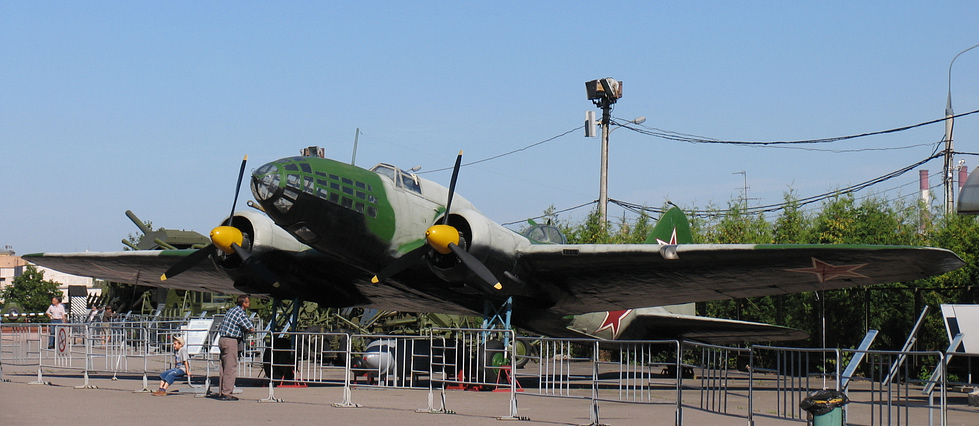
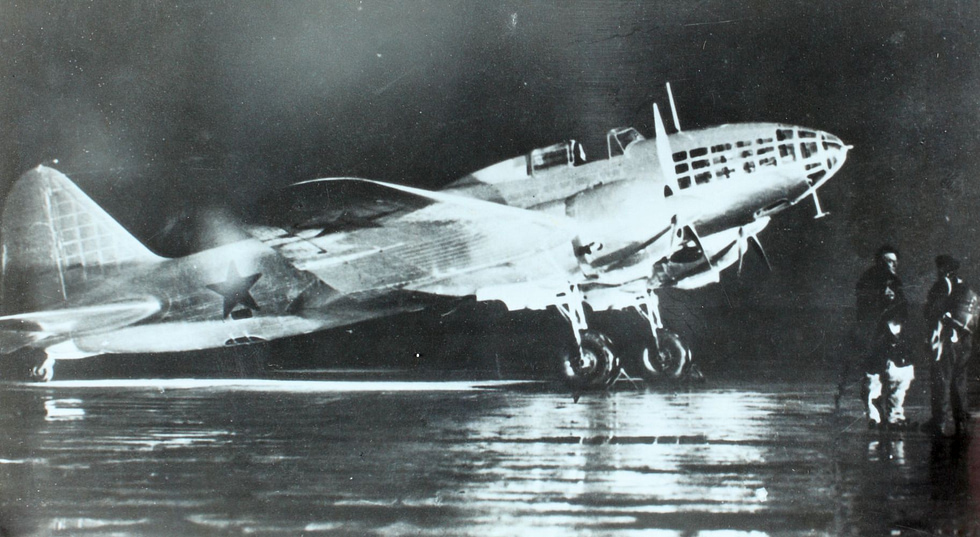
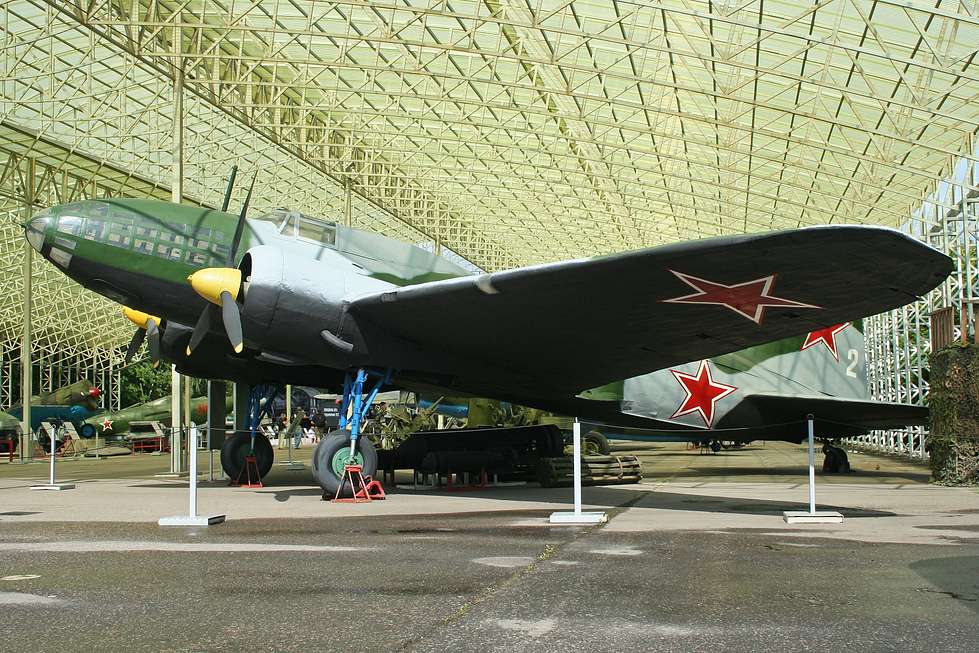
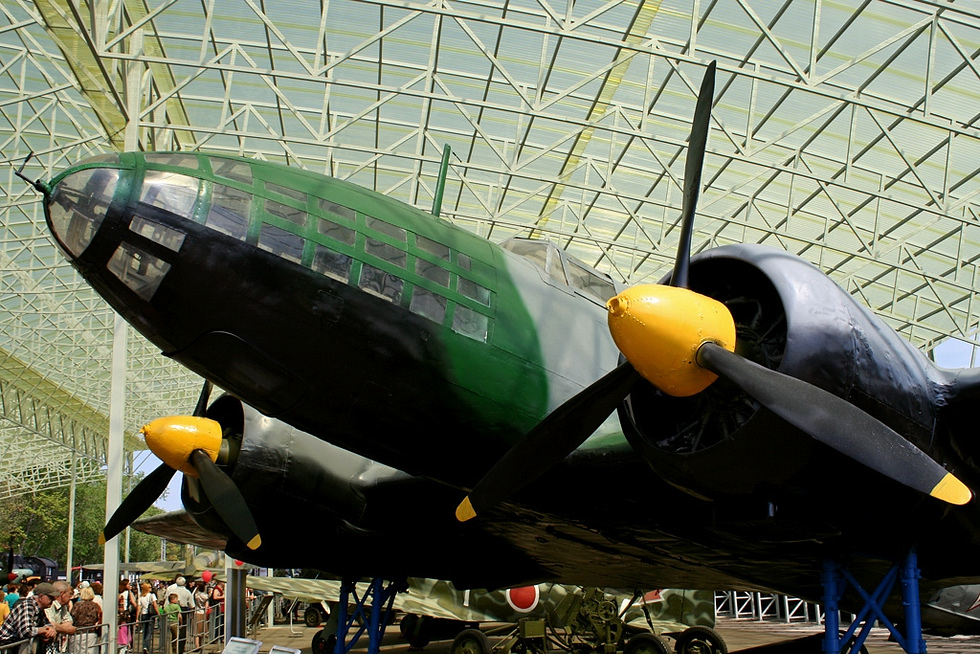
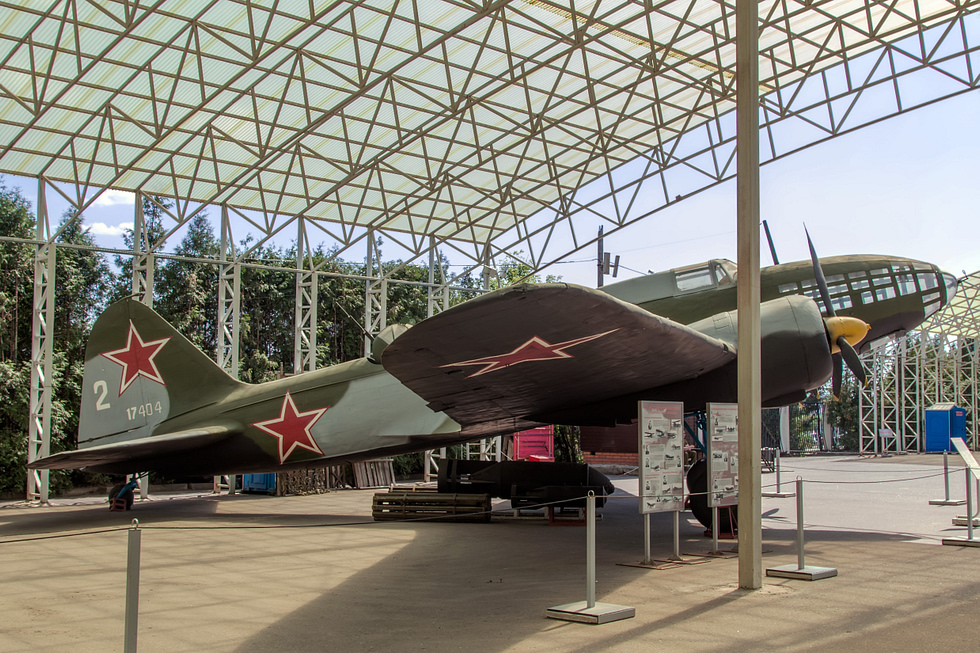
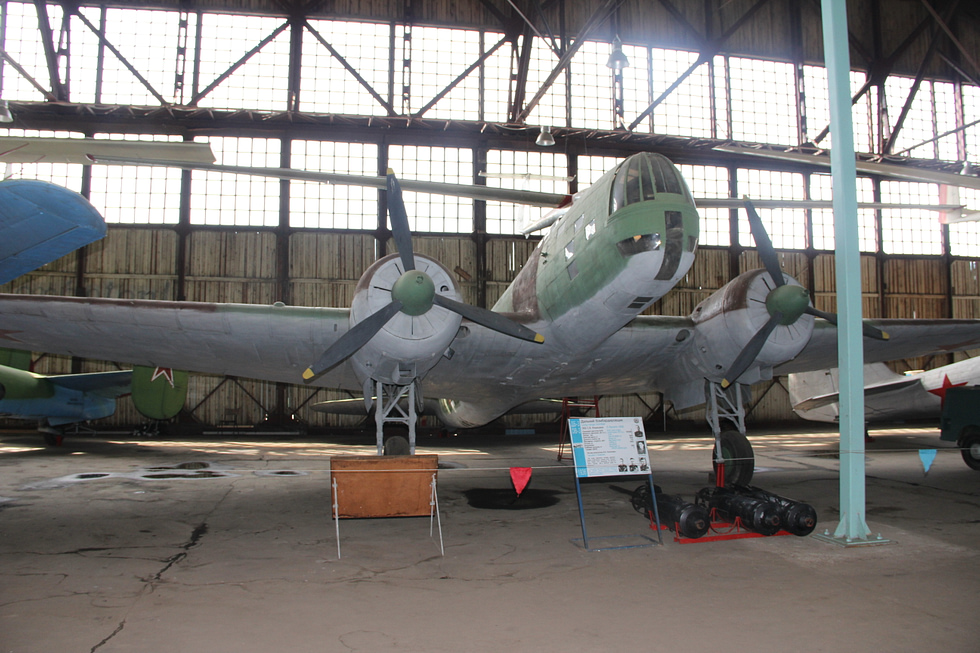
The Ilyushin Il-4 and its naval war
Naval History with Dr Alex: Ilyushin DB-3 & Il-4 — Great Patriotic War Soviet Torpedo Bombers (Key Aircraft Series). A historian’s deep-dive into the DB-3/Il-4 family and, above all, its work as the Soviet navy’s torpedo-bomber.
Where the Il-4 flew — and fought
Ilyushin Il-4: the combat record
The Il-4’s war was not written in dogfights but in distance. It was the aircraft that let the Soviet Union hit back beyond the front line — over Berlin in 1941, across the Eastern Front by night, and against enemy shipping as a naval torpedo-bomber — from the first summer of the war to the last.
Compare the combat record of every military aircraft. Figures as of August 2026.
Everything people ask about the Ilyushin Il-4
Can I fly in an Ilyushin Il-4?
Why is the Ilyushin Il-4 famous?
What is the difference between the DB-3 and the Il-4?
How many Il-4s were built?
What engines did the Il-4 use?
Was the Il-4 a torpedo-bomber?
Was the Il-4 difficult to fly?
Are any Il-4s left?
You can’t fly the Ilyushin Il-4.
These, you can.
Some legends only live in museums — others are fuelled and waiting. MiGFlug has put civilians in real military jet cockpits since 2004.
 Fly the L-39 AlbatrosThe world’s most-flown jet trainer — aerobatics included
 Fly the F-104 Starfighter“The missile with a man in it”
 Fly the MiG-21The Cold War’s most-produced jet
 טסו על ה-T-33 Shooting StarAmerica’s first jet trainer
 Fly the DH VampireA piece of early jet history
 Fly the S.211Agile Italian jet trainer
 Fly the MB-326The classic Aermacchi jet
 Fly the MiG-15The Soviet legend of the Korean War
Continue the tour
Every fact, checked
- Military Factory — Ilyushin Il-4 (DB-3F)Specifications, engines, armament and production figures used here.
- flugzeuginfo.net — Ilyushin Il-4 / DB-3 technical dataCross-check for dimensions, weights and performance.
- Military History Now — Target Berlin: the Forgotten Soviet Bomber RaidsThe August–September 1941 Berlin raids flown from Saaremaa.
- Warfare History Network — Soviet Navy Over BerlinThe Baltic Fleet naval-aviation raids and Preobrazhensky’s crews.
- The Aviationist — the 1941 Soviet Berlin raidContext and detail on the first Soviet strikes on the German capital.
- Weapons and Warfare — Ilyushin’s DB-3/Il-4 medium bomberDevelopment history from the DB-3 to the Il-4 and its service.
- Yefim Gordon & Dmitriy Komissarov — OKB Ilyushin: A History of the Design Bureau and its AircraftDetailed monograph on the DB-3/Il-4 design and variants.
- Imperial War MuseumsReference for the Eastern Front and the strategic-bombing context of 1941.