
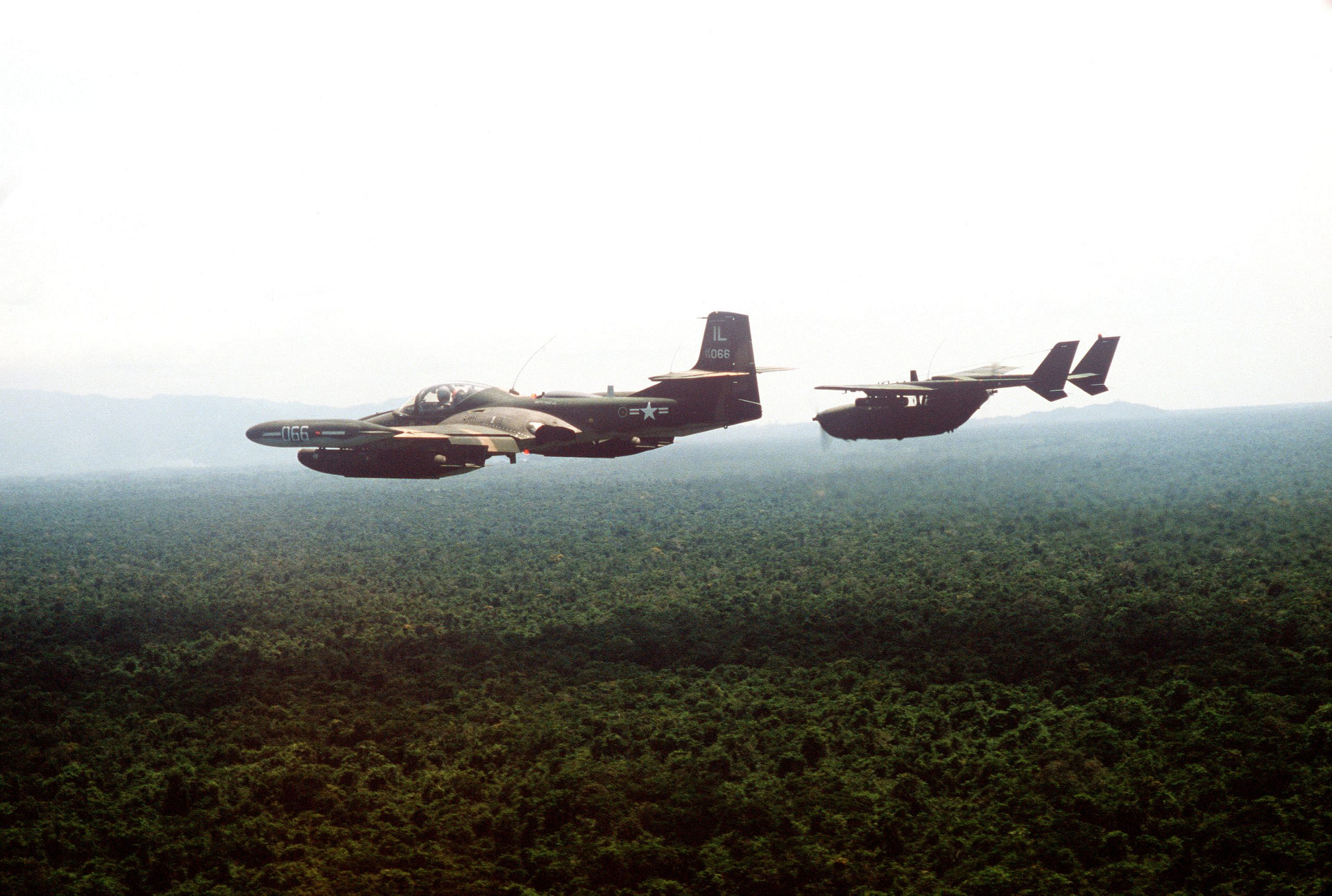
Cessna A-37 Dragonfly
“Super Tweet”
A jet trainer turned killer — the little twin-engined attacker that grew out of the T-37 “Tweet,” proved itself over Vietnam, and became Latin America’s favourite counter-insurgency aircraft for half a century.
The trainer that went to war
Most combat aircraft are designed to kill from the first sketch. The Cessna A-37 Dragonfly was not. It began life as the T-37 “Tweet,” the friendly side-by-side jet on which generations of US Air Force pilots learned to fly — a docile little trainer whose high-pitched engine whine gave it its name. When the counter-insurgency wars of the early 1960s created a sudden demand for a cheap, simple aircraft that could loiter over the jungle and hit small targets, the Air Force looked at the aeroplane it already had by the hundred and asked a blunt question: could the Tweet be taught to fight?
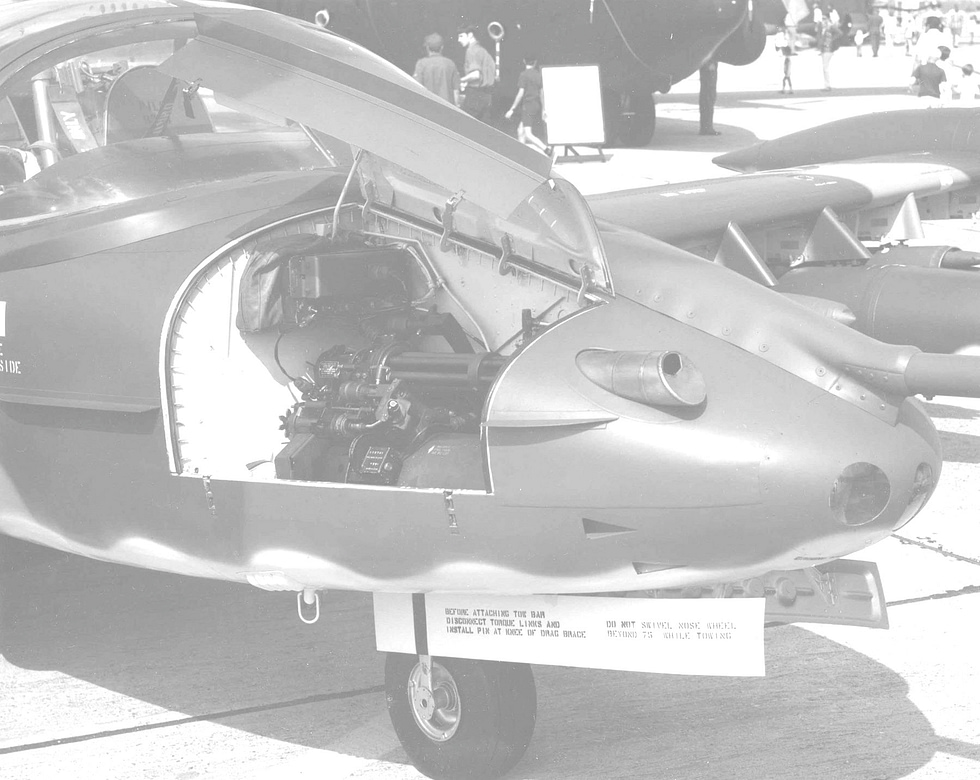
The answer, tested from 1963–64 with two rebuilt airframes designated YAT-37D, was yes — emphatically. Cessna roughly doubled the engine thrust, strengthened the wing, added six then eight underwing hardpoints, a nose-mounted 7.62 mm minigun, wingtip fuel tanks and armour, and turned a 3,000-kg trainer into a 6,000-kg attacker. Pilots called the result the “Super Tweet.” It kept the T-37’s honest handling and its two crew seats, but now it could carry a serious load of bombs, rockets and napalm and put them on target with unusual precision.
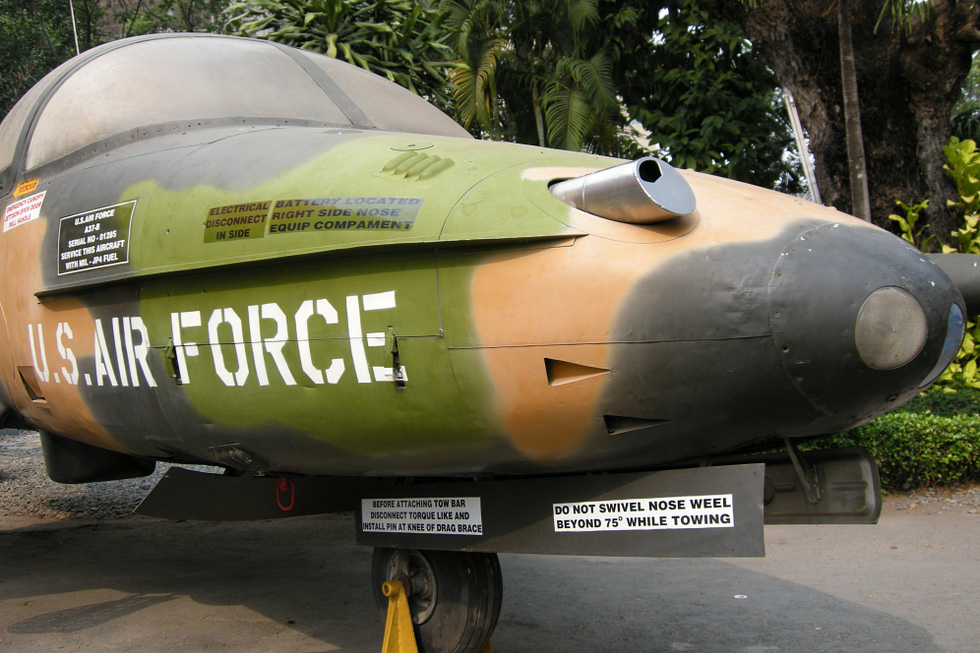
In August 1967 the Air Force sent 25 of them to Vietnam under the evaluation programme “Combat Dragon,” flying from Bien Hoa. The verdict was decisive: the Dragonfly was accurate, rugged, staggeringly reliable and cheap to keep flying — roughly two maintenance man-hours per flight hour, a fraction of what heavier jets demanded. Over the war the type flew more than 160,000 combat sorties. Hundreds went to the South Vietnamese Air Force (VNAF), which flew the A-37 to the very end — and when Saigon fell in 1975, dozens of captured Dragonflies were promptly turned around and flown by the victorious North.
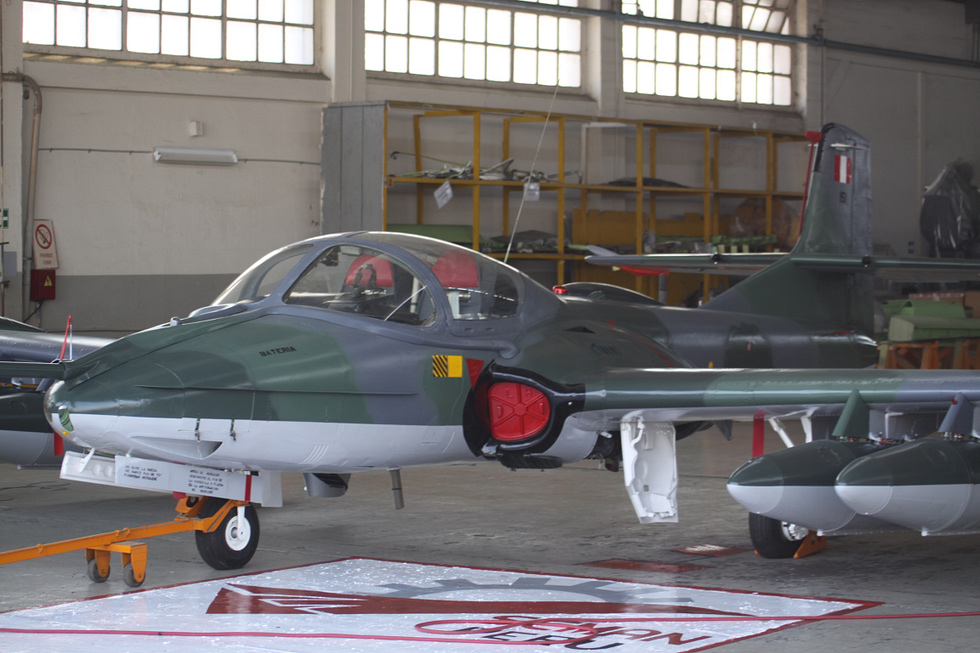
That toughness and thrift made the A-37 an export success across the developing world. Chile, Peru, Ecuador, Colombia, El Salvador, Guatemala, Honduras, the Dominican Republic, Uruguay and South Korea all bought it, and it fought in a string of Latin American conflicts — the long Salvadoran Civil War and the brief, sharp 1995 Cenepa War between Peru and Ecuador among them. Small, honest and hard to kill, the little jet outlasted many far more glamorous machines: a handful were still flying combat patrols into the 2020s, more than half a century after the trainer it was built from first took to the air.
01The A-37 Dragonfly’s origins: how the T-37 “Tweet” trainer became the “Super Tweet”
The T-37 first flew in 1954 as a basic jet trainer — forgiving, side-by-side and, thanks to its shrill turbojets, universally nicknamed the “Tweet.” In 1962–63 the USAF formally evaluated whether it could do counter-insurgency work, and awarded Cessna a contract for two prototype YAT-37D conversions. The changes were dramatic: General Electric J85 turbojets in place of the trainer’s little Continental engines roughly doubled the power; the structure was beefed up; hardpoints, a minigun, armour and wingtip tanks were added. The production A-37A followed in 1967 and the definitive, more powerful A-37B from 1968. Crews inevitably christened the muscled-up attacker the “Super Tweet” — a rare case of a frontline warplane that pilots had first soloed on as students.
What makes it special
A trainer rebuilt as an attacker
The Dragonfly kept the T-37’s honest, easy-to-fly airframe and its two side-by-side seats, but almost everything else was strengthened or added. Cessna reinforced the wing for hardpoints and hard manoeuvring, fitted armoured ejection seats, nylon flak curtains and self-sealing fuel tanks, and gave the A-37B a nose refuelling probe. The result flew like the trainer thousands of pilots already knew — but could take hits and keep fighting.
Two little J85s — and a big punch
Power came from two General Electric J85 turbojets — about 12.7 kN (2,850 lbf) each in the A-37B, roughly double the trainer’s thrust. That gave the small jet real climb and a useful load: a 7.62 mm GAU-2 minigun in the nose plus eight underwing hardpoints for bombs, rockets, napalm and gun pods — up to around 2,300–2,600 kg of ordnance. Wingtip tanks stretched its endurance over the target.
Cheap, rugged, easy to keep flying
The A-37’s greatest weapon was its simplicity. It needed only about two maintenance man-hours per flight hour — a fraction of a fast jet’s appetite — could operate from short, rough strips, and was cheap to buy and run. That is exactly why it was exported so widely and why some air forces flew it for fifty years: for small budgets fighting small wars, nothing offered more attack capability per dollar.
02The A-37 Dragonfly’s firepower: the minigun, eight hardpoints and tip tanks
For its size the Dragonfly was heavily armed. Built into the forward fuselage was a GAU-2B/A 7.62 mm minigun, a six-barrel Gatling gun typically fed around 1,500 rounds and able to saturate a target with fire. Under the wings, eight hardpoints carried a flexible mix of iron bombs, cluster munitions, rocket pods, napalm and gun pods, with a maximum external load commonly cited at roughly 2,300–2,600 kg. Permanent wingtip fuel tanks extended loiter time over the battlefield — important for close air support, where staying overhead to protect troops mattered as much as raw speed. In USAF service the type reportedly achieved an average bombing accuracy of about 45 feet, praised by the forward air controllers who directed it.
03The A-37 Dragonfly’s survivability: armour, self-sealing tanks and redundant controls
Because it worked low and slow over hostile ground, the A-37 was designed to absorb punishment. The B model added foam-filled, self-sealing fuel tanks, armoured ejection seats, nylon flak curtains lining the cockpit, and elevator control runs deliberately routed far apart so a single hit was less likely to sever both. During the 1967 Combat Dragon evaluation, the 25 deployed Dragonflies flew thousands of sorties and, by the most-repeated accounts, lost none to enemy fire — only two were written off in landing accidents. Over the whole war a relatively small number of USAF A-37s were lost to combat given the enormous sortie count, a record that reinforced its reputation for toughness.
Full specifications
Airframe & Performance (A-37B)
- צוות
- 2 (side-by-side)
- מֶשֶׁך
- 8.62 m (28 ft 3 in)
- Wingspan (over tip tanks)
- 10.93 m (35 ft 10 in)
- גוֹבַה
- ~2.70 m (8 ft 10 in)
- Max takeoff weight
- ~6,350 kg (14,000 lb)
- Max speed
- ~816 km/h (507 mph)
- תקרת השירות
- ~12,730 m (41,800 ft)
- Combat range
- ~740 km with maximum payload
- Maintenance
- ~2 man-hours per flight hour
Propulsion, Armament & Programme
- Engines
- 2 × General Electric J85-GE-17A
- Thrust (each)
- ~12.7 kN (2,850 lbf)
- Gun
- 1 × GAU-2B/A 7.62 mm minigun
- נקודות קשיחות
- 8 underwing · up to ~2,600 kg
- First flight
- YAT-37D 1964; A-37A 1967
- Into service
- 1967 (USAF, Vietnam)
- Built
- ~570 (all versions)
- Unit cost
- Low six figures (1960s est.)
- Cost per flight hour
- No reliable public figure
04The A-37 Dragonfly’s operating costs: why it was famously cheap to fly
The A-37 was prized above all for its economy, but precise dollar figures are hard to pin down. It was one of the cheaper combat jets of its generation — period accounts put the flyaway price in the low six figures in 1960s US dollars, though that should be read as an order-of-magnitude estimate rather than a sourced number. No reliable public cost-per-flight-hour figure exists for the type. What is well documented is the metric that mattered to the air forces that bought it: about two maintenance man-hours per flight hour, perhaps a sixth of what a contemporary fast jet demanded. Combined with its ability to fly from short, austere strips, that low running cost — not speed or sophistication — is the real reason the Dragonfly stayed in service for half a century.
From primary trainer to fifty-year warplane
The Tweet flies
The Cessna T-37 basic jet trainer makes its first flight — the docile aircraft that will later be rebuilt into the Dragonfly.
YAT-37D
The USAF has two T-37s converted into armed prototypes with J85 engines to test the trainer as a counter-insurgency attacker.
Combat Dragon
Twenty-five A-37As deploy to Bien Hoa, Vietnam, for combat evaluation — flying close air support, escort, FAC and night attack.
A-37B in service
The more powerful, air-refuellable A-37B enters production; deliveries to the South Vietnamese Air Force begin.
Saigon falls
Dozens of A-37s are captured; on 28 April 1975 several are used to bomb Tan Son Nhut, then flown on by unified Vietnam.
Latin America’s workhorse
A-37s fight across the region, notably in the long Salvadoran Civil War, valued for cheap, precise close air support.
The Cenepa War
In the brief Peru–Ecuador border war, a Peruvian A-37 is shot down by an Ecuadorian Kfir — the type in high-intensity combat.
Still on patrol
A handful of operators — among them El Salvador, Peru and Guatemala — keep the Dragonfly flying more than 50 years on.
From the cockpit: twelve Dragonfly stories
The trainer they sent to war
The A-37 grew out of the T-37, the jet USAF students soloed on — hence “Super Tweet.”
Read the full story
25 jets, no losses to flak
In its Vietnam combat trial the Dragonfly flew thousands of sorties and, by most accounts, lost none to enemy fire.
Read the full story
“Somebody who can hit the target”
Forward air controllers loved the A-37’s precision, reportedly achieving an average accuracy of about 45 feet.
Read the full story
The VNAF’s favourite attacker
Hundreds of A-37s went to the South Vietnamese Air Force, which flew them intensively to the very end.
Read the full story
Captured — and turned around
On 28 April 1975 captured A-37s bombed Tan Son Nhut; unified Vietnam then flew the type for years.
Read the full story
Backbone of a civil war
A-37s flew relentless close air support through the long Salvadoran Civil War of the 1980s.
Read the full story
Shot down over the Cenepa
In the brief Peru–Ecuador border war a Peruvian A-37 was downed by an Ecuadorian Kfir.
Read the full story
Andes attacker
Chile armed T-37s and bought A-37s during the tense 1970s, flying them for decades over the Andes.
Read the full story
From attacker to airshow star
South Korea flew the A-37 from 1976, and its Black Eagles aerobatic team performed on the type for years.
Read the full story
Two hours of spanners
The A-37 needed only about two maintenance man-hours per flight hour — a fraction of a fast jet’s.
Read the full story
The probe on the nose
Unusually for a USAF jet, the A-37B refuelled by probe-and-drogue, with pipes wrapped over the canopy.
Read the full story
Fifty years on patrol
A handful of A-37s were still flying combat patrols in the 2020s, outlasting far more glamorous jets.
Read the full story
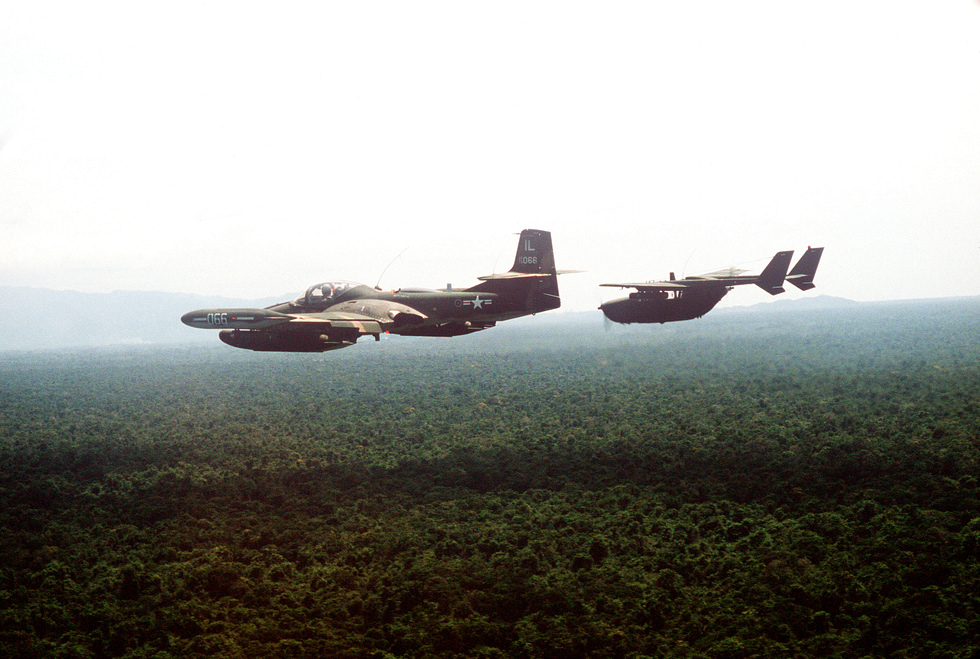
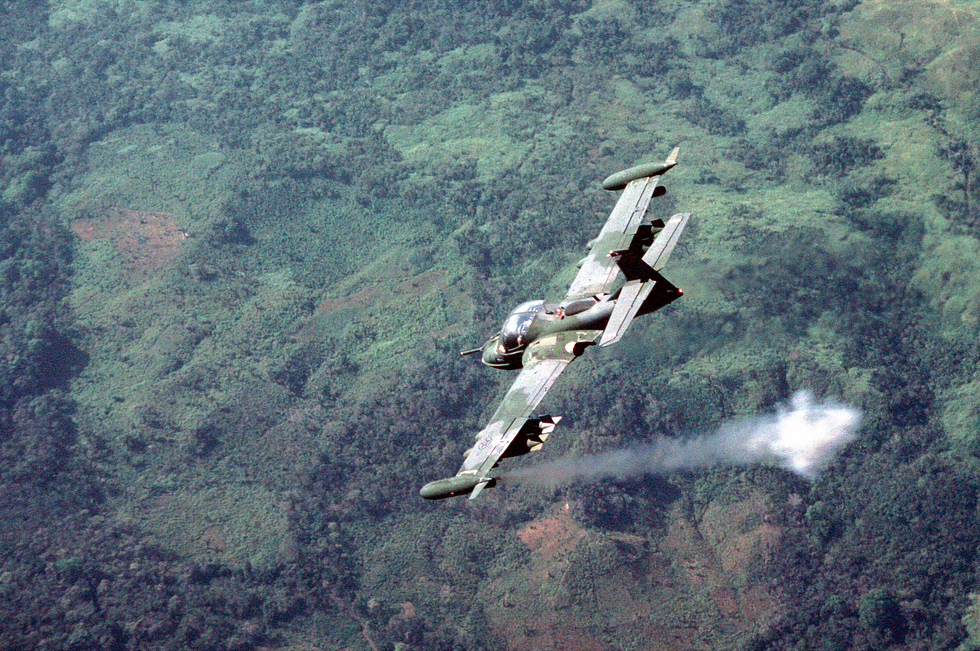
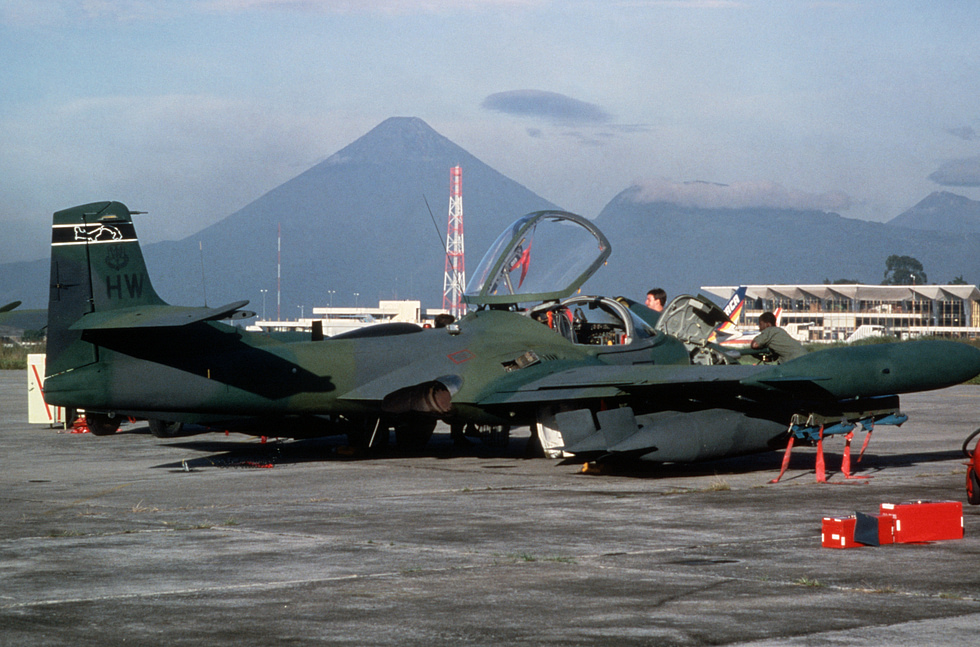
The Dragonfly in pictures
The Dragonfly in motion
A verified, high-authority video feature for the A-37 Dragonfly is coming soon — we only embed footage from established, credible channels, and we are still sourcing the right one for the Super Tweet. In the meantime, explore the gallery and stories above.
Where the Dragonfly flew
The score that defines it
The Dragonfly’s record is written not in air-to-air kills but in sheer effort — hundreds of thousands of close air support sorties flown cheaply and accurately across four decades of small wars. Its greatest strength was economy and precision; its exposed moment came in 1995, when a slow attacker met a supersonic fighter.
Compare the combat record of every military aircraft. Figures as of August 2026.
Everything people ask about the A-37 Dragonfly
Can I fly in an A-37 Dragonfly?
Why is the A-37 called the “Super Tweet”?
How is the A-37 different from the T-37 trainer?
What was Operation Combat Dragon?
How many A-37s were built?
Did the A-37 see air-to-air combat?
Is the A-37 Dragonfly still in service?
What replaced the A-37 in US service?
You can’t fly the Dragonfly.
These, you can.
Some legends only live in museums — others are fuelled and waiting. MiGFlug has put civilians in real military jet cockpits since 2004.
 Fly the L-39 AlbatrosThe world’s most-flown jet trainer — aerobatics included
 Fly the F-104 Starfighter“The missile with a man in it”
 Fly the MiG-21The Cold War’s most-produced jet
 טסו על ה-T-33 Shooting StarAmerica’s first jet trainer
 Fly the DH VampireA piece of early jet history
 Fly the S.211Agile Italian jet trainer
 Fly the MB-326The classic Aermacchi jet
 Fly the MiG-15The Soviet legend of the Korean War
Continue the tour
Every fact, checked
- National Museum of the US Air ForceA-37 / OA-37B fact sheets: Combat Dragon, sortie counts and technical data.
- Hurlburt Field Fact SheetsOA-37B service history and the forward air control role.
- Military FactoryDevelopment from the T-37, specifications and operator list.
- War History OnlineThe “Super Tweet” story, Combat Dragon and the Vietnam record.
- Flying MagazineOrigins, pilot impressions and the forward air controller’s verdict.
- MAPS Air MuseumAirframe details and preserved-aircraft history.
- AeropediaVariant breakdown, exports and Latin American service.
- Global MilitaryOperator survey and current-fleet figures.