
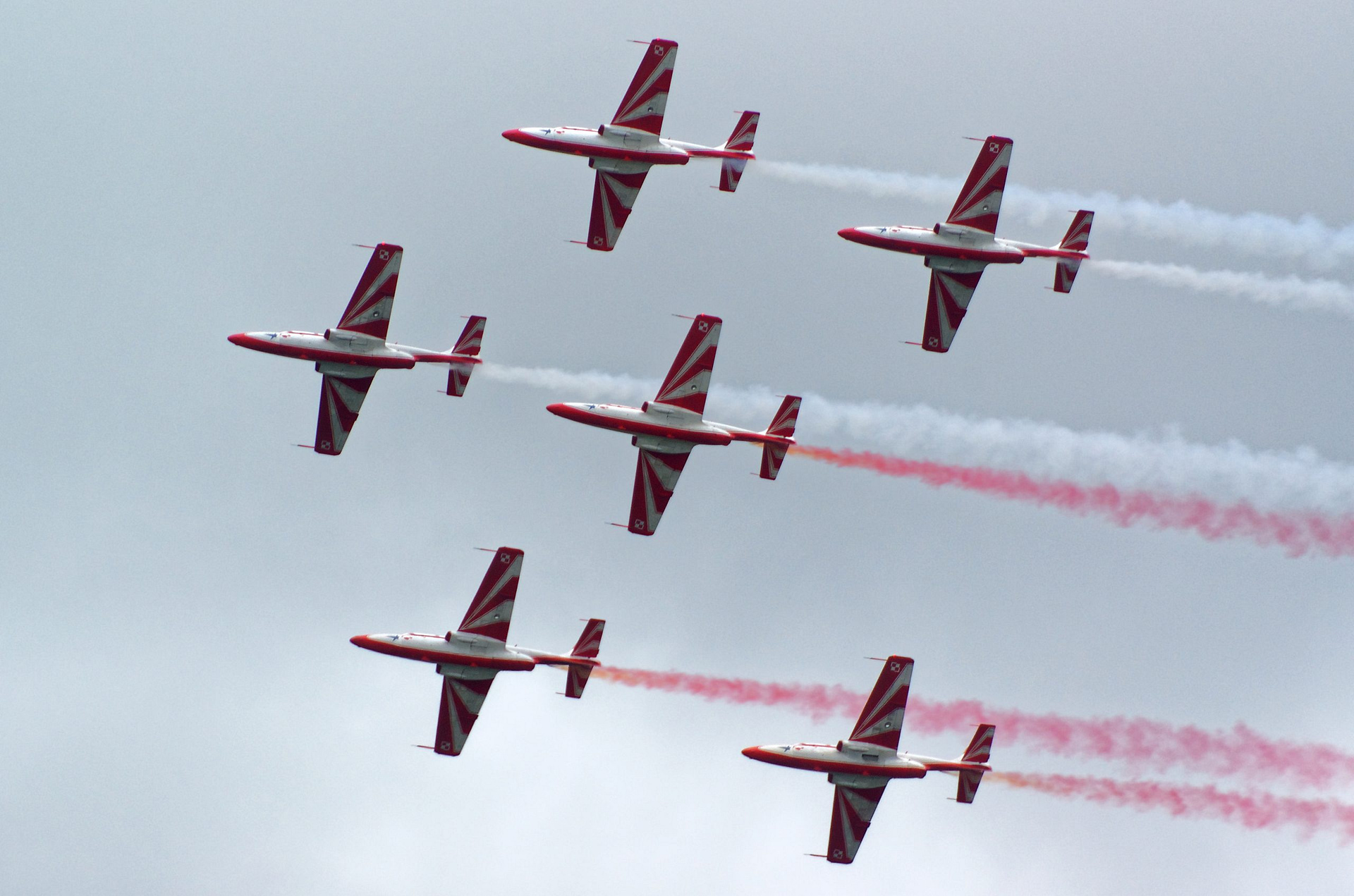
PZL TS-11 Iskra
“Spark”
Poland’s own jet trainer — a homegrown design chosen over the Warsaw Pact’s standard L-29, and one of the longest-serving jet trainers in the world, flying for the Polish Air Force from 1964 into the 2020s.
The jet that taught Poland to fly — for half a century
In the late 1950s the Warsaw Pact needed a jet trainer to replace its piston-engined and licence-built types. The obvious answer was the Czechoslovak Aero L-29 Delfín, which the pact chose as its common standard. Poland, unusually, went its own way. The Warsaw Institute of Aviation, led by the designer Tadeusz Sołtyk, was already developing a native jet trainer — the TS-11, whose “TS” carries Sołtyk’s own initials.
The prototype first flew on 5 February 1960, initially with an imported engine while Poland developed its own. That homegrown powerplant — the PZL SO-1 turbojet, later improved as the SO-3 — is what made the Iskra a genuinely Polish aircraft rather than an assembly of foreign parts. When the L-29 was selected as the pact standard, Poland alone kept faith with its own design and put the Iskra into service with the Polish Air Force in 1964.
It was a shrewd bet. The Iskra (“Spark”) turned out to be simple, rugged, cheap to run and delightful to fly — a straightforward tandem-seat jet that generations of Polish pilots learned on before moving to MiG-21s, Su-22s and, eventually, F-16s. Built at WSK-Mielec in roughly 420–424 examples, it served not only as a trainer but in reconnaissance and light-attack roles, carrying a cannon and underwing stores.
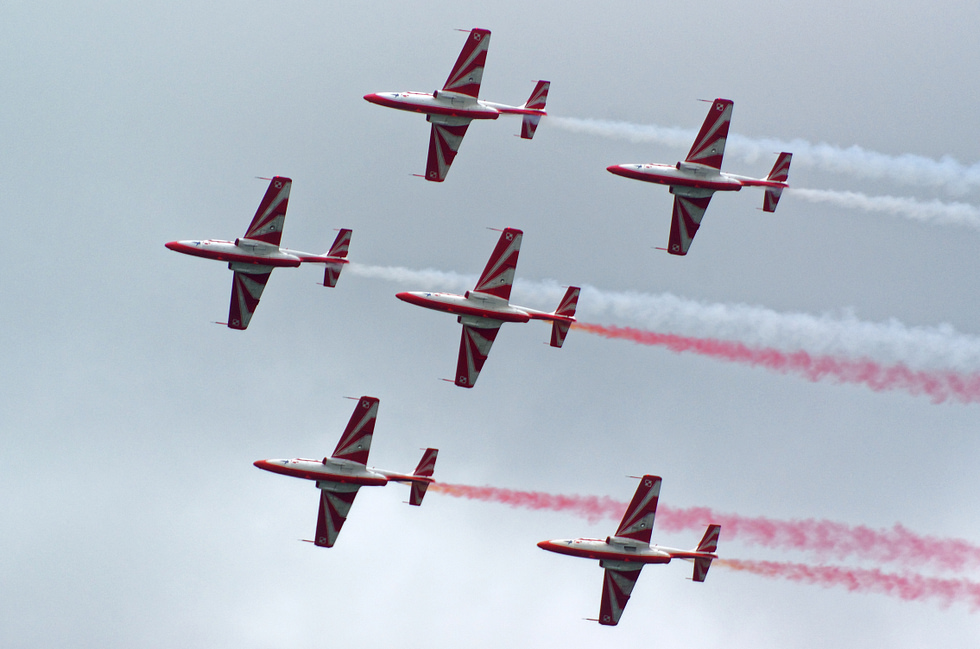
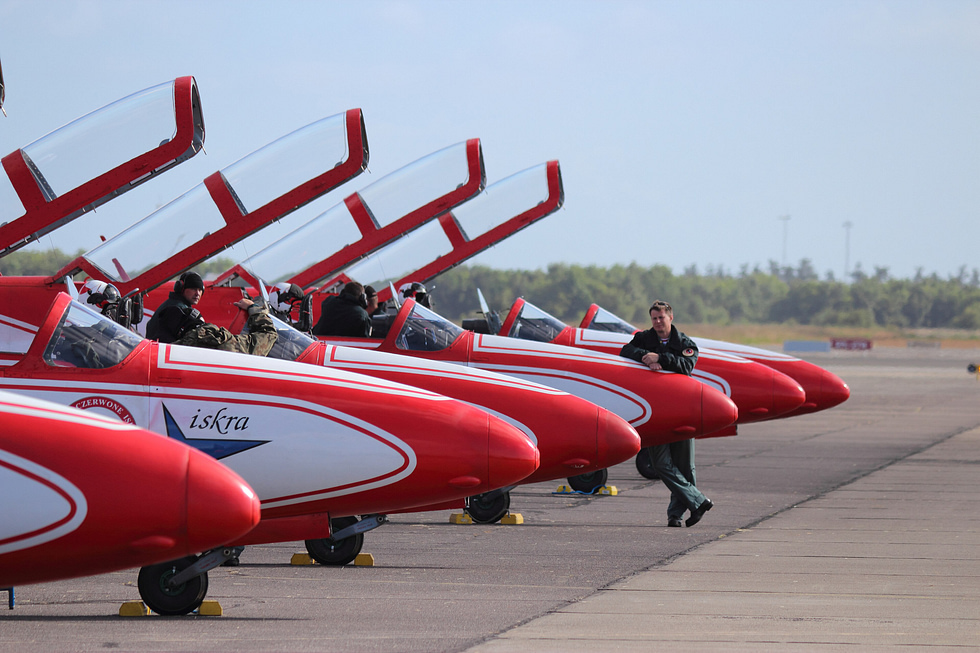
Its career was extraordinary for its length. The Iskra stayed in Polish military service from 1964 into the 2020s — nearly six decades — making it one of the longest-serving jet trainers ever built. It also flew abroad: the Indian Air Force bought around fifty and used them at its flying schools into the early 2000s. And it became a national symbol in the hands of the Biało-Czerwone Iskry (“White-and-Red Sparks”), the Polish Air Force display team that has flown red-and-white Iskras since 1969.
01The TS-11 Iskra’s name: who was Tadeusz Sołtyk, and what does “TS” mean?
The “TS” in TS-11 stands for Tadeusz Sołtyk, the aircraft’s chief designer and one of the most important figures in postwar Polish aviation. Sołtyk led the design team at the Warsaw Institute of Aviation (Instytut Lotnictwa) and had earlier worked on Polish piston trainers; the Iskra was his signature achievement. Naming an aircraft after its designer’s initials was a Polish convention — and a fitting tribute, because the TS-11 was very much Sołtyk’s aeroplane: conservative, honest and built to be flown hard by student pilots. It was series-produced by WSK-Mielec, the same plant that would later build the M-28 and licence-assemble other types.
What makes the TS-11 Iskra special
A Polish engine that made it independent
The Iskra was designed around a native turbojet, the PZL SO-1, later refined into the SO-3 and SO-3W of roughly 9.8–10.8 kN thrust. Early prototypes flew on an imported engine while the Polish unit matured, but from series production the Iskra was powered by Polish-built engines — a rare thing in the Warsaw Pact, and the reason Poland could keep the type flying and supported for decades on its own.
A trainer that could also fight
Unlike a pure schoolhouse jet, the Iskra was cleared for weapons. Armed variants carried a single 23 mm cannon in the nose and up to four underwing hardpoints for bombs, rocket pods or gun pods, letting the same airframe teach weapons delivery and fly light-attack and reconnaissance missions. It gave Poland a cheap, multi-role jet on a trainer’s budget.
Simple, rugged, and cheap to run
The Iskra’s straight wing, forgiving handling and robust structure made it easy for students and easy for ground crews. It was never fast — roughly 720 km/h flat out — but it was honest and durable, and its low operating cost is exactly why a 1960 design was still earning its keep in Polish service sixty years later.
02The TS-11 Iskra vs the L-29 Delfín: why Poland refused the pact standard
In the early 1960s the Warsaw Pact ran a competition to pick a common jet trainer. The Czechoslovak Aero L-29 Delfín won and became the standard for almost every pact air force. Poland took part but, having already invested in Sołtyk’s TS-11 and its Polish engine, chose to adopt its own aircraft instead. It was partly national pride and partly industrial policy: keeping the Iskra meant keeping Polish design bureaus, the Mielec factory and the SO-series engine line busy and self-sufficient. The two jets ended up broadly comparable, and both had long careers — but the Iskra remains the aircraft that let Poland train its pilots on a home-built jet rather than an import.
03The TS-11 Iskra’s variants: from trainer to recon and light attack
The Iskra was produced in several forms over its long life. Beyond the basic two-seat trainer came reconnaissance versions with camera installations, and armed Iskra bis variants with additional hardpoints for the light-attack and weapons-training role. The engine evolved from the SO-1 to the more powerful and reliable SO-3 and SO-3W. The export model for India, generally referred to as the Iskra bis D, was tailored to Indian Air Force training needs. Exact production totals vary between sources, but the type is commonly cited at around 420–424 aircraft built at WSK-Mielec.
PZL TS-11 Iskra full specifications
Airframe & Performance
- צוות
- 2 (tandem — student & instructor)
- מֶשֶׁך
- 11.15 m
- מוּטַת כְּנָפַים
- 10.06 m
- גוֹבַה
- 3.50 m
- Max takeoff weight
- ~3,840 kg
- Max speed
- ~720 km/h (~Mach 0.6)
- תקרת השירות
- ~11,000 m
- לָנוּעַ
- ~1,250 km (commonly cited)
- Wing
- Straight, low-mounted
Propulsion, Armament & Programme
- מָנוֹעַ
- 1 × PZL SO-3 turbojet (early: SO-1)
- Thrust
- ~9.8–10.8 kN (SO-1 to SO-3W)
- הְתחַמְשׁוּת
- 1 × 23 mm cannon; up to 4 underwing hardpoints (armed variants)
- First flight
- 5 February 1960
- Introduced
- 1964 (Polish Air Force)
- Built
- ~420–424 (commonly cited)
- Unit cost
- No reliable public figure (state product)
- Cost per flight hour
- No reliable public figure (see note)
04The TS-11 Iskra’s operating costs: why no reliable price exists
The Iskra was a Polish state product built for a state air force, never marketed on an open dollar market, so no firm flyaway unit price or official cost-per-flight-hour figure exists in the public record. What can be said with confidence is relative: as a light, single-engine jet with a simple Polish turbojet, the Iskra was cheap to buy, cheap to maintain and cheap to fly compared with the front-line MiGs it fed pilots into — which is precisely why it stayed in service for close to sixty years. Any specific dollar-per-hour number attached to the type should be treated as an estimate rather than a sourced fact.
The TS-11 Iskra, from drawing board to display team
Design begins
Tadeusz Sołtyk’s team at the Warsaw Institute of Aviation starts work on a native Polish jet trainer, the TS-11.
First flight
The prototype flies on 5 February 1960, at first using an imported engine while the Polish SO-1 turbojet is developed.
Poland keeps its own jet
The Warsaw Pact standardises on the Czechoslovak L-29 Delfín; Poland chooses to adopt the home-built Iskra instead.
Enters service
The TS-11 Iskra enters Polish Air Force service as the standard basic and advanced jet trainer.
The White-and-Red Sparks
The Biało-Czerwone Iskry aerobatic team forms, flying red-and-white Iskras — a role the type still holds decades later.
Export to India
The Indian Air Force orders around fifty Iskra bis trainers, which serve its flying schools into the early 2000s.
SO-3 and armed variants
Improved SO-3 engines and armed Iskra bis versions extend the type’s reconnaissance and light-attack roles.
Nearly sixty years on
The Iskra is wound down from Polish military training after one of the longest careers of any jet trainer; examples fly on as warbirds and with the display team.
From the cockpit: twelve TS-11 Iskra stories
Sołtyk’s signature jet
The “TS” stands for designer Tadeusz Sołtyk — the Iskra was his aeroplane.
Read the full story
A first flight on a borrowed engine
The prototype flew in February 1960 while Poland’s own turbojet was still being finished.
Read the full story
Poland says no to the L-29
When the pact standardised on the Czech L-29, Poland kept its own jet instead.
Read the full story
The schoolhouse jet
For decades, Polish fast-jet pilots met their first jet in an Iskra.
Read the full story
Birth of the White-and-Red Sparks
The Biało-Czerwone Iskry display team turned the trainer into a national symbol.
Read the full story
A trainer with teeth
Armed variants carried a cannon and underwing stores for weapons training and light attack.
Read the full story
The Iskra goes to India
The Indian Air Force bought around fifty and flew them for nearly three decades.
Read the full story
A small jet with FAI entries
In its class, the Iskra set a number of recognised international records in the 1960s.
Read the full story
The SO-series engine
The Polish SO-1, SO-3 and SO-3W turbojets kept the Iskra independent and supportable.
Read the full story
Sixty years of service
Few jet trainers anywhere have flown as long as the Iskra.
Read the full story
A second life in civilian hands
Retired Iskras now fly as privately owned warbirds around the world.
Read the full story
The jet that trained a nation
More than four hundred Iskras shaped Polish military aviation for two generations.
Read the full story
The TS-11 Iskra in pictures
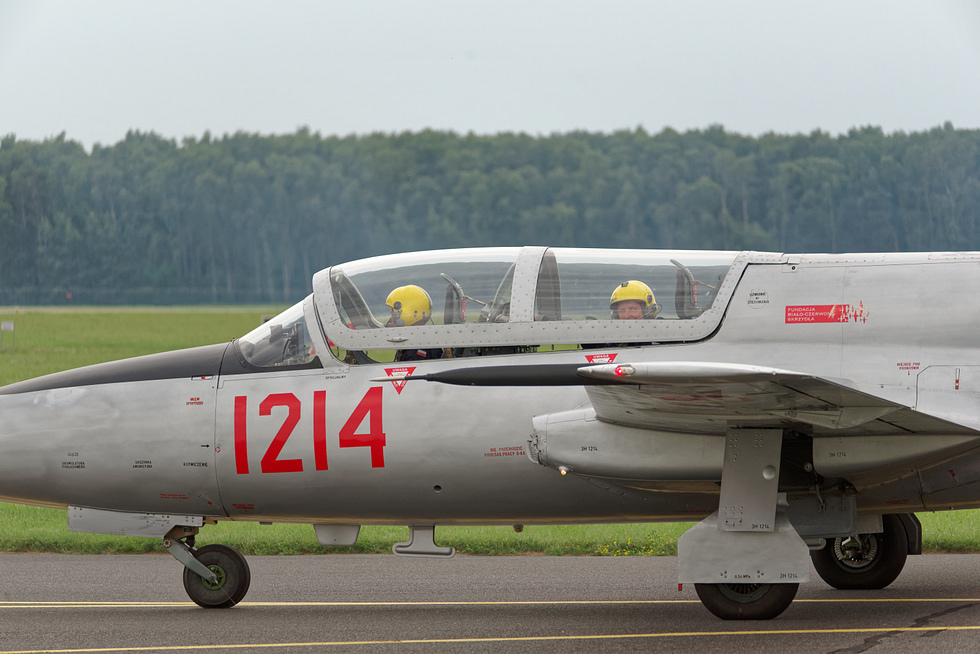
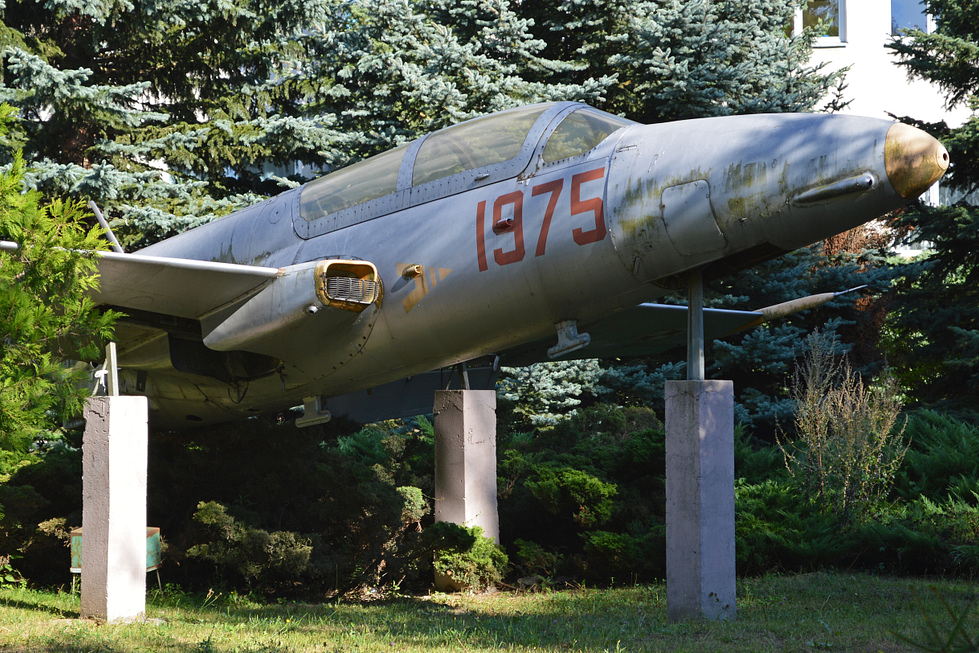
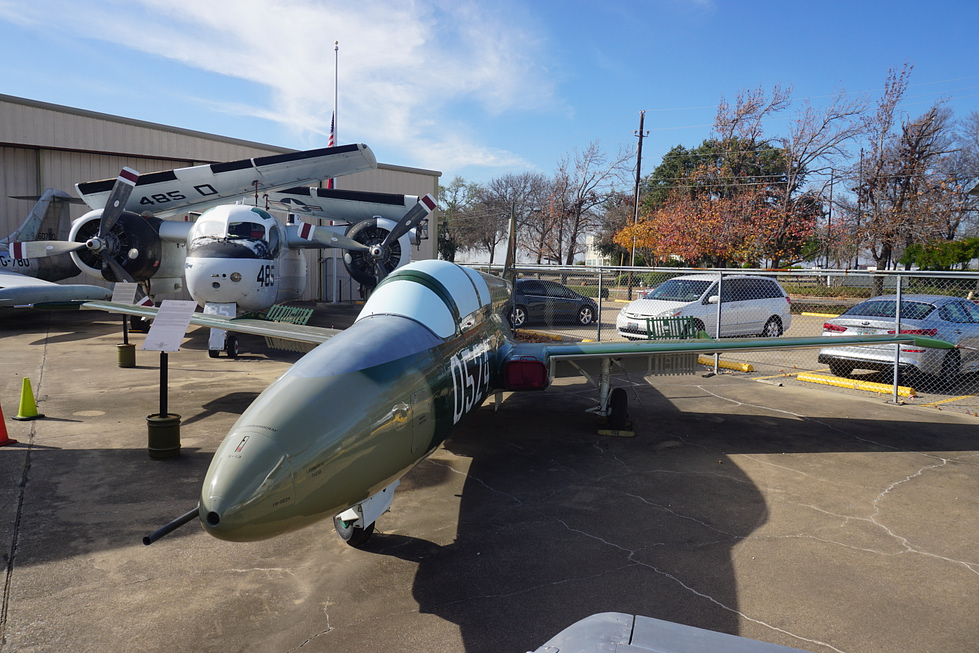
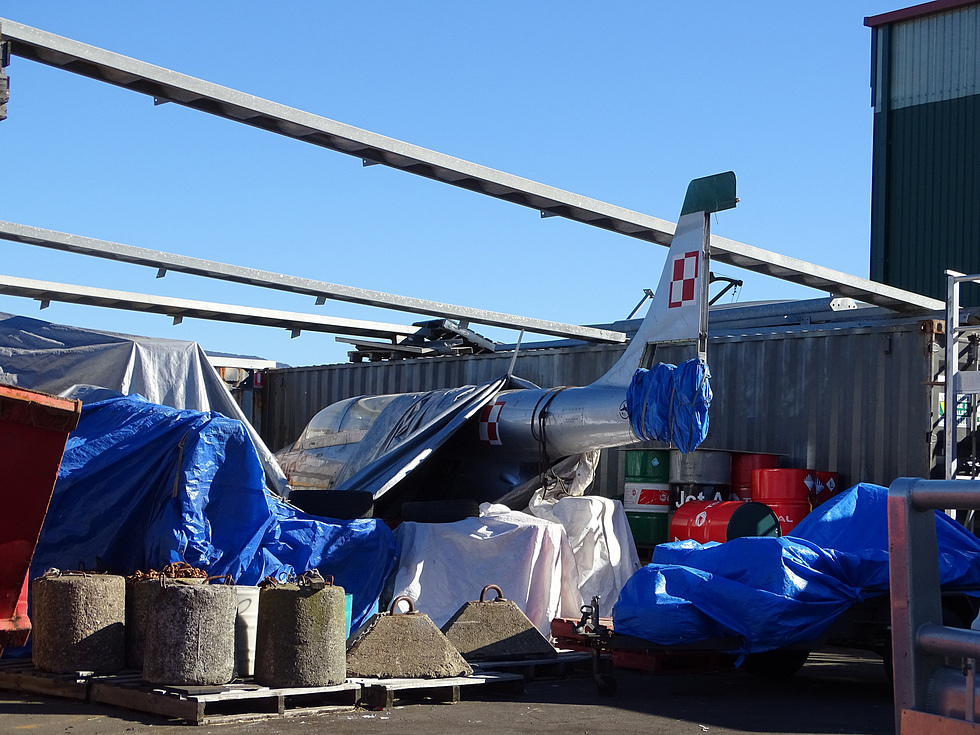
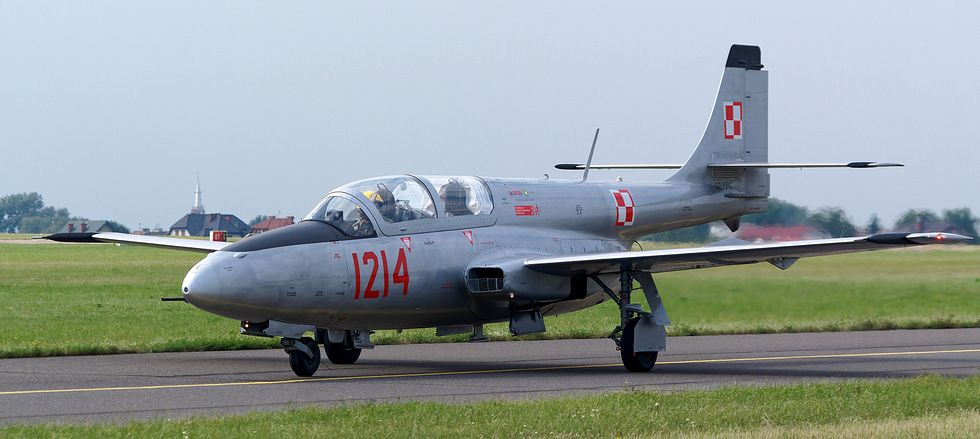
The TS-11 Iskra in motion
A full air-display routine by the Polish Air Force Biało-Czerwone Iskry (“White-and-Red Sparks”), flying the red-and-white TS-11 Iskra in the formation-aerobatic role it has held since 1969.
Where the TS-11 Iskra flew
The numbers that define the TS-11 Iskra
The Iskra is not remembered for combat — it was a trainer first. Its record is written in longevity, production numbers and the pilots it shaped. A simple, home-built jet that entered service in 1964 was still flying with the Polish Air Force nearly sixty years later, and along the way it trained two generations of aircrew and became a national aerobatic symbol.
Explore where the type served on the operations map above, or compare trainers and fighters in the military aircraft database.
Everything people ask about the TS-11 Iskra
Can I fly in a PZL TS-11 Iskra?
Who designed the TS-11 Iskra and what does “TS” mean?
Why did Poland choose the Iskra over the L-29 Delfín?
How long did the TS-11 Iskra serve?
Did any other country operate the Iskra?
What are the Biało-Czerwone Iskry?
Was the TS-11 Iskra armed?
You can’t fly the PZL TS-11 Iskra.
These, you can.
Some legends only live in museums — others are fuelled and waiting. MiGFlug has put civilians in real military jet cockpits since 2004.
 Fly the L-39 AlbatrosThe world’s most-flown jet trainer — aerobatics included
 Fly the F-104 Starfighter“The missile with a man in it”
 Fly the MiG-21The Cold War’s most-produced jet
 טסו על ה-T-33 Shooting StarAmerica’s first jet trainer
 Fly the DH VampireA piece of early jet history
 Fly the S.211Agile Italian jet trainer
 Fly the MB-326The classic Aermacchi jet
 Fly the MiG-15The Soviet legend of the Korean War
Continue the tour
Every fact, checked
- Polish Aviation Museum, KrakówReference collection for the TS-11 Iskra, its variants and preserved airframes.
- The Aviation Geek ClubHistories of the Iskra programme, the SO-series engine and the White-and-Red Sparks.
- Key AeroOperational history and the Polish/Indian service records of the type.
- FAI records databaseClass records claimed by Polish crews in the 1960s.
- Cavanaugh Flight MuseumReference for a preserved, privately owned Iskra in the United States.
- Manufacturer & industry references (PZL-Mielec heritage)Background on WSK-Mielec production of the TS-11.
- Indian Air ForceReference for Indian operation and retirement of the Iskra bis.
- MiGFlug Afterburner magazineMiGFlug’s own features on Cold-War jets and jet-trainer history.