
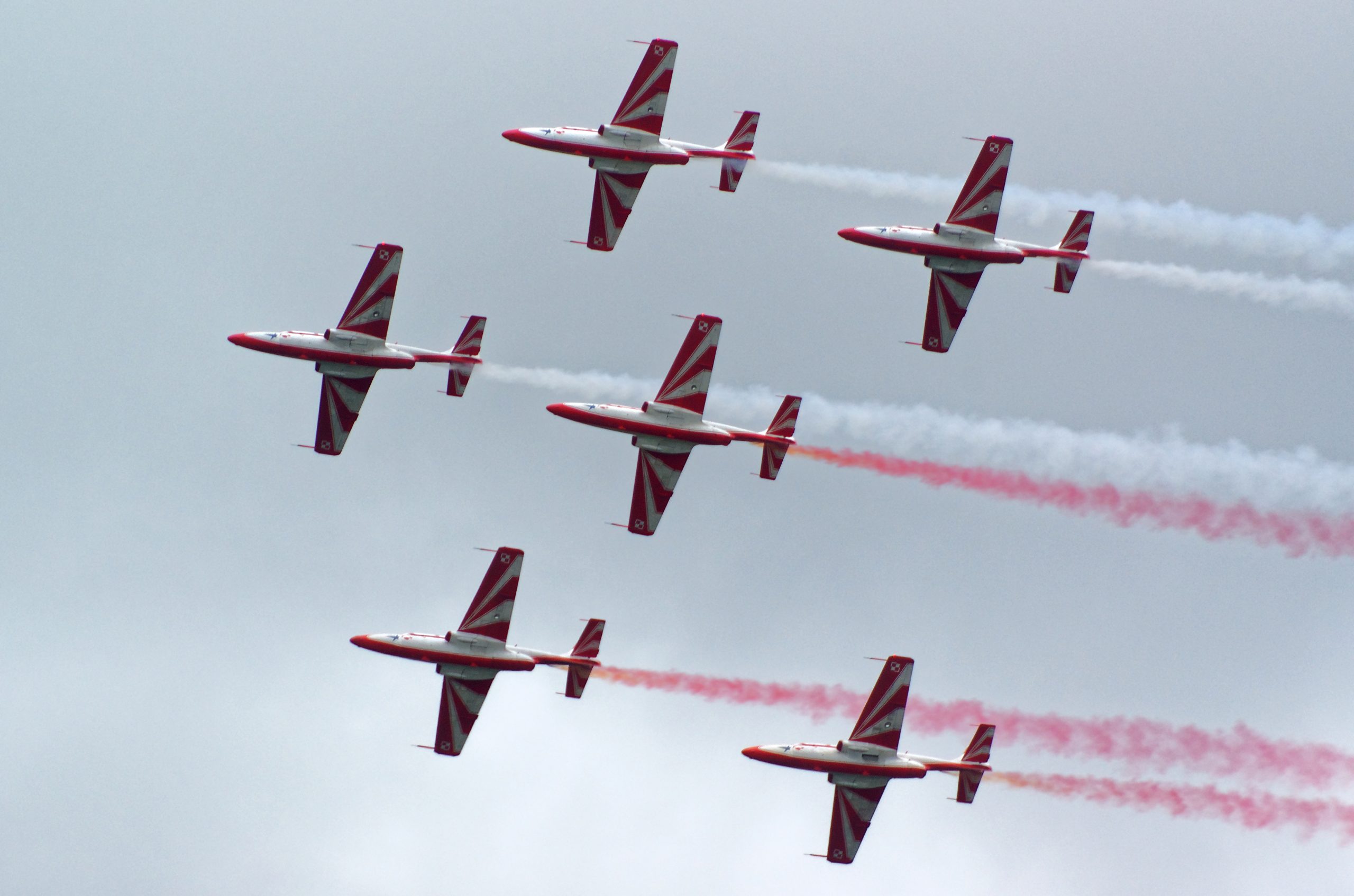
PZL TS-11 Iskra
“Spark”
Poland’s own jet trainer — a homegrown design chosen over the Warsaw Pact’s standard L-29, and one of the longest-serving jet trainers in the world, flying for the Polish Air Force from 1964 into the 2020s.
The jet that taught Poland to fly — for half a century
In the late 1950s the Warsaw Pact needed a jet trainer to replace its piston-engined and licence-built types. The obvious answer was the Czechoslovak Aero L-29 Delfín, which the pact chose as its common standard. Poland, unusually, went its own way. The Warsaw Institute of Aviation, led by the designer Tadeusz Sołtyk, was already developing a native jet trainer — the TS-11, whose “TS” carries Sołtyk’s own initials.
The prototype first flew on 5 February 1960, initially with an imported engine while Poland developed its own. That homegrown powerplant — the PZL SO-1 turbojet, later improved as the SO-3 — is what made the Iskra a genuinely Polish aircraft rather than an assembly of foreign parts. When the L-29 was selected as the pact standard, Poland alone kept faith with its own design and put the Iskra into service with the Polish Air Force in 1964.
It was a shrewd bet. The Iskra (“Spark”) turned out to be simple, rugged, cheap to run and delightful to fly — a straightforward tandem-seat jet that generations of Polish pilots learned on before moving to MiG-21s, Su-22s and, eventually, F-16s. Built at WSK-Mielec in roughly 420–424 examples, it served not only as a trainer but in reconnaissance and light-attack roles, carrying a cannon and underwing stores.
Its career was extraordinary for its length. The Iskra stayed in Polish military service from 1964 into the 2020s — nearly six decades — making it one of the longest-serving jet trainers ever built. It also flew abroad: the Indian Air Force bought around fifty and used them at its flying schools into the early 2000s. And it became a national symbol in the hands of the Biało-Czerwone Iskry (“White-and-Red Sparks”), the Polish Air Force display team that has flown red-and-white Iskras since 1969.
01The TS-11 Iskra’s name: who was Tadeusz Sołtyk, and what does “TS” mean?
The “TS” in TS-11 stands for Tadeusz Sołtyk, the aircraft’s chief designer and one of the most important figures in postwar Polish aviation. Sołtyk led the design team at the Warsaw Institute of Aviation (Instytut Lotnictwa) and had earlier worked on Polish piston trainers; the Iskra was his signature achievement. Naming an aircraft after its designer’s initials was a Polish convention — and a fitting tribute, because the TS-11 was very much Sołtyk’s aeroplane: conservative, honest and built to be flown hard by student pilots. It was series-produced by WSK-Mielec, the same plant that would later build the M-28 and licence-assemble other types.
What makes the TS-11 Iskra special
A Polish engine that made it independent
The Iskra was designed around a native turbojet, the PZL SO-1, later refined into the SO-3 and SO-3W of roughly 9.8–10.8 kN thrust. Early prototypes flew on an imported engine while the Polish unit matured, but from series production the Iskra was powered by Polish-built engines — a rare thing in the Warsaw Pact, and the reason Poland could keep the type flying and supported for decades on its own.
A trainer that could also fight
Unlike a pure schoolhouse jet, the Iskra was cleared for weapons. Armed variants carried a single 23 mm cannon in the nose and up to four underwing hardpoints for bombs, rocket pods or gun pods, letting the same airframe teach weapons delivery and fly light-attack and reconnaissance missions. It gave Poland a cheap, multi-role jet on a trainer’s budget.
Simple, rugged, and cheap to run
The Iskra’s straight wing, forgiving handling and robust structure made it easy for students and easy for ground crews. It was never fast — roughly 720 km/h flat out — but it was honest and durable, and its low operating cost is exactly why a 1960 design was still earning its keep in Polish service sixty years later.
02The TS-11 Iskra vs the L-29 Delfín: why Poland refused the pact standard
In the early 1960s the Warsaw Pact ran a competition to pick a common jet trainer. The Czechoslovak Aero L-29 Delfín won and became the standard for almost every pact air force. Poland took part but, having already invested in Sołtyk’s TS-11 and its Polish engine, chose to adopt its own aircraft instead. It was partly national pride and partly industrial policy: keeping the Iskra meant keeping Polish design bureaus, the Mielec factory and the SO-series engine line busy and self-sufficient. The two jets ended up broadly comparable, and both had long careers — but the Iskra remains the aircraft that let Poland train its pilots on a home-built jet rather than an import.
03The TS-11 Iskra’s variants: from trainer to recon and light attack
The Iskra was produced in several forms over its long life. Beyond the basic two-seat trainer came reconnaissance versions with camera installations, and armed Iskra bis variants with additional hardpoints for the light-attack and weapons-training role. The engine evolved from the SO-1 to the more powerful and reliable SO-3 and SO-3W. The export model for India, generally referred to as the Iskra bis D, was tailored to Indian Air Force training needs. Exact production totals vary between sources, but the type is commonly cited at around 420–424 aircraft built at WSK-Mielec.
PZL TS-11 Iskra full specifications
Baseline: the TS-11 bis DF as built through the 1970s and 1980s and flown by the Polish Air Force until 2020 — one WSK SO-3 turbojet of 9.81 kN, two seats in tandem on ejection seats, four underwing pylons and three vertical cameras in the nose. Deltas for the Viper- and HO-10-powered prototypes, for the SO-1 aircraft of 1966–69, for the single-seat bis C and for the SO-3W-engined late airframes are in grey. Two warnings before reading the numbers. First, almost every published Iskra table is a composite: the airframe dimensions are constant across the whole run, but weights, fuel and performance were quietly revised as the engine changed three times and the pylon count doubled, and few sources say which mark they are describing. Second, maximum speed is quoted as both 720 km/h and 770 km/h. The lower figure is level flight at 5,000 m on the SO-3; the higher one belongs to the more powerful SO-3W and appears in Polish-language and manufacturer material. Neither is wrong, but they are not the same aeroplane.
Dimensions & weights
- Crew
- 2, in tandem under a long single-piece canopy with the rear (instructor's) seat raised, full dual controls, both stations on ejection seats — a genuine ejection capability in 1960 that the piston TS-8 Bies it replaced did not have
- Length
- 11.15 m (36 ft 7 in) aviastar.org prints 37 ft 7 in for the same metric figure; that is an arithmetic slip, not a variant
- Wingspan
- 10.06 m (33 ft 0 in) — unchanged across every production mark, including the single-seat reconnaissance aircraft
- Height
- 3.50 m (11 ft 6 in)
- Wing area
- 17.50 m² (188 sq ft)
- Aspect ratio
- 5.8:1 — low, and deliberately so: a stubby high-loading wing that would not float on the approach and would give a pupil an honest, well-mannered stall
- Aerofoil
- NACA 64-209 at the root, NACA 64-009 at the tip — a laminar-flow section with a symmetrical tip, chosen for docile handling at the stall rather than for speed
- Wing planform
- Trapezoidal mid-wing with a modest leading-edge sweep and no sweep worth the name at quarter chord, all-metal stressed skin, hydraulically actuated flaps and airbrakes
- Empty weight
- 2,560 kg (5,644 lb)
- Normal take-off weight
- 3,734 kg (8,232 lb) — the clean training weight, and the one that describes almost every Iskra sortie ever flown
- Maximum take-off weight
- 3,840 kg (8,466 lb) with external stores
- Wing loading
- 213 kg/m² (43.6 lb/sq ft) at normal take-off weight — high for a basic trainer of its generation and roughly a quarter above the Aero L-29 Delfín, which is part of why the Delfín beat it on take-off and landing distance from grass
- Maximum external stores
- 400 kg (882 lb) across four underwing pylons on the bis B and later; the earlier bis A had two
Performance
- Maximum speed
- 720 km/h (447 mph, 389 kn) at 5,000 m (16,400 ft) on the SO-3
- Maximum speed, SO-3W aircraft
- 770 km/h (478 mph, 416 kn) — the figure aviastar.org and most Polish sources give for the bis DF, and the source of the long-running disagreement between English and Polish tables
- Never-exceed speed
- 750 km/h (466 mph, 405 kn)
- Cruising speed
- 600 km/h (373 mph, 324 kn)
- Stalling speed
- 140 km/h (87 mph, 76 kn) — higher than the L-29's, the single number that cost the Iskra most heavily at the 1961 Warsaw Pact trials
- Rate of climb
- 14.8 m/s (2,910 ft/min) at sea level
- Service ceiling
- 11,000 m (36,090 ft)
- Range
- ~1,250 km (~777 miles, ~675 nmi) on internal fuel; the bis D carried more and is credited with a little over 1,260 km
- Thrust-to-weight ratio
- 0.30 at normal take-off weight — adequate for circuits, aerobatics and gunnery, and nothing like enough to make the type a combat aeroplane, which Poland never pretended it was
- World records, 1964
- Four FAI records in the type's weight class, the best publicised being a speed of 839 km/h (521 mph). The record was set over a closed circuit by a lightened prototype; it is not a service performance figure and should not be read as one
- Aerobatic capability
- Fully aerobatic and cleared for spinning throughout its life — the Biało-Czerwone Iskry flew nine-ship display sets on it from the 1990s until 2021. Published g limits differ between Polish manuals and secondary compilations and are not reproduced here
Propulsion & systems
- Powerplant, baseline
- One WSK PZL-Rzeszów SO-3 turbojet, 9.81 kN (2,205 lbf) at take-off, mounted in the rear fuselage
- Engine architecture
- Seven-stage axial compressor, annular combustion chamber with 24 burners, single-stage turbine, overall pressure ratio 4.8:1 — a simple, unsupercharged-by-modern-standards design that a conscript ground crew could work on
- Engine dimensions
- 2,157 mm long (7 ft 1 in), 321 kg dry (708 lb), thrust-to-weight 3.4 (figures for the SO-3W)
- Prototype engine
- Armstrong Siddeley Viper 8 of 7.80 kN (1,753 lbf), imported from Britain, in the first prototype of 5 February 1960 — a Polish jet trainer that could only fly at all because a NATO engine was bought for it
- Interim engine
- WSK HO-10, a Polish-built Viper derivative of about 7.65 kN (~1,720 lbf), in the second and third prototypes of March and July 1961 and in the earliest production aircraft
- First indigenous engine
- WSK SO-1, 9.80 kN (2,203 lbf), in production aircraft from 1966. Only 30 were built. Its 200-hour overhaul life was poor even by the standards of the day and is the reason it was superseded after three years
- Improved engine
- WSK SO-3 from 1969 — revised compressor, combustion chamber and turbine, tropicalised for the Indian contract, and a 400-hour overhaul life, double the SO-1's. 580 were built
- Uprated engine
- WSK SO-3W, 10.80 kN (2,428 lbf); the SO-3W22 derivative of 10.79 kN went on to power the PZL I-22 Iryda that was supposed to replace the Iskra and did not
- Air intakes
- Two lateral intakes low on the forward fuselage flanks, well ahead of the wing, feeding long ducts that pass beneath the cockpit floor to the engine bay — the arrangement that gives the Iskra its unmistakable blunt-nosed profile and cost it some pressure recovery
- Exhaust and tail
- Jet pipe exhausting beneath a slim boom that carries the fin and the mid-set tailplane clear of the efflux — the other half of the type's distinctive silhouette, and a layout that keeps the tail out of the hot stream at high angles of attack
- Landing gear
- Retractable tricycle gear on low-pressure tyres, sized for the unpaved and grass strips that Warsaw Pact training regiments actually used
04The TS-11 Iskra’s operating costs: why no reliable price exists
The Iskra was a Polish state product built for a state air force, never marketed on an open dollar market, so no firm flyaway unit price or official cost-per-flight-hour figure exists in the public record. What can be said with confidence is relative: as a light, single-engine jet with a simple Polish turbojet, the Iskra was cheap to buy, cheap to maintain and cheap to fly compared with the front-line MiGs it fed pilots into — which is precisely why it stayed in service for close to sixty years. Any specific dollar-per-hour number attached to the type should be treated as an estimate rather than a sourced fact.
Armament & payload
The Iskra carried one 23 mm cannon and 400 kg of stores, and Poland used that capability to teach gunnery rather than to fight with it
The Iskra was armed from the outset, and for a reason that had nothing to do with fighting: Warsaw Pact training doctrine put gunnery, rocketry and bombing into the advanced syllabus, and a trainer that could not carry stores could not teach any of it. So the aeroplane got a single 23 mm cannon in the lower nose with 80 rounds, and — from the bis B onwards — four underwing pylons rated at 400 kg in total. That is a genuinely small load, about a tenth of what a contemporary MiG-17 could lift, and it was never meant to be anything else.
What matters is what the load was for. A Polish cadet leaving the Iskra for a MiG-21 had already fired the gun at towed banners and ground targets, salvoed 57 mm rockets from Mars pods and dropped practice bombs from a shallow dive, and had done it in an aeroplane whose approach speed and throttle response resembled the fighter he was about to be given. The reconnaissance marks extended the same logic to photography: three vertical cameras in the nose, a low-level single-pass run, and a film to be argued over in the debrief. That is a coherent training system, and it is the best argument for the Iskra's existence.
The armament is also where the type's limits are plainest. No Iskra ever carried a guided weapon of any kind, air-to-air or air-to-surface. The gun had no radar ranging. Poland did briefly market the aeroplane as a light attack machine — the single-seat BR 200 prototype of 1972 was built to test exactly that — and nobody bought it, which was the correct commercial verdict. The Iskra never fired a shot in anger in any air force. Fits varied by mark and by operator, and Indian aircraft were delivered to a different equipment standard from Polish ones; the cannon is credited to both the NS-23 and the NR-23 in reputable sources, and those are two different guns.
Gun
- One 23 mm cannon in the lower nose, offset to port, with 80 rounds — the only fixed armament the type ever carried on any mark
- Sources split between the Nudelman-Suranov NS-23 and the Nudelman-Rikhter NR-23. They are not interchangeable claims: the NS-23 fires at roughly 550 rounds per minute, the NR-23 at roughly 850, and English-language references print both, sometimes in the same table
- Aimed through a fixed optical sight; there was no ranging radar and no lead-computing gunsight, so gunnery was taught the old way, by learning deflection
- Gun camera fitted for scoring and debrief, which in a training aeroplane is arguably the more important half of the installation
- The gun was removed from the display-team aircraft and from the disarmed civil examples sold in the West
Air-to-air
- None. The Iskra never carried an air-to-air missile of any type, was never wired for one, and was never proposed with one
- The cannon gave a nominal air-to-air capability, exercised only against towed banner targets in the gunnery syllabus
- The one occasion the type was pushed towards an air-to-air task was Indian: Iskras were reportedly moved to Srinagar during the 1999 Kargil conflict in connection with slow, low-flying unmanned intruders that faster aircraft struggled to engage. This is repeated in secondary sources and is not confirmed by any Indian Air Force document in the public domain; treat it as unverified
- No Iskra of any air force is credited with an air-to-air engagement
Air-to-surface guided
- None, on any mark, in either operator's service. This card exists to say so plainly
- The type predates the practical integration of guided weapons on light aircraft, and Poland never funded a retrofit
- The nearest approach was the Iskra-R conversion of 1991, six aircraft fitted with a Bendix RDR weather-and-search radar in the nose for maritime surveillance work. It was a sensor, not a weapon system, and gave only a rudimentary air-to-ground picture
- Compare the PZL I-22 Iryda that was meant to succeed the Iskra: it too flew, and was cancelled, without ever fielding a guided weapon
Bombs
- Practice bombs of 50 kg and 100 kg class on the underwing pylons, the standard Warsaw Pact training stores
- Live bombs to the same 400 kg total, which is the ceiling for all external stores combined and not a bomb load in addition to everything else
- Delivery was by shallow dive against a range target using the fixed sight; there was no bombing computer and no toss-delivery capability
- The bis D, sold to India as the Iskra 200 SB (szkolno-bojowy, training-combat), was the mark built around this role and carried the heaviest useful load of the family
- Specific Polish and Indian bomb types are poorly documented in English-language sources; the class figures above are reliable, the individual designations are not.
Rockets
- 57 mm S-5 unguided rockets in Polish Mars-series pods on the underwing stations — the type's most-used external store by a wide margin
- Eight-tube pods are the fit most often described; larger sixteen- and thirty-two-tube pods used elsewhere in the Warsaw Pact exceed the Iskra's 400 kg allowance in any useful combination
- Rocketry suited the aeroplane: light stores, a stable platform, a shallow dive, and a pupil who could see immediately whether he had hit anything
- Rocket work, gunnery and photography together made up the advanced weapons phase that separated the Iskra from the unarmed trainers it is otherwise compared with
Pods & other stores
- Gun pods, generally described as Zeus-series packs with a 12.7 mm weapon, for gunnery training without expending the nose cannon's limited ammunition
- Three vertical and oblique cameras in the nose of the bis DF, the tactical reconnaissance trainer — the single most numerous specialised fit in the fleet
- A single camera and enlarged fuel tankage in the five single-seat bis C aircraft, which traded the rear cockpit for reconnaissance equipment before being converted back to two-seaters in 1983
- Bendix RDR radar in the nose of the six Iskra-R conversions of 1991, used for coastal and maritime surveillance from Gdynia
- Smoke generation equipment on the Iskra-MR display aircraft, and ICAO-compliant navigation and communication avionics fitted from 1998 so the team could operate at Western airshows
Three typical loadouts
- Advanced weapons sortie, bis B or bis D
- Nose cannon loaded with 80 rounds, two eight-tube 57 mm rocket pods inboard and two practice bomb carriers outboard, two crew, internal fuel. The full 400 kg allowance, flown to a range for a single period of gunnery, rocketry and dive bombing — the sortie the armament exists for.
- Tactical reconnaissance training, bis DF
- Three nose cameras, wings clean or with a single rocket pod, two crew, low level at 600 km/h for a timed single-pass photo run against a pre-briefed target. Roughly a hundred aircraft were built to this standard, making it the most numerous Iskra configuration of all.
- Advanced training and display, clean
- No stores, gun deleted on the display aircraft, full internal fuel, two crew or solo from the front seat, smoke system on the Biało-Czerwone Iskry machines. Aerobatics, instruments, formation, navigation and spin recovery — and the overwhelming majority of the type's flying hours across 57 years.
Sourcing caveat: no public certified-stores matrix for the TS-11 has been published in English. The pylon count, the 400 kg total and the nose cannon are firmly established; the individual store designations above come from secondary compilations that do not cite unit records, and the Indian equipment standard is documented barely at all. Where a store is a stated capability rather than a photographed fit, it has been described as such.
Variants
Two overlapping designation systems, five production marks and a radar conversion kept one 1960 airframe useful for sixty years
The Iskra's variant list is harder to read than it should be, because Poland used two designation systems in parallel and never fully reconciled them. There is an engineering sequence — bis A, bis B, bis C, bis D, bis DF — and a marketing sequence built around the engine and role, in which Iskra 100 means the four-pylon trainer and Iskra 200 the later heavier marks, with suffixes SB for szkolno-bojowy (training-combat) and Art for the reconnaissance aircraft. English-language sources routinely attach the same marketing name to two different engineering marks. What follows keeps both and flags the collisions.
Underneath the naming, the story is simple and rather impressive. One airframe, drawn in 1957 and first flown in 1960, absorbed three different engines, doubled its pylon count, took on cameras, took on a radar, lost and regained a second seat, and was still doing useful work sixty years later. The reason it lasted so long is less flattering: its intended replacement, the PZL I-22 Iryda, was cancelled in 1998 after eight aircraft and a fatal accident, and Poland had nothing else. The Iskra held the advanced training role by default from the late 1990s until the M-346 Master arrived in 2016.
Production ran from 1963 to 1987 at WSK-Mielec and totalled 424 aircraft, ending when demand ran out rather than when the design did. Set that against roughly 3,600 L-29 Delfíns and 2,900 L-39 Albatroses and the scale of Poland's decision to go it alone is clear: the Iskra is about seven per cent of the Warsaw Pact's jet trainer output, and it flew longer than either of the aircraft that beat it.
- TS-11 prototypes (1960–61, 4 built)
- First flight 5 February 1960 on an imported Armstrong Siddeley Viper 8; publicly revealed over Łódź on 11 September 1960. The second and third prototypes flew in March and July 1961 on the Polish HO-10, a Viper derivative. One airframe set four FAI class records in 1964.
- TS-11 Iskra, initial production (from 1963, service entry 1964)
- Deliveries from March 1963 on the HO-10 and then, from 1966, the first indigenous WSK SO-1. Two underwing pylons and the nose cannon. Only 30 SO-1 engines were built before the mark was overtaken.
- TS-11 bis A (~100 built)
- The first mark produced in quantity. SO-1 power, two pylons, the standard advanced trainer of the Polish Air Force in the late 1960s. Superseded once the four-pylon wing was available.
- TS-11 bis B, "Iskra 100" (~117 built)
- Four underwing pylons in place of two, raising the type from a trainer that could carry a gun to one that could teach the whole weapons syllabus. The SO-3 engine, with double the SO-1's overhaul life, arrived on this generation from 1969.
- TS-11 bis C, "Iskra 200 Art" (1971–72, 5 built)
- Single-seat reconnaissance aircraft: the rear cockpit deleted for a camera installation and enlarged fuel tankage. All five were converted back to two-seat trainers in 1983, which is the clearest possible statement of how useful the single-seat idea turned out to be.
- TS-11 bis D, "Iskra 200 SB" (24 for Poland, plus Indian production)
- The heavy mark: greater fuel and payload, four pylons, tropicalised SO-3. Only two dozen served in Poland; its real career was the Indian contract, which took the great majority of the run.
- TS-11 bis DF, "Iskra 200 Art" (~100 built)
- Tactical reconnaissance trainer with three nose cameras and full weapons capability retained — the most numerous single configuration and the standard Polish Iskra of the 1980s. Note the designation collision with the bis C above; both are called "200 Art" in English sources and the two aircraft are quite different.
- TS-11 BR 200 Iskra-Bis BR (1972, 1 prototype)
- Single-seat attack and reconnaissance aircraft aimed at the export market, with the trainer role abandoned entirely. It found no customer and no production followed — the right answer, given what 400 kg of unguided stores was worth by 1972.
- TS-11 R Iskra / Iskra-R (1991, 6 conversions)
- Six airframes fitted with a Bendix RDR radar in the nose for maritime and coastal surveillance with Polish naval aviation. A cheap way to get a patrol capability from an obsolete trainer, and a fair illustration of Polish improvisation in the years after 1989.
- TS-11 Iskra-MR (from 1998)
- Display-team standard for the Biało-Czerwone Iskry: ICAO-compliant navigation and communication avionics so the team could work at Western airshows, smoke generation equipment, gun deleted. These were the last Iskras flying in uniform anywhere.
- TS-11 Iskra-Jet / "Spark" (post-1990 civil conversions)
- Demilitarised airframes released onto the civil market and sold to private owners in the United States, Australia and Europe. Straightforward to fly, cheap by jet-warbird standards, and the reason the type is still airborne at all in 2026.
- TS-11F Iskra (proposed, not built)
- A 1990s modernisation study to turn surviving airframes into a lead-in trainer for Poland's F-16C/D Block 52+ fleet. It was never funded; Poland bought the M-346 instead.
Per-variant production totals do not reconcile exactly. The programme total of 424 aircraft built between 1963 and 1987 is well attested, but the mark-by-mark figures above are drawn from Polish-language compilations that count converted airframes differently from newly built ones, and the bis C aircraft in particular appear twice in some tallies because they were rebuilt as two-seaters. India's intake is usually given as 50 bis D aircraft delivered from 1975, with a further 26 acquired in the 1990s for a total of about 76; the smaller figure is the original order, not the whole story. Survivors: no authoritative census exists. Poland has the great majority — complete airframes at the Polish Aviation Museum in Kraków and the Air Force Museum at Dęblin, and dozens more as gate guardians at air bases, technical schools and town squares across the country, of which many are stripped hulks rather than intact aeroplanes. A much smaller number, perhaps a dozen or two, are demilitarised civil aircraft on American, Australian and European registers, of which only some are airworthy in any given year. Every one of these is an original PZL-Mielec airframe; there are no reproduction Iskras, and any aircraft offered as one should be treated with suspicion. India retired its fleet in December 2004 and preserved examples remain at Indian Air Force sites.
The TS-11 Iskra, from drawing board to display team
Design begins
Tadeusz Sołtyk’s team at the Warsaw Institute of Aviation starts work on a native Polish jet trainer, the TS-11.
First flight
The prototype flies on 5 February 1960, at first using an imported engine while the Polish SO-1 turbojet is developed.
Poland keeps its own jet
The Warsaw Pact standardises on the Czechoslovak L-29 Delfín; Poland chooses to adopt the home-built Iskra instead.
Enters service
The TS-11 Iskra enters Polish Air Force service as the standard basic and advanced jet trainer.
The White-and-Red Sparks
The Biało-Czerwone Iskry aerobatic team forms, flying red-and-white Iskras — a role the type still holds decades later.
Export to India
The Indian Air Force orders around fifty Iskra bis trainers, which serve its flying schools into the early 2000s.
SO-3 and armed variants
Improved SO-3 engines and armed Iskra bis versions extend the type’s reconnaissance and light-attack roles.
Nearly sixty years on
The Iskra is wound down from Polish military training after one of the longest careers of any jet trainer; examples fly on as warbirds and with the display team.
From the cockpit: twelve TS-11 Iskra stories
Sołtyk’s signature jet
The “TS” stands for designer Tadeusz Sołtyk — the Iskra was his aeroplane.
Read the full story
A first flight on a borrowed engine
The prototype flew in February 1960 while Poland’s own turbojet was still being finished.
Read the full story
Poland says no to the L-29
When the pact standardised on the Czech L-29, Poland kept its own jet instead.
Read the full story
The schoolhouse jet
For decades, Polish fast-jet pilots met their first jet in an Iskra.
Read the full story
Birth of the White-and-Red Sparks
The Biało-Czerwone Iskry display team turned the trainer into a national symbol.
Read the full story
A trainer with teeth
Armed variants carried a cannon and underwing stores for weapons training and light attack.
Read the full story
The Iskra goes to India
The Indian Air Force bought around fifty and flew them for nearly three decades.
Read the full story
A small jet with FAI entries
In its class, the Iskra set a number of recognised international records in the 1960s.
Read the full story
The SO-series engine
The Polish SO-1, SO-3 and SO-3W turbojets kept the Iskra independent and supportable.
Read the full story
Sixty years of service
Few jet trainers anywhere have flown as long as the Iskra.
Read the full story
A second life in civilian hands
Retired Iskras now fly as privately owned warbirds around the world.
Read the full story
The jet that trained a nation
More than four hundred Iskras shaped Polish military aviation for two generations.
Read the full story
The TS-11 Iskra in pictures
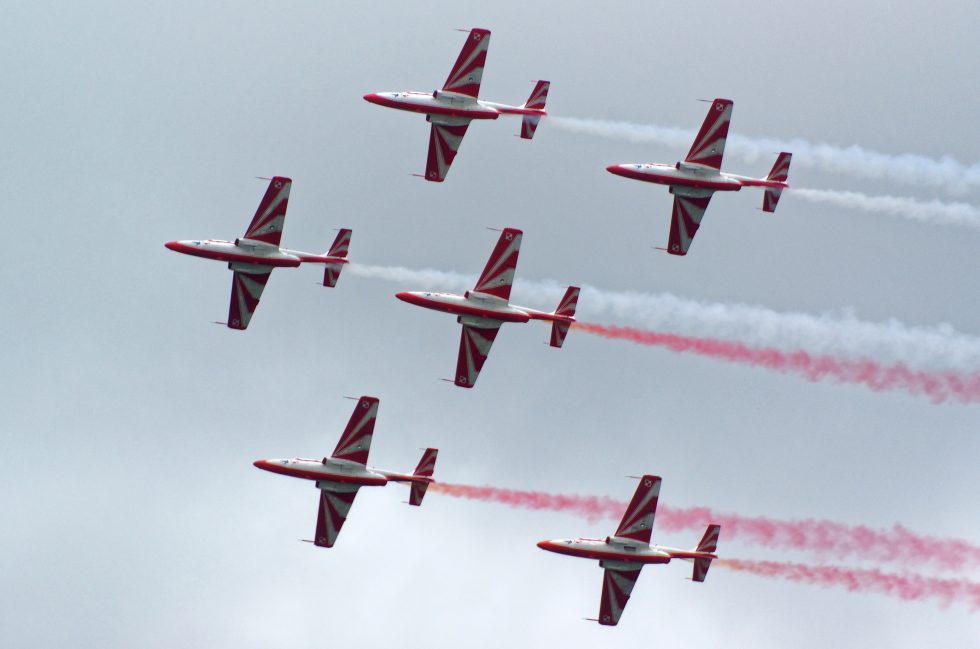
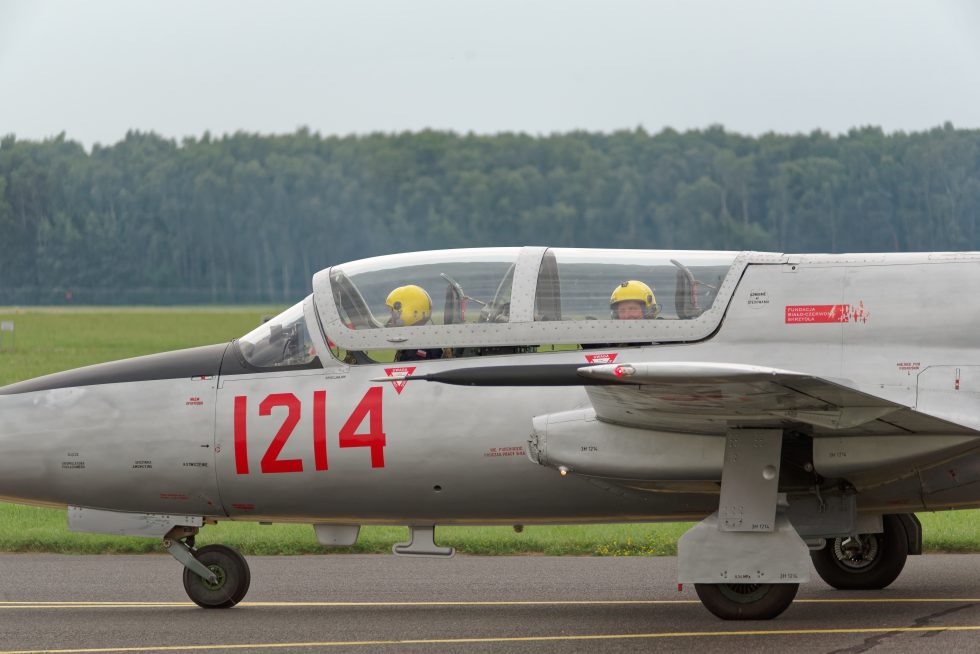
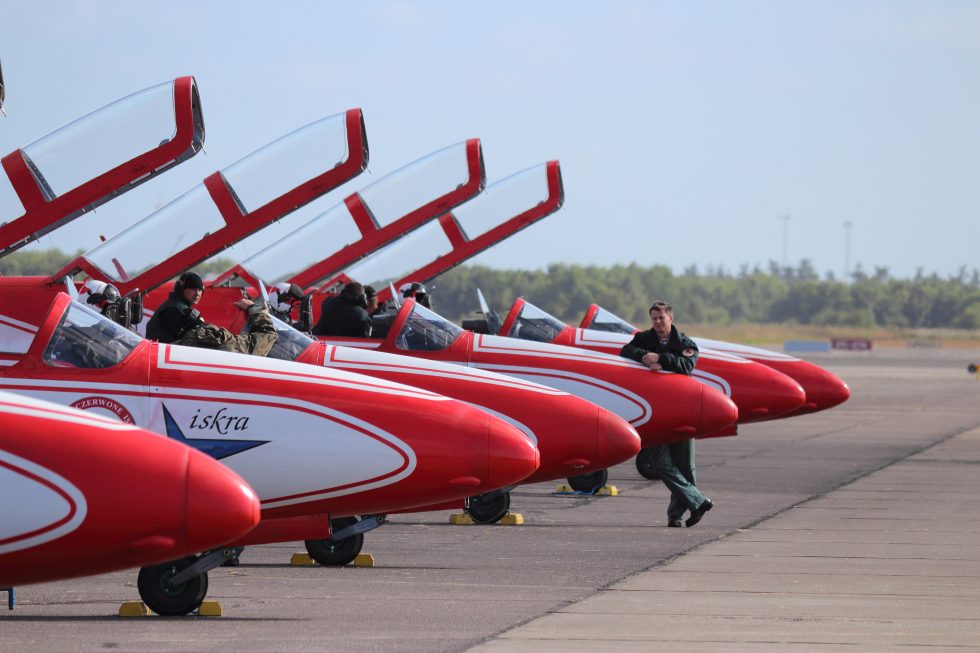
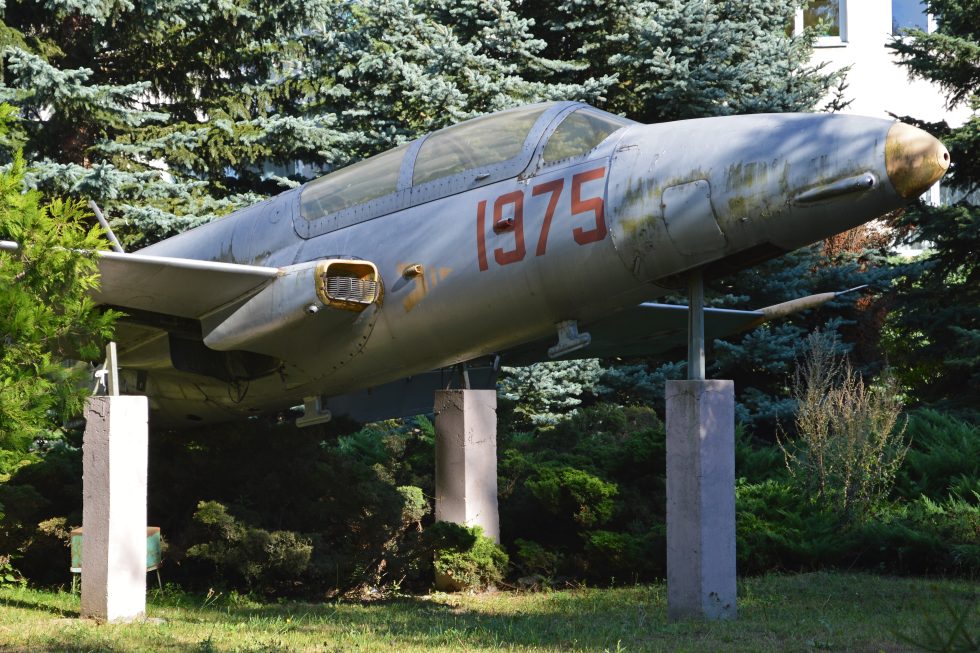
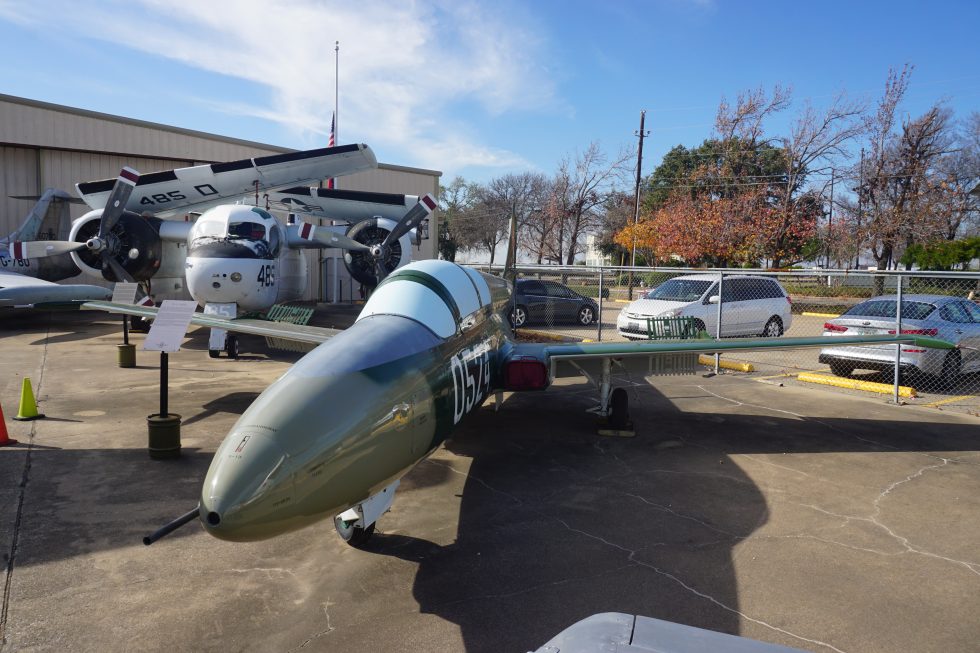
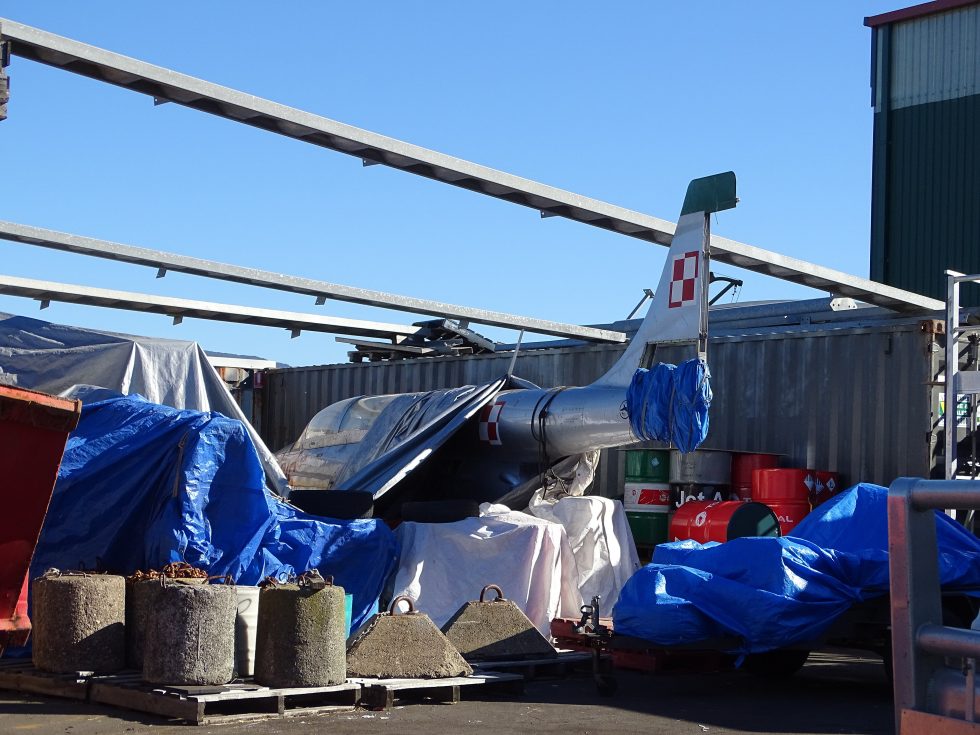
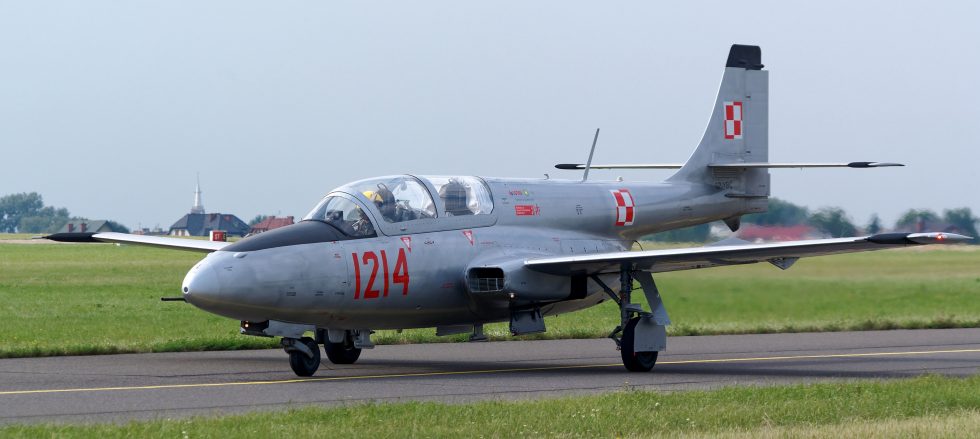
The TS-11 Iskra in motion
A full air-display routine by the Polish Air Force Biało-Czerwone Iskry (“White-and-Red Sparks”), flying the red-and-white TS-11 Iskra in the formation-aerobatic role it has held since 1969.
Where the TS-11 Iskra flew
The numbers that define the TS-11 Iskra
The Iskra is not remembered for combat — it was a trainer first. Its record is written in longevity, production numbers and the pilots it shaped. A simple, home-built jet that entered service in 1964 was still flying with the Polish Air Force nearly sixty years later, and along the way it trained two generations of aircrew and became a national aerobatic symbol.
Explore where the type served on the operations map above, or compare trainers and fighters in the military aircraft database.
Everything people ask about the TS-11 Iskra
Can I fly in a PZL TS-11 Iskra?
Who designed the TS-11 Iskra and what does “TS” mean?
Why did Poland choose the Iskra over the L-29 Delfín?
How long did the TS-11 Iskra serve?
Did any other country operate the Iskra?
What are the Biało-Czerwone Iskry?
Was the TS-11 Iskra armed?
You can’t fly the PZL TS-11 Iskra.
These, you can.
Some legends only live in museums — others are fuelled and waiting. MiGFlug has put civilians in real military jet cockpits since 2004.
 Fly the L-39 AlbatrosThe world’s most-flown jet trainer — aerobatics included
 Fly the F-104 Starfighter“The missile with a man in it”
 Fly the MiG-21The Cold War’s most-produced jet
 Fly the T-33 Shooting StarAmerica’s first jet trainer
 Fly the DH VampireA piece of early jet history
 Fly the S.211Agile Italian jet trainer
 Fly the MB-326The classic Aermacchi jet
 Fly the MiG-15The Soviet legend of the Korean War
Continue the tour
Every fact, checked
- Polish Aviation Museum, KrakówReference collection for the TS-11 Iskra, its variants and preserved airframes.
- The Aviation Geek ClubHistories of the Iskra programme, the SO-series engine and the White-and-Red Sparks.
- Key AeroOperational history and the Polish/Indian service records of the type.
- FAI records databaseClass records claimed by Polish crews in the 1960s.
- Cavanaugh Flight MuseumReference for a preserved, privately owned Iskra in the United States.
- Manufacturer & industry references (PZL-Mielec heritage)Background on WSK-Mielec production of the TS-11.
- Indian Air ForceReference for Indian operation and retirement of the Iskra bis.
- MiGFlug Afterburner magazineMiGFlug’s own features on Cold-War jets and jet-trainer history.