History & Legends, Military Aviation
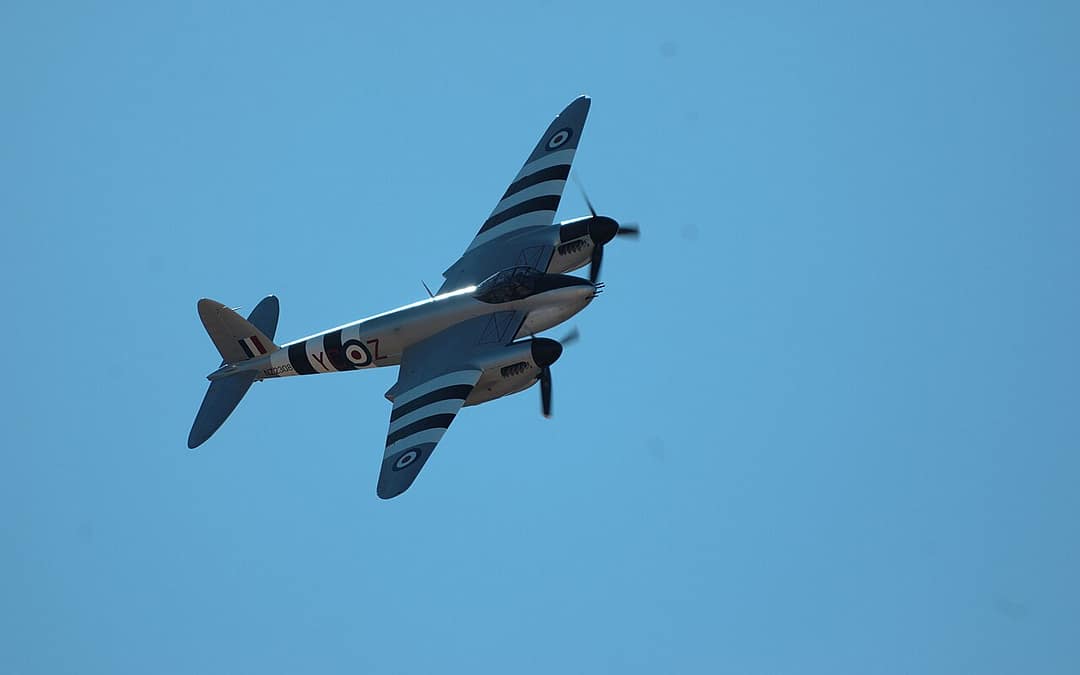
In 1940, as the Battle of Britain raged, the de Havilland company was quietly building a bomber the Air Ministry had not asked for and did not want — and it was making it out of wood. Officials scoffed. Within two years, that wooden aeroplane was the fastest...

History & Legends, Military Aviation
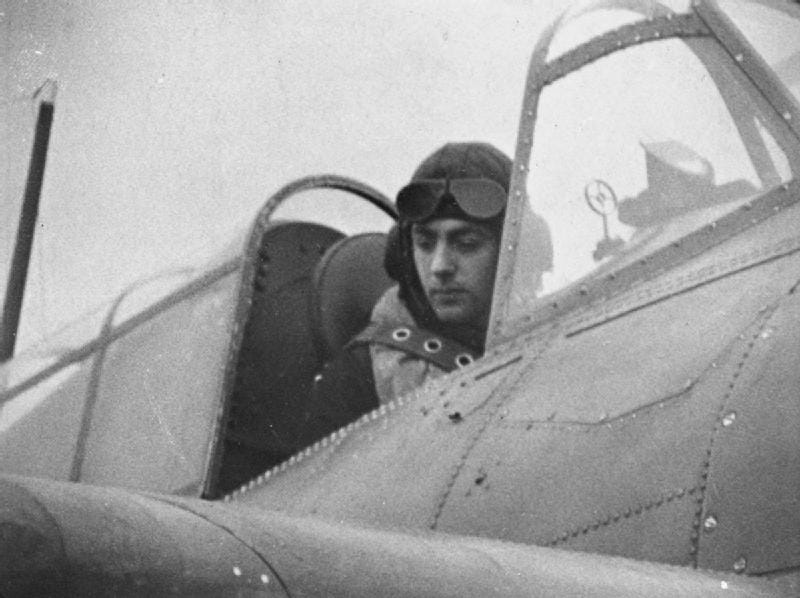
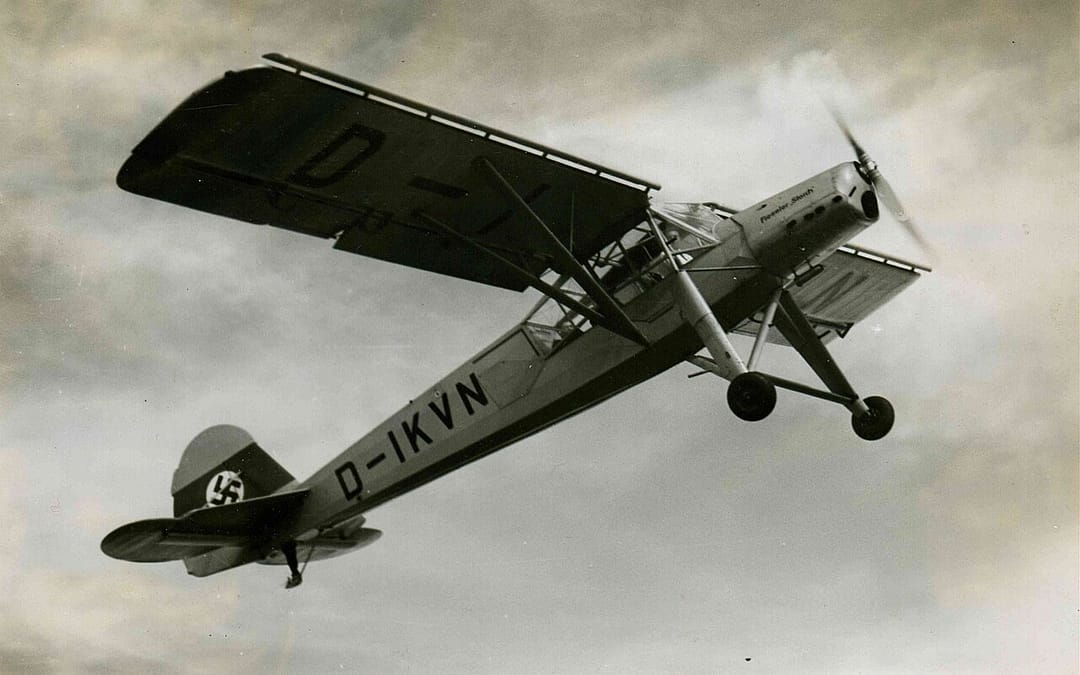
At the 1936 Berlin Olympics, a Scottish teenager was taken flying by a First World War fighter ace. As they landed, the German told the boy two things: learn to fly, and learn German. The boy did both — and grew up to fly more different aircraft than any human...
History & Legends, Military Aviation
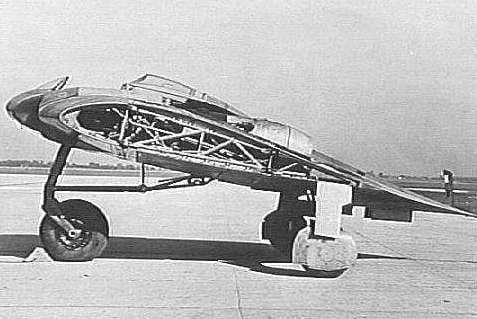
In the film Captain America, the villain escapes aboard a sleek, tailless flying wing. It looks like science fiction. It is not entirely invented: the design is lifted almost directly from a real German aircraft that flew in the last winter of the Second World War...
History & Legends, Military Aviation
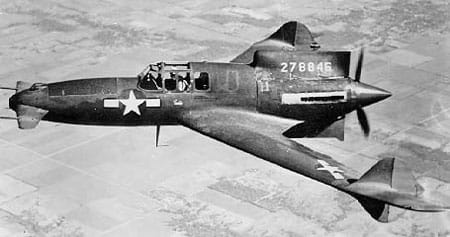
In 1939 the U.S. Army Air Corps did something unusual: it asked American industry to forget everything it knew about what a fighter should look like. The result included one of the strangest warplanes the country ever flew — a fighter with its engine at the...
History & Legends, Military Aviation
On the afternoon of 12 September 1943, a string of flimsy plywood gliders scraped down onto a boulder-strewn plateau high in the Italian Apennines, right outside a mountaintop ski hotel. Out of them poured German paratroopers and SS commandos. Within a few minutes,...
Aviation World, History & Legends
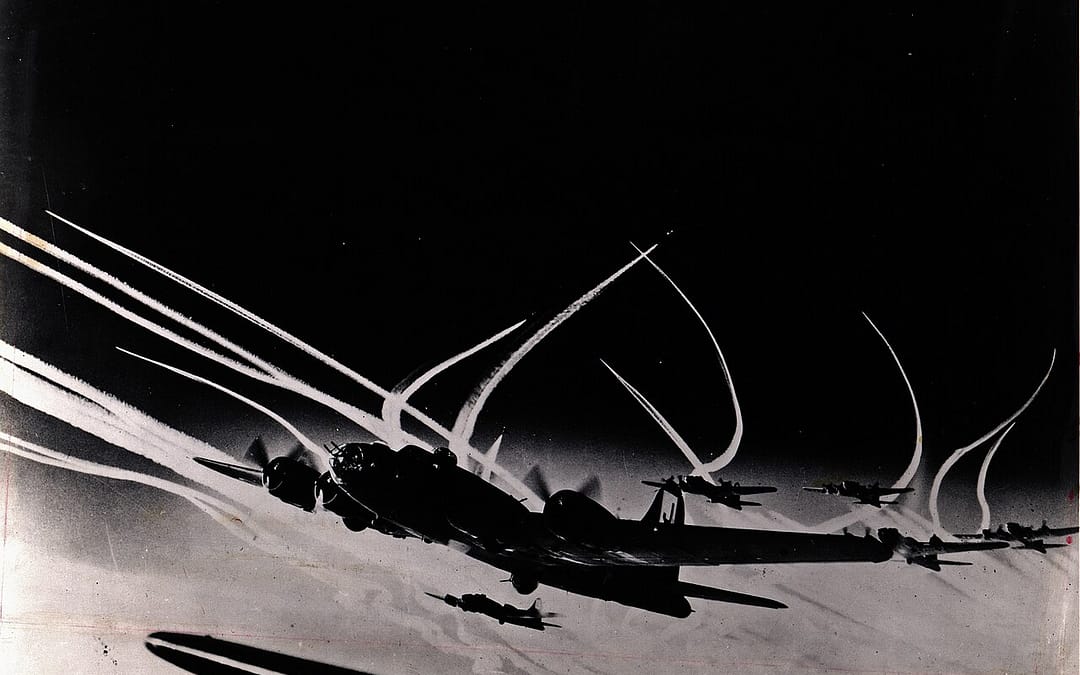
At 27,000 feet over Germany, the air was minus 60 degrees and Charlie Brown’s bomber was dying. Half its engines were gone or failing. The nose was blown open to the wind. The tail gunner was dead, other crewmen were bleeding on the freezing deck, and the young pilot...
History & Legends, Military Aviation
At first glance the little aircraft looks as though someone assembled it from the wrong box of parts. It has a wing at the front and a wing at the back, a propeller facing the wrong way, and a pilot perched right up in the nose. It looks less like a fighter than an...
History & Legends, Military Aviation
In the mid-1950s, a needle-thin French aircraft with jet engines perched on its wingtips and a rocket motor in its belly clawed its way toward the edge of space, touching nearly twice the speed of sound and setting records for how fast a jet could climb. And then...
History & Legends, Military Aviation
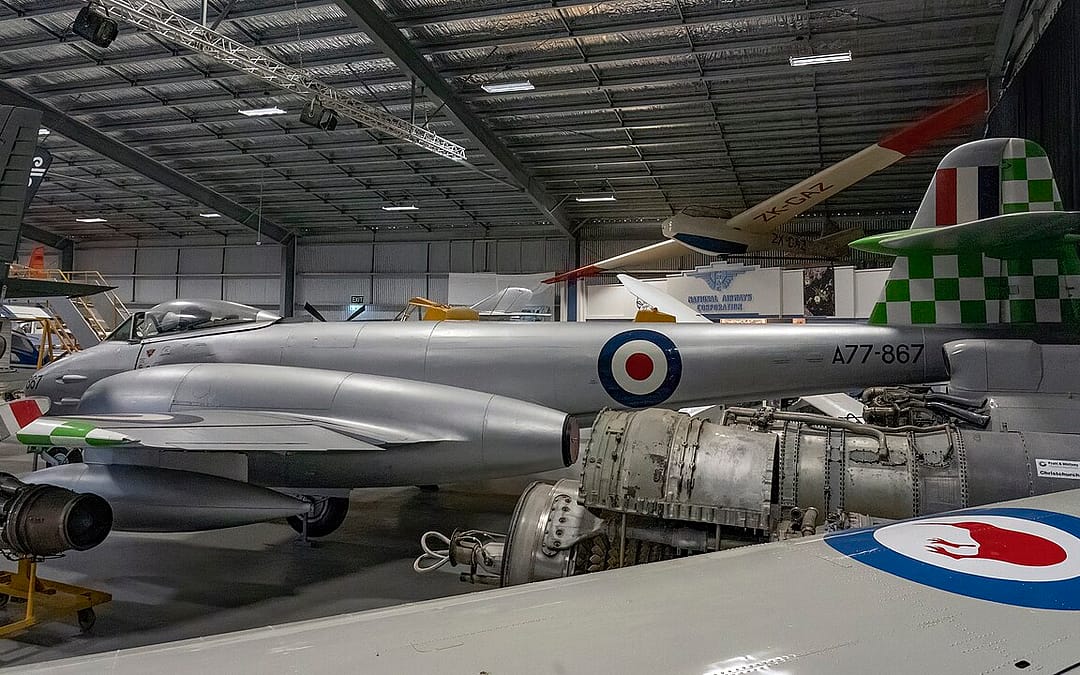
In the winter of 1946, Britain was perhaps six months away from becoming the first nation to fly faster than sound. In a guarded hangar sat a small, bullet-shaped jet called the Miles M.52, all but finished, its test pilot chosen, its supersonic trials pencilled in...
History & Legends, Military Aviation
Imagine a fighter aircraft that cannot take off. It has no way to move under its own power on the runway, no way to build up speed, no way to leave the ground at all. To fly it, you must bolt it to the roof of an airliner, haul it up to altitude, and drop it — and...
History & Legends, Military Aviation
By the summer of 1944, London was under siege from a weapon no one could see coming until it was too late. The V-1 flying bomb — the “doodlebug” — buzzed across the Channel by the hundred, and its droning pulsejet was a sound Londoners learned to dread. When the...
History & Legends, Military Aviation
Half a century ago, the SEPECAT Jaguar screamed across the plains of northern Germany at treetop height, a nuclear bomb slung beneath its belly and the Warsaw Pact in its sights. France retired it in 2005. Britain let it go in 2007. Oman parked its last examples in...




Recent Comments