
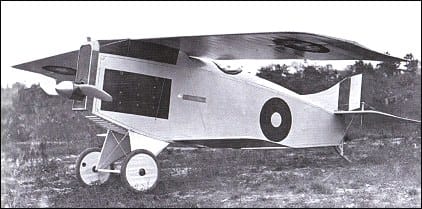
There are bad aircraft, and then there is the Christmas Bullet — a machine so misconceived that it holds a record no other aeroplane will ever want: it killed a test pilot on its first flight, and then killed a second test pilot on the first flight of the second example. Two aircraft built. Two flights flown. Two pilots dead. A perfect, horrifying record.
How does an aeroplane get that wrong? It starts with a man who was utterly certain he knew better than everyone in aviation — and knew, in fact, almost nothing at all.
QUICK FACTS
Aircraft: Christmas Bullet (Cantilever Aero Bullet)
Designer: Dr. William Whitney Christmas
Built: 1918–1919, two examples
Fatal flaw: Unbraced wings, designed to “flex” like a bird’s
Flights: Two — both ended in fatal crashes
Legacy: Widely called the worst aircraft ever built
The doctor who knew better
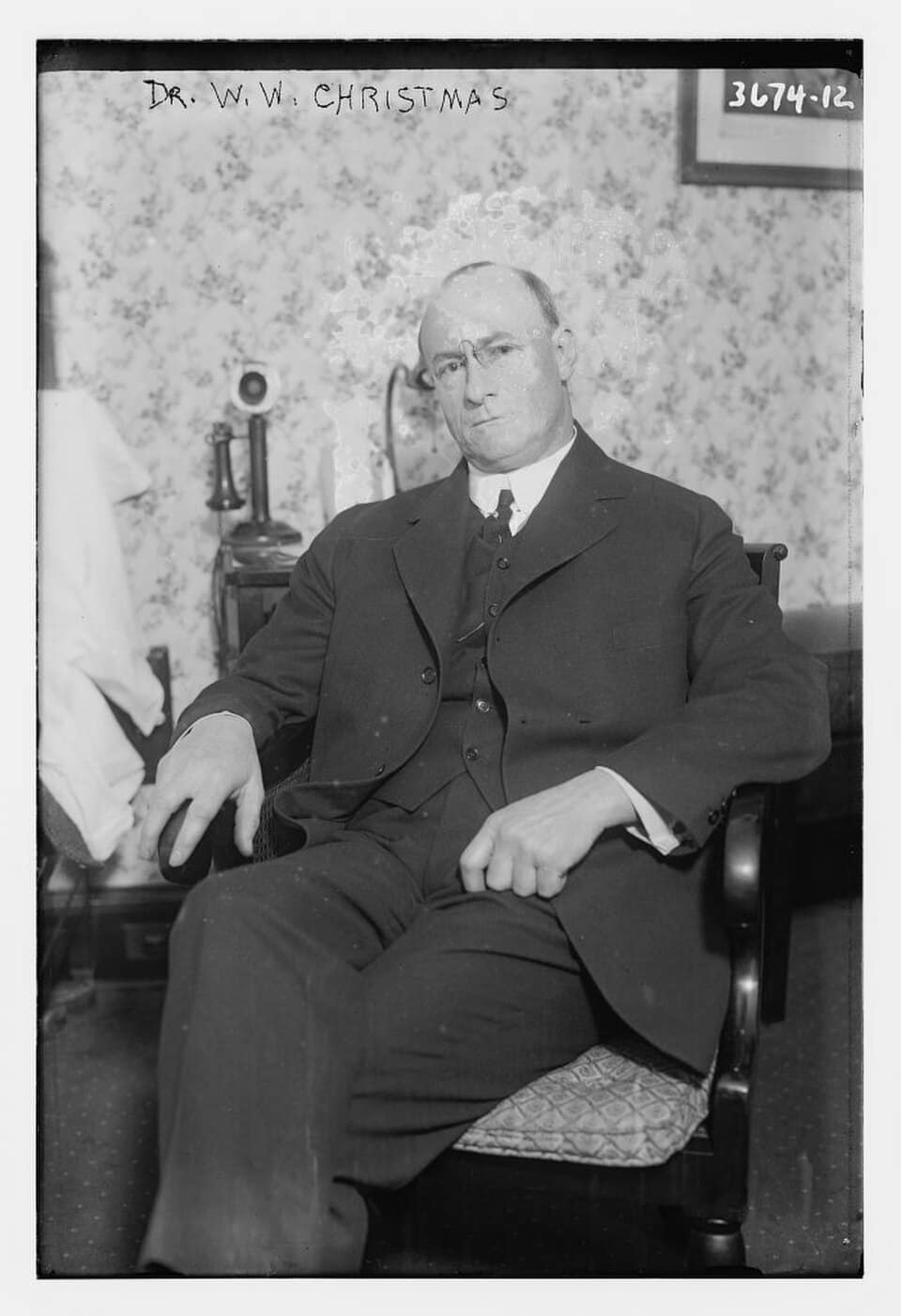
William Whitney Christmas was a physician, not an engineer. What he lacked in aeronautical training he made up for in self-belief and a gift for promotion. He spun grand claims about his flying machines and his own genius, and he convinced enough people to fund a fighter aircraft he called the Bullet.
His central idea was the one that killed people. Christmas was convinced that an aircraft’s wings should not be rigid but should flex and flap, like a bird’s, as it flew. So he built the Bullet with cantilever wings carrying no external struts or bracing wires at all — a clean, strutless look that, in 1918, was wildly ahead of its time in appearance and catastrophically behind it in engineering.
Built from the wrong stuff
The execution matched the theory. The Bullet was reportedly assembled from materials that were never aircraft-grade — whatever wood and steel could be scrounged — and fitted with an engine Christmas had managed to obtain. The wings, unbraced and flimsy, were expected to do something no wing should ever do: bend dramatically in flight and somehow remain attached.
They did not remain attached.
The video above walks through the whole sorry saga — the claims, the design, and the inevitable physics.
Two flights, two funerals
On its first flight in early 1919, the Bullet’s wings did exactly what unbraced wings do under flight loads: they twisted, failed, and tore away from the fuselage. The aircraft fell from the sky and killed its pilot, Cuthbert Mills. One might think that would be the end of it. It was not. A second Bullet was built — and on its first flight, the wings failed again, killing a second pilot, Lieutenant Allington Joyce Jolly.
Remarkably, Christmas’s reputation survived where his pilots did not. He continued to make extravagant claims about the Bullet’s performance — claims comfortably unburdened by the fact that the aircraft had never completed a single flight — and reportedly extracted money from the design for years afterward.
The Christmas Bullet endures as aviation’s great cautionary tale: proof that confidence is not competence, that a clean-looking design can be a lethal one, and that the laws of aerodynamics are entirely indifferent to how certain you are that you’ve outsmarted them. Two aircraft. Two flights. Two dead pilots. No aeroplane has ever failed so completely, so quickly, or so fatally.
Sources: Wikipedia (Christmas Bullet); Fear of Landing; The Vintage News; Jalopnik
Related Questions
What was the Christmas Bullet?
The Christmas Bullet, also called the Cantilever Aero Bullet, was an American biplane built in 1918–1919. Designed by physician William Whitney Christmas, it is widely regarded as one of the worst aircraft ever built — both examples crashed on their first flights, killing their pilots.
Why is the Christmas Bullet called the worst plane ever?
Because of a catastrophic flaw: its wings had no bracing struts or wires and were meant to "flex" like a bird's in flight. Instead they twisted off almost immediately. Both aircraft built were destroyed on their maiden flights, each killing its test pilot.
Who designed the Christmas Bullet?
Dr. William Whitney Christmas, a physician with no aeronautical engineering training but enormous self-belief and a talent for promotion. He convinced backers to fund his "flexing wing" design despite having no sound basis for it.
What happened to the Christmas Bullet's test pilots?
Both died. The aircraft flew only twice — once for each of the two examples built — and both flights ended in fatal crashes when the unbraced wings failed. The design was abandoned after killing both pilots.
How many Christmas Bullets were built?
Only two were built, in 1918–1919. Neither survived its first flight, and the type is remembered chiefly as a cautionary tale about ignoring established aeronautical engineering.
0 Comments