
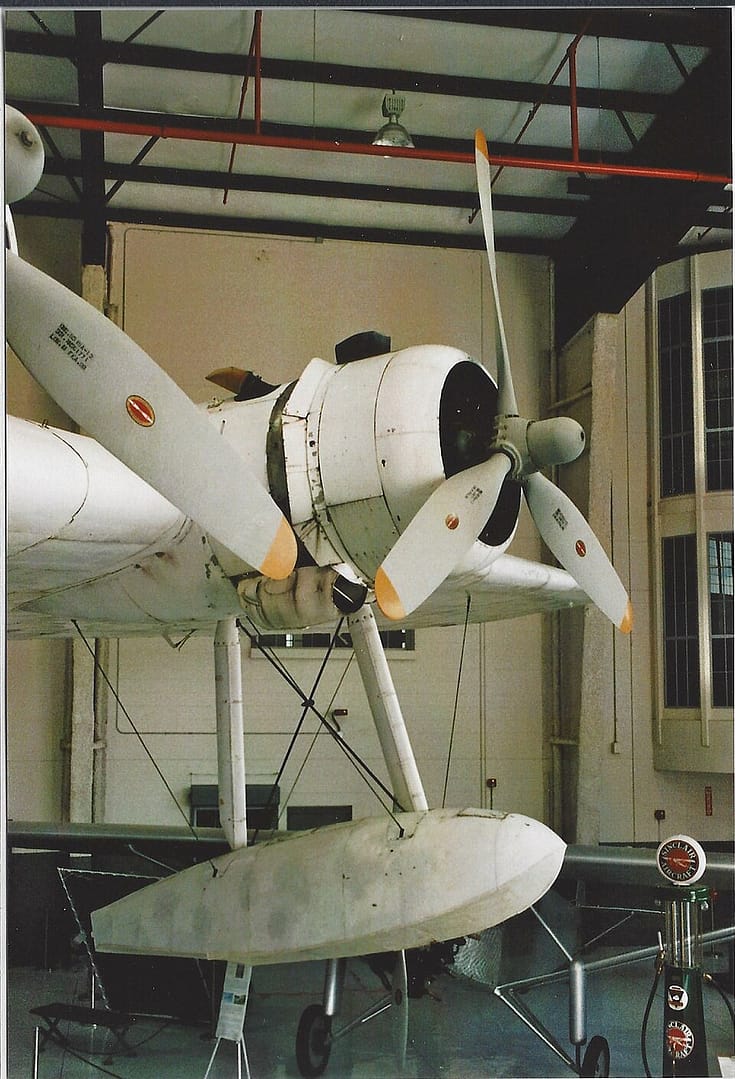
German fighter pilots had a name for the big four-engined British flying boat they kept meeting over the Atlantic: the Fliegendes Stachelschwein — the “flying porcupine.” They earned that respect the hard way. Attacking a lone Short Sunderland tended to cost more aircraft than it was worth.
Slow, fat and bristling with guns, the Sunderland was never glamorous. But for six years it was the aircraft U-boat crews least wanted to see — and the one shot-down sailors most hoped to.
Kurzinfo
- Flugzeug: Short S.25 Sunderland flying boat
- Rolle: RAF Coastal Command long-range maritime patrol and anti-submarine
- Erster Flug: 1937; derived from the Empire commercial flying boat
- Crew: around 10–13
- Spitzname: “Flying Porcupine” — up to 18 machine guns on late aircraft
- U-boat tally: shared in sinking or damaging around 56 Axis submarines
- Longevity: served into the 1950s with the RAF; RNZAF flew it until about 1967
An airliner that went to war
The Sunderland began life as a peaceful idea. Short Brothers took its elegant Empire commercial flying boat and, answering a 1933 Air Ministry requirement, turned it into a military patrol aircraft. First flown in 1937, it gave RAF Coastal Command something it desperately lacked: an aircraft that could stay over the ocean for many hours, far out into the Atlantic, searching for submarines and surface raiders and plucking survivors from the water.
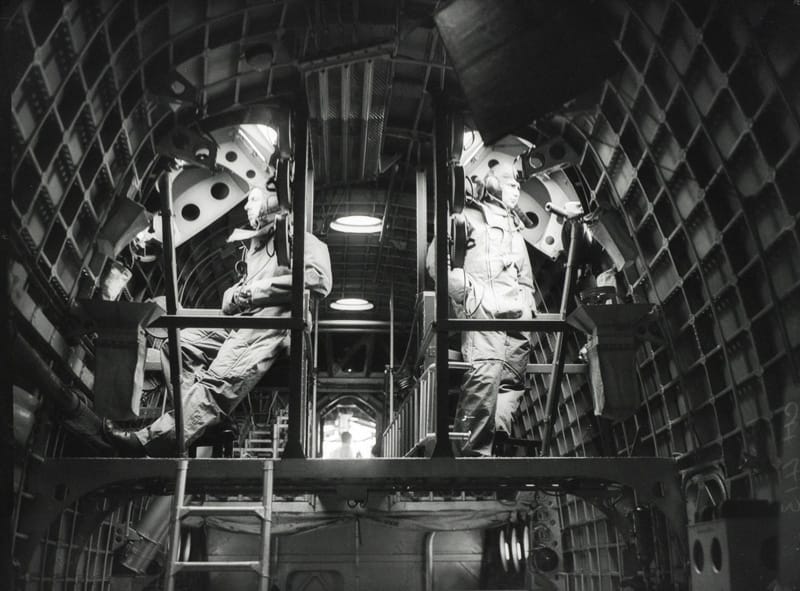
It was enormous — a two-deck hull with bunks, a galley and a workshop, crewed by ten to thirteen men who could live aboard for the length of a marathon patrol. And it was armed. Early Sunderlands carried seven machine guns; by the bloody middle years over the Bay of Biscay, some carried as many as eighteen.
The day the porcupine got its name
The nickname was born on 3 April 1940, when a Sunderland of No. 228 Squadron, jumped by six Junkers Ju 88 fighters off Norway, shot one down and damaged the rest so badly they fled. German aircrew took note.
The most famous fight came in June 1943 over the Bay of Biscay. A Sunderland of No. 461 Squadron RAAF was set upon by eight Ju 88 long-range fighters. In a running battle it shot down three, drove off the rest, and — riddled, with crew wounded — nursed itself hundreds of kilometres home to be beached on the Cornish coast.
The U-boat killer
Guns made the Sunderland survive; radar and depth charges made it deadly. As the aircraft gained sea-search radar, better bombsights and Torpex-filled depth charges, it became a genuine submarine killer. By VE-Day, Sunderlands had shared in sinking or damaging around 56 German and Italian submarines — and rescued countless airmen and sailors from the sea along the way.
The long goodbye
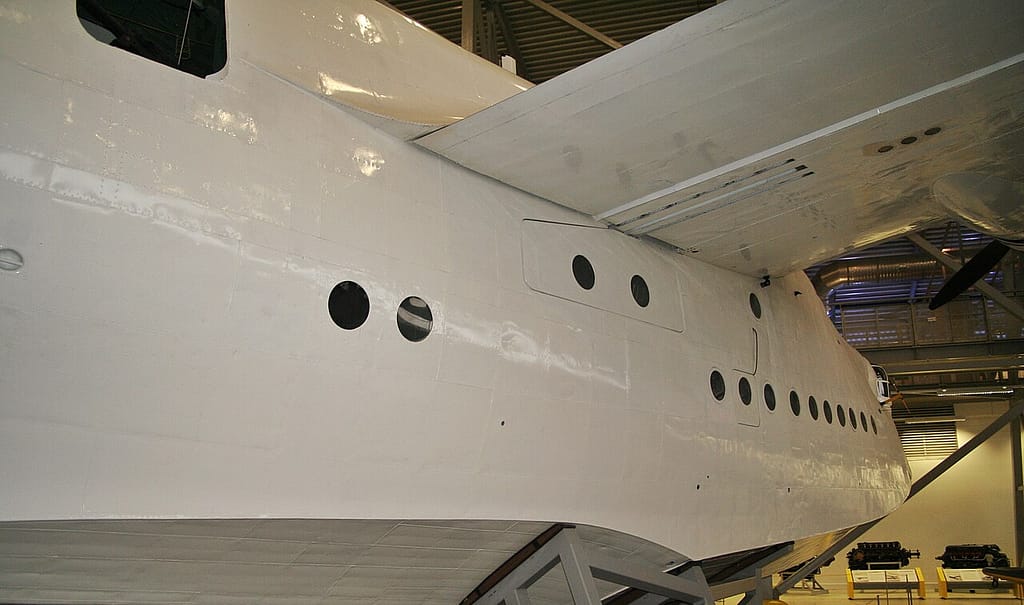
Peace did not retire the porcupine. Sunderlands flew maritime patrols until the Avro Shackleton arrived, carried supplies during the Berlin Airlift by landing on the city’s lakes, and supported Arctic expeditions. The very last examples soldiered on with the Royal New Zealand Air Force into the late 1960s — three decades after the prototype first touched the water. Not bad for an airliner that went to war.
Sources: Naval Historical Foundation (Capt. Richard Dick); naval-encyclopedia.com; uboat.net; Andrew Hendrie, Short Sunderland.
0 Kommentare