
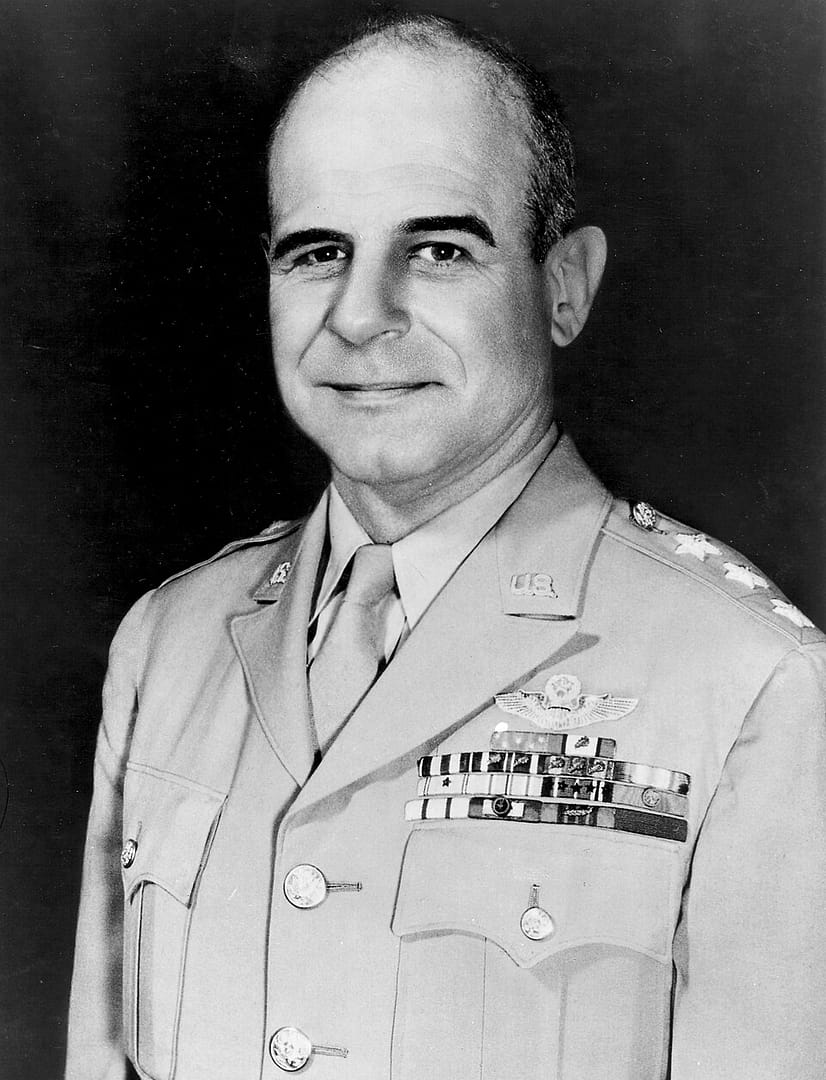
James Harold Doolittle absolvierte zwei Flüge, die die Welt veränderten – und sie hätten unterschiedlicher kaum sein können. Der erste fand am 24. September 1929 auf dem Mitchel Field auf Long Island statt. Er bestieg eine Consolidated NY-2, deren Cockpit mit einer Stoffhaube verhüllt war, sodass er nicht hinaussehen konnte, und flog eine komplette Platzrunde ausschließlich mit seinen Instrumenten. Er war der erste Mensch, der ohne jegliche visuelle Orientierungshilfe startete, flog und landete. Er nannte es "Blindflug". Wir nennen es Instrumentenflugregeln – das System, das die kommerzielle Luftfahrt bei Wolken, Regen und Dunkelheit ermöglicht.
Kurzinfo
| Nationalität | Amerikaner 🇺🇸 |
| Leistung | Erster, der blind flog (nur mit Instrumenten, 1929); führte den Doolittle-Angriff an – den ersten Luftangriff auf Japan |
| Doolittle-Überfall | 18. April 1942 – 16 B-25 Mitchell-Bomber starteten von der USS Hornet und bombardierten Tokio. |
| Auszeichnungen | Ehrenmedaille, Verdienstmedaille, Silberner Stern, DFC und viele mehr |
| Geboren / Gestorben | 14. Dezember 1896 – 27. September 1993 (Alter 96) |
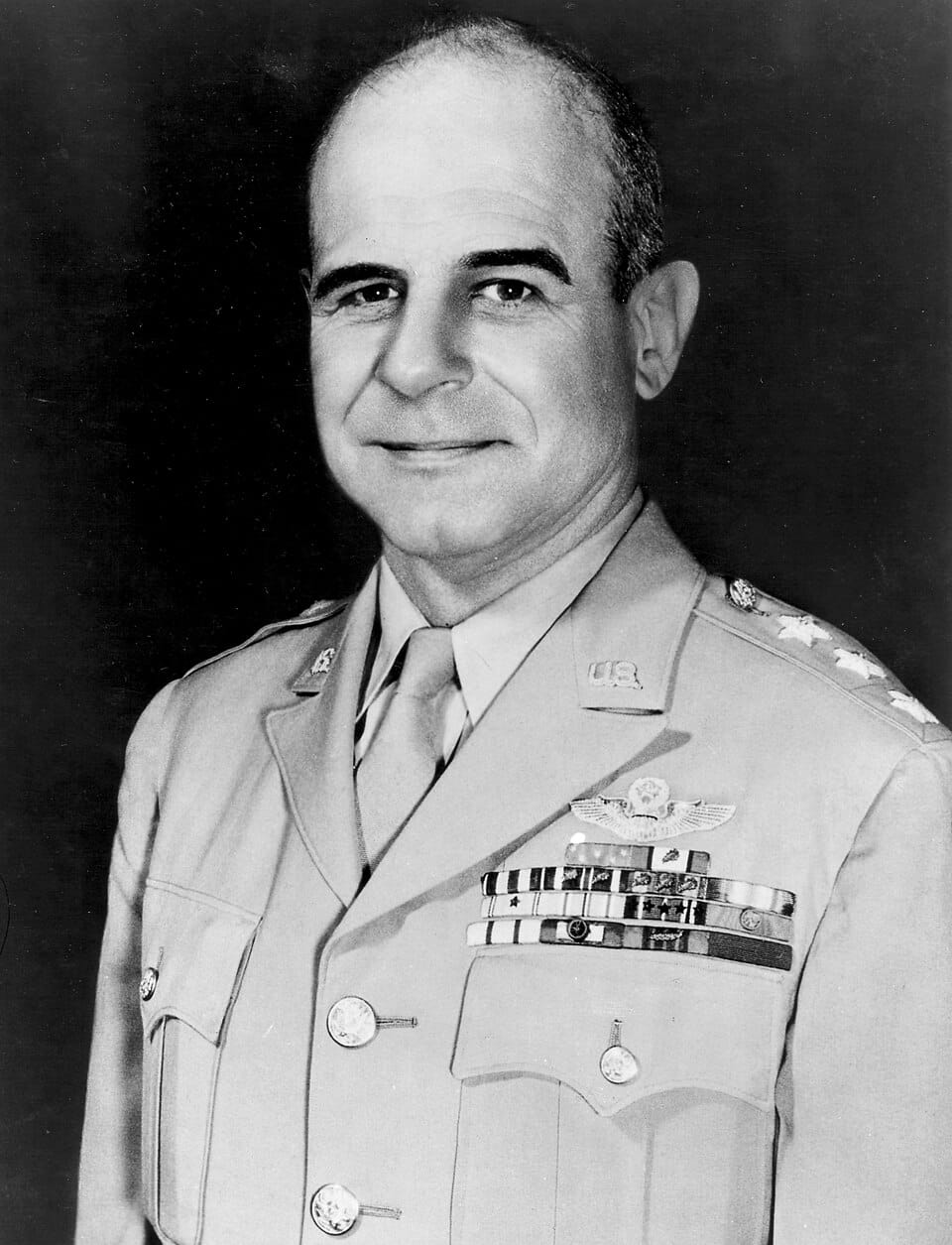
Der zweite Flug fand am 18. April 1942 statt. Vier Monate nach Pearl Harbor, als Amerika schwer angeschlagen und Japan scheinbar unbesiegbar war, führte Doolittle 16 North American B-25 Mitchell-Bomber vom Deck der USS Hornet ab – ein Unterfangen, das eigentlich unmöglich schien, da die B-25 nie für den Einsatz auf Flugzeugträgern konzipiert oder getestet worden war. Die Bomber waren so schwer mit Treibstoff und Bomben beladen, dass sie kaum genug Deckfläche zum Abheben hatten. Doolittle startete als Erster. Seine B-25 hob mit minimalem Spielraum vom Flugzeugträgerdeck ab und steuerte Richtung Osten nach Japan.
Die Mission war in fast jeder Hinsicht ein Selbstmordkommando. Die Bomber konnten nicht zum Flugzeugträger zurückkehren – ihnen fehlte der Treibstoff. Sie planten, Tokio zu bombardieren und weiter nach China zu fliegen. Die meisten Besatzungen mussten über chinesischem Gebiet notlanden oder mit dem Fallschirm abspringen. Drei Besatzungsmitglieder kamen ums Leben. Acht wurden von Japan gefangen genommen; drei wurden hingerichtet. Doolittle selbst musste in einem Reisfeld in China notlanden. Der materielle Schaden für Japan war minimal. Der psychische Schaden war enorm: Zum ersten Mal hatten japanische Bürger Bomben auf ihre Hauptstadt fallen hören. Und in ganz Amerika hatte eine schockierte, trauernde Nation plötzlich einen Grund zum Jubeln.
Der Wissenschaftler und der Krieger
Was Doolittle so bemerkenswert macht, ist nicht nur sein Mut, sondern auch sein Intellekt. Er promovierte am MIT in Luftfahrttechnik – als einer der ersten überhaupt. Sein Blindflug von 1929 war das Ergebnis jahrelanger Forschung an Gyroskopen, Höhenmessern und künstlichen Horizonten. Er trug maßgeblich zur Entwicklung des ersten praktischen Richtungsgyroskops und des ersten künstlichen Horizonts bei – Instrumente, die noch heute in jedem Flugzeugcockpit zu finden sind. Er verstand die Physik des Fliegens besser als fast jeder andere seiner Zeit und konnte auch besser fliegen als fast jeder andere seiner Zeit.
Alle Besatzungsmitglieder, die am Tokyo Raid teilnahmen, waren Freiwillige – eine Tatsache, die Doolittle den Erfolg der Mission sein Leben lang zuschrieb.
— Über die Besatzungen des Tokio-Angriffs, 1942Doolittle erhielt von Präsident Roosevelt die Ehrenmedaille, wurde im Handumdrehen vom Oberstleutnant zum Brigadegeneral befördert und übernahm anschließend das Kommando über die Achte US-Luftflotte über Europa – die größte jemals aufgestellte Luftflotte. Er starb 1993 im Alter von 96 Jahren und erlebte die Entwicklung der Luftfahrt vom Wright Flyer bis zum Space Shuttle. Wie seine Biografen schrieben, war er der Inbegriff des Fliegers: Gelehrter, Krieger, Rekordbrecher und Kommandeur. Es wird wohl nie wieder einen wie ihn geben.
Ansehen: Dokumentation
Verwandte Fragen
Wer war Jimmy Doolittle?
James "Jimmy" Doolittle war ein amerikanischer Flugpionier, der 1929 den ersten Blindflug ausschließlich mit Instrumenten durchführte und später 1942 den Doolittle-Angriff, den ersten Luftangriff auf Japan, leitete. Er wurde mit der Ehrenmedaille ausgezeichnet und stieg zum Generalleutnant auf.
Was war der Doolittle-Überfall?
Der Doolittle-Angriff war ein waghalsiger amerikanischer Angriff am 18. April 1942, bei dem 16 B-25 Mitchell-Bomber vom Flugzeugträger USS Hornet aus starteten und Tokio und andere japanische Städte angriffen. Es war der erste Luftangriff auf die japanischen Hauptinseln und ein wichtiger moralischer Impuls zu Beginn des Zweiten Weltkriegs.
Was ist Blindfliegen und wer hat es erfunden?
Blindflug, heute Instrumentenflug genannt, bedeutet, ein Flugzeug ausschließlich mithilfe der Cockpitinstrumente ohne visuelle Orientierungshilfen zu steuern. Am 24. September 1929 gelang Doolittle als erstem Menschen der vollständige Instrumentenflug, der Start, der Rundflug und die Landung – mit einer Cockpithaube.
Warum ist Instrumentenflug wichtig?
Instrumentenflug ist das System, das Flugzeugen einen sicheren Betrieb bei Wolken, Regen und Dunkelheit ermöglicht. Indem Doolittle 1929 bewies, dass ein Pilot ohne Sicht nach draußen fliegen kann, legte er den Grundstein für den Allwetterbetrieb, der die moderne kommerzielle Luftfahrt erst möglich macht.
Wie wurde Jimmy Doolittle geehrt?
Doolittle erhielt für die Führung des Angriffs auf Tokio im Jahr 1942 die Ehrenmedaille (Medal of Honor) sowie die Distinguished Service Medal, den Silver Star, das Distinguished Flying Cross und viele weitere Auszeichnungen. Er wurde 1896 geboren und starb 1993 im Alter von 96 Jahren.

0 Kommentare