
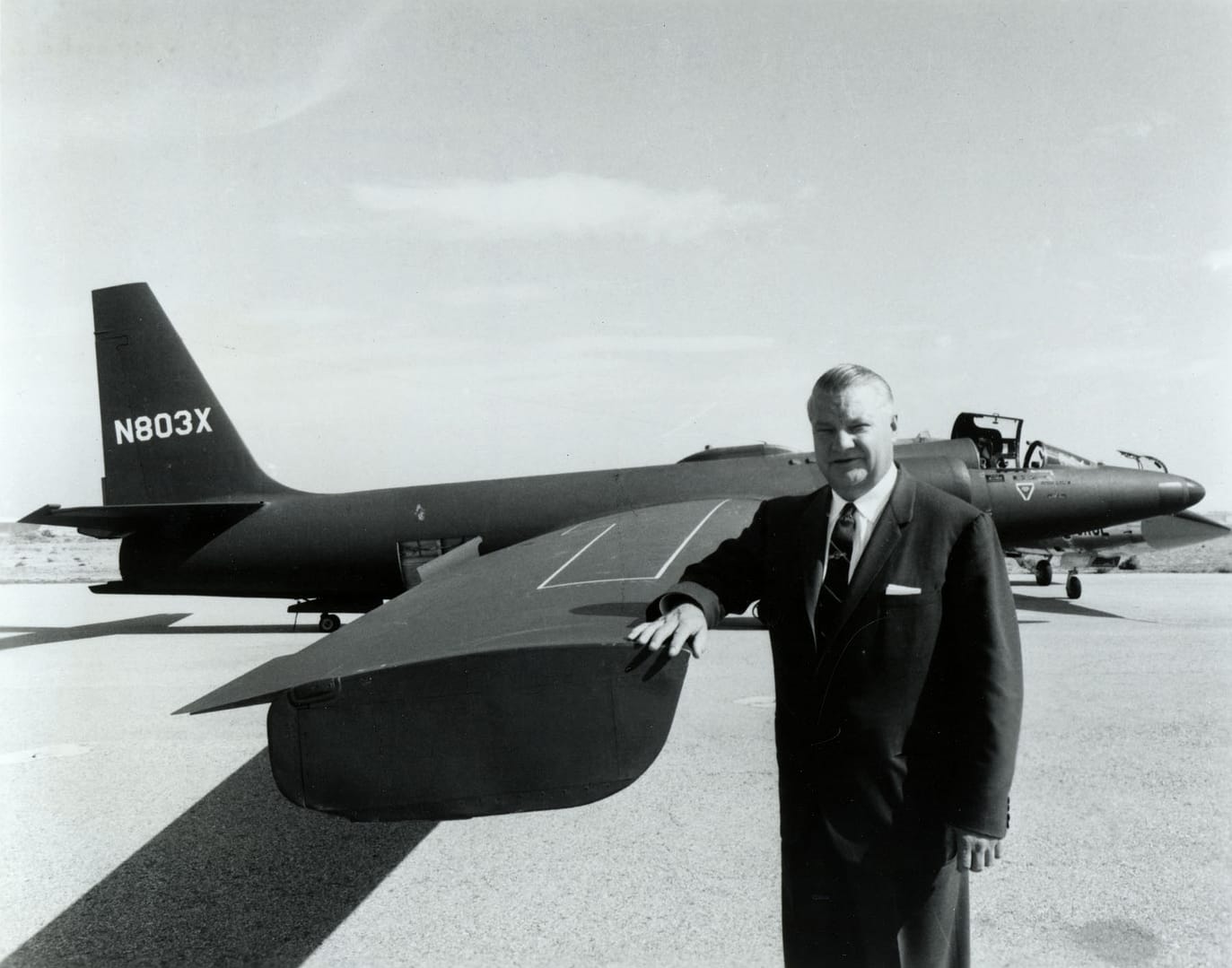
In 1943, a 33-year-old engineer promised the US Army Air Forces a jet fighter in 180 days. He rented a circus tent, pitched it beside a foul-smelling plastics factory in Burbank, sealed off a handful of hand-picked engineers, and delivered the XP-80 prototype in roughly 143 days — weeks early. The tent leaked. The factory stank so badly that one engineer answered the phone “Skonk Works,” after the moonshine still in the Li’l Abner comic. The name stuck, the spelling softened, and Clarence “Kelly” Johnson had just invented the most famous design shop in aviation history.
Over four decades at Lockheed, Johnson had a hand in more than forty aircraft. Not good aircraft — era-defining ones. The twin-boomed P-38 Lightning. America’s first operational jet, the P-80. The graceful Constellation airliner. The Mach 2 F-104 Starfighter. Der U-2 spy plane. And the machine that still looks like it arrived from the future, the titanium SR-71 Blackbird. One man. One career. A shelf of aircraft that rewrote what was possible.
| Full name | Clarence Leonard “Kelly” Johnson |
| Lived | 1910–1990 |
| Employer | Lockheed (1933–1975) |
| Famous aircraft | P-38, F-104, U-2, SR-71 |
| Gegründet | Lockheed Skunk Works, 1943 |
| Honour | Presidential Medal of Freedom, 1964 |
The man who could see air
Johnson grew up poor in the iron-mining country of Michigan, the son of Swedish immigrants, mocked as a boy until he broke a tormentor’s leg and earned the nickname Kelly. He arrived at Lockheed in 1933 as a $83-a-month tool designer — and promptly told his bosses their new Electra airliner was unstable. He was right. They put him on the wind tunnel, and he fixed it with the twin tail that became a Lockheed signature.
What set him apart was an almost physical intuition for aerodynamics. He could estimate by eye what other engineers reached only after days of calculation. His chief engineer, Hall Hibbard, put it more memorably.
That instinct, married to a ferocious impatience with bureaucracy, produced the Skunk Works method. Johnson wrote it down as 14 rules — still taught today — and the first is the whole philosophy in one line: the manager must be delegated practically complete control of his program. Rule three demands the team be kept small “in an almost vicious manner.” A few great people, trusted completely, moving fast.
Quick, quiet, and on time
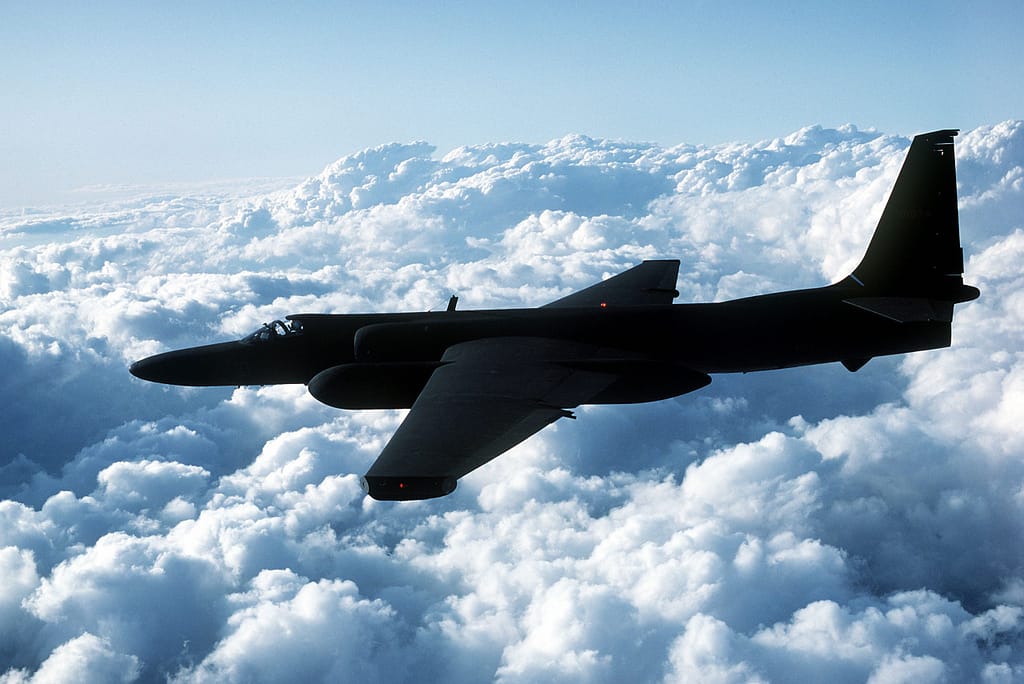
His motto fit on a business card: be quick, be quiet, be on time. Under it, the Skunk Works turned the impossible into the scheduled. The U-2 flew over the Soviet Union at altitudes no interceptor could reach — a glider with a jet engine, so demanding to land that Lockheed chased each one down the runway in a sports car calling out its height.
When that edge eroded, Johnson answered with the A-12 and SR-71 — aircraft that outran every threat by simply going faster than the missiles, at three times the speed of sound, skin glowing with friction heat, sipping fuel that sealed its own leaking tanks only once hot.
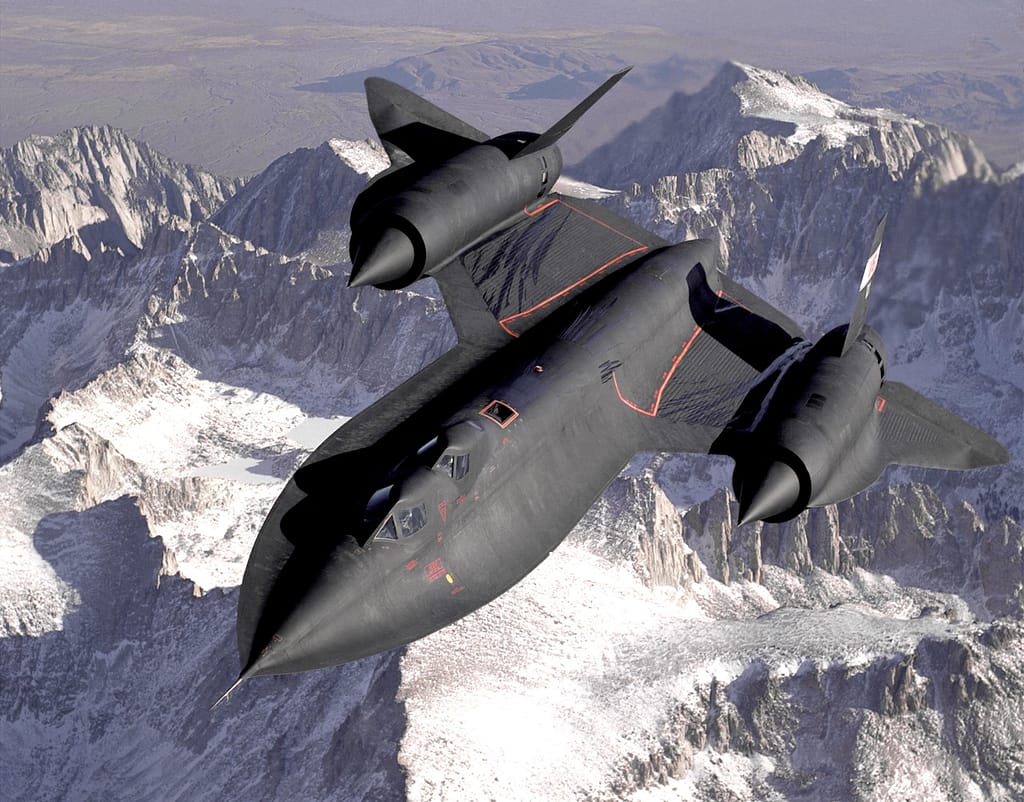
He built them mostly from titanium, a metal so difficult to machine that Lockheed had to invent the tools — and, awkwardly, source much of the ore through shell companies from the Soviet Union the aircraft was designed to spy on. It is the kind of detail that sounds invented. With Kelly Johnson, it usually isn’t.
The legacy in a tent
President Lyndon Johnson gave him the Medal of Freedom in 1964. He won two Collier Trophies, the National Medal of Science, and a place in every serious history of flight. When he retired in 1975, his protégé Ben Rich carried the Skunk Works into the stealth age with the F-117 — built on the culture Kelly created.
The lesson outlived the man. Give a small team of brilliant people a hard problem, protect them from the bureaucracy, trust them, and get out of the way. Johnson proved it in a leaky tent in 1943, and aerospace has been trying to reproduce the magic ever since. Most never manage it. He did it more than forty times.
Sources: Lockheed Martin; Smithsonian NASM; Britannica; Ben R. Rich, “Skunk Works” (1994); Kelly Johnson, “More Than My Share of It All” (1985).

0 Kommentare